Improves number recognition Math Worksheets for Ages 3-7
3 filtered results
-
From - To
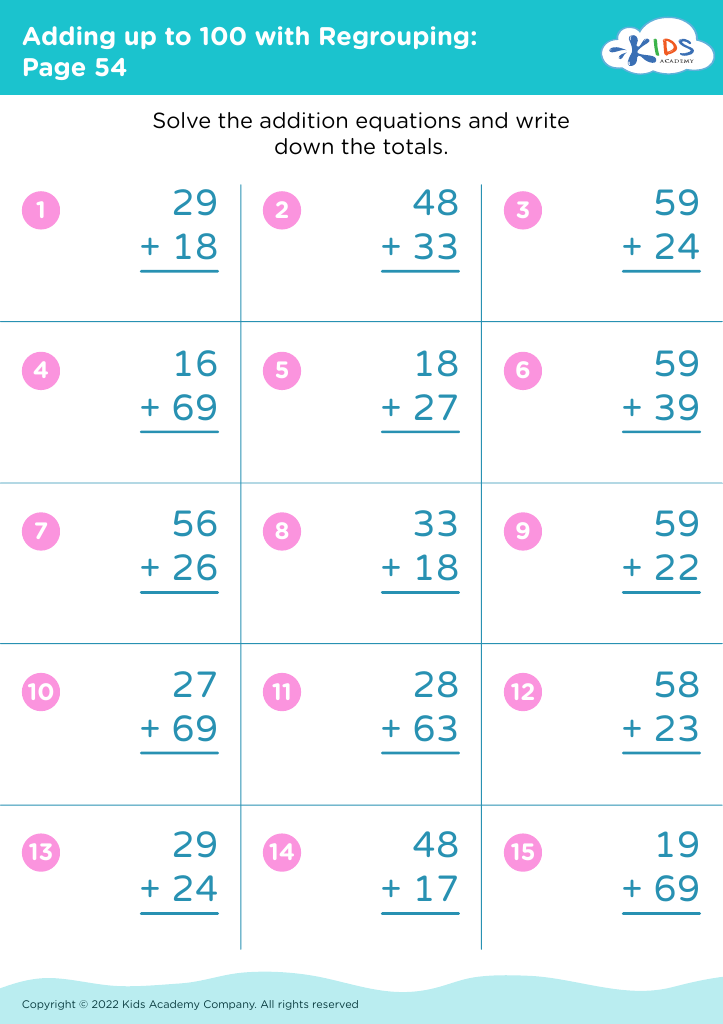
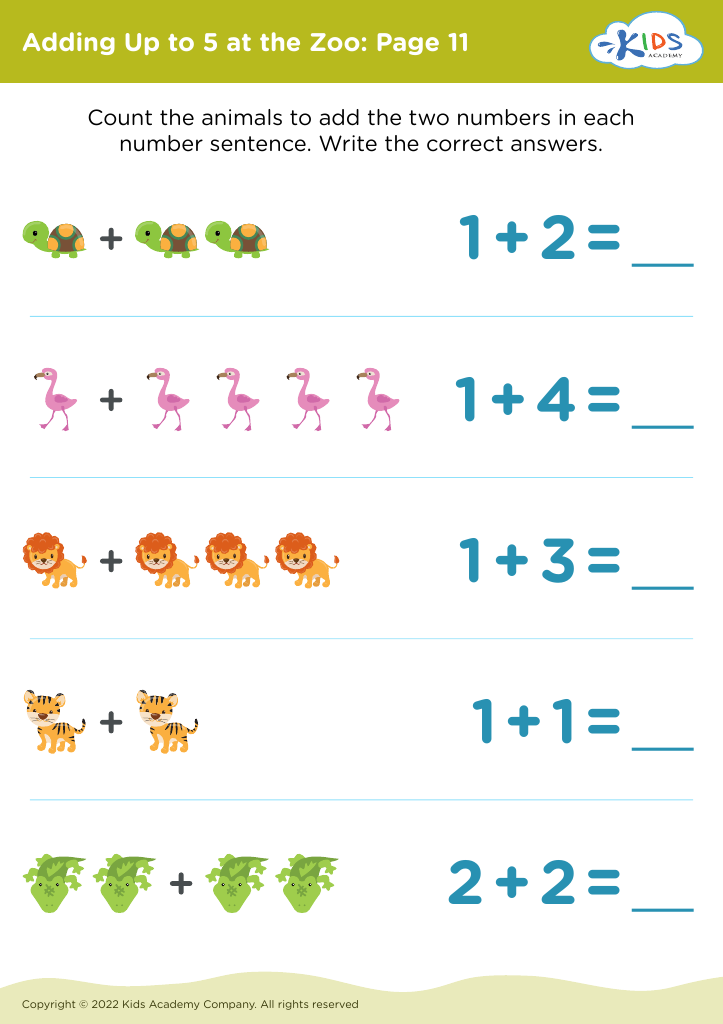
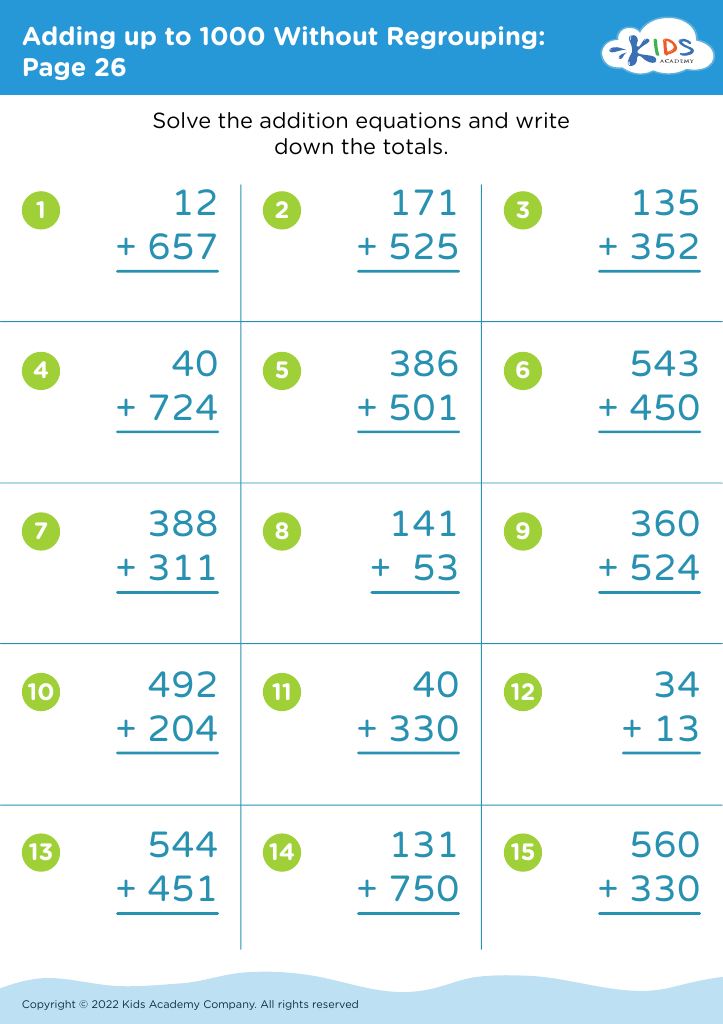
Welcome to Kids Academy’s “Improves Number Recognition Math Worksheets” designed especially for children ages 3-7! Our carefully crafted worksheets are perfect for young learners to develop essential number recognition skills. Through engaging and interactive activities, children familiarize themselves with numbers and enhance their early math abilities. Our worksheets range from fun number tracing and counting exercises to exciting number matching games. Encourage your child’s foundational math skills in a way that’s enjoyable and effective. Visit our website to download these creative worksheets and give your child the head start they deserve in the world of numbers and math!








Improving number recognition in children ages 3-7 is crucial as it forms the foundational building block for all future math learning. At this stage, young minds are incredibly receptive and operate like sponges, absorbing information rapidly. Number recognition allows children to understand the relationship between numbers and their respective quantities, facilitating the development of core concepts like counting, addition, and subtraction.
By recognizing numbers early, children build confidence, which propels their enthusiasm for learning more complex mathematical operations as they progress in school. For parents and teachers, instilling strong number recognition skills can significantly reduce math anxiety later in life, creating a positive attitude toward the subject. This proficiency also directly correlates with improved problem-solving and logical thinking skills that are invaluable across all academic and real-life scenarios.
Moreover, early number recognition is often linked to better performance in other areas, such as reading and critical thinking, due to enhanced cognitive development. When parents and teachers prioritize and actively engage children in number games, puzzles, and counting activities, they set the stage for a lifetime of academic success and practical competence. Ultimately, caring about number recognition equips children with essential tools to navigate both their scholarly and everyday lives with confidence.








