Improving fine motor skills Math Worksheets for Ages 3-7
3 filtered results
-
From - To
Enhance your child's fine motor skills with our engaging math worksheets designed for ages 3-7. Tailored to support early developmental stages, these worksheets combine fun and learning, allowing young learners to develop essential hand-eye coordination while practicing basic math concepts. Each activity promotes pencil control, tracing, and spatial awareness through colorful visuals and interactive tasks. Ideal for homeschooling or supplementary practice, our resources empower children to strengthen their grip and movement precision in a playful context. Explore our extensive collection today and watch your child thrive as they build their fine motor skills alongside foundational math abilities!
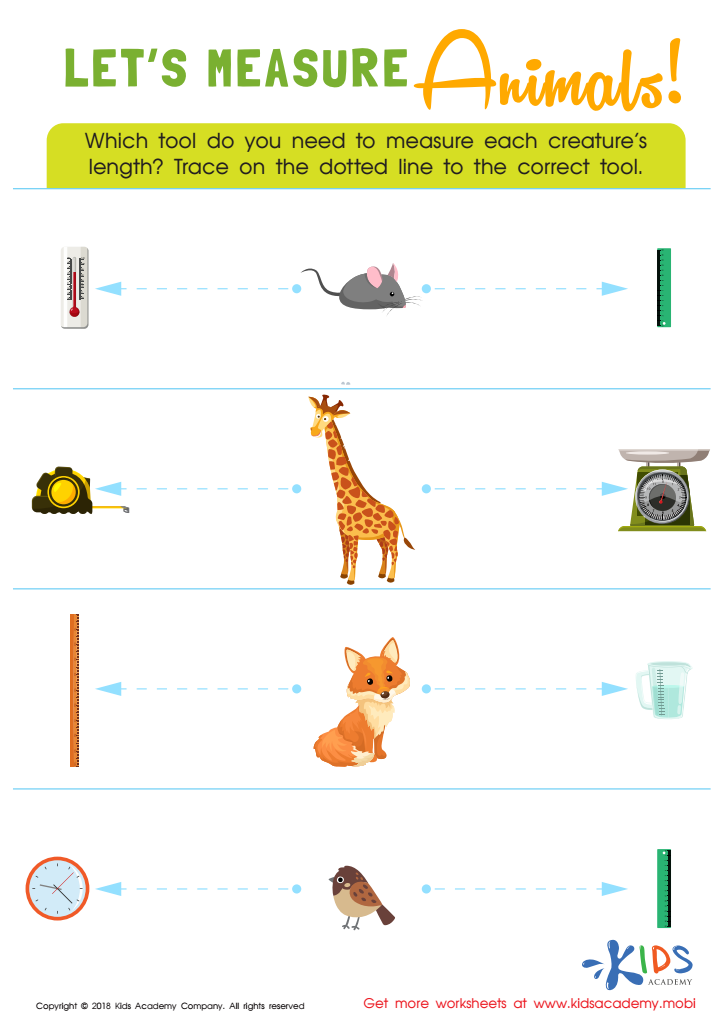
Let's Measure Animals! Worksheet
 Assign to My Students






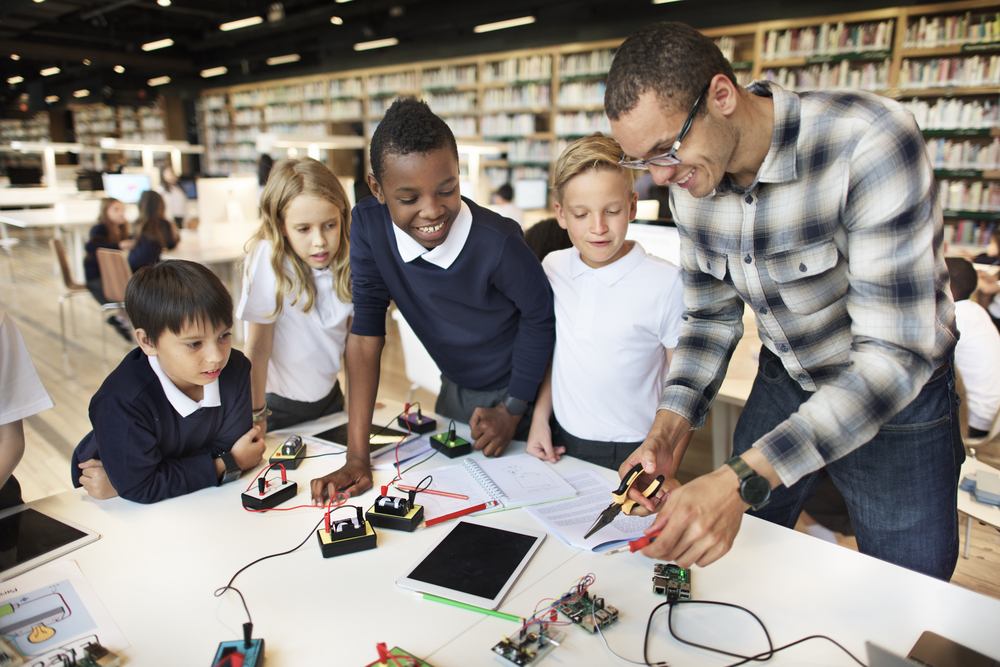
Improving fine motor skills in young children, particularly in the context of math, is crucial for their overall development. Fine motor skills involve the coordination of small muscles in the hands and fingers, which are essential for tasks such as writing, counting, and manipulating small objects. For children aged 3 to 7, these skills are foundational as they begin to engage with mathematical concepts.
As children develop fine motor skills, they increase their ability to a grasp and manipulate tools, which enhances their understanding of math through hands-on activities. For instance, counting with beads or building blocks requires precise hand movements, which reinforces number recognition and understanding of quantities. Such interactive learning experiences make math more tangible and enjoyable.
Moreover, strong fine motor skills can boost a child's confidence and motivation, allowing them to approach math with a positive attitude. This is important as early experiences with math can shape a child's future engagement with the subject. For parents and teachers, fostering fine motor development can lead to better academic outcomes and lifelong learning habits, making it an essential focus in early education. Encouraging playful activities that promote these skills can set the foundation for a successful learning journey.








