Mathematics skills Math Worksheets for Ages 3-7
3 filtered results
-
From - To
Explore our engaging Mathematics Skills Math Worksheets tailored for ages 3-7, designed to make learning math fun and effective. These carefully crafted worksheets cover essential skills including counting, addition, subtraction, shapes, and patterns. Each worksheet offers bright, colorful visuals and interactive activities to help young learners build a strong math foundation. Perfect for home or classroom use, our worksheets encourage problem-solving, critical thinking, and a love for learning. Parents and educators will appreciate the structured approach that aligns with early education standards. Transform math practice into an exciting adventure with our comprehensive collection for young minds!
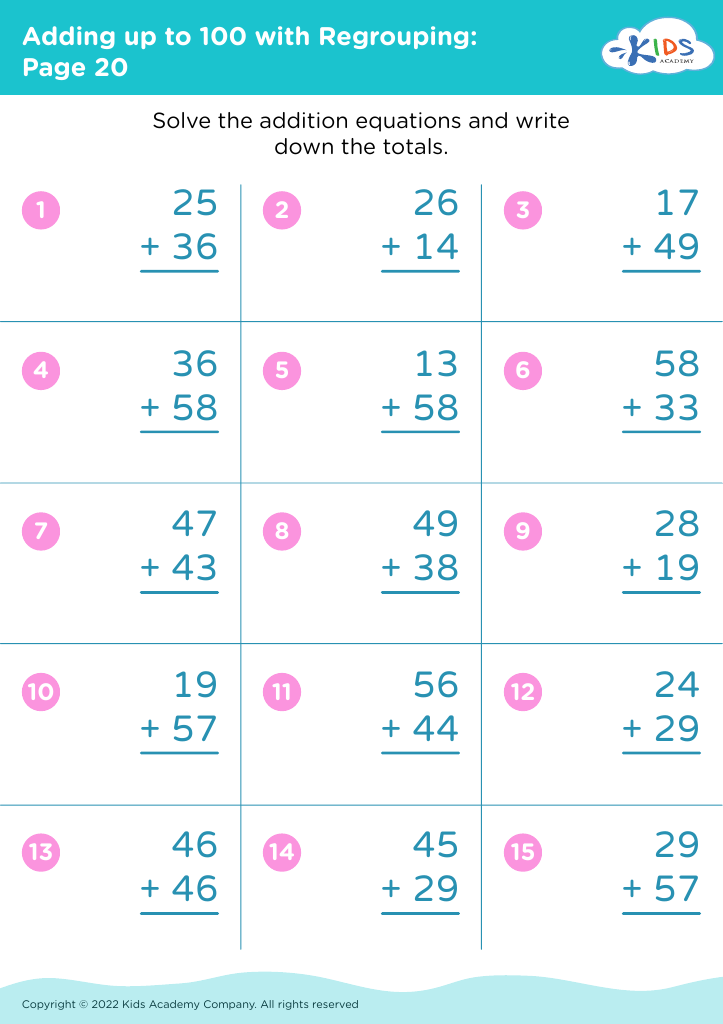
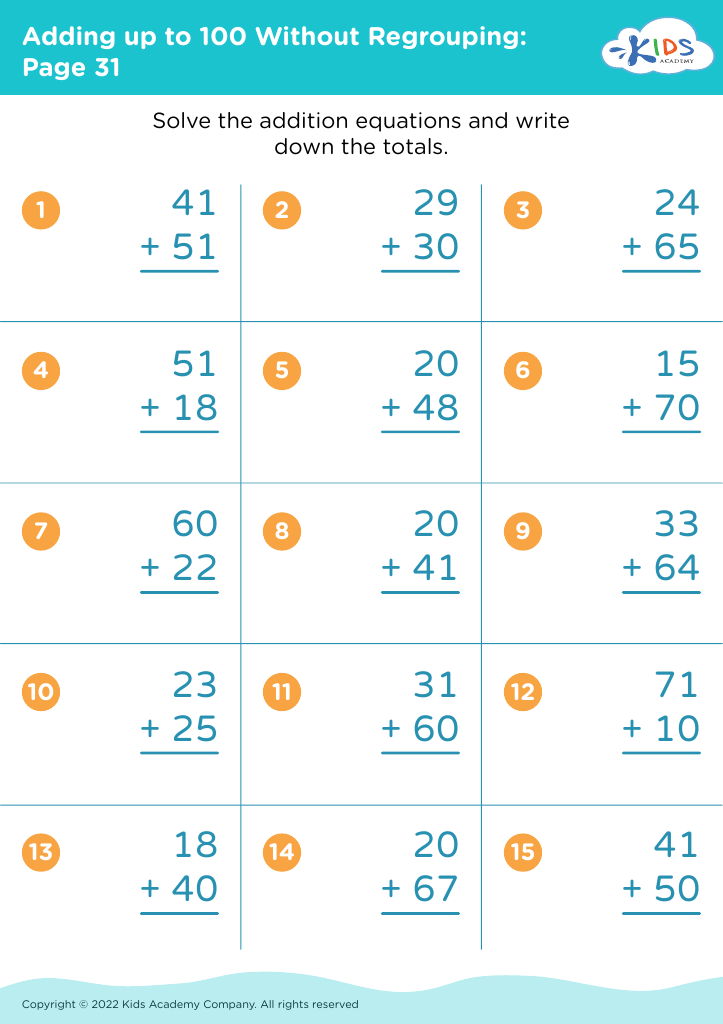
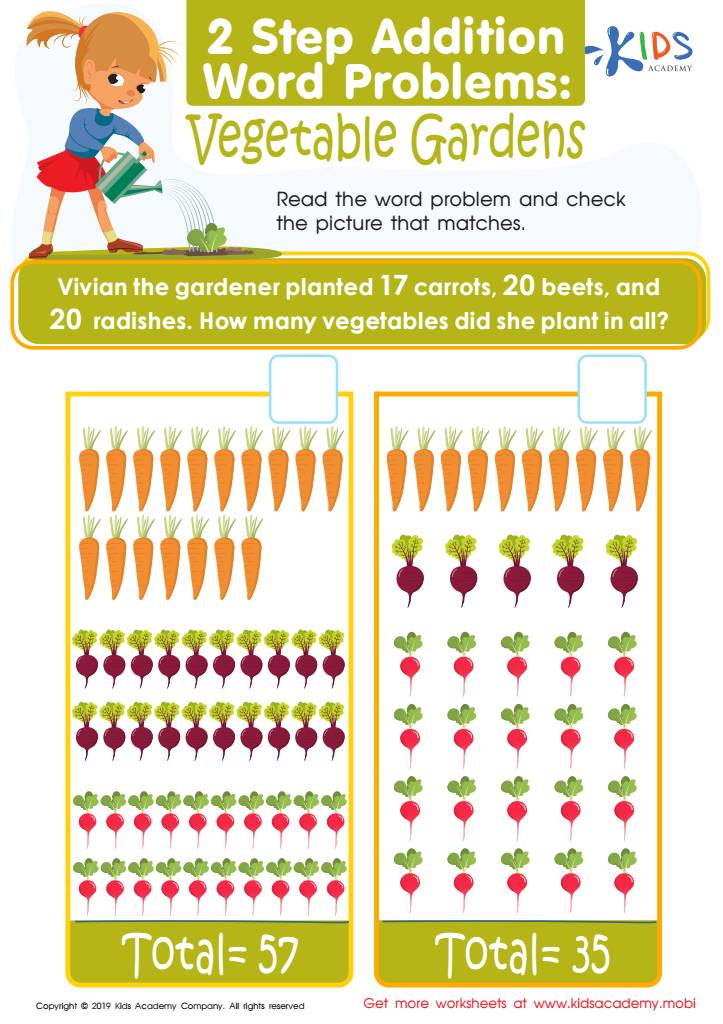
Vegetable Gardens Worksheet
 Assign to My Students



.jpg)


Mathematics skills for children aged 3-7 are crucial foundations for their future academic and personal success; hence, parents and teachers should deeply care about nurturing these skills early on. At this age, youngsters develop critical cognitive abilities, and early exposure to math concepts helps enhance their problem-solving, logical reasoning, and analytical thinking.
Early math skills are predictive of future academic achievement, not just in mathematics but across various subjects. Mastery of basic mathematical principles like counting, number recognition, shapes, and patterns prepares children for more complex topics later in their educational journey. Thus, a strong math foundation can increase self-confidence and reduce anxiety around academics as they progress in school.
Moreover, mathematical understanding is integral to everyday life. From simple tasks such as telling time, understanding money, and measuring ingredients in a recipe, to more sophisticated decision-making processes, math is woven into the fabric of daily living. Cultivating these skills from a young age ensures children are better equipped to navigate and make sense of the world around them.
Furthermore, engaging with math-related activities can stimulate curiosity and foster a love for learning. Parents and teachers play key roles in making math enjoyable and relevant by incorporating games, hands-on activities, and practical examples. This approach not only builds foundational skills but also encourages a lifelong positive attitude towards learning and problem-solving.








