Understanding patterns Math Worksheets for Ages 3-7 - Page 2
39 filtered results
-
From - To
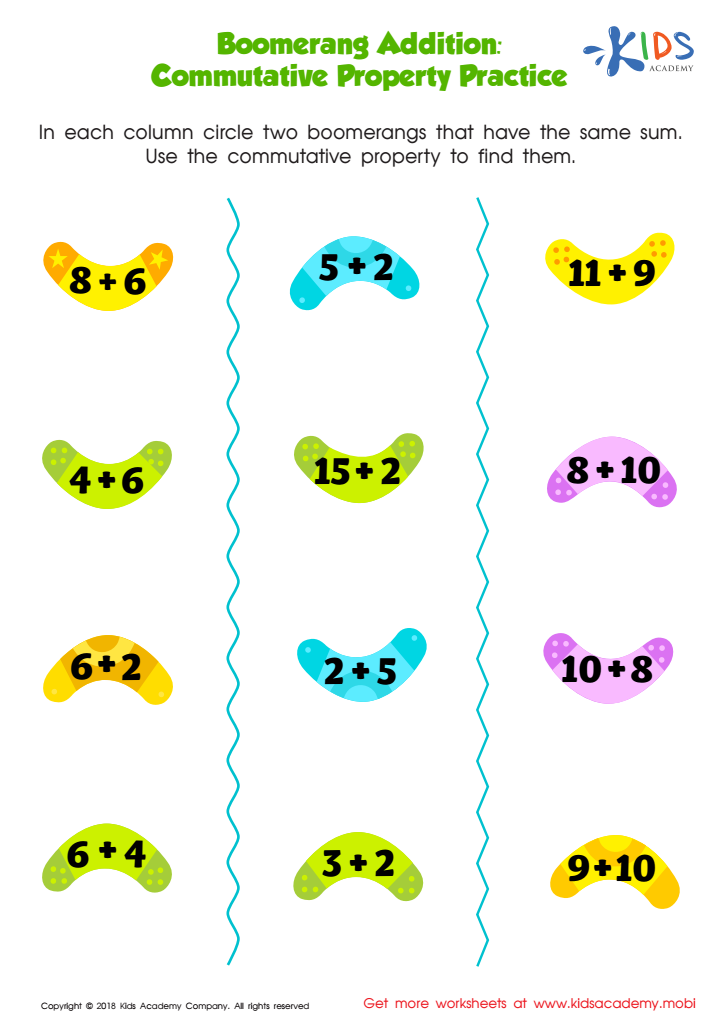
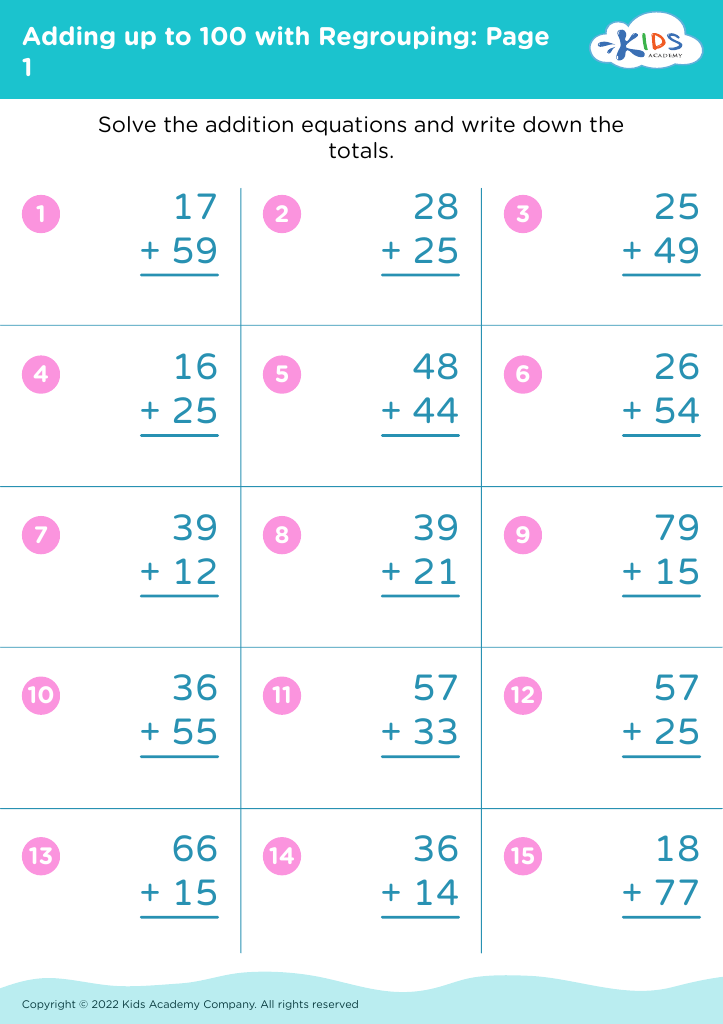
Boomerang Addition Worksheet
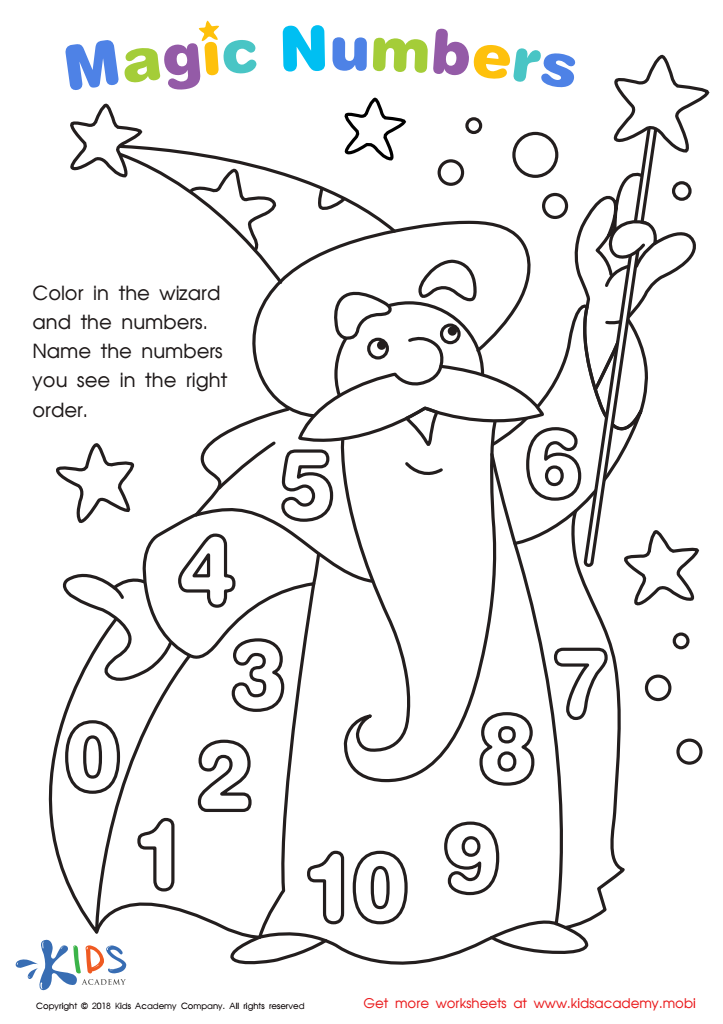
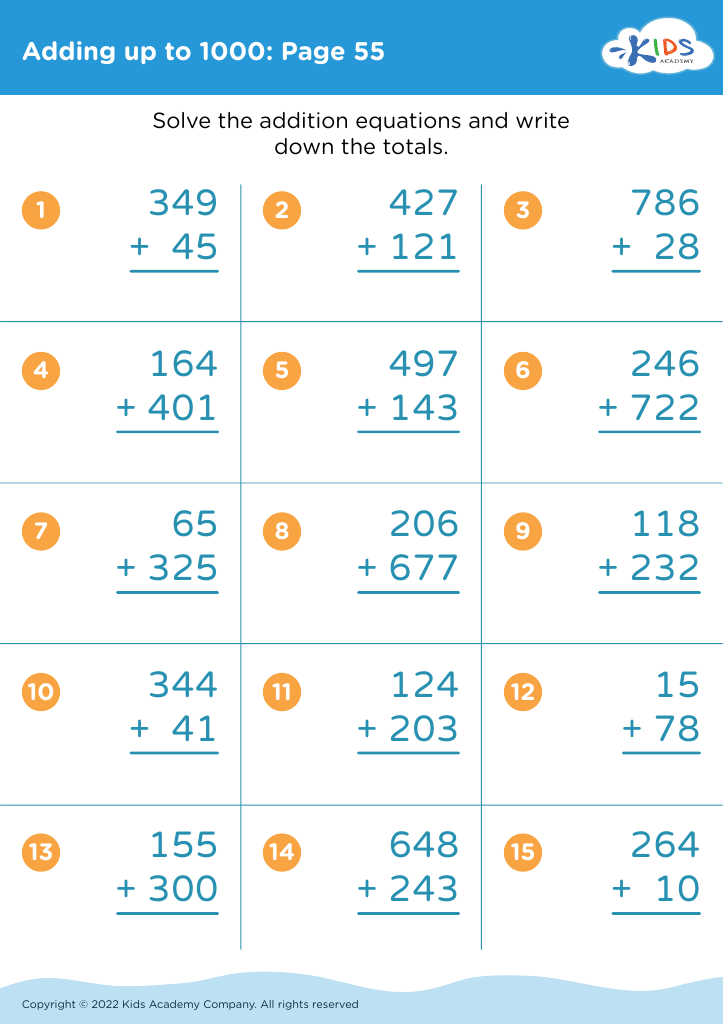
Magic Numbers Worksheet
 Assign to My Students
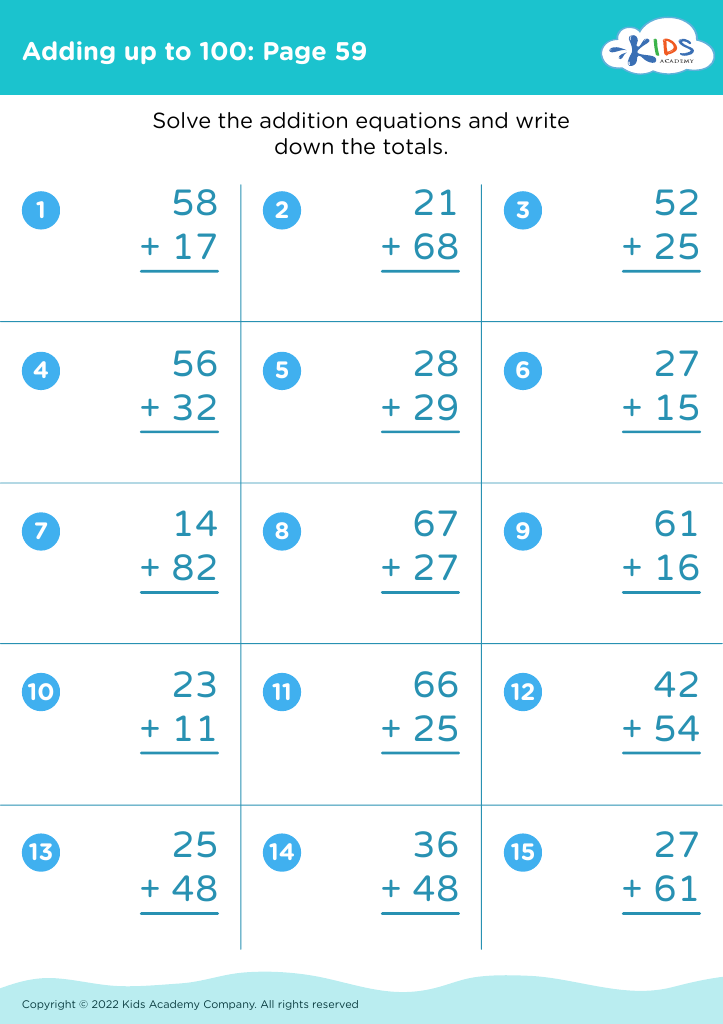
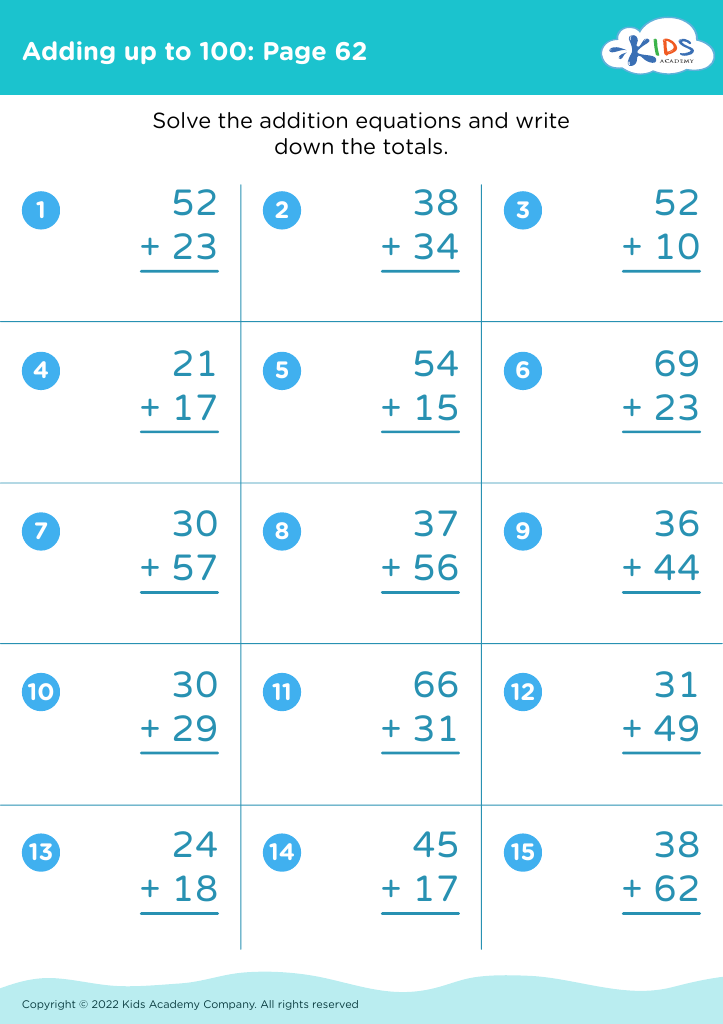
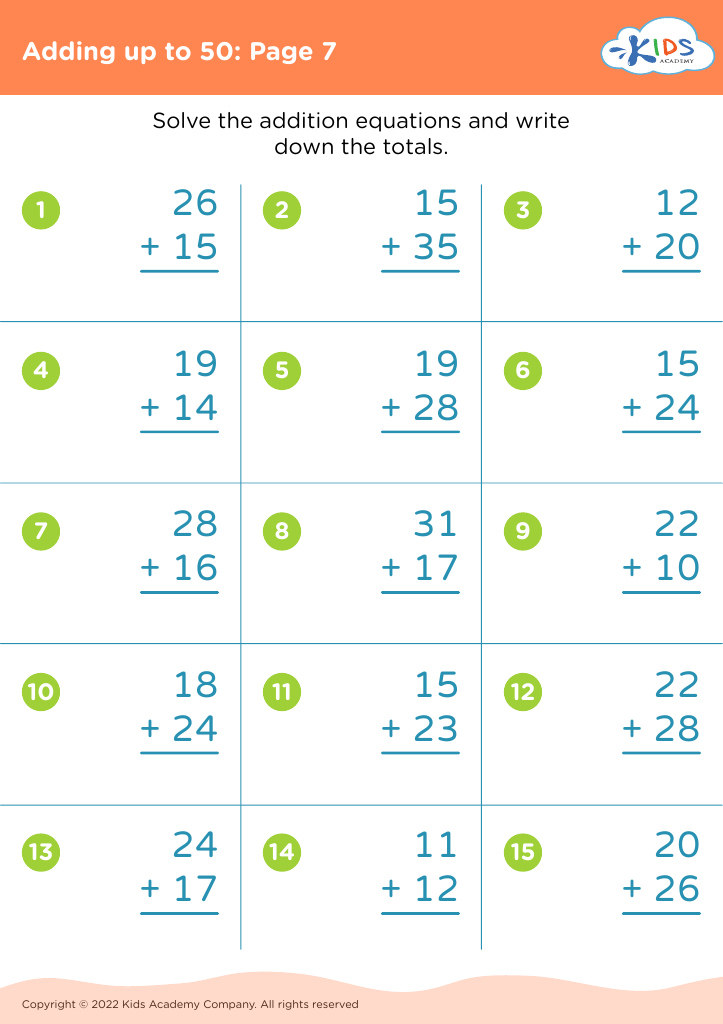
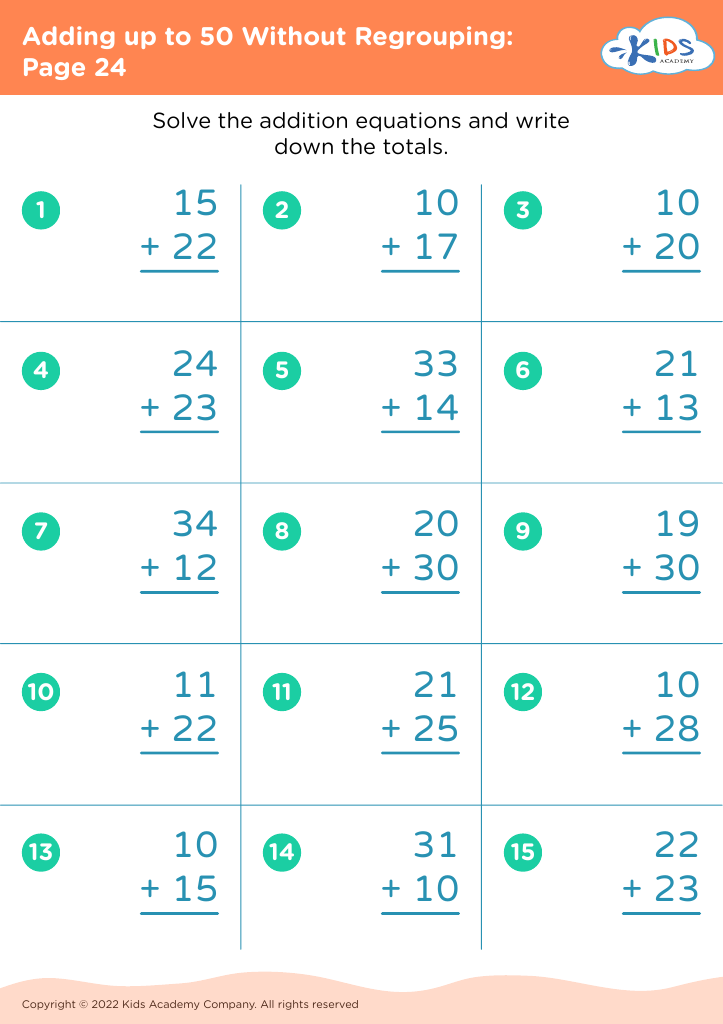
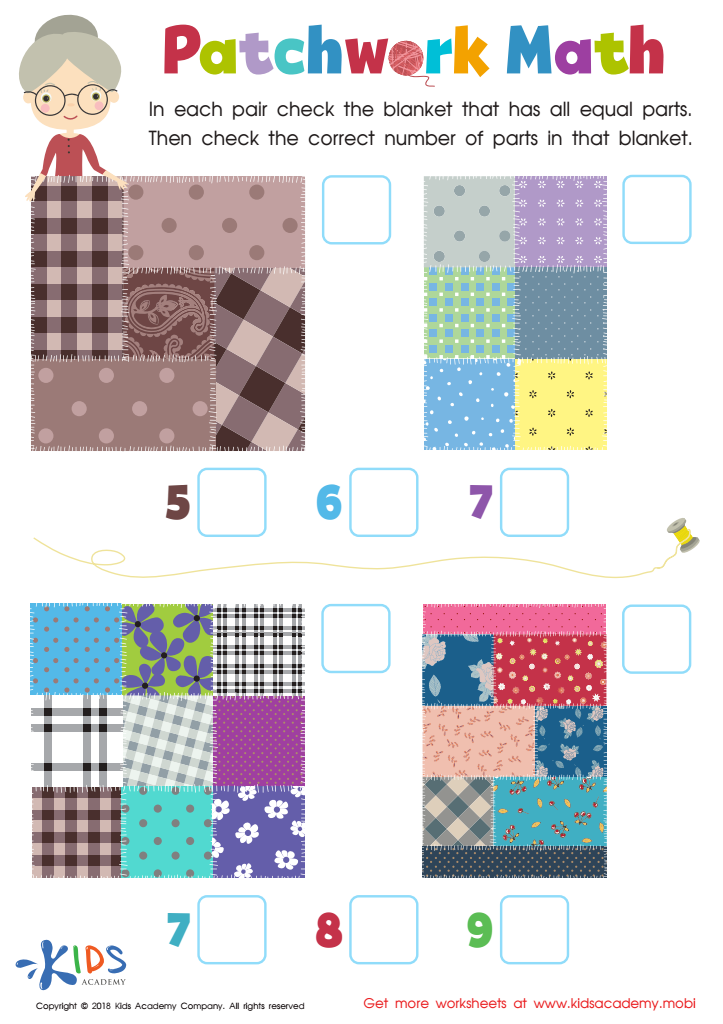
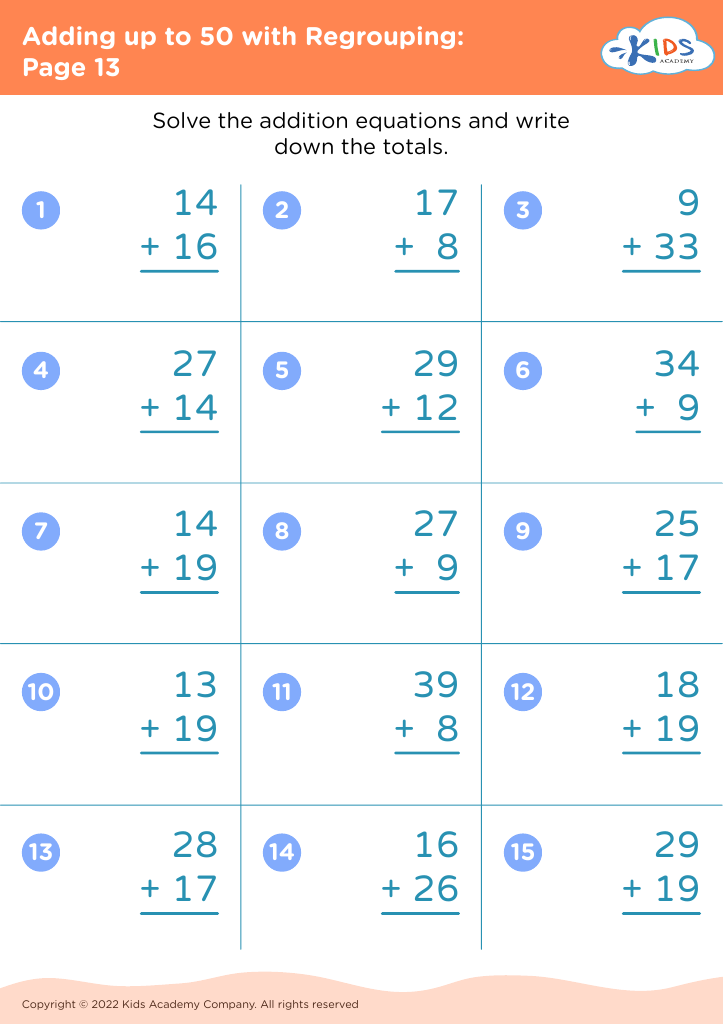
Patchwork Math Worksheet
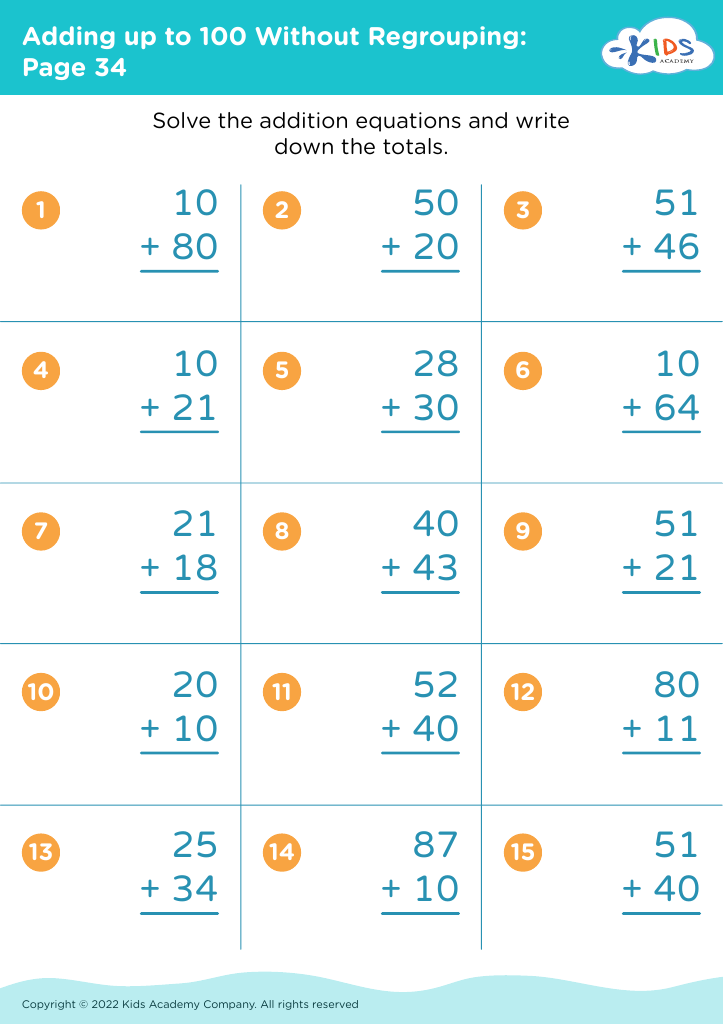
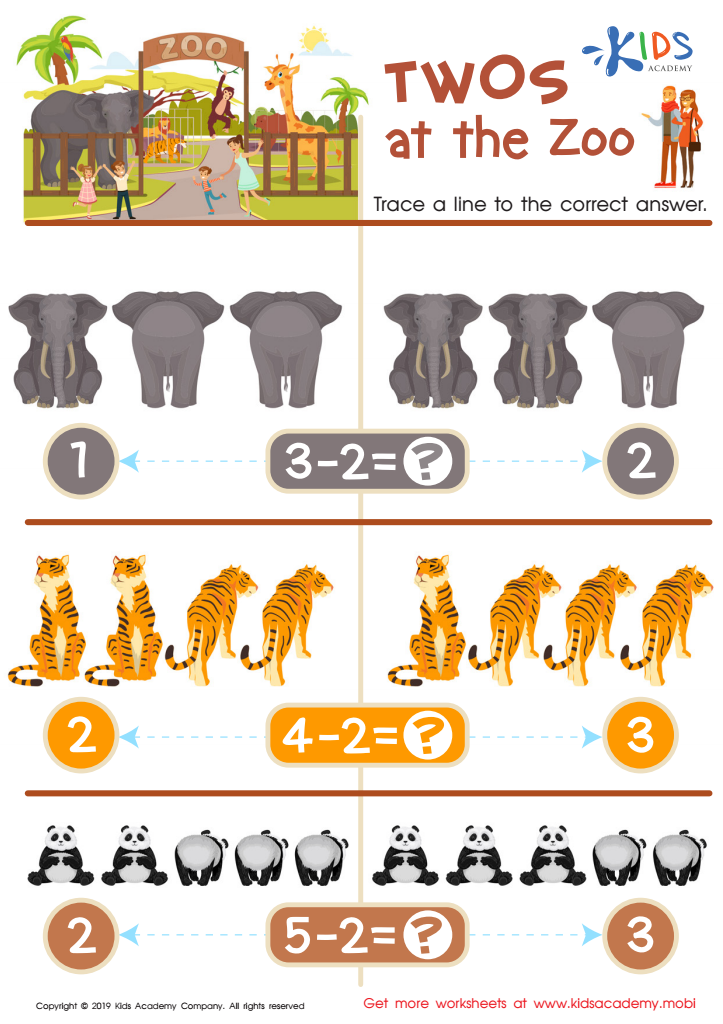
Twos at the Zoo Worksheet







Understanding patterns is a crucial foundational skill in early mathematics education for children aged 3-7. Parents and teachers should prioritize this concept because it lays the groundwork for more complex mathematical reasoning and problem-solving skills later in life. Recognizing and creating patterns helps children develop logical thinking and cognitive abilities, laying the basis for understanding more advanced concepts such as addition, subtraction, and even algebra.
Patterns are everywhere in our daily lives—whether in nature, art, music, or everyday routines. By engaging children in pattern recognition, parents and teachers can enhance their observational skills and encourage curiosity. This not only fosters an appreciation for math but also helps children to make connections across different subjects, supporting their overall learning.
Moreover, patterning activities promote critical thinking and creativity. Young children often learn best through play and hands-on experiences, and activities involving patterns can be both fun and educational. Involving parents and teachers in this process creates a collaborative learning environment, emphasizing the importance of teamwork in education. Overall, a strong grasp of understanding patterns in early years not only supports mathematical development but also nurtures essential life skills necessary for future academic and interpersonal success.








