Basic Math Skills Place Value Worksheets for Ages 3-7
5 filtered results
-
From - To
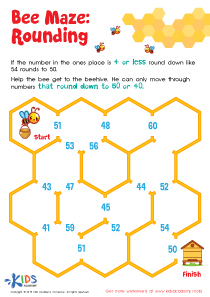
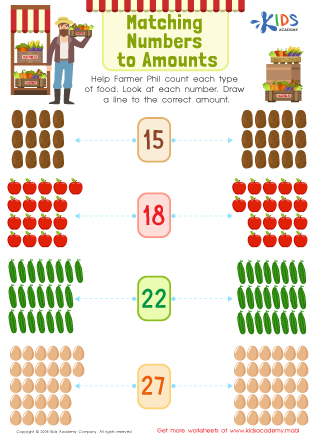
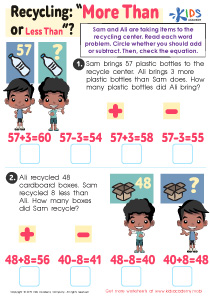
Discover our engaging Basic Math Skills Place Value Worksheets designed specifically for young learners aged 3-7. These worksheets make mastering the foundational concept of place value fun and accessible! Each resource is carefully crafted to enhance your child's understanding of how numbers are structured, helping them develop essential math skills. With vibrant illustrations and interactive activities, students will confidently explore tens, ones, and more. Ideal for both classroom and home settings, our worksheets provide a perfect blend of learning and play, ensuring that your little ones build a strong numerical foundation. Start your child's mathematical journey today!
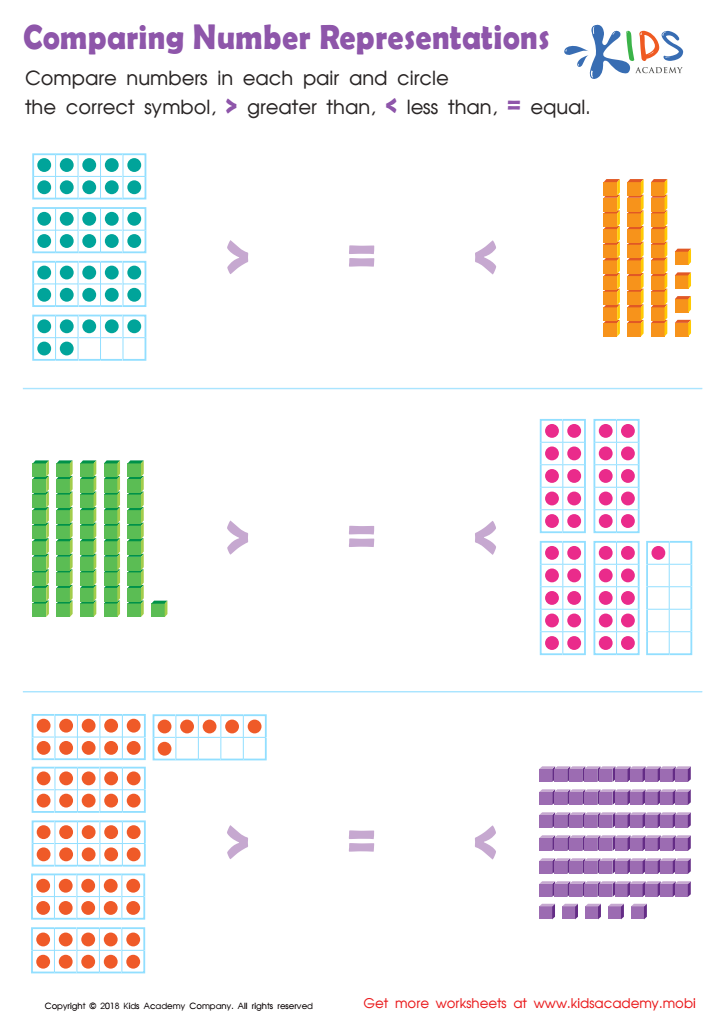
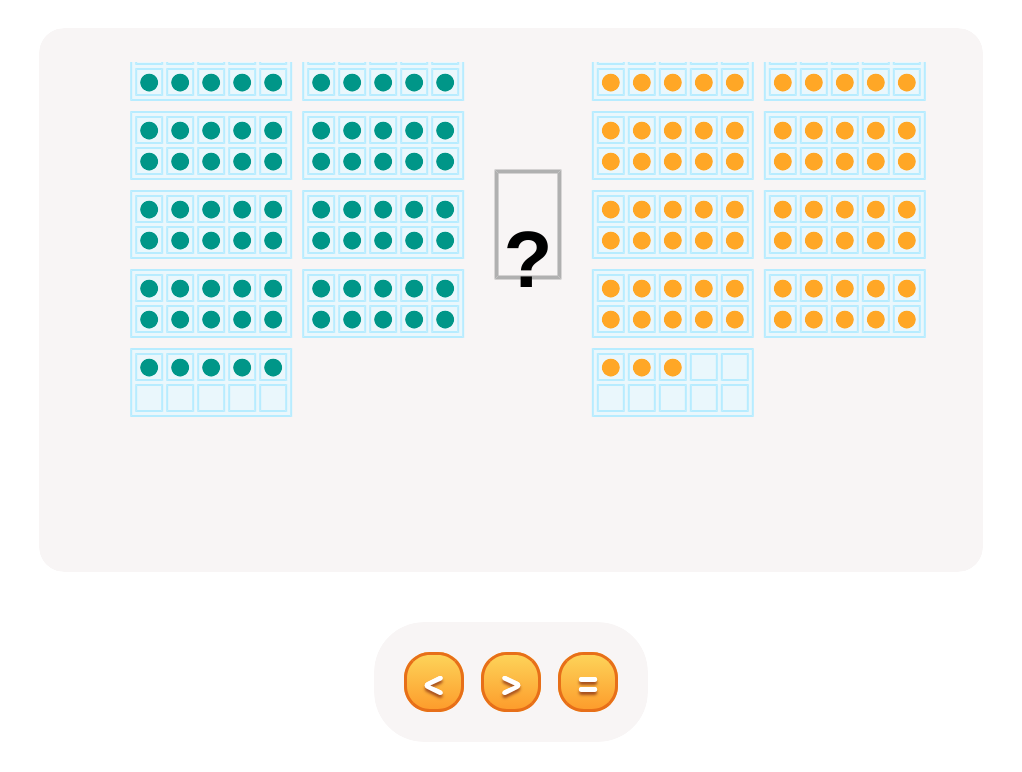
Comparing Number Representations Worksheet
 Assign to My Students
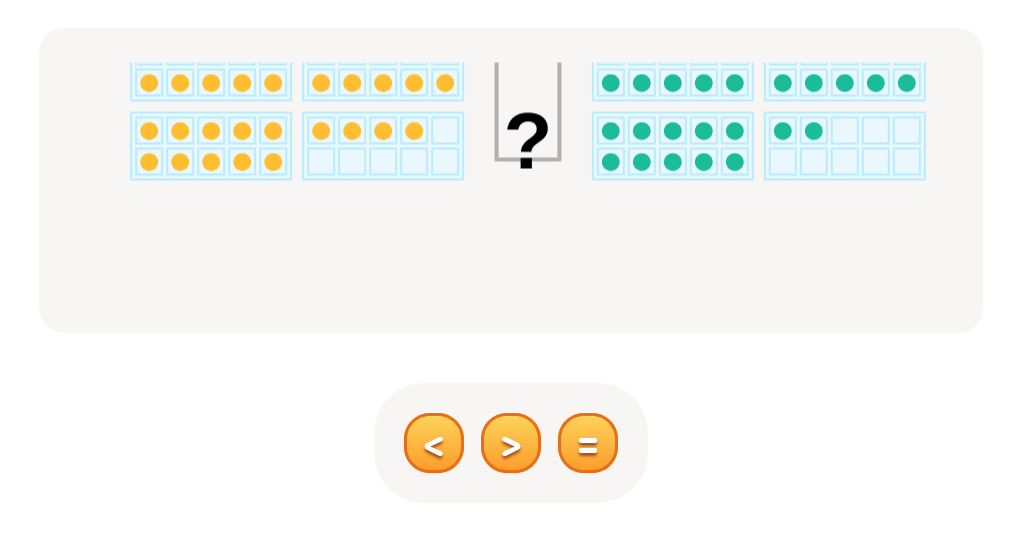

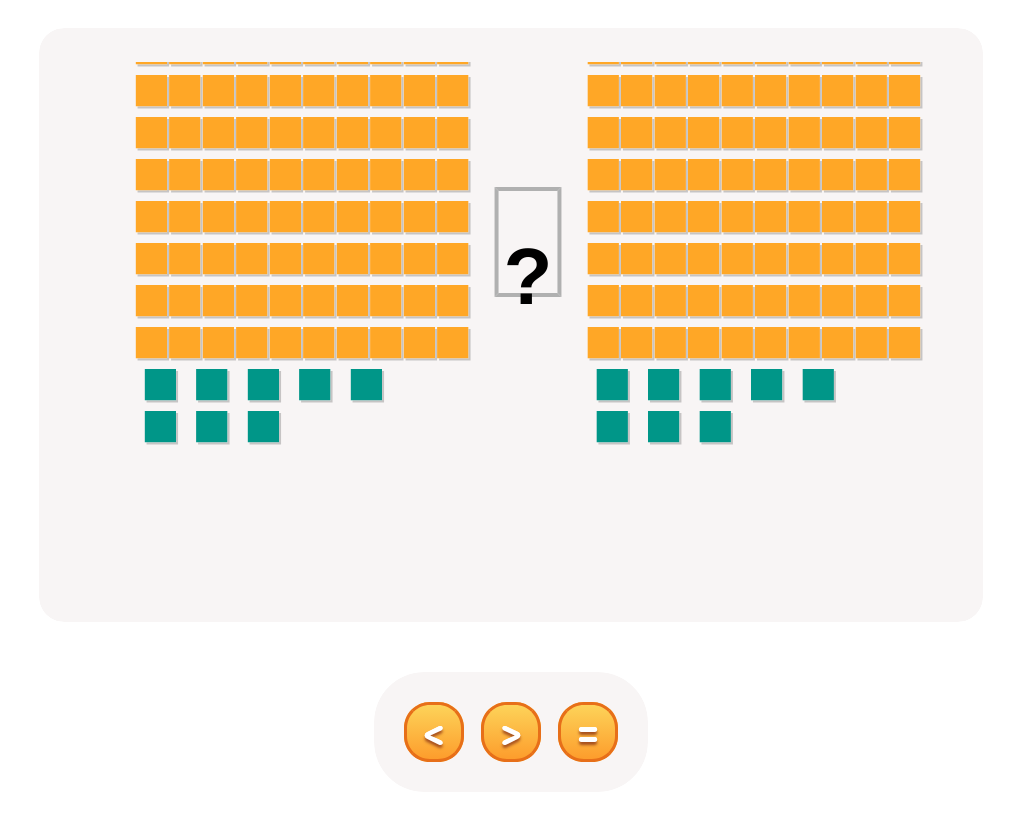
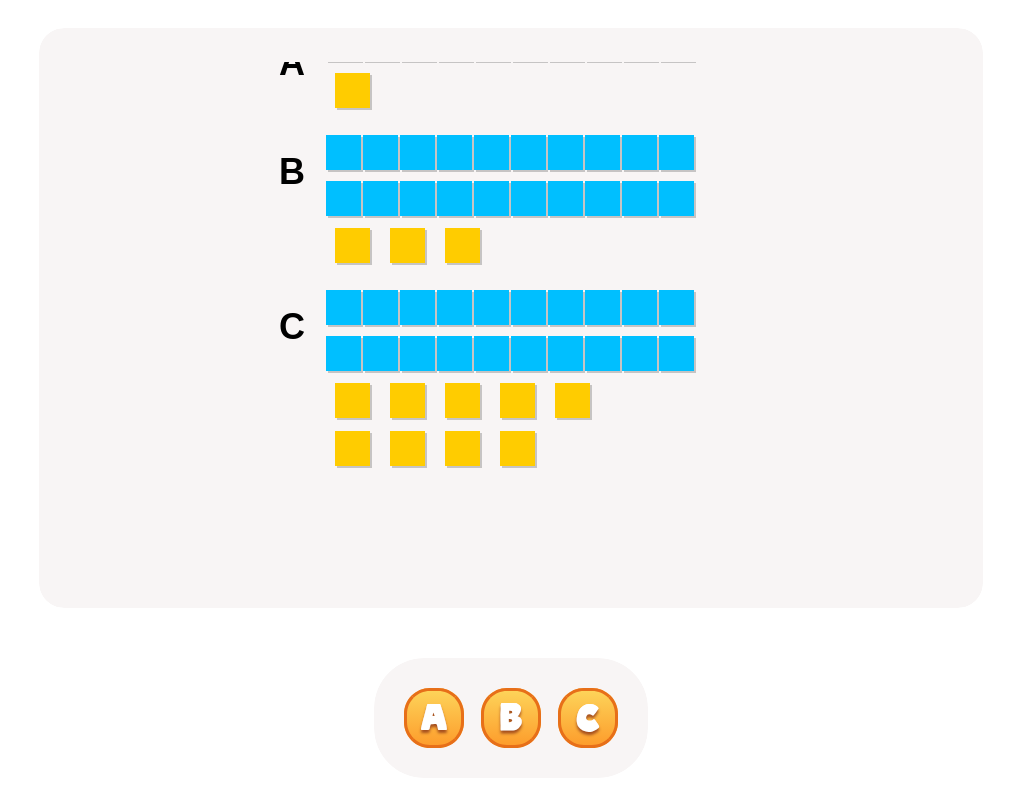
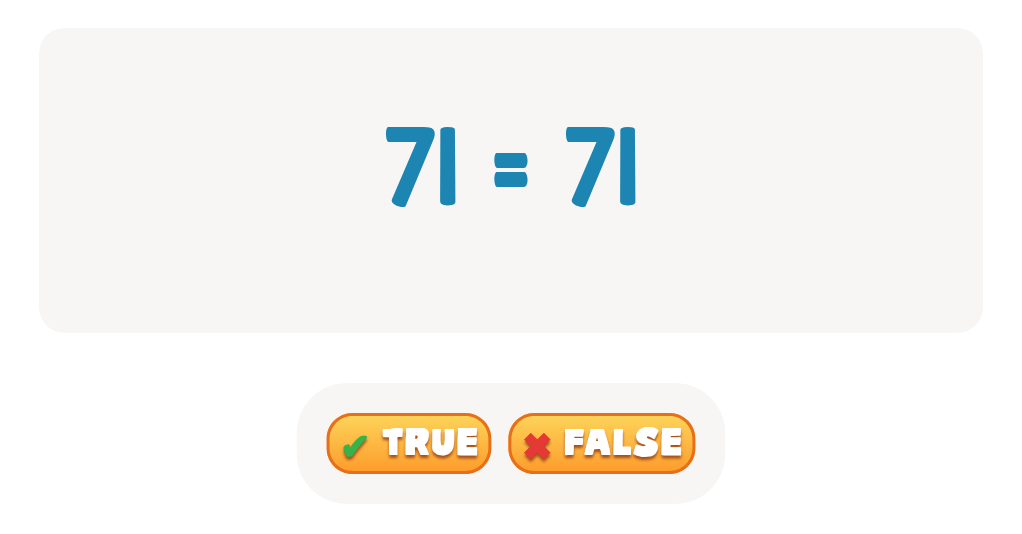
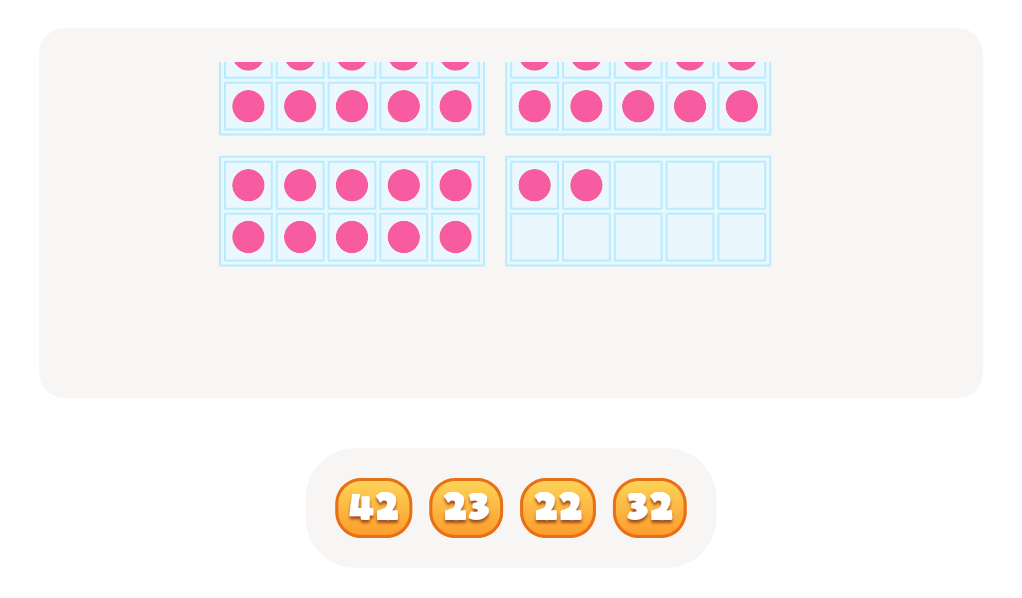
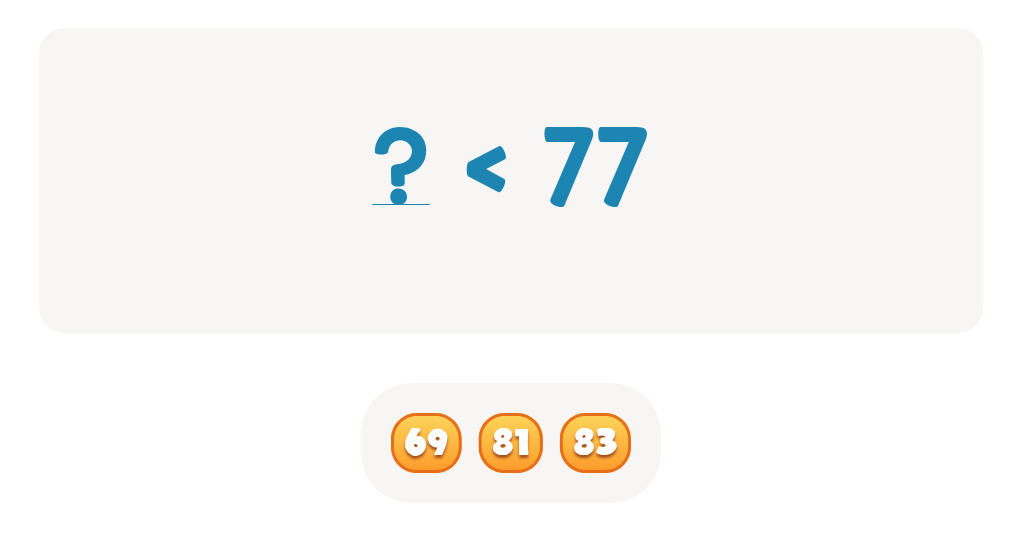
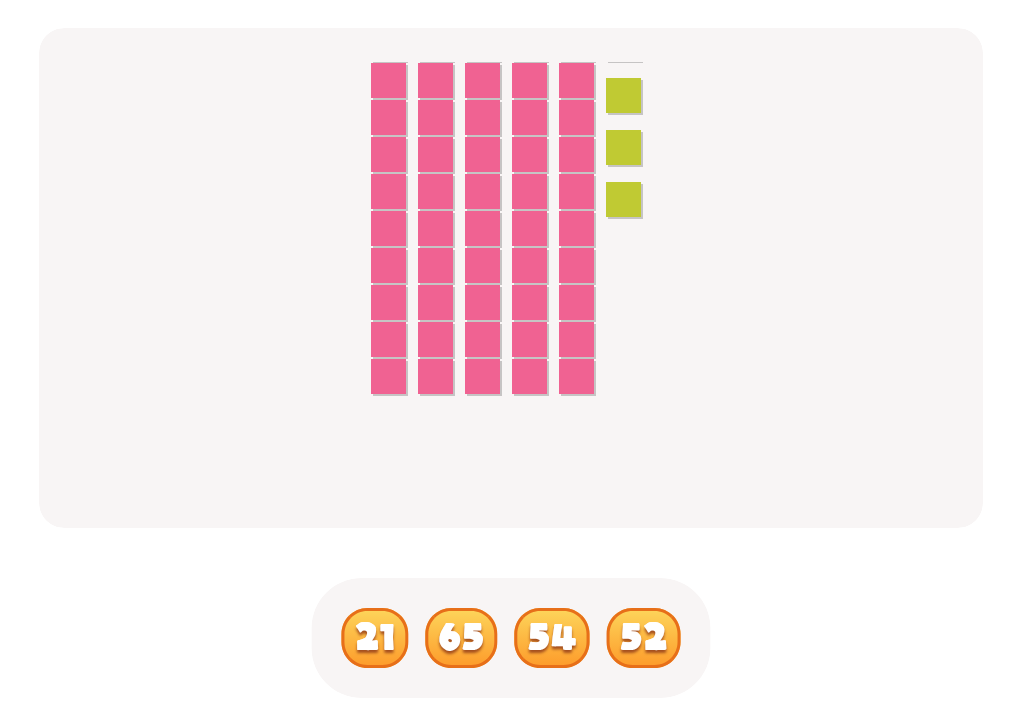
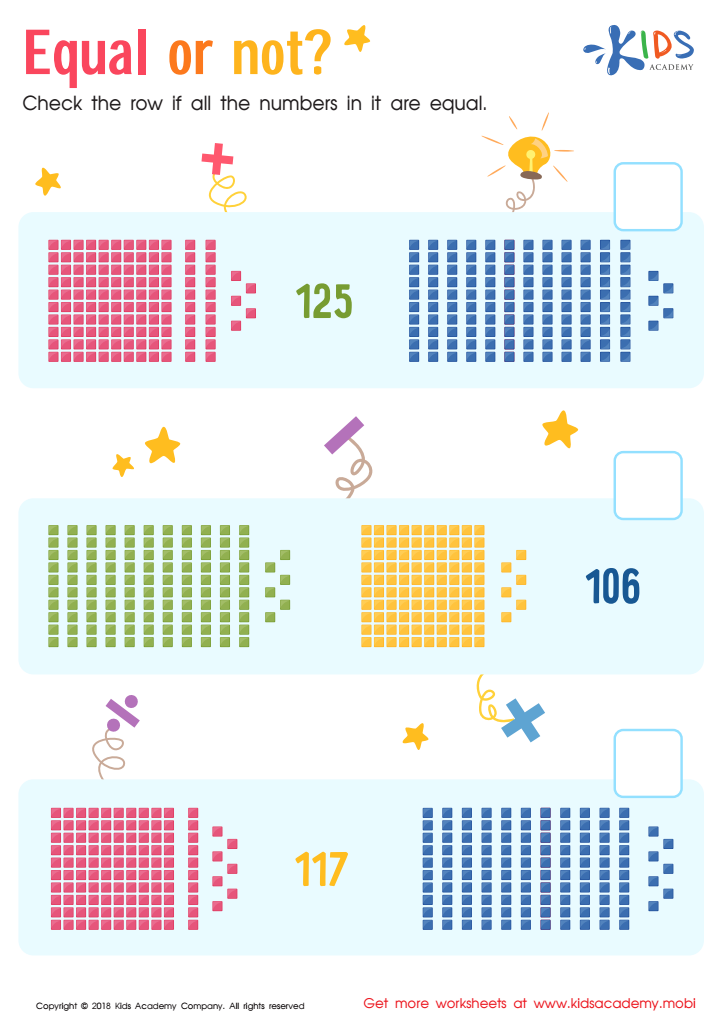
Equal or not Worksheet
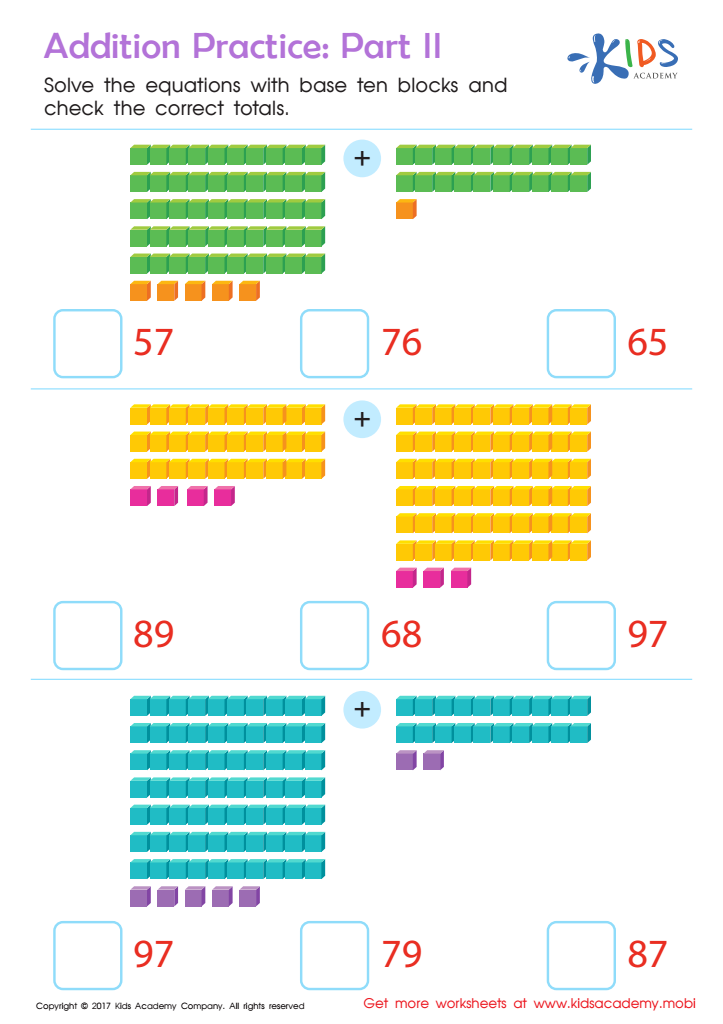
Addition Practice Sheet: Part 2
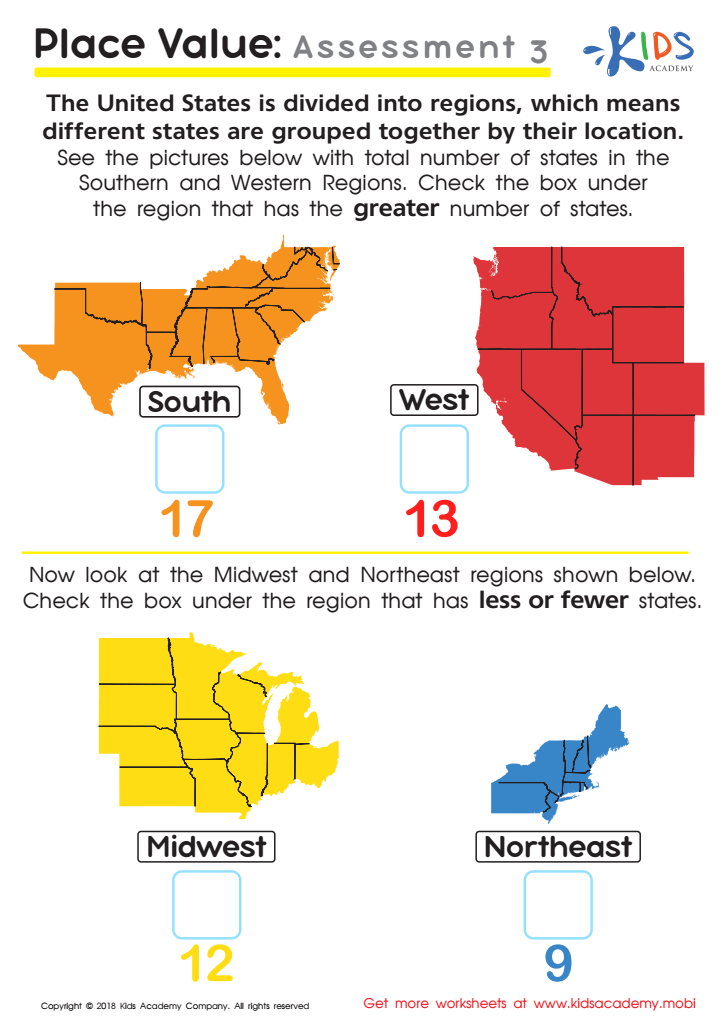
Place Value: Assessment 3 Worksheet
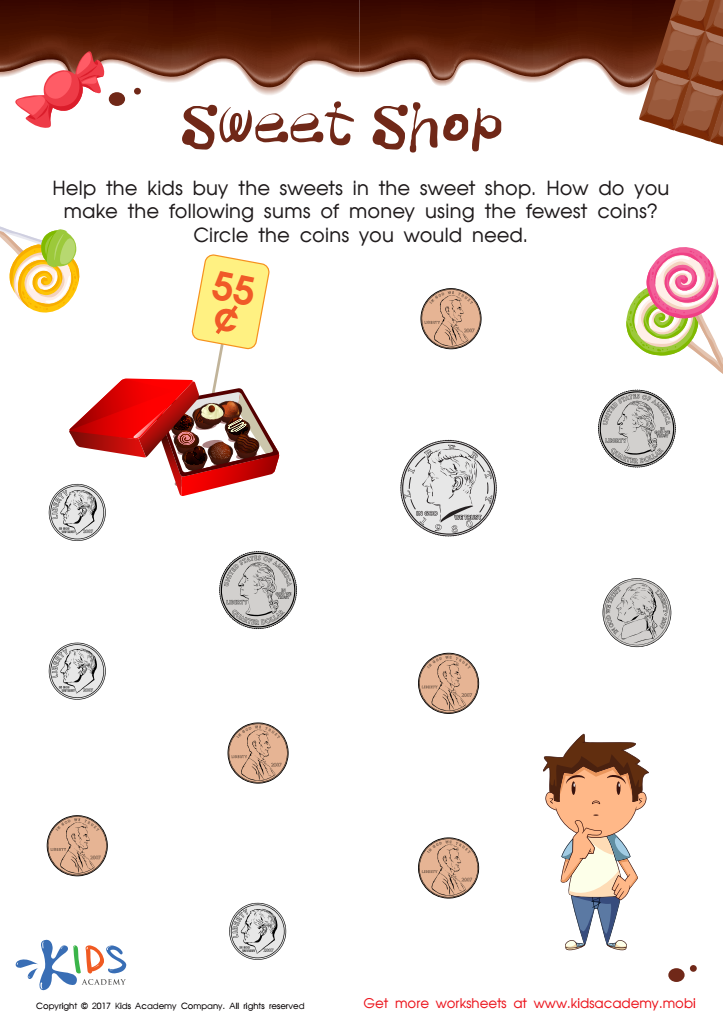
Sweet Shop – Counting Coins Worksheet








Understanding place value is essential for young learners as it serves as the foundation for future mathematical concepts. For children aged 3-7, this developmental stage is critical for shaping their numerical comprehension. Place value teaches them that the position of a digit determines its value, making basic operations like addition and subtraction more intuitive. Mastery of this concept helps children transition from simple counting to more complex arithmetic, ensuring they build a strong numerical sense.
Parents and teachers should care about place value because it significantly enhances cognitive development related to math. Early mastery of place value aids in problem-solving skills, bolsters critical thinking, and prepares children for advanced mathematics in later grades. Without a solid understanding of place value, children may struggle with more complex math concepts like multidigit addition or multiplication.
Furthermore, instilling a strong grasp of place value fosters confidence and a positive attitude towards math. When children see math as logical and manageable rather than daunting, their overall learning experience is improved. Engaging in fun, age-appropriate activities focused on place value can lay the groundwork for a love of math, making it a vital area of focus for parents and educators alike.