Improve reading comprehension Reading Non-Fiction Worksheets for Ages 3-7
5 filtered results
-
From - To
Boost your child's reading skills with our "Improve Reading Comprehension: Reading Non-Fiction Worksheets" designed for ages 3-7. Our expertly crafted worksheets engage young learners through fun, interactive texts that enhance understanding and recall. These resources are tailored to build critical thinking and comprehension abilities by exploring diverse non-fiction topics. Each worksheet includes activities like matching, labeling, and answering questions to deepen kids' connection with the material. Ideal for early readers, our worksheets make learning enjoyable while laying a strong foundation for academic success. Help your child excel with our enriching, easy-to-use reading comprehension tools!
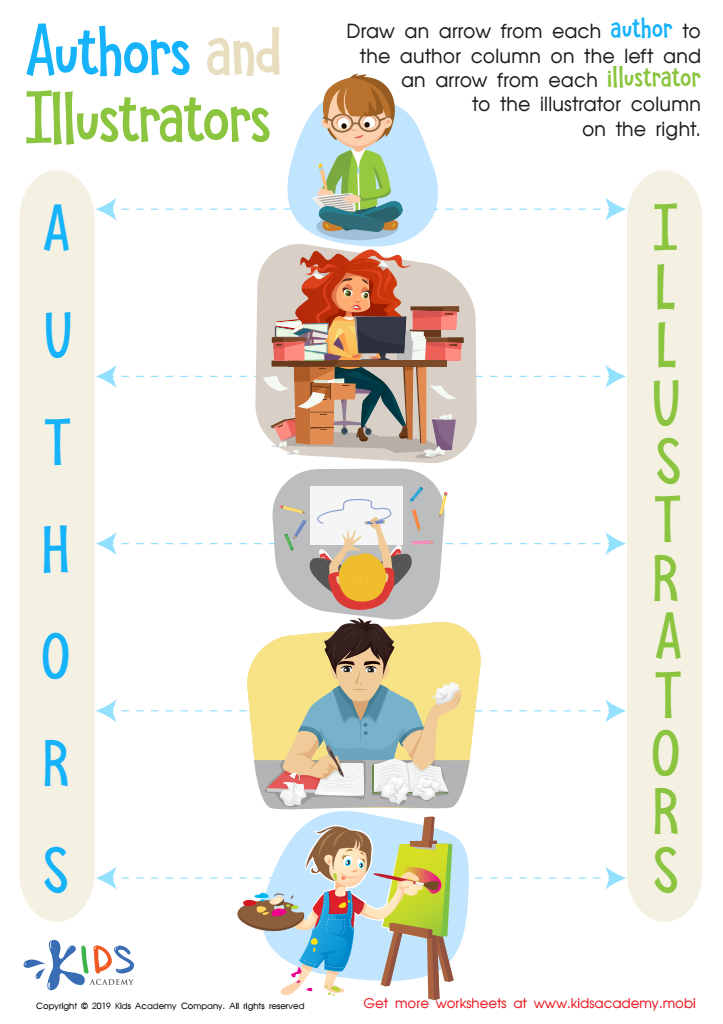
Authors and Illustrators Worksheet
 Assign to My Students
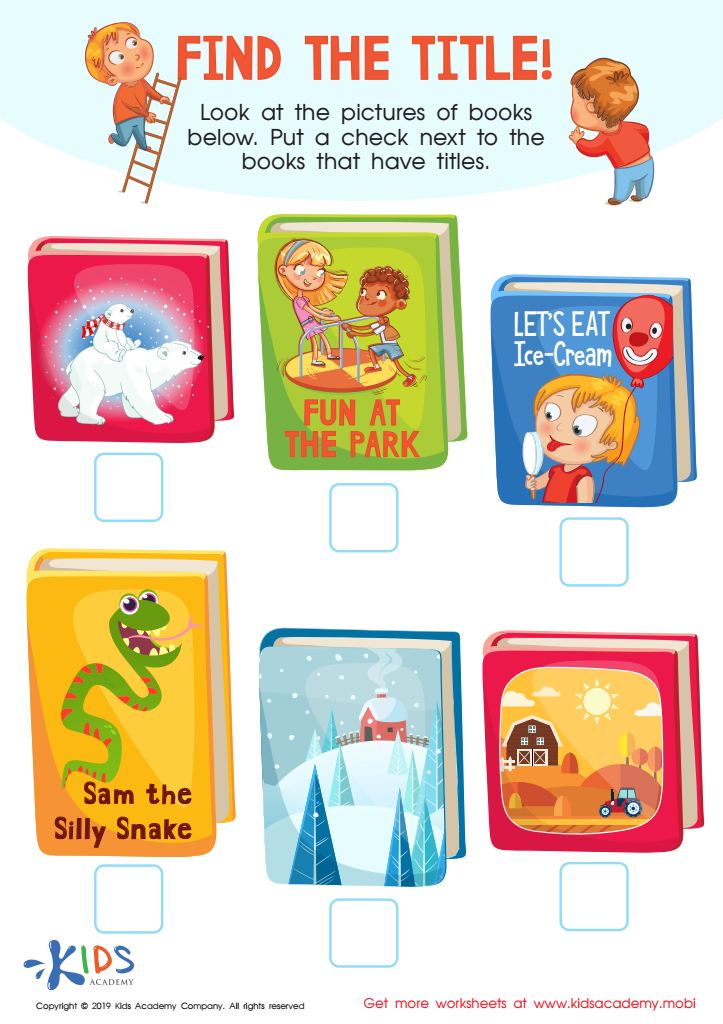
Find the Title Worksheet
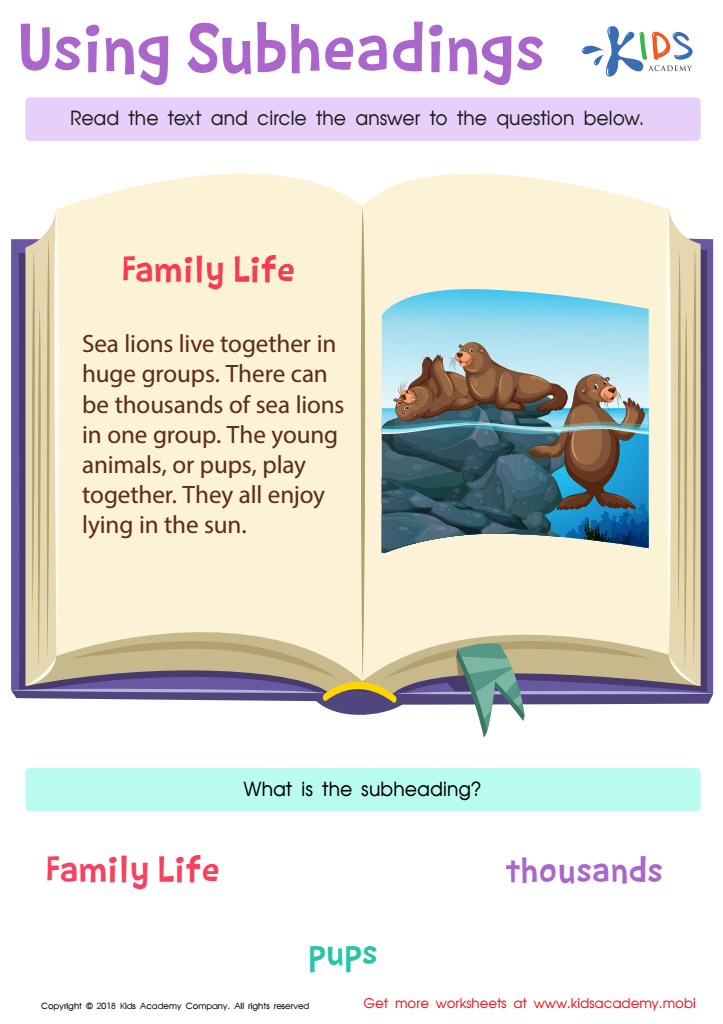
Using Subheadings Worksheet
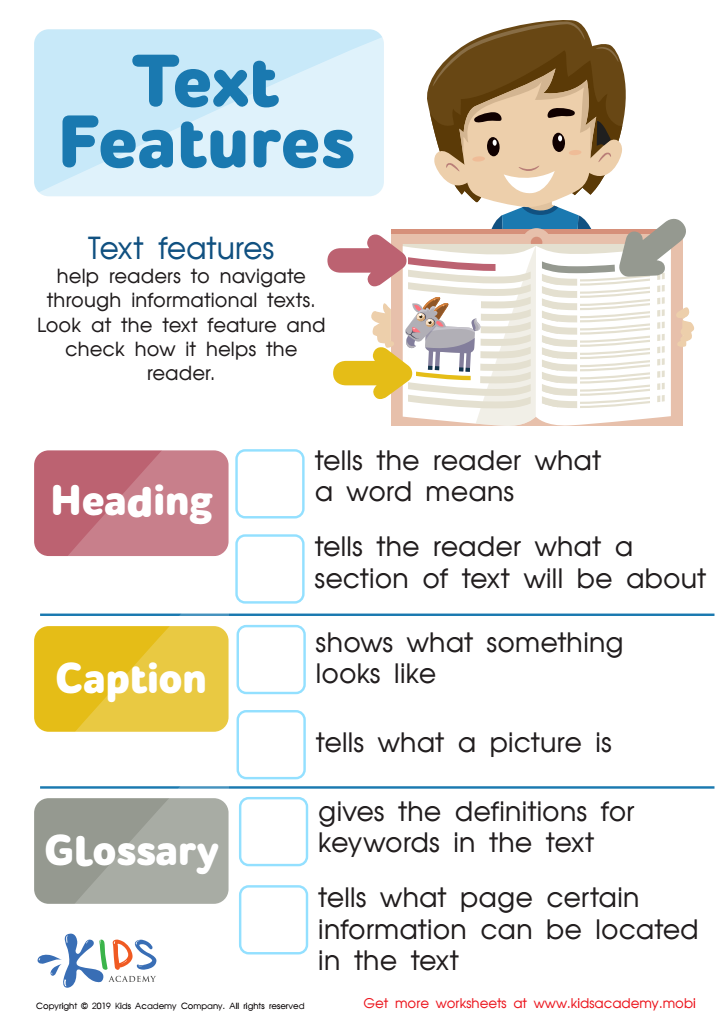
Text Features Worksheet
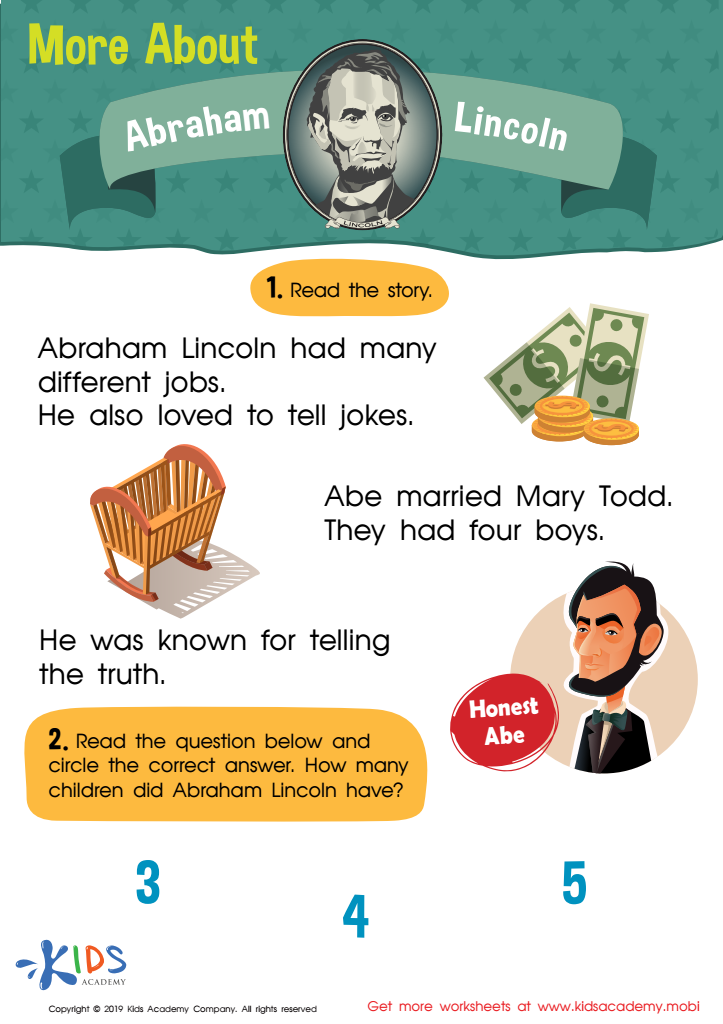
More About Abraham Lincoln Worksheet








Fostering reading comprehension in young children, especially through non-fiction texts, is essential for their cognitive and academic development. When children ages 3-7 are exposed to non-fiction, they are introduced to a world of factual information and diverse topics like animals, space, and everyday phenomena. This exposure ignites their curiosity and lays the groundwork for knowledge acquisition, which is crucial for their continued education.
Reading comprehension is not just about understanding words, but comprehending the essence of the text. Improved comprehension skills help children develop critical thinking and the ability to make connections between different pieces of information. Non-fiction texts are particularly effective for this as they often present complex ideas in a structured manner, thereby enhancing children's ability to process and analyze information systematically.
Additionally, early proficiency in reading comprehension sets the stage for future educational success across all subjects. Studies show that children with strong reading skills are more confident and perform better academically. Parents and teachers should consider the long-term benefits and invest in improving reading comprehension through engaging and age-appropriate non-fiction materials. This investment translates to better language skills, richer vocabularies, and a lifelong love of learning, giving children a solid foundation for their academic journey and beyond.








