Vocabulary development Reading Non-Fiction Worksheets for Ages 3-7
4 filtered results
-
From - To
Unlock the world of words with our Vocabulary Development Reading Non-Fiction Worksheets, designed for children aged 3-7! These engaging worksheets encourage early learners to explore non-fiction texts, enhancing their understanding of real-world concepts. Featuring interactive activities tailored to develop essential vocabulary skills, children will enjoy learning through fun illustrations and age-appropriate content. Each worksheet promotes critical thinking and comprehension, making it easy for young readers to connect with the material. Perfect for home or classroom use, our resources support a solid foundation in literacy and enrich children’s vocabulary to prepare them for future learning success. Start your child’s vocabulary journey today!
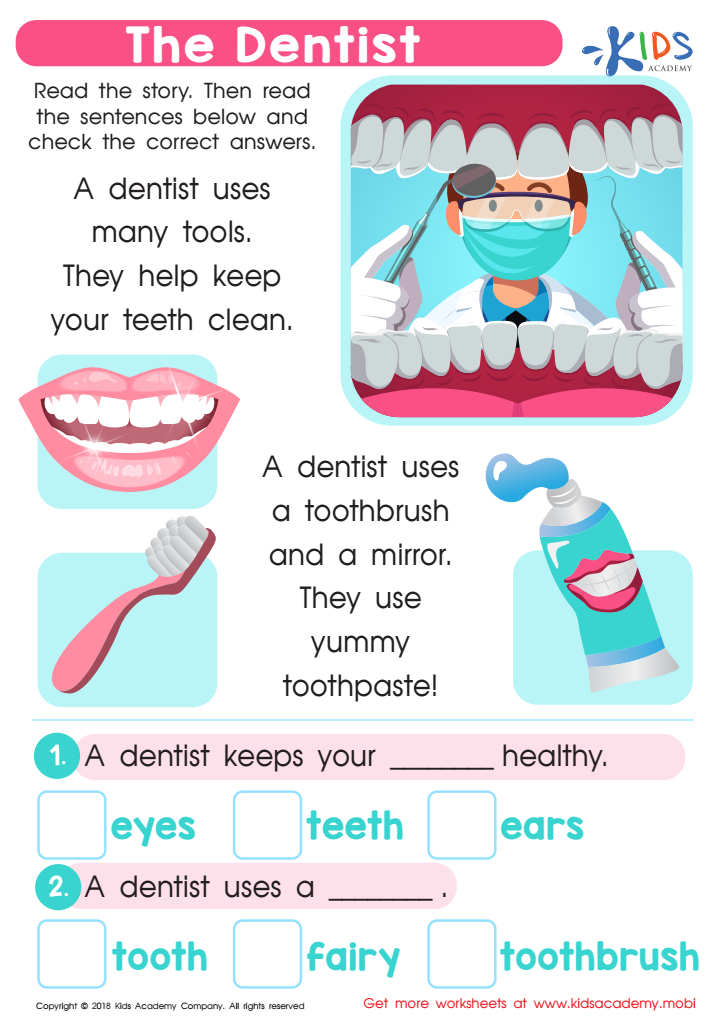
The Dentist Worksheet
 Assign to My Students
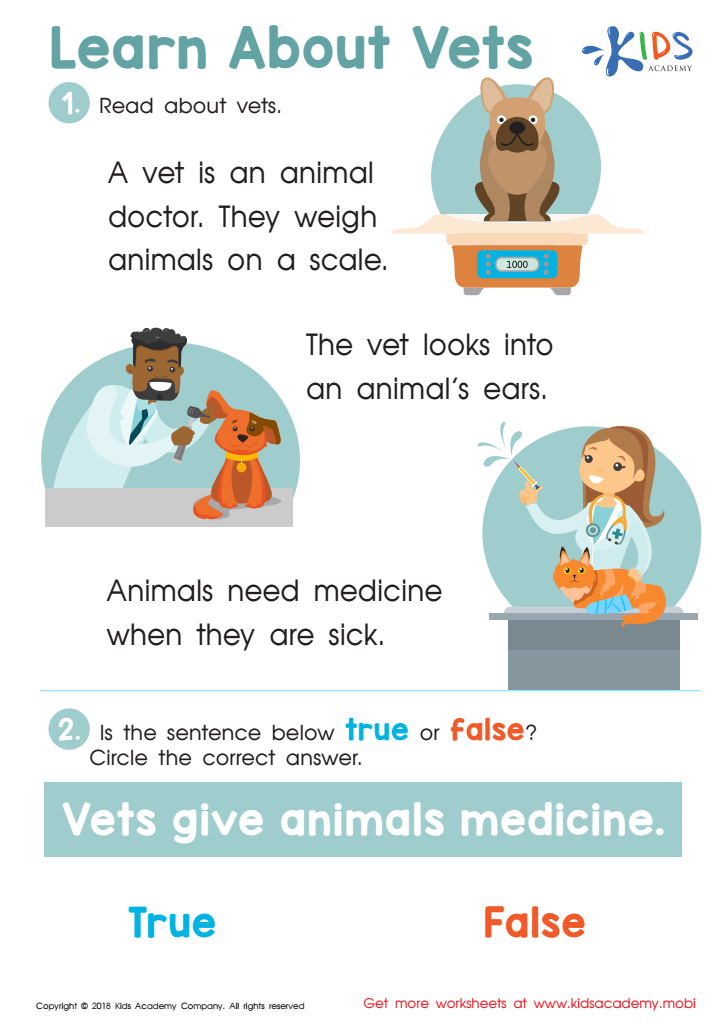
Learn About Vets Worksheet
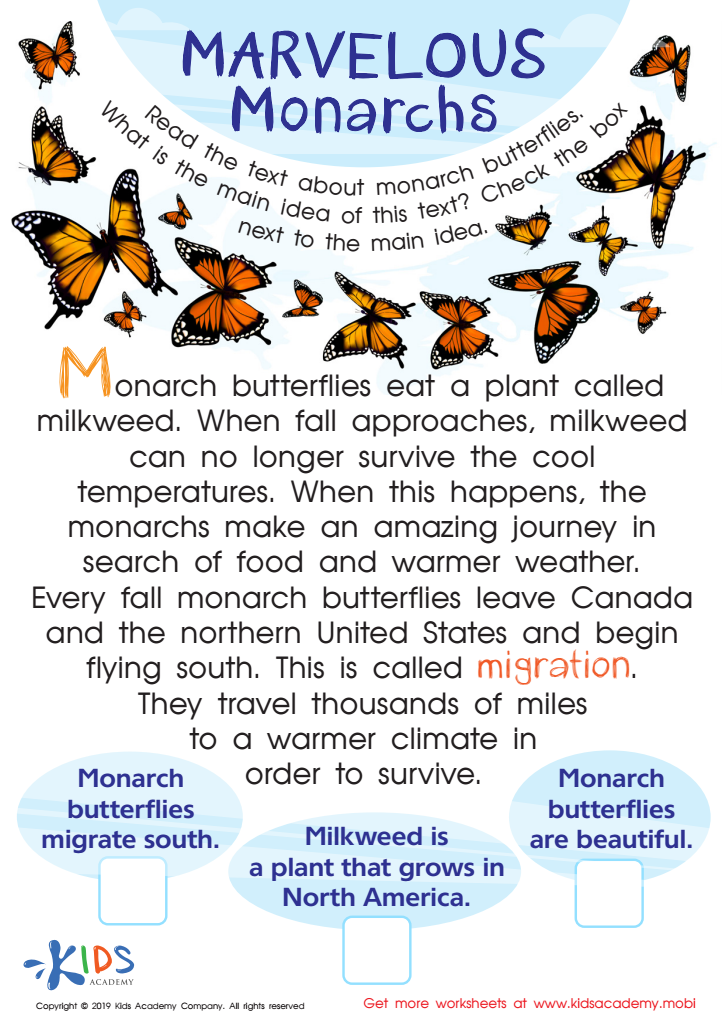
Marvelous Monarchs Worksheet
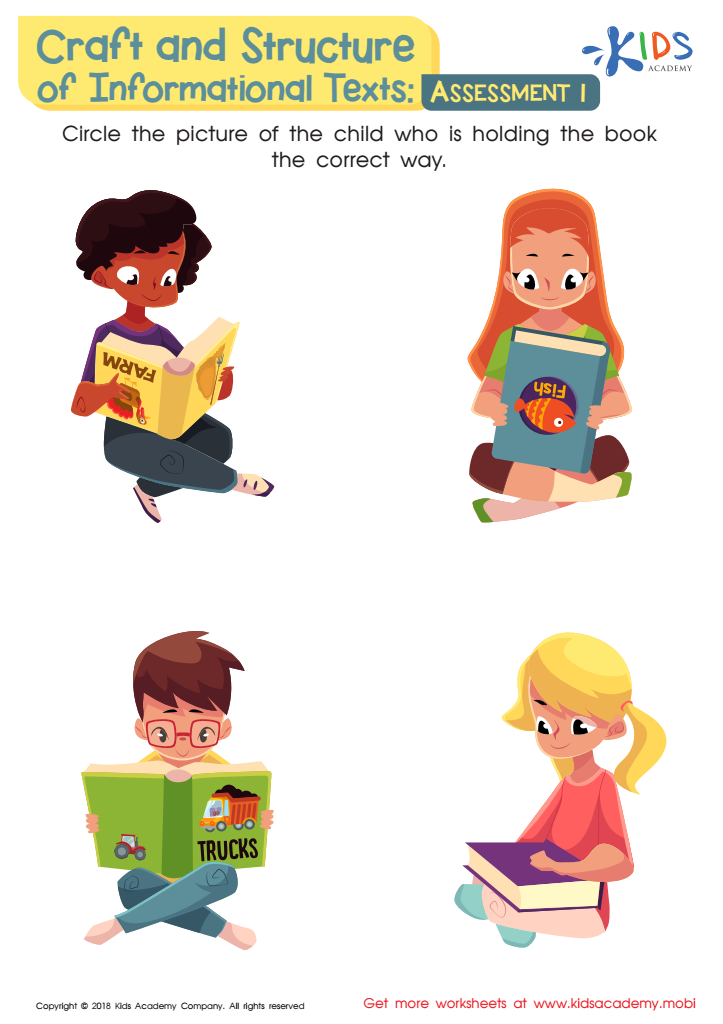
Craft and Structure of Informational Texts: Assessment 1 Worksheet








Vocabulary development is crucial for children aged 3-7, particularly when engaging with non-fiction texts. At this age, children are in a pivotal stage of cognitive and linguistic growth, where their exposure to varied vocabulary significantly shapes their communication skills and understanding of the world.
Reading non-fiction introduces children to real-life concepts, factual information, and diverse vocabulary that enrich their language development. This genre often includes terms related to science, history, geography, and everyday life, which enhances their comprehension and ability to express ideas clearly. The more words a child knows, the better they can understand the world around them, engage in conversations, and articulate their thoughts.
Moreover, developing vocabulary through non-fiction helps foster critical thinking. As children encounter new ideas, they learn to ask questions, make connections, and form opinions about topics that interest them. This not only boosts their cognitive skills but also inspires a lifelong love of learning.
Finally, establishing a strong vocabulary foundation early helps bridge the gap to later academic success. Parents and teachers play a vital role in this process by selecting engaging non-fiction content and encouraging discussions, making academic language more accessible and engaging for young learners.








