Vocabulary expansion Reading Non-Fiction Worksheets for Ages 3-7
9 filtered results
-
From - To
Enhance your child's vocabulary with our engaging Vocabulary Expansion Reading Non-Fiction Worksheets, tailored for ages 3-7. These carefully designed worksheets focus on developing young readers' language skills through interactive and educational non-fiction content. Each worksheet introduces new words in a fun, context-rich way, fostering curiosity and a love for learning. Ideal for early learners, our resources help boost comprehension and language development, setting a strong foundation for future learning. Perfect for parents and educators, these worksheets make learning both enjoyable and effective. Explore a world of words with our vibrant, expertly-crafted materials!
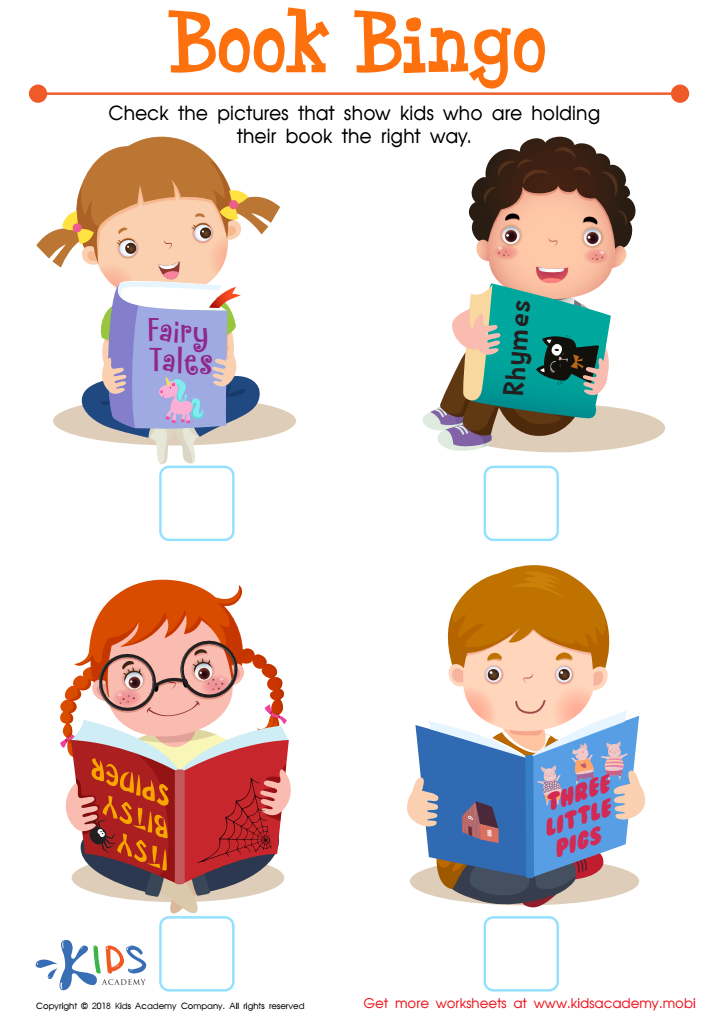
Book Bingo Worksheet
 Assign to My Students
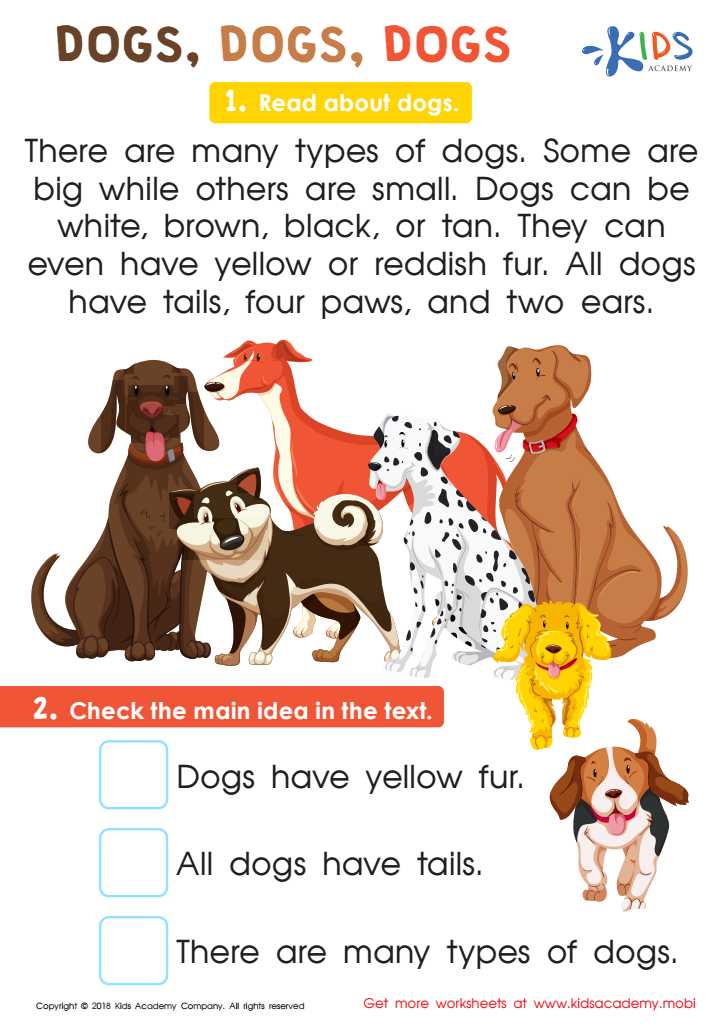
Dogs, Dogs Worksheet
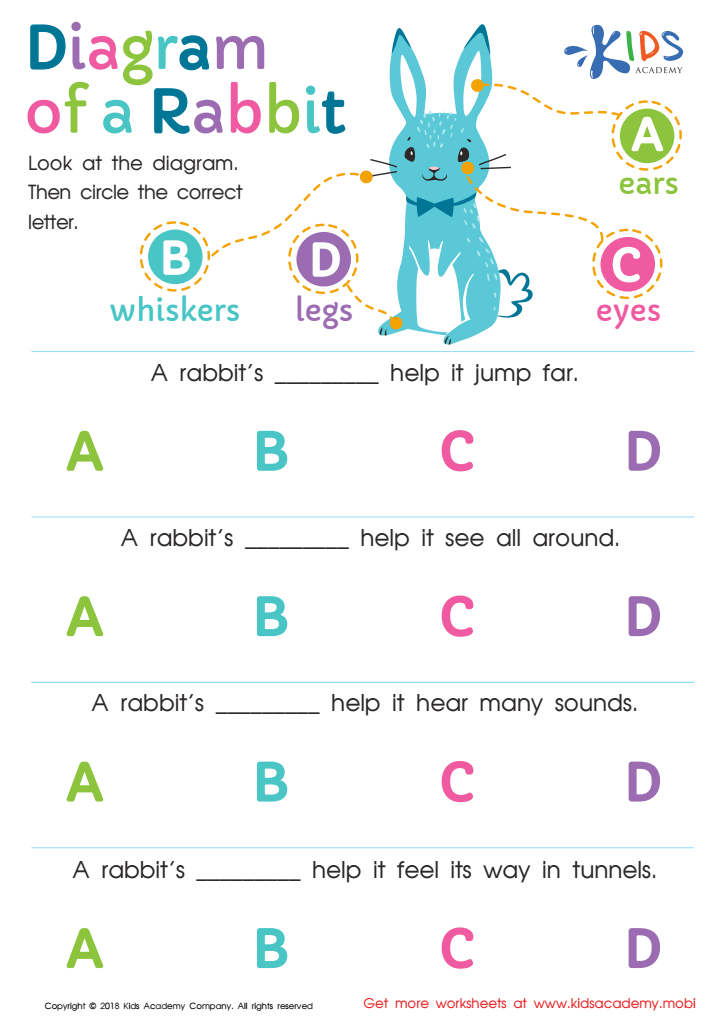
Diagram of a Rabbit Worksheet
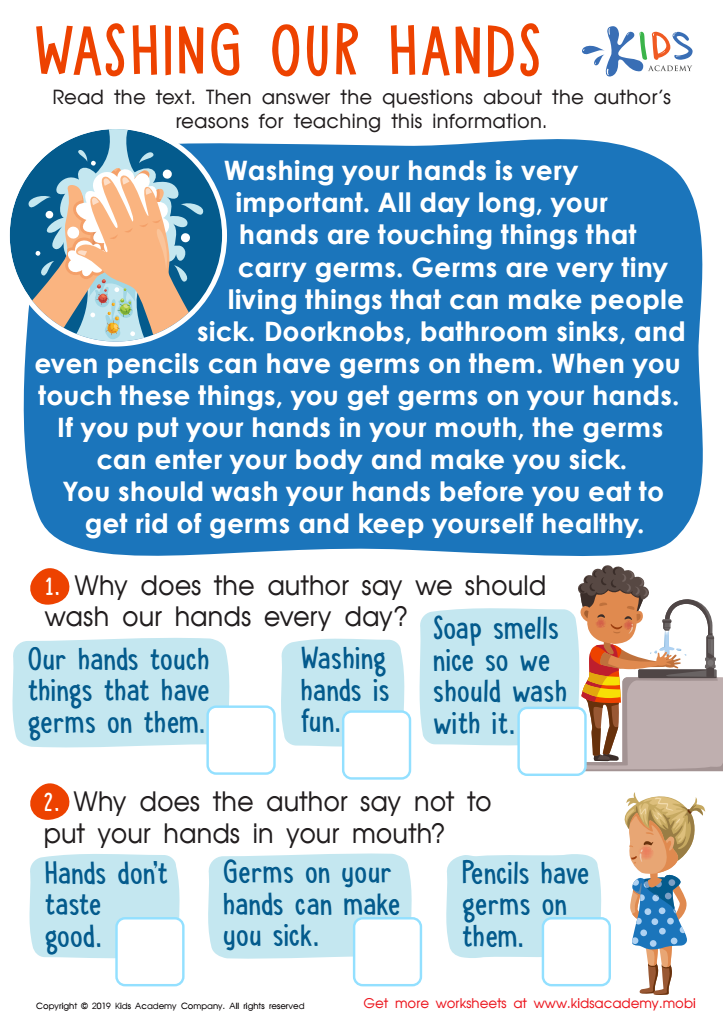
Washing Our Hands Worksheet
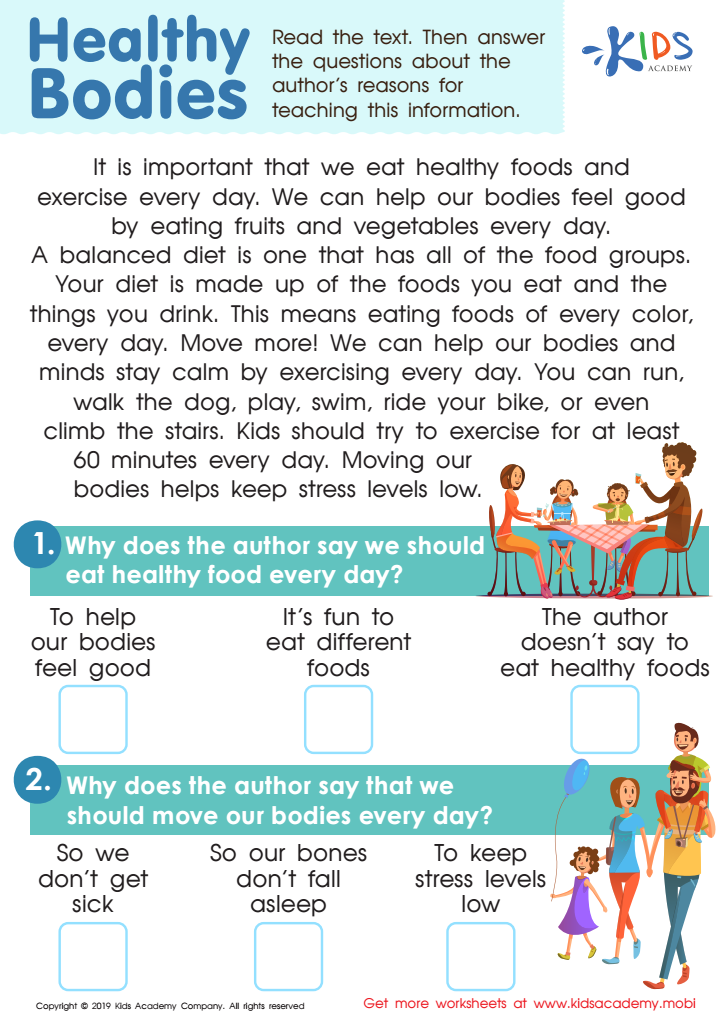
Healthy Bodies Worksheet
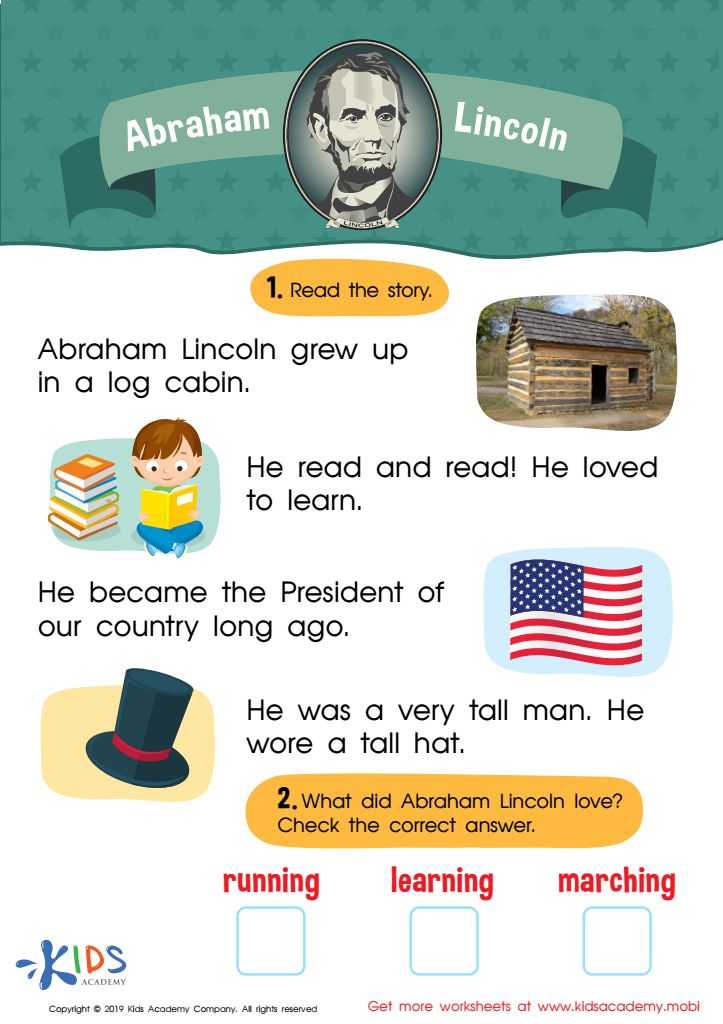
Abraham Lincoln Worksheet
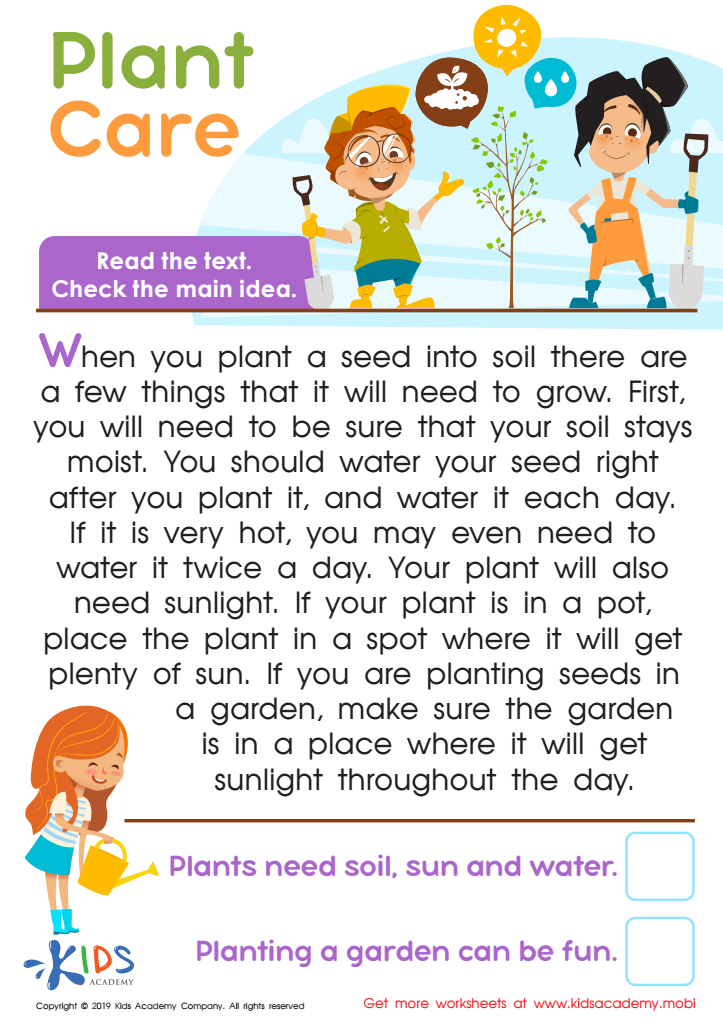
Plant Care Worksheet
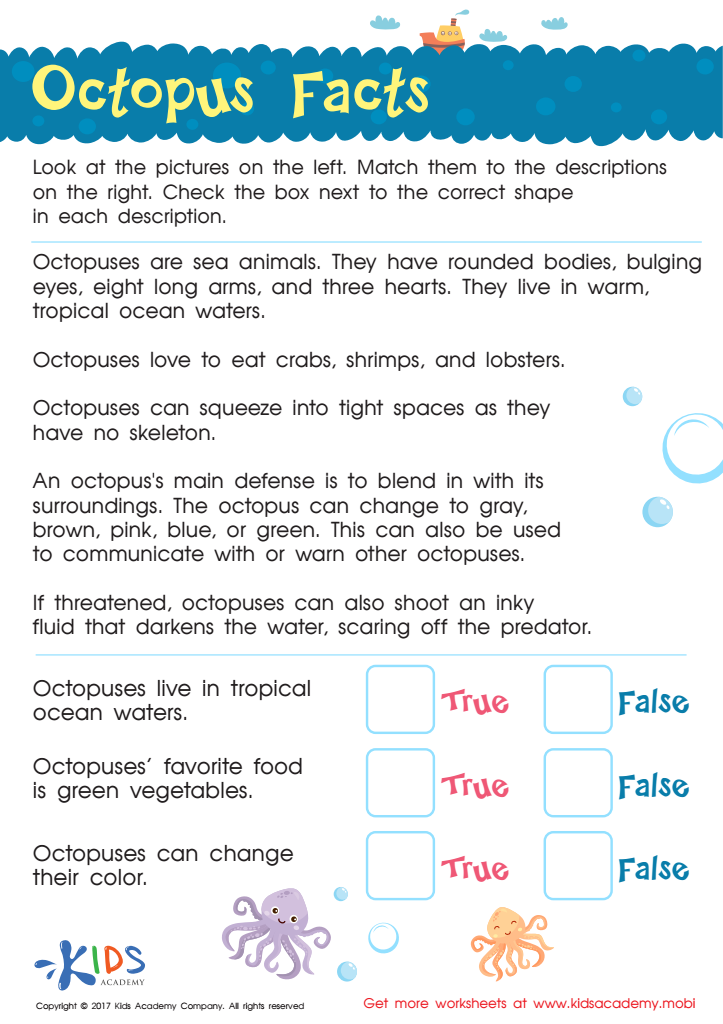
Octopus Facts Worksheet For Kids
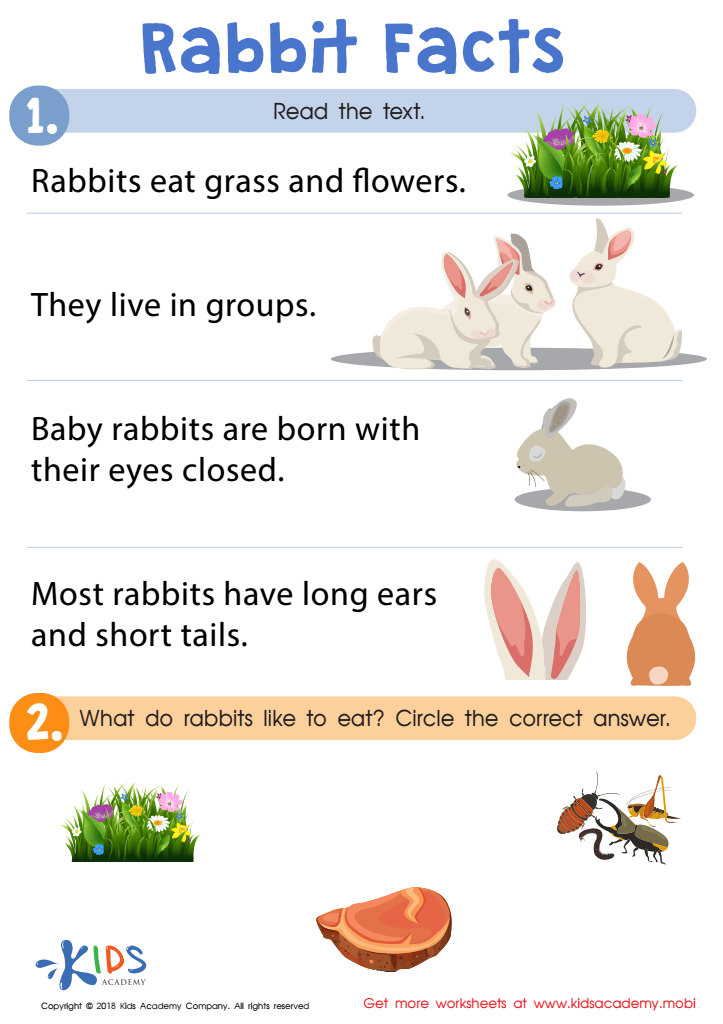
Rabbit Facts Worksheet








Vocabulary expansion through reading non-fiction is critically important for children aged 3-7, as it lays a foundational bedrock for their overall language development. At such an impressionable age, children's brains are highly receptive to new information and exposure to a broad array of words and concepts. Introducing non-fiction texts assists in nurturing curiosity about the world, whether it's animals, weather, or simple scientific phenomena, fostering cognitive development and critical thinking.
Parents and teachers should take note that children with a rich vocabulary tend to have enhanced comprehension skills. When young readers are familiar with more words, they can better understand stories and instructions, enhancing both their reading and learning experiences. These skills are directly linked to academic success in later years since proficient reading comprehension is a cornerstone of all learning.
Additionally, non-fiction exposes children to different text structures and genres, broadening their understanding of how information can be presented and enabling them to identify facts versus opinions. This exposure can spark conversations, discussions, and a genuine love for learning, making the process interactive and engaging. In summary, prioritizing non-fiction reading and vocabulary expansion for young learners cultivates linguistic skills, curiosity, comprehension abilities, and a robust academic foundation, preparing them for future educational endeavors.








