Numerical problem solving Sight Words Worksheets for Ages 3-7
3 filtered results
-
From - To
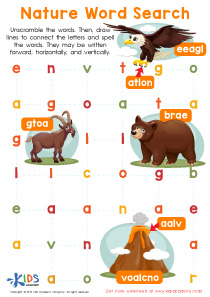
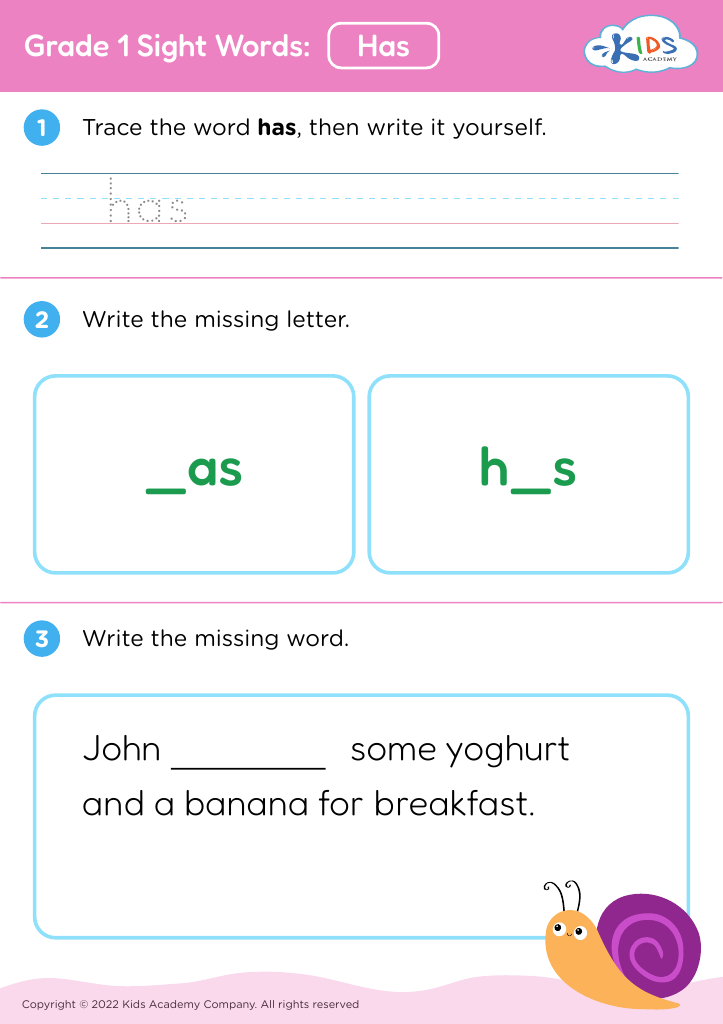
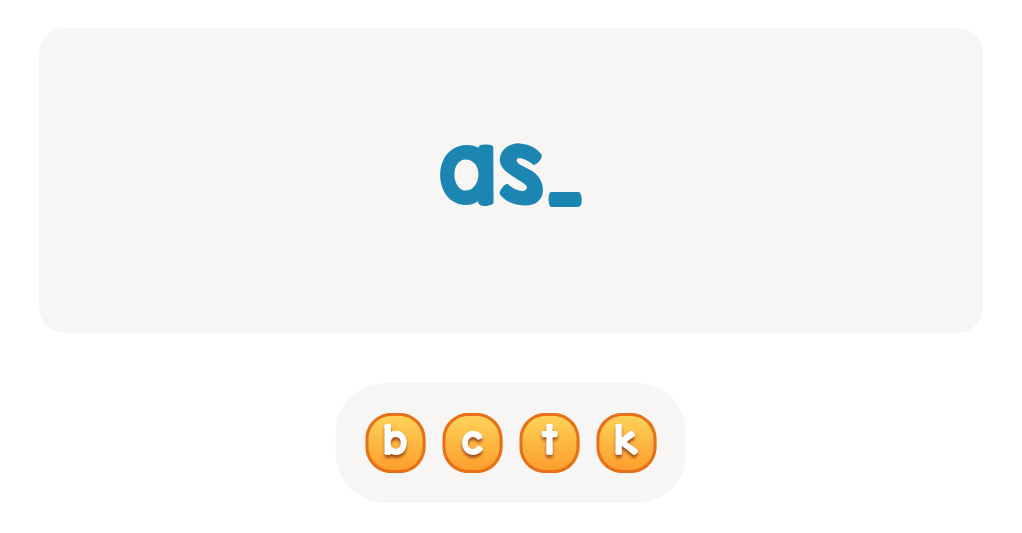
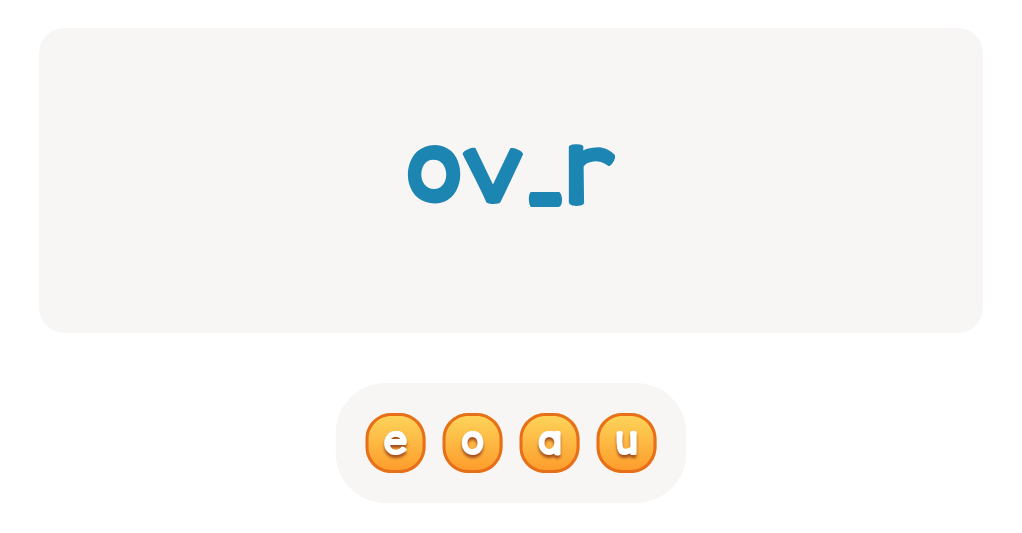
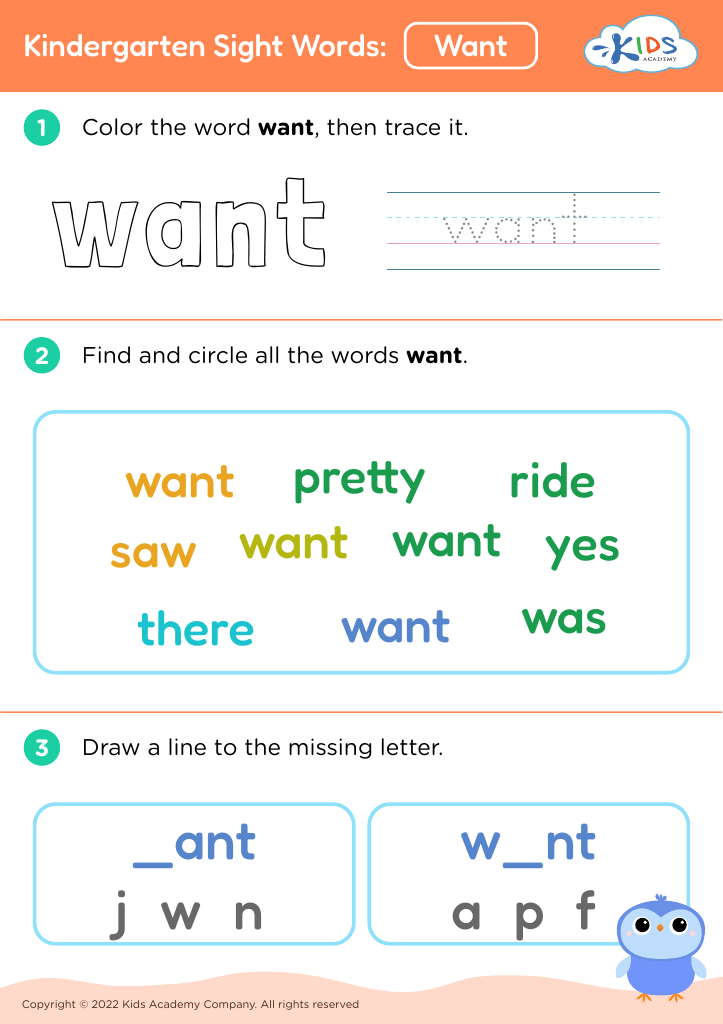
Discover engaging "Numerical Problem Solving Sight Words Worksheets" designed for children aged 3-7! These worksheets provide a fun and interactive way to combine sight word recognition with critical numerical problem-solving skills. Each worksheet challenges young learners to identify sight words while solving simple math problems, enhancing their vocabulary and numerical understanding simultaneously. Perfect for homeschooling or classroom activities, these resources help develop essential skills in early literacy and math. Foster a love for learning and boost your child's confidence through colorful, age-appropriate exercises tailored to their developmental needs. Start your child’s educational journey today with our captivating worksheets!
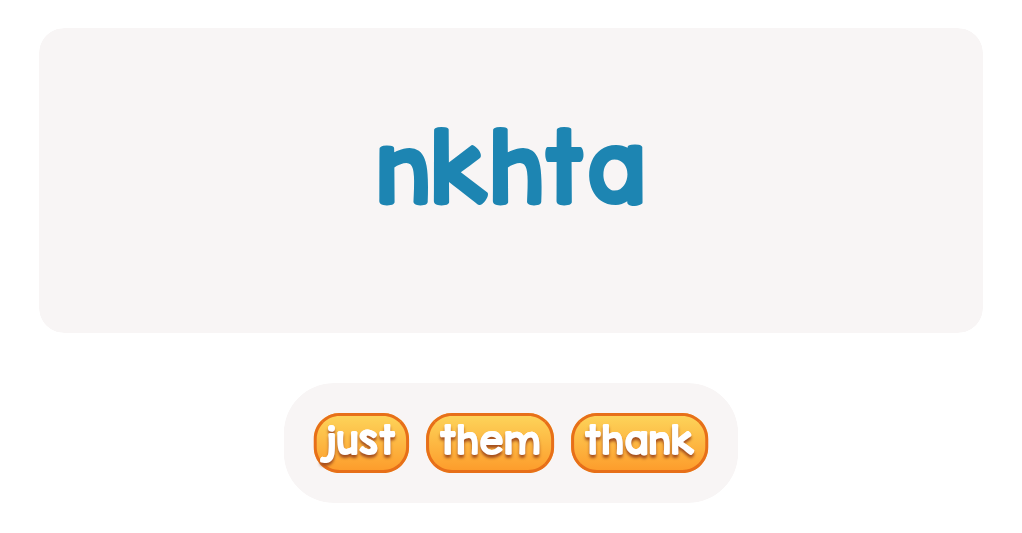

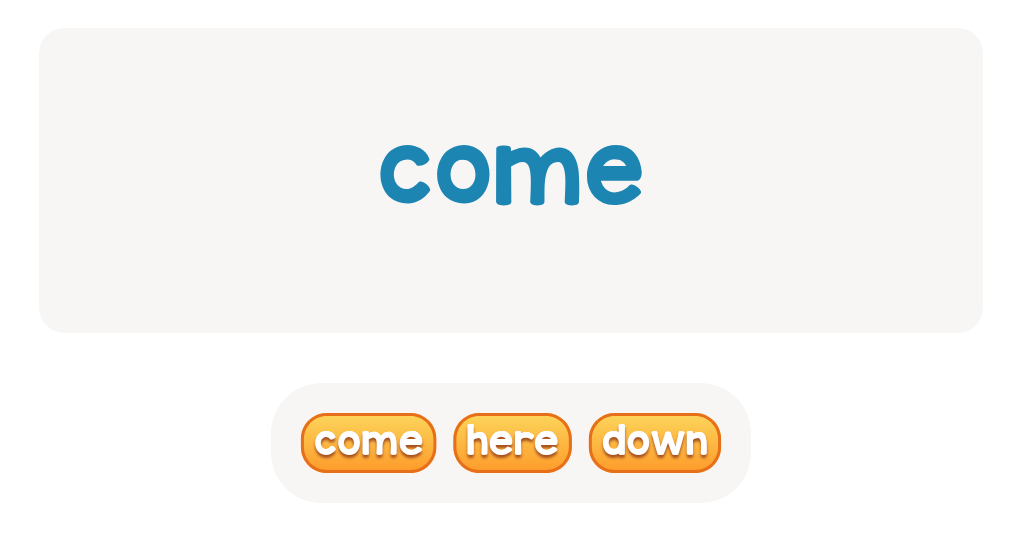



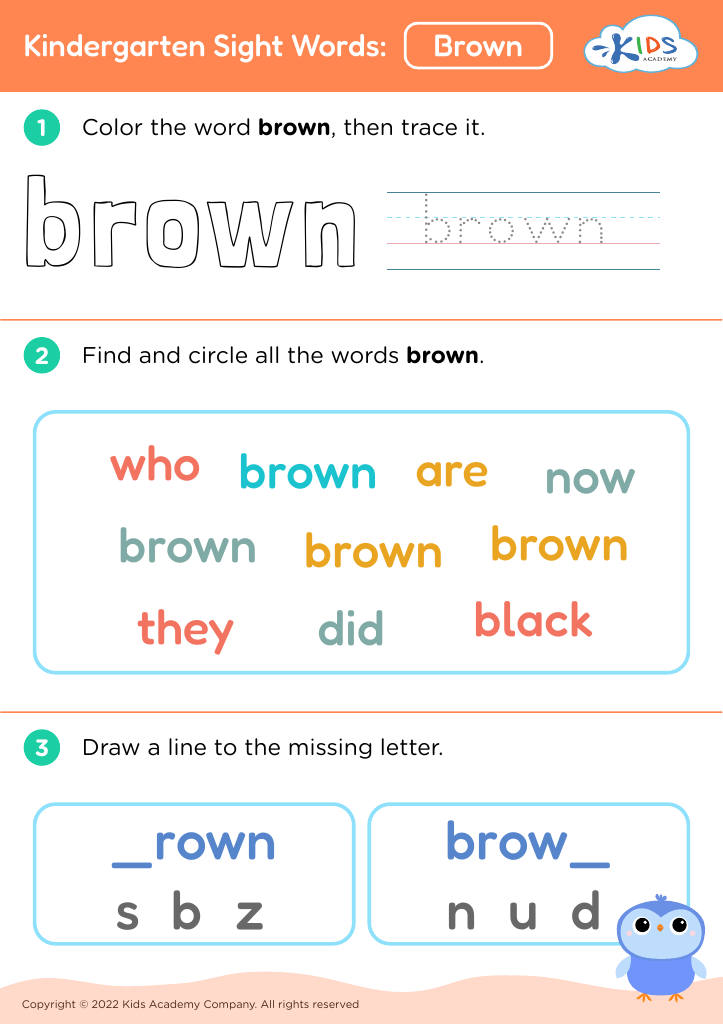








Parents and teachers should prioritize numerical problem-solving sight words for children ages 3-7 because these skills lay the foundation for early mathematical understanding and promote literacy development. Sight words, typically recognized without phonetic decoding, are essential because they help young learners to rapidly identify common terms used in math based contexts, such as "more," "less," "add," and "equal."
Integrating numerical problem-solving with sight words enhances children’s ability to comprehend simple math problems and fosters a love for learning. As children encounter these terms frequently, they gain confidence in navigating mathematical tasks, both in spoken and written forms. Early exposure to math-related vocabulary improves their ability to articulate problems and solutions, facilitating better communication of their thoughts and enhancing critical thinking skills.
Moreover, fluency with sight words in a numerical context can ease anxiety associated with early math and bolster overall academic performance. When parents and teachers make a concerted effort to reinforce these concepts through games, reading, and everyday situations, they build a strong foundation for both math and literacy, setting children on a path to success in future education and problem-solving scenarios. Ultimately, nurturing these skills at a young age cultivates lifelong learners equipped to tackle complex concepts.