Practice subtraction Sight Words Worksheets for Ages 3-7
3 filtered results
-
From - To
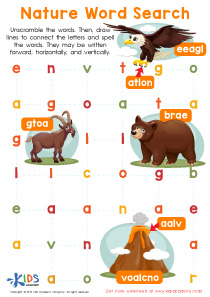
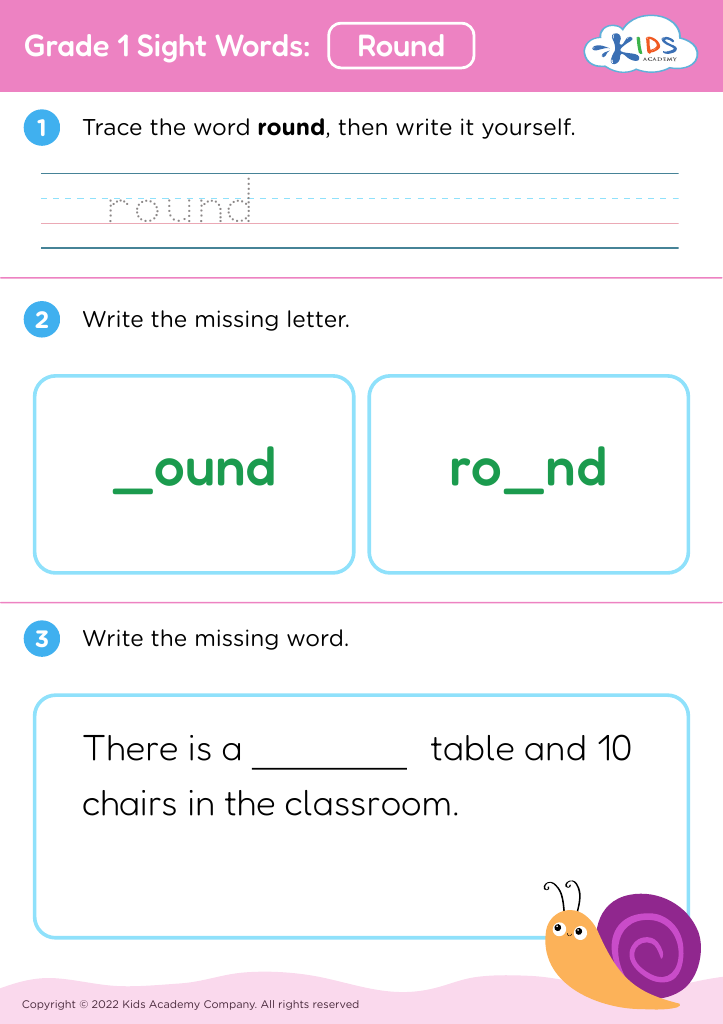
Discover engaging subtraction sight words worksheets designed for children aged 3-7! These interactive resources help young learners practice subtraction while mastering essential sight words. Each worksheet combines fun activities with educational content, creating an effective way to develop math skills and reading fluency simultaneously. Ideal for classroom settings or at-home learning, our worksheets support early mathematical understanding and language acquisition. Tailored to suit young minds, they promote confident learning through hands-on practice and repetition. Encourage your child’s growth in subtraction and sight word recognition today, making learning both enjoyable and impactful. Browse our selection and watch their skills soar!






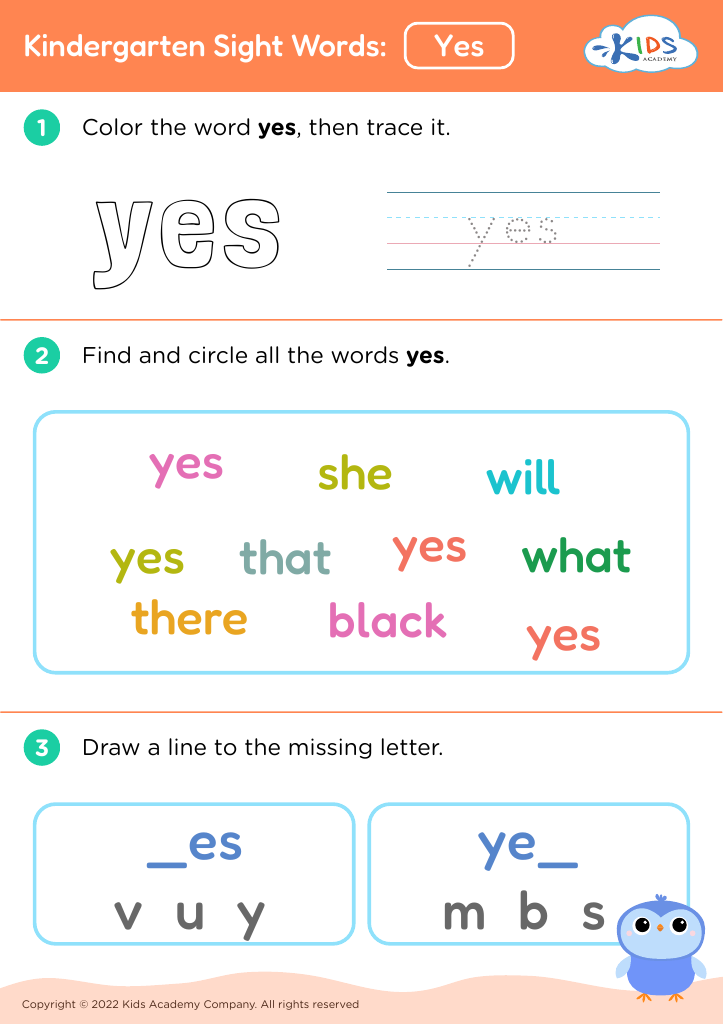
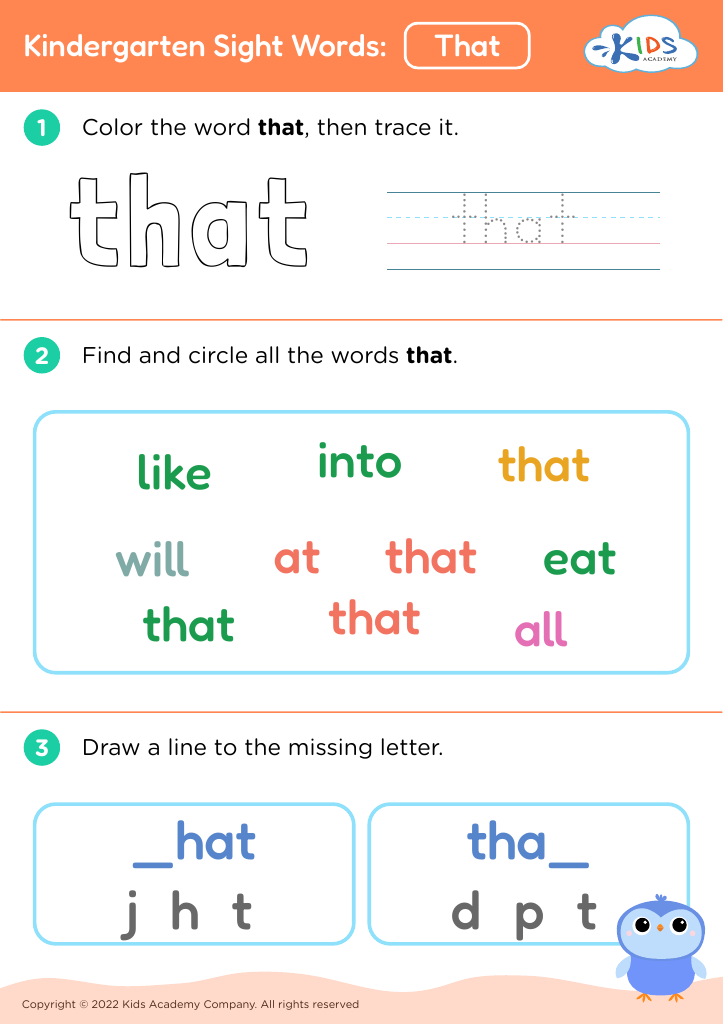







.jpg)
Practice subtraction and sight words are crucial for early childhood development, specifically for children ages 3-7. At this formative stage, children are building essential cognitive skills that will serve as the foundation for their future learning. First, mastering subtraction helps develop critical thinking and problem-solving abilities. It teaches kids how to manipulate numbers and makes them more confident in their math skills, paving the way for more advanced concepts in later years.
Similarly, sight words are fundamental to literacy. Teaching children to recognize these common words by sight aids in reading fluency, allowing them to read more smoothly and comprehend what they're reading. Research shows that a strong grasp of sight words can lead to improved reading ability, which is vital for academic success across all subjects.
When parents and teachers prioritize these skills, they foster a love for learning and build confidence in children. Engaging in fun activities that incorporate subtraction and sight words also promotes social skills, as children often collaborate during learning games. Ultimately, nurturing these foundational skills ensures children are well-prepared for their educational journeys, leading to greater academic achievements and lifelong learning habits.