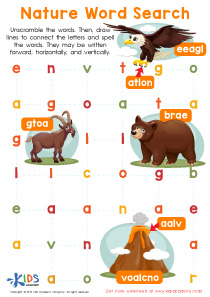
Understanding bar graphs Sight Words Worksheets for Ages 3-7
3 filtered results
-
From - To
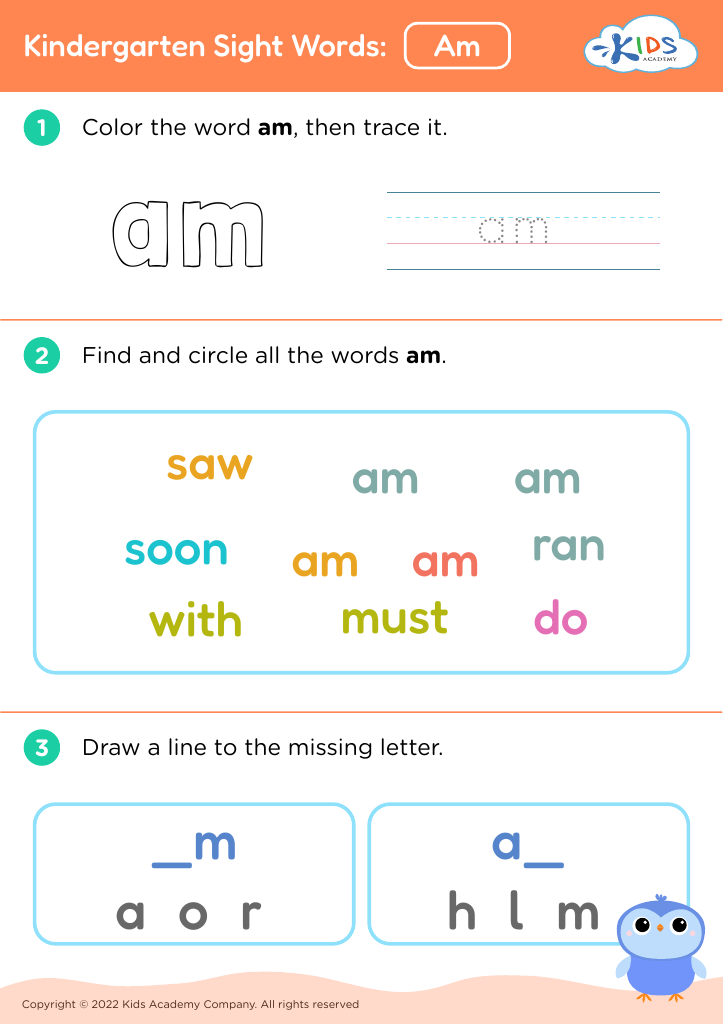
Discover the "Understanding Bar Graphs Sight Words Worksheets" designed for children aged 3-7 at Kids Academy! These engaging worksheets introduce young learners to bar graphs while reinforcing essential sight words. Each activity combines fun visual elements and interactive exercises to help kids understand data representation while enhancing their reading skills. Perfect for home or classroom use, our worksheets foster critical thinking and early literacy by making learning enjoyable. Encourage your child's curiosity and comprehension as they explore the world of bar graphs through captivating exercises. Start their journey towards literacy and analytical skills today with our thoughtfully crafted resources!









Understanding bar graphs is crucial for young learners, especially for children aged 3-7, as it sets the foundation for developing important mathematical and analytical skills. Parents and teachers should prioritize this learning because it enhances critical thinking and problem-solving abilities. Bar graphs are a visual representation of data, making complex information accessible to young minds. By engaging with bar graphs, children learn to collect, organize, and interpret data, fostering a sense of inquiry and exploration.
Additionally, exposure to visual data representation encourages children to communicate their findings effectively. Recognizing sight words associated with bar graphs, such as "more," "less," "tall," and "short," not only builds vocabulary but also strengthens reading comprehension. This literacy connection reinforces their understanding of math concepts and encourages cross-disciplinary learning.
Furthermore, early exposure to such concepts equips children with essential skills that are foundational for later academic success. As they progress, an understanding of data representation becomes increasingly relevant in subjects like science and social studies. Ultimately, parents and teachers play a pivotal role in nurturing a child's ability to interpret and engage with their environment through statistical information, preparing them for a future in a data-driven world.