Alphabet Recognition ABC Letters Worksheets for Ages 3-8 - Page 2
31 filtered results
-
From - To
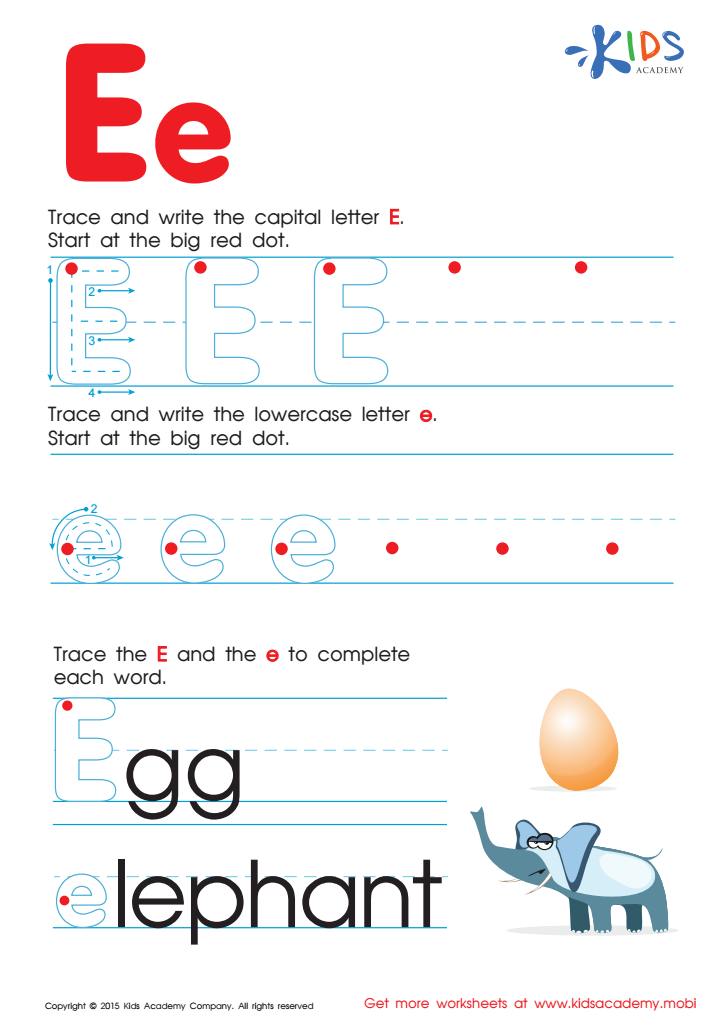
Letter E Tracing Page






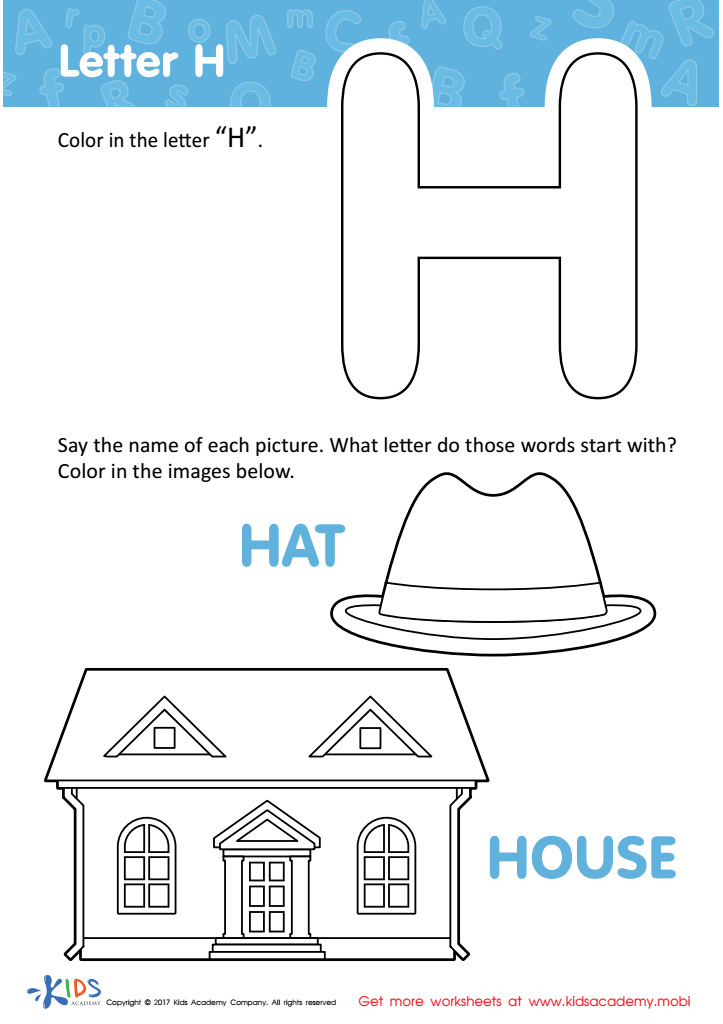
Letter H Coloring Sheet
 Assign to My Students
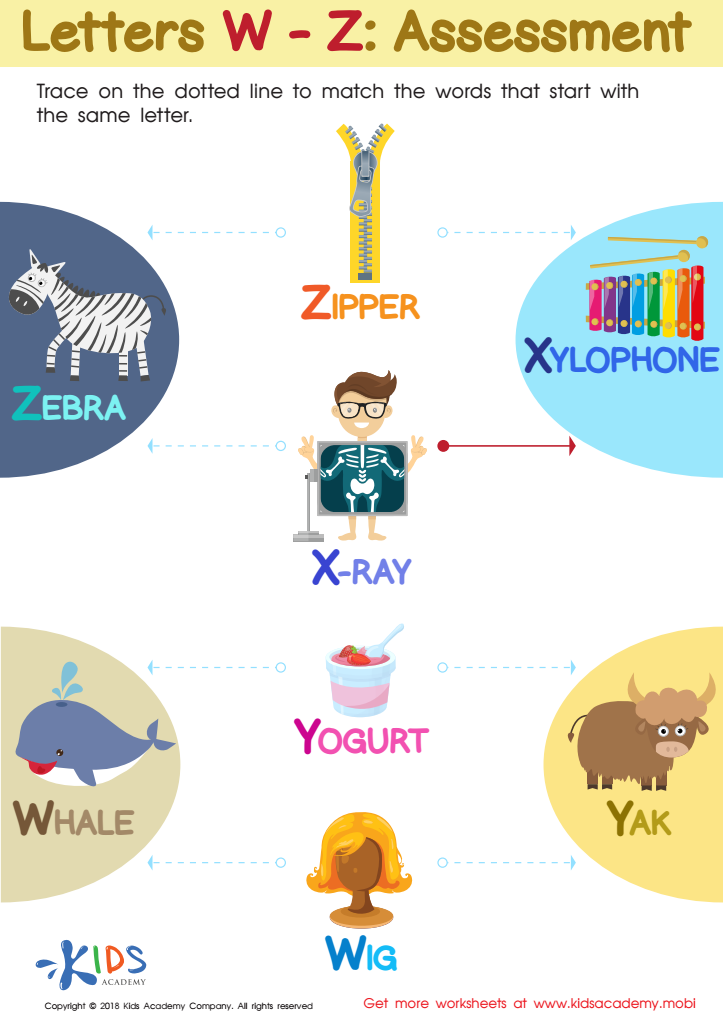
Letters W–Z Tracing Worksheet
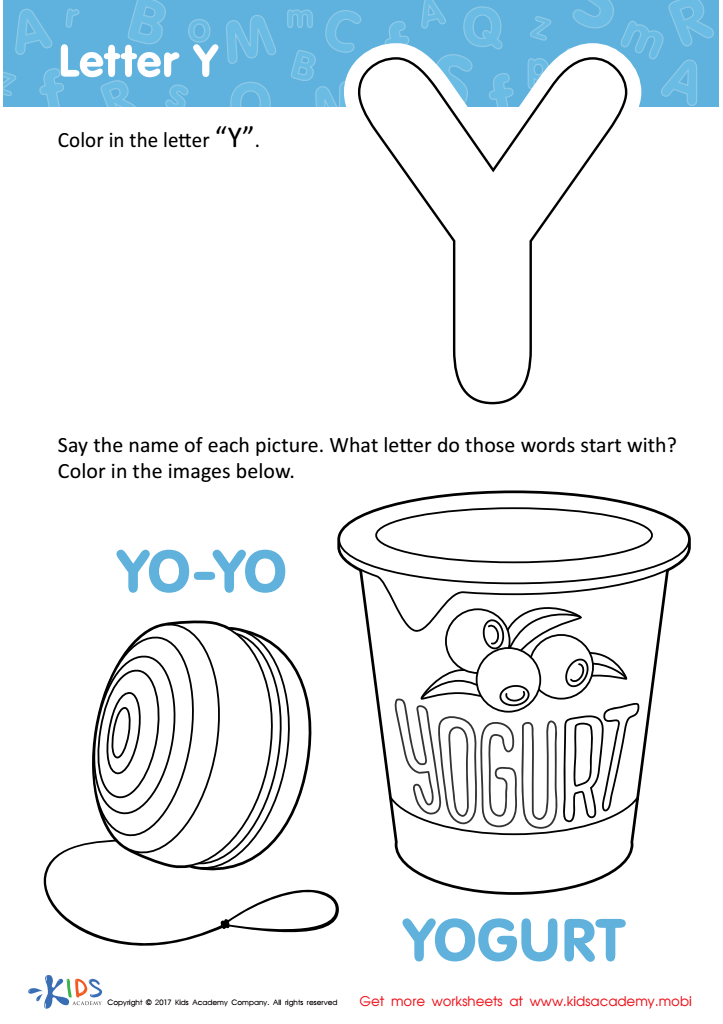
Letter Y Coloring Sheet
Assign to My Students
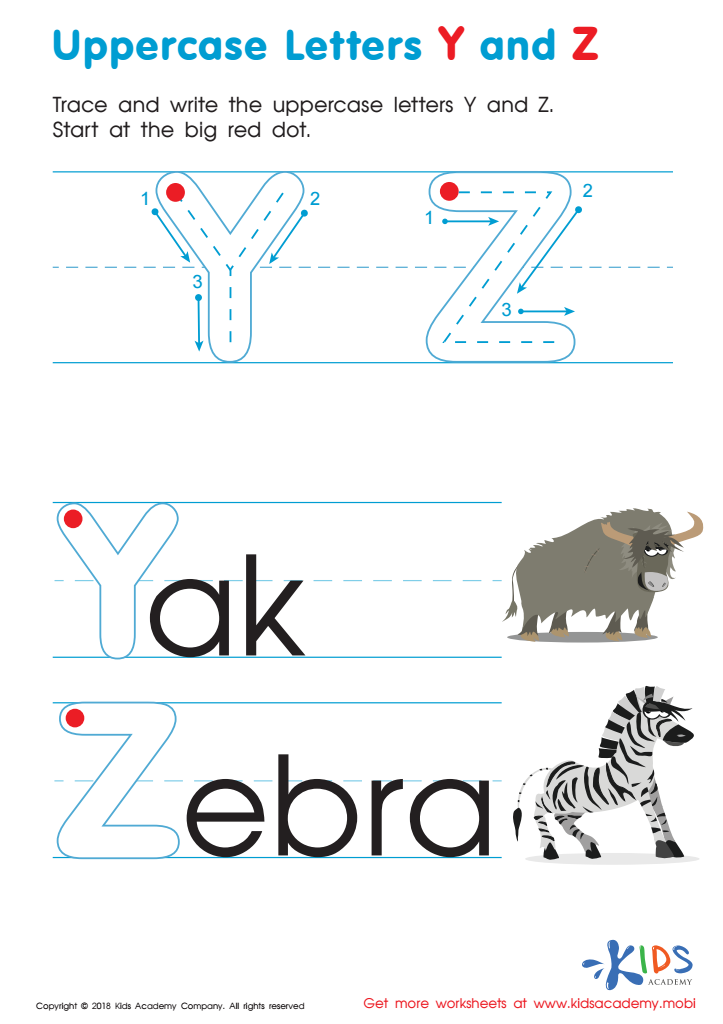
Uppercase Letters Y Z Worksheet
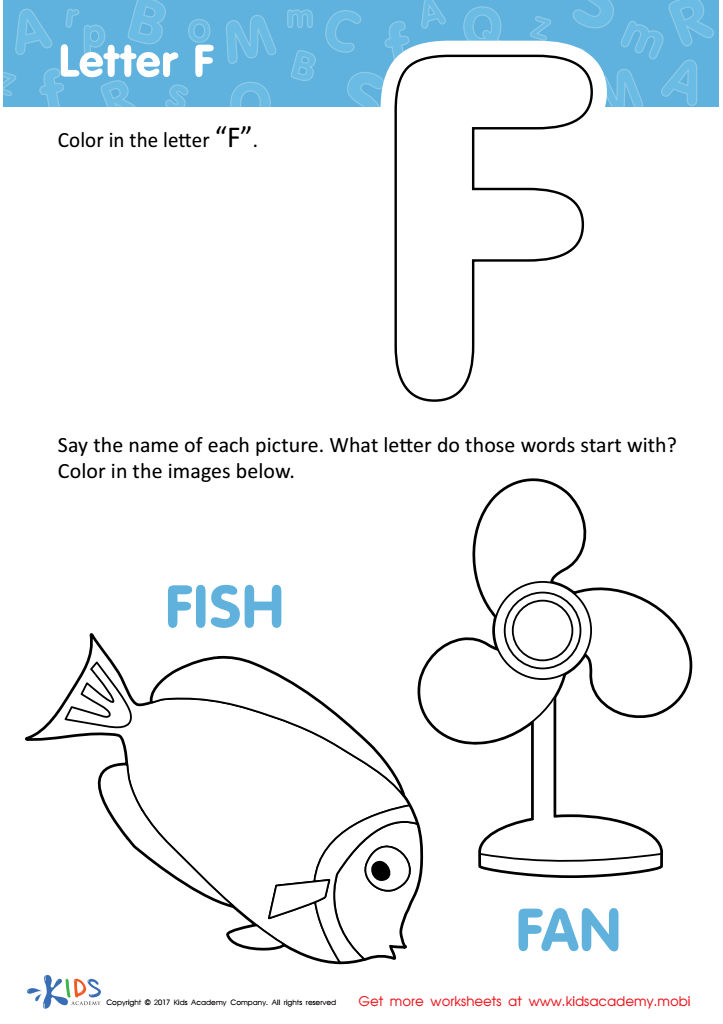
Letter F Coloring Sheet
Assign to My Students
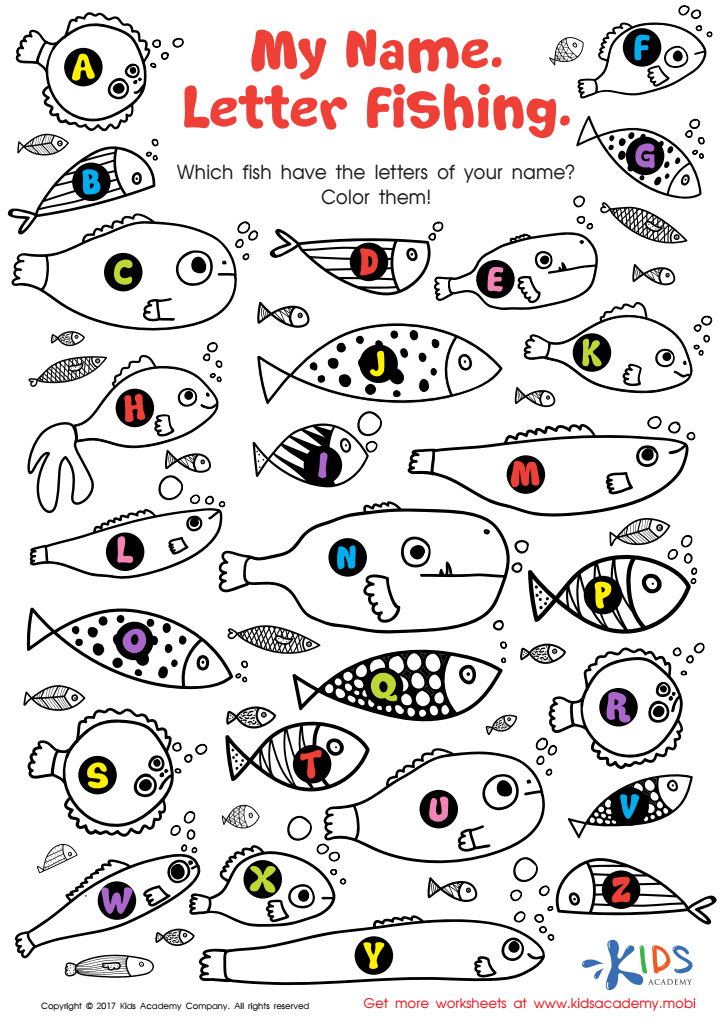
My Name: Letter Fishing Worksheet
Assign to My Students







Alphabet recognition is crucial for children aged 3-8 as it serves as the foundation for literacy development. At this formative stage, mastering the 26 letters of the alphabet enables young learners to decode words, which is essential for reading and writing. Familiarity with both uppercase and lowercase letters enhances their ability to recognize common signs, labels, and written instructions in their environment.
Additionally, alphabet recognition supports vocabulary development. As children learn to identify letters, they begin to associate them with sounds, promoting phonemic awareness. This understanding is integral for early reading skills, allowing them to blend sounds into words and comprehend what they read.
Moreover, engaging in alphabet activities fosters cognitive skills, such as memory and concentration. Fun, interactive methods like games, songs, and arts and crafts can make the learning process enjoyable, encouraging a lifelong love for reading and learning.
Finally, alphabet recognition plays a vital role in a child's self-confidence. As they become familiar with letters, they feel a sense of achievement that boosts their motivation to learn more. Parents and teachers, therefore, should prioritize alphabet recognition as a key element of early education to lay a strong groundwork for future academic success.







