Phonics Skills Elementary Phonics Worksheets for Ages 3-8
4 filtered results
-
From - To
Unlock your child's potential with our "Phonics Skills Elementary Phonics Worksheets for Ages 3-8"! Designed to enhance foundational reading abilities, these interactive worksheets simplify the phonics learning process. From mastering letter sounds to blending and decoding, each activity helps young learners develop essential phonetic skills in a fun and engaging way. Tailored for kids aged 3 to 8, our printable resources provide varied exercises, ensuring a comprehensive understanding of phonics. Encourage a love for reading while reinforcing important literacy skills in your child. Start your journey towards phonemic awareness today with our thoughtfully crafted worksheets!
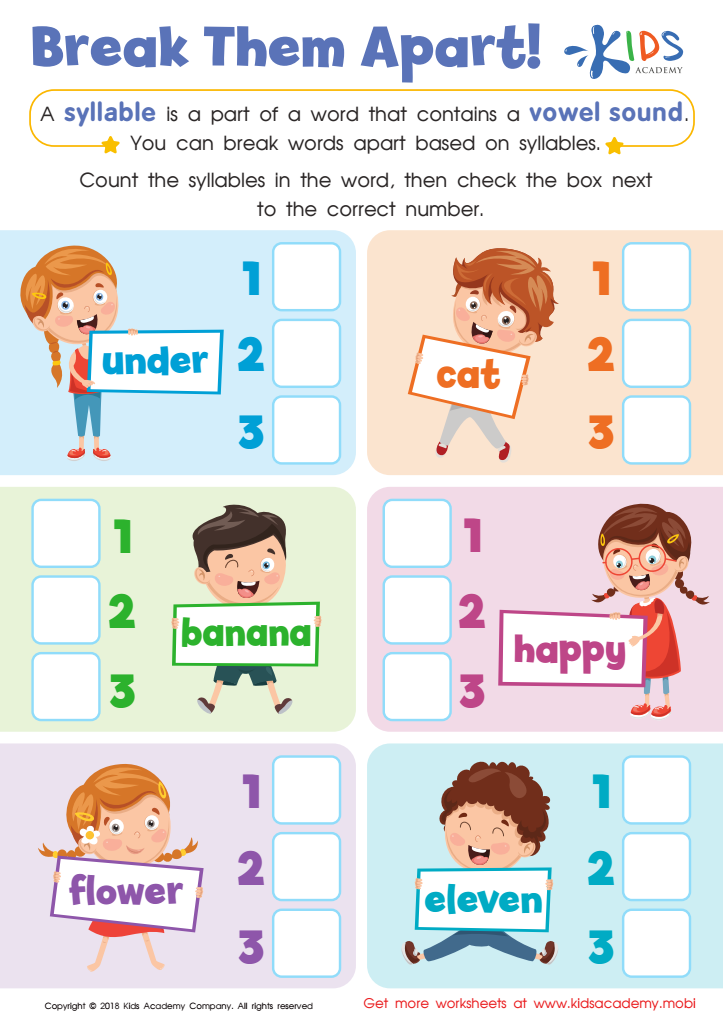
Reading: Break Them Apart Worksheet
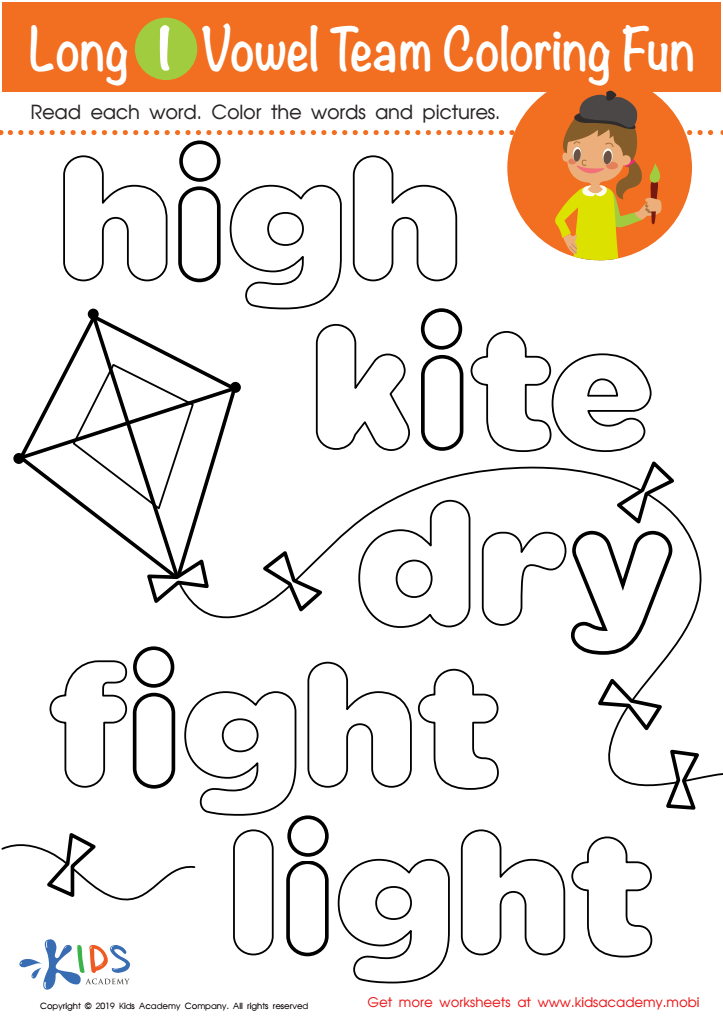
Long I Vowel Team Coloring Worksheet
 Assign to My Students
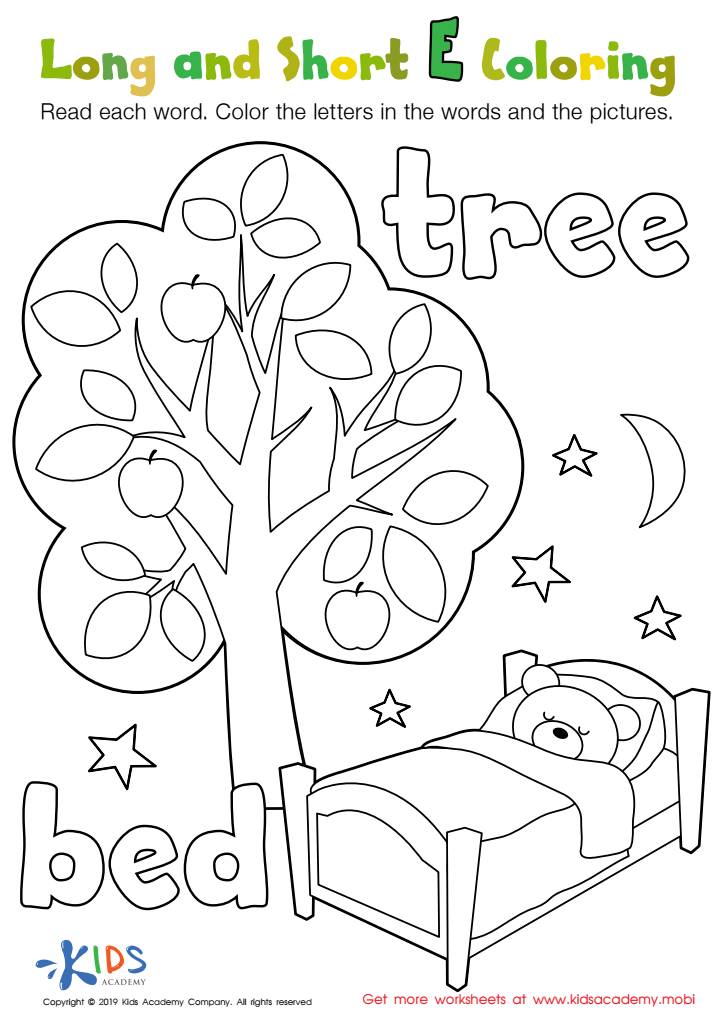
Long and Short E Worksheet
Assign to My Students
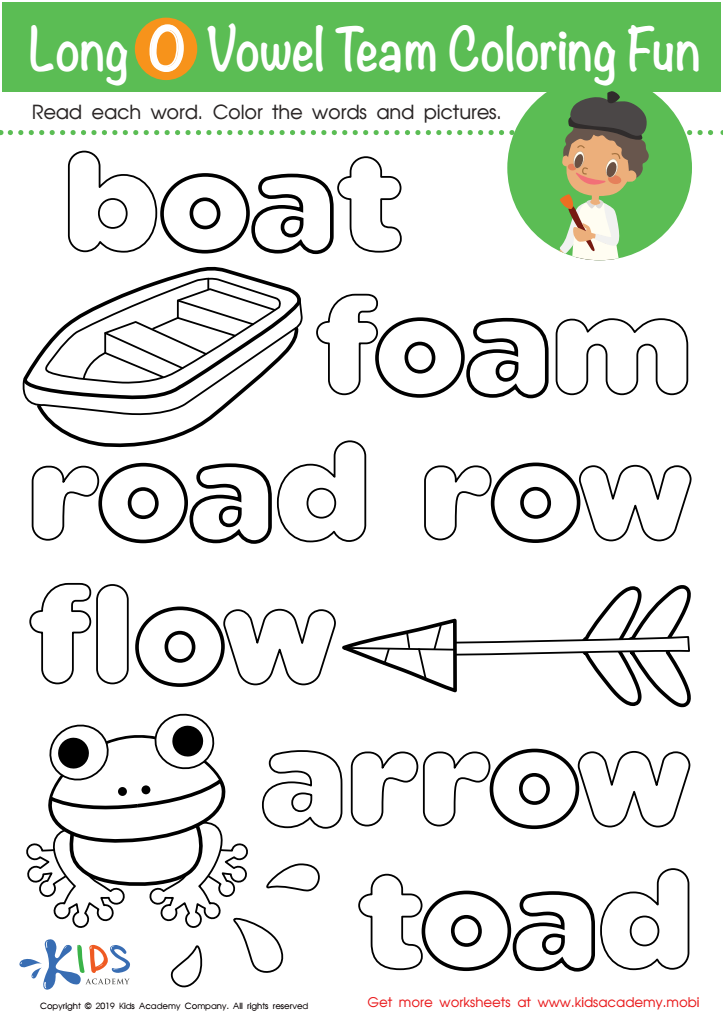
Long O Vowel Team Coloring Worksheet
Assign to My Students




Phonics skills are fundamental for early literacy development in children aged 3-8, making them a crucial focus for parents and teachers. By learning phonics, children understand the relationship between letters and sounds, enabling them to decode words and develop reading fluency. This foundational skill is essential for reading comprehension, which enhances overall academic success.
Moreover, strong phonics skills boost a child's confidence and motivation to read, fostering a love for literature that can last a lifetime. Engaging with texts becomes enjoyable rather than a struggle when children can sound out words independently.
For parents, understanding phonics provides vital tools to support their child's learning at home. Simple activities, like playing rhyming games or reading fun phonics books, can reinforce skills in an enjoyable way.
Teachers, equipped with phonics instruction strategies, can implement effective teaching practices that cater to diverse learning styles in their classrooms. Ultimately, fostering phonics skills sets a solid groundwork for literacy, paving the way for children to become proficient readers and lifelong learners. Investing in these early skills is crucial for academic achievement and personal growth, making it a priority for parents and educators alike.







