Hand-eye Coordination Alphabet Worksheets for Ages 3-8 - Page 2
28 filtered results
-
From - To
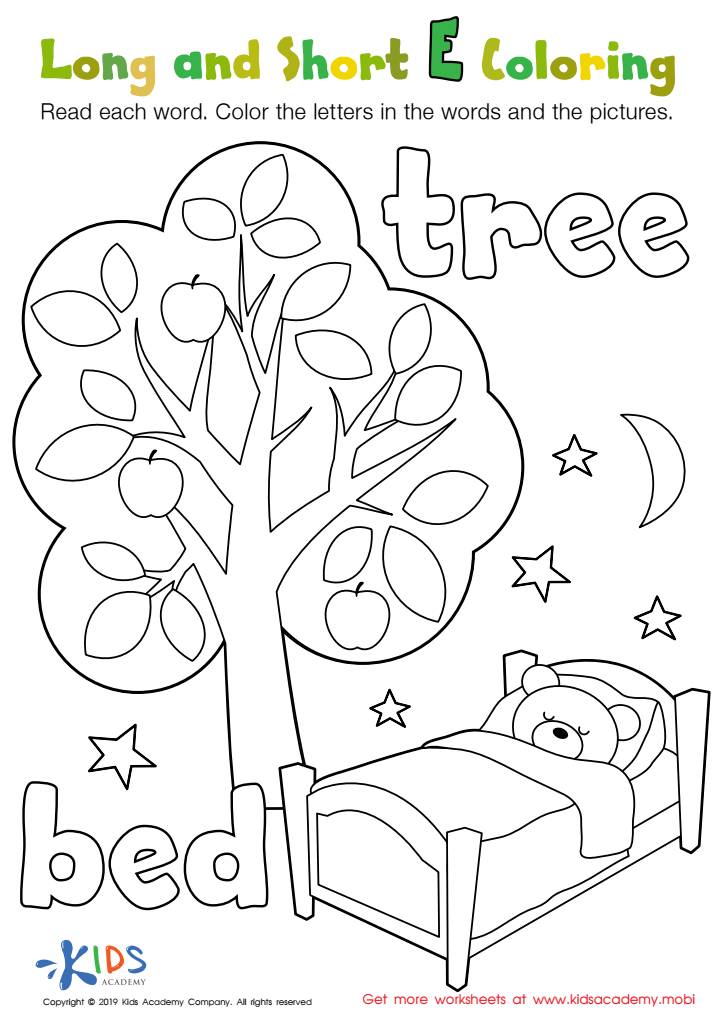
Long and Short E Worksheet
 Assign to My Students
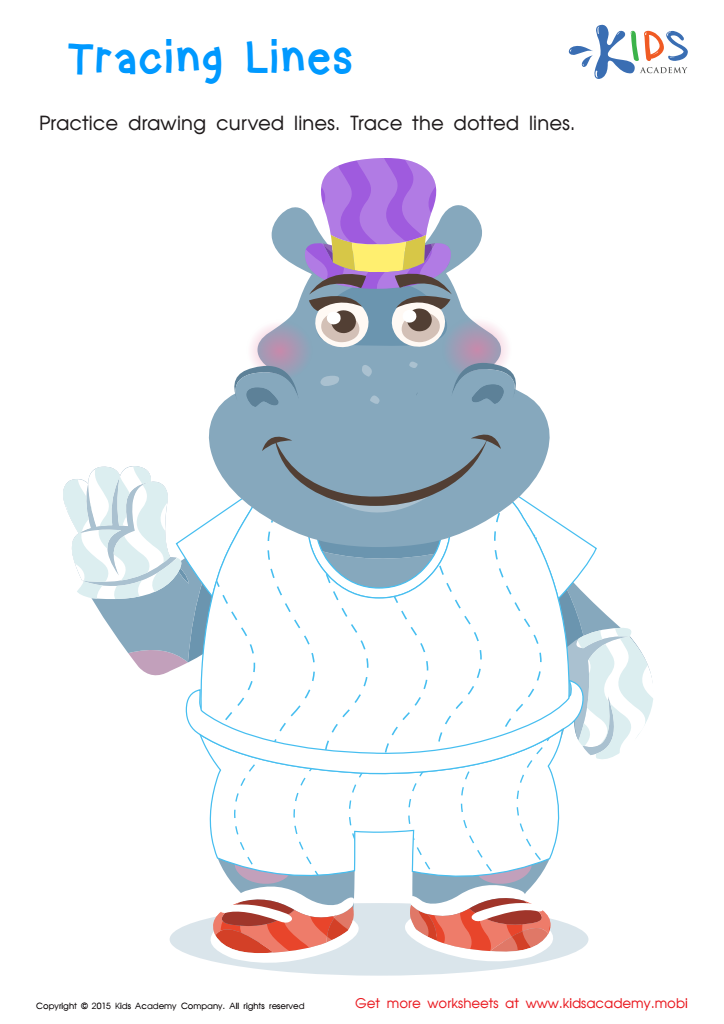
Tracing Lines Worksheet

Letter D Tracing Page
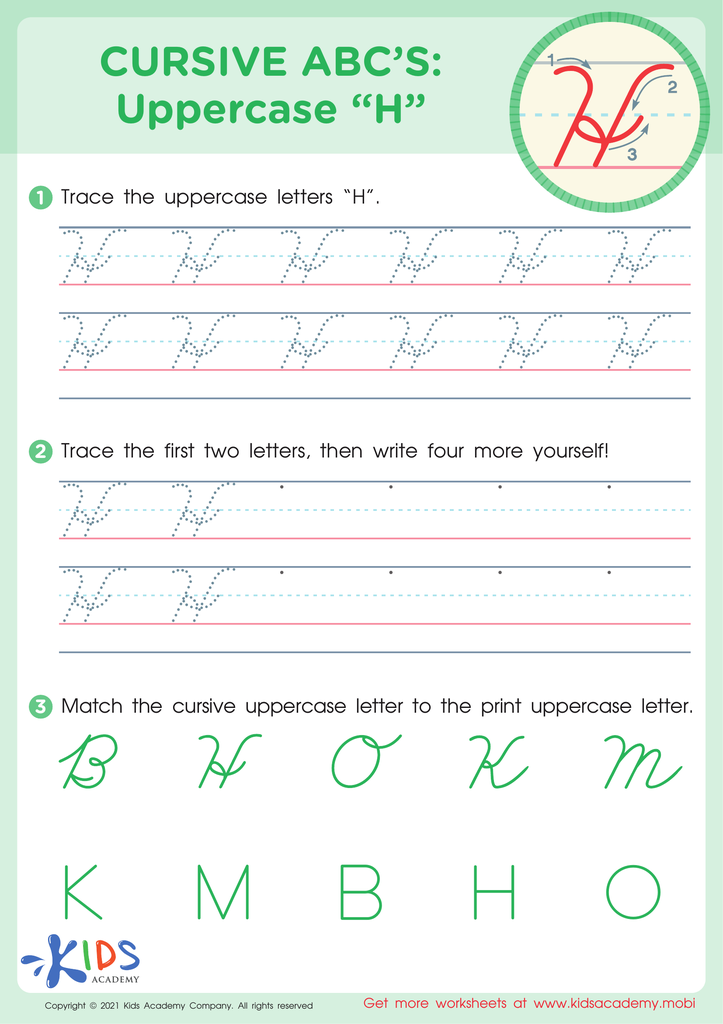
Cursive ABCs: Uppercase H







Hand-eye coordination is a crucial developmental skill for children aged 3-8, as it significantly impacts their ability to perform everyday tasks and engage in learning activities. The Hand-eye Coordination Alphabet provides a fun and engaging way for parents and teachers to focus on enhancing this skill through playful activities and exercises associated with each letter.
Improving hand-eye coordination supports children's fine motor skills, which are essential for writing, crafting, and daily tasks like buttoning clothes or tying shoelaces. Additionally, strong hand-eye coordination fosters confidence and independence in young learners, making transitions to more complex tasks smoother.
For teachers, incorporating such activities into the curriculum can enhance student engagement and encourage collaborative learning. For parents, promoting hand-eye coordination at home through games and interactive play lays a foundation for a child’s academic success, particularly in subjects that require precision, such as math and science.
Ultimately, prioritizing development in this area not only bolsters cognitive and physical abilities but also enhances social interaction and communication skills among peers, setting the stage for a well-rounded educational experience. Engaging in hand-eye coordination activities provides a crucial opportunity for growth during these formative years.







