Motor skills development Alphabet Worksheets for Ages 3-8
6 filtered results
-
From - To
Enhance your child's motor skills with our engaging Alphabet Worksheets, designed for ages 3-8! These printable resources help young learners develop fine motor abilities while mastering letter recognition and writing. Each worksheet features fun activities like tracing, coloring, and letter formation that promote hand-eye coordination and dexterity. Carefully crafted to align with early childhood standards, our worksheets also encourage creativity and cognitive growth. Perfect for classroom use or at-home learning, these worksheets provide a playful learning experience that instills confidence and reinforces essential literacy skills. Spark your child's enthusiasm for learning with our Motor Skills Development Alphabet Worksheets today!
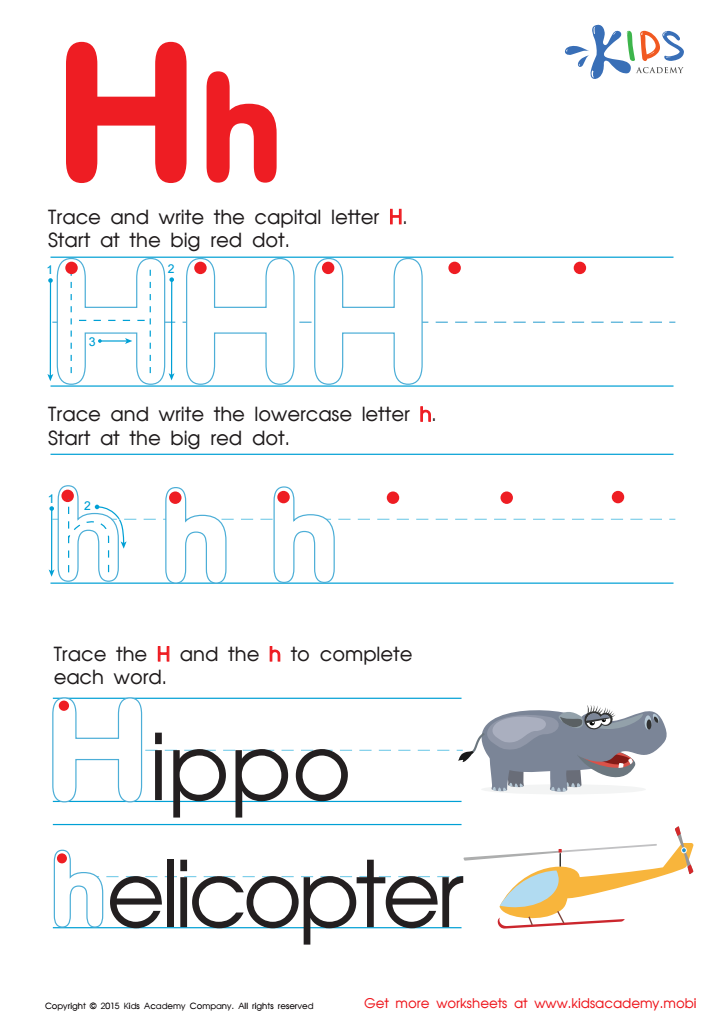
Letter H Tracing Page
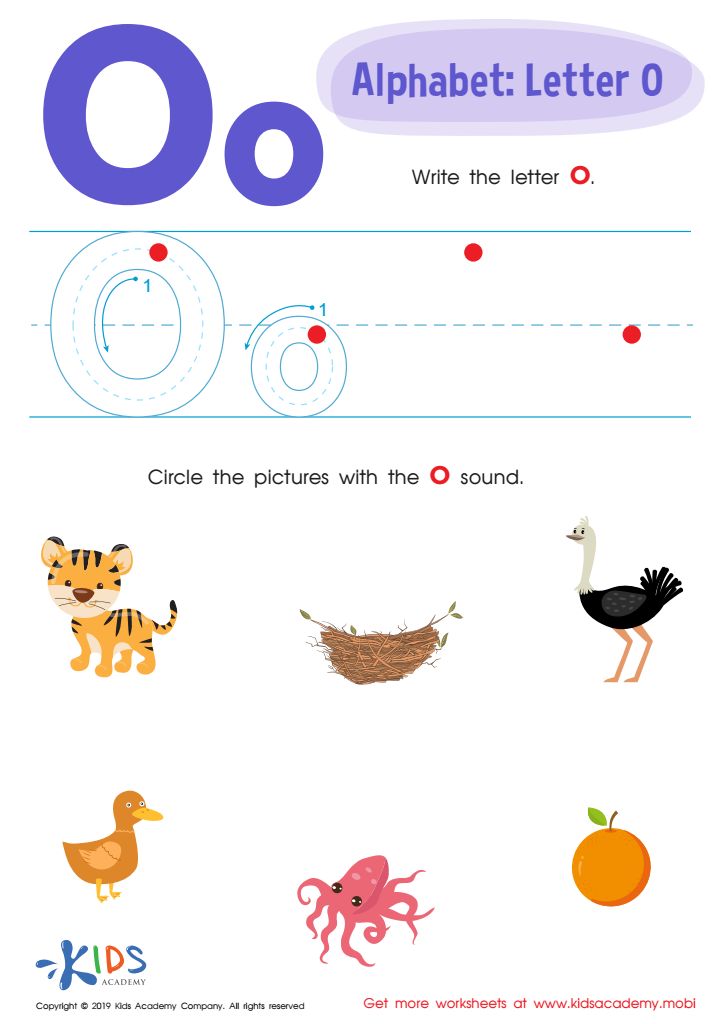
Letter O Tracing Worksheet
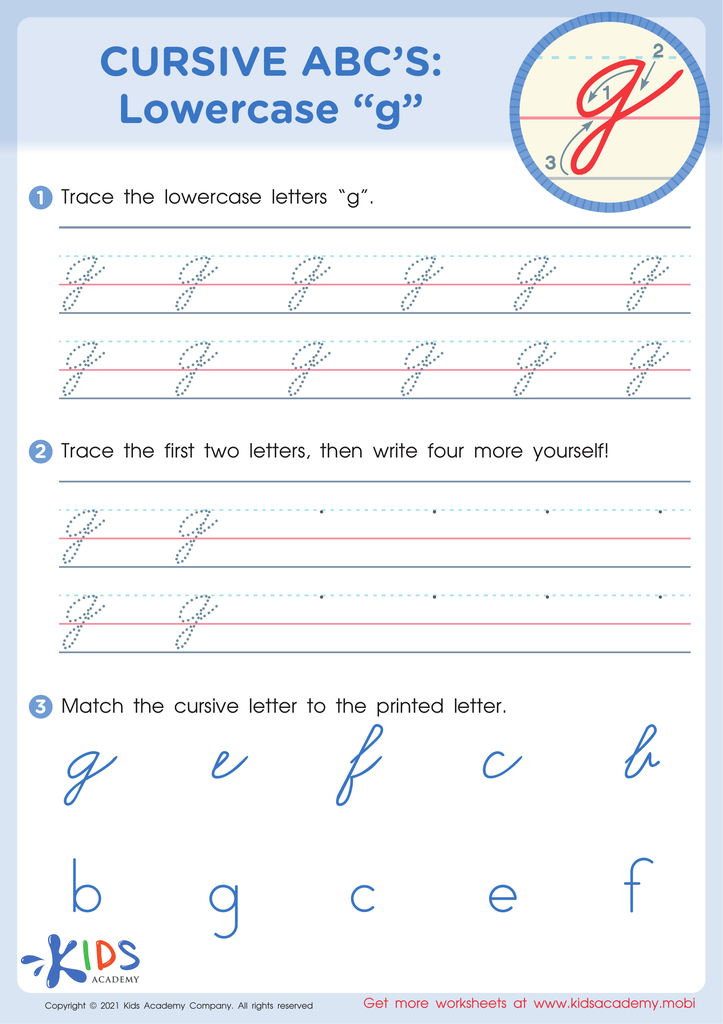
Cursive ABCs: Lowercase g
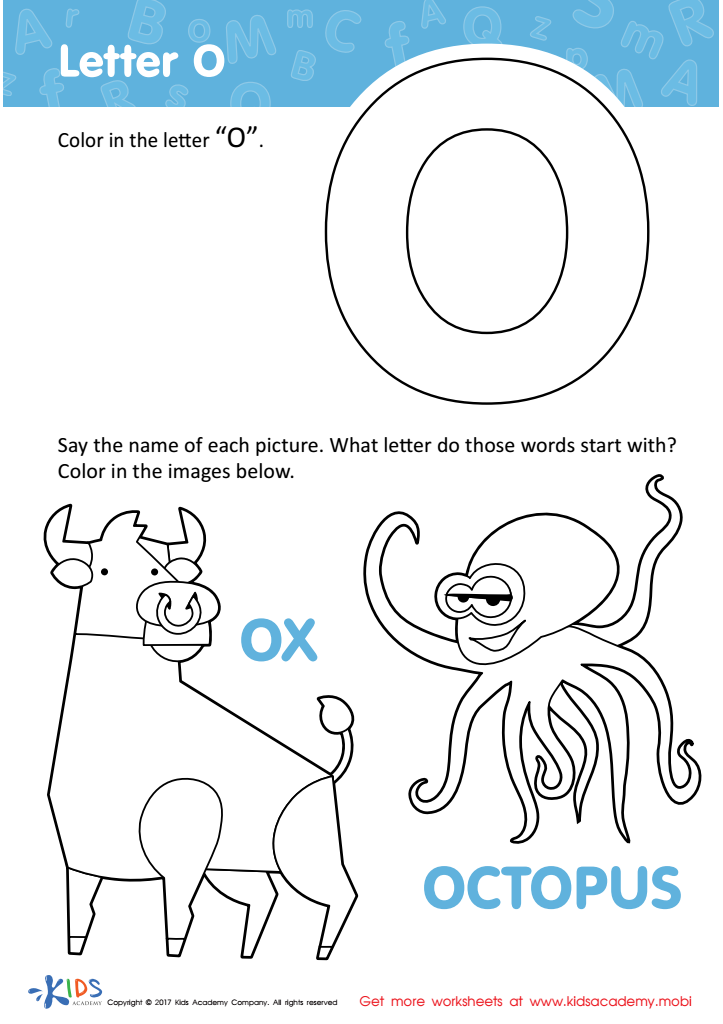
Letter O Coloring Sheet
 Assign to My Students
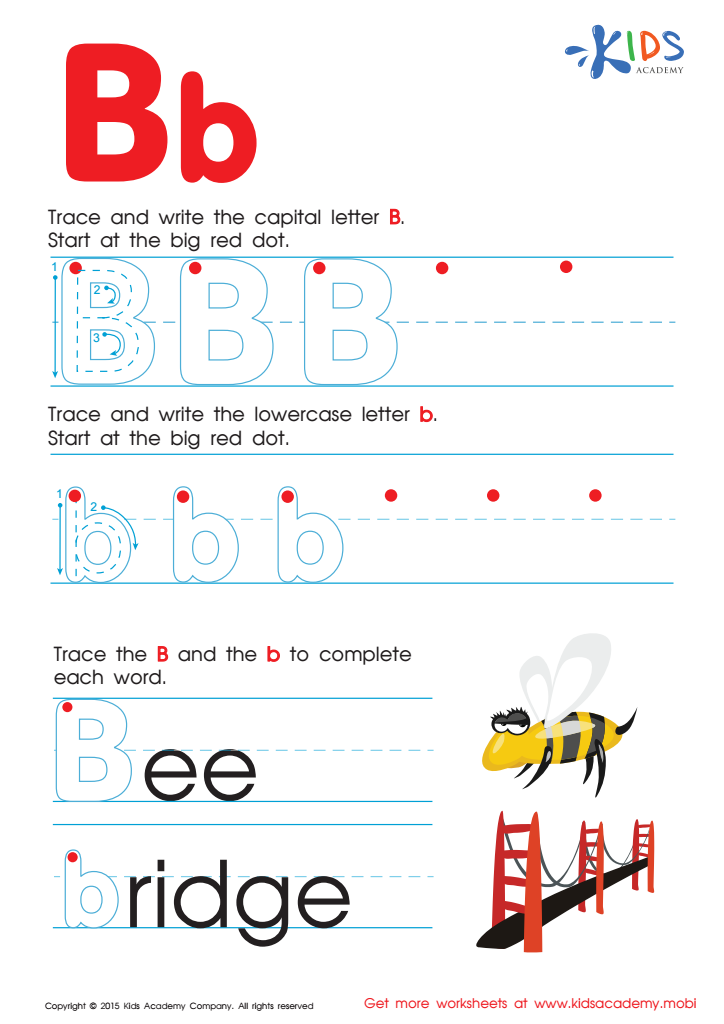
Letter B Tracing Page
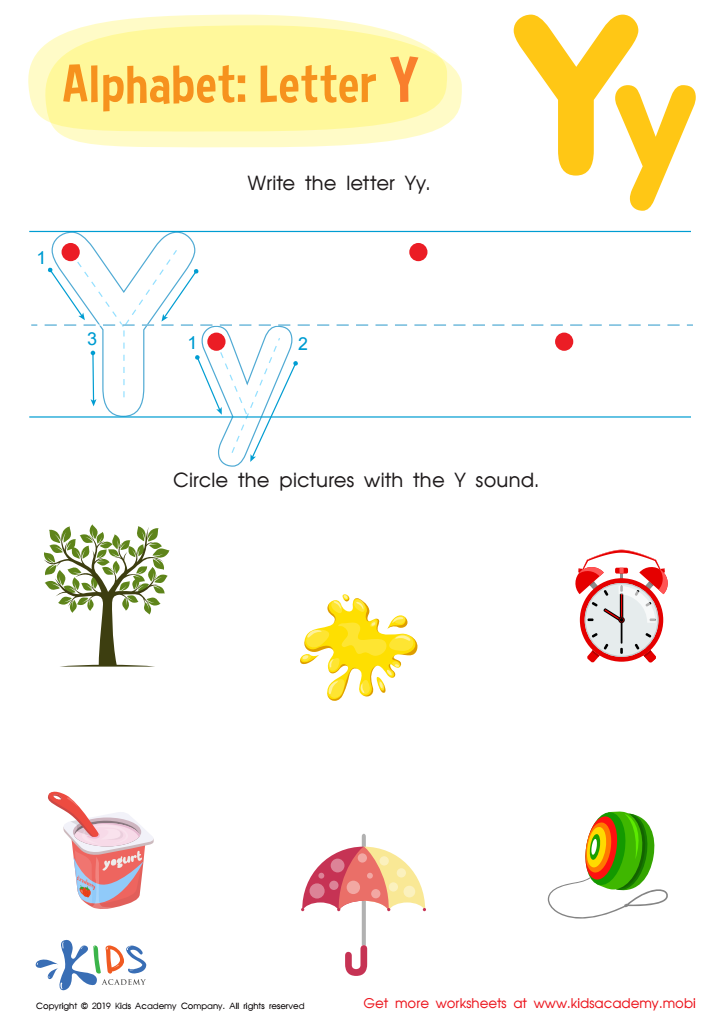
Letter Y Tracing Worksheet







Motor skills development is crucial for children aged 3-8 as it plays a significant role in their overall growth and learning. Parents and teachers should prioritize this aspect for several reasons. Firstly, these foundational skills, including fine and gross motor skills, are essential for everyday activities such as writing, playing, and self-care tasks like buttoning clothes and tying shoelaces, fostering independence.
Developing motor skills also enhances cognitive functions, as children who engage in physical activities tend to have better memory and focus. For example, activities like cutting with scissors or using playdough improve hand-eye coordination and concentration, while larger movements like running or jumping help with spatial awareness.
Moreover, strong motor skills are linked to social interactions. Children who can play ball games or participate in group activities are more likely to build friendships and work in teams. Teachers and parents can encourage this development through targeted activities, such as obstacle courses, arts and crafts, and outdoor play.
In conclusion, investing time and resources into motor skills development not only aids children's physical capabilities but also supports their emotional, social, and cognitive growth, creating a well-rounded foundation for future learning.







