Reading development Alphabet Worksheets for Ages 3-8
5 filtered results
-
From - To
Explore our Reading Development Alphabet Worksheets designed for children aged 3-8. These engaging worksheets foster early literacy skills through fun, interactive activities that help children recognize letters and sounds. Perfect for home or classroom use, our resources encourage the development of essential reading skills while making learning enjoyable. From tracing letters to matching sounds, each worksheet is tailored to make the alphabet engaging for young learners. Parents and educators will find these tools invaluable in nurturing a love for reading from a young age. Start your child's journey to reading success today with our carefully crafted worksheets!
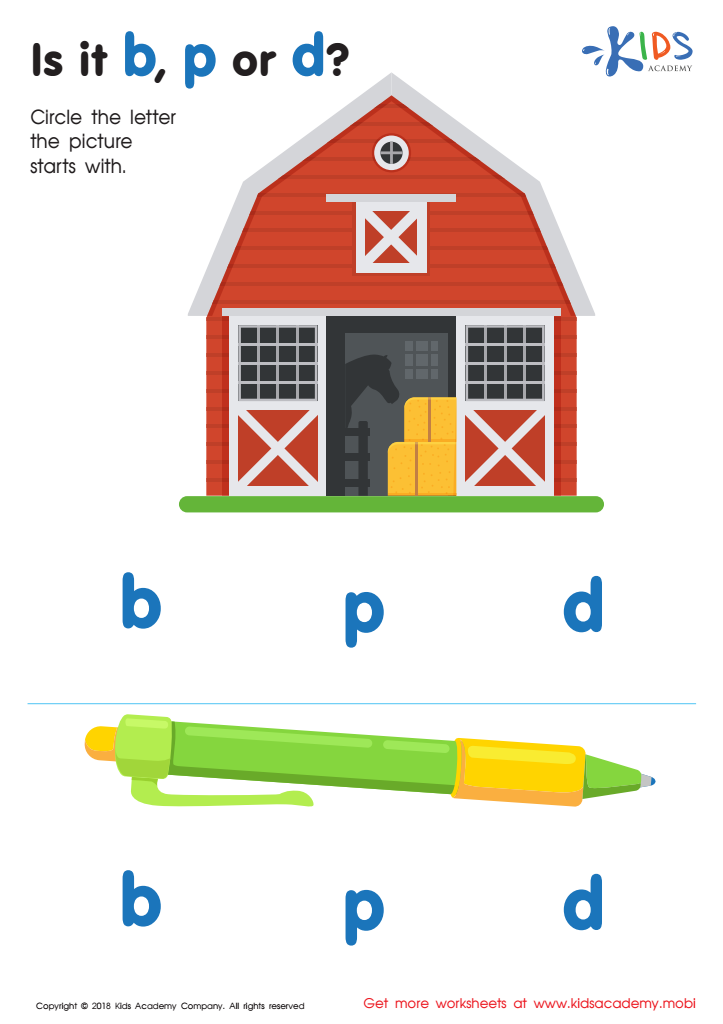
Is it b, p or d? Worksheet
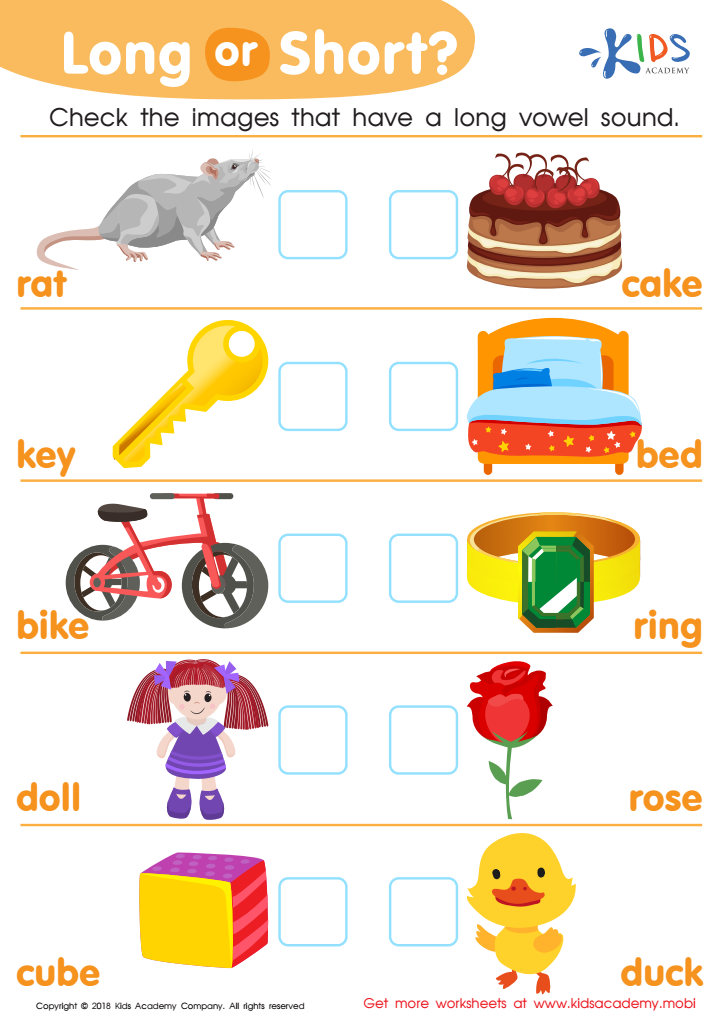
Long or Short Reading Worksheet
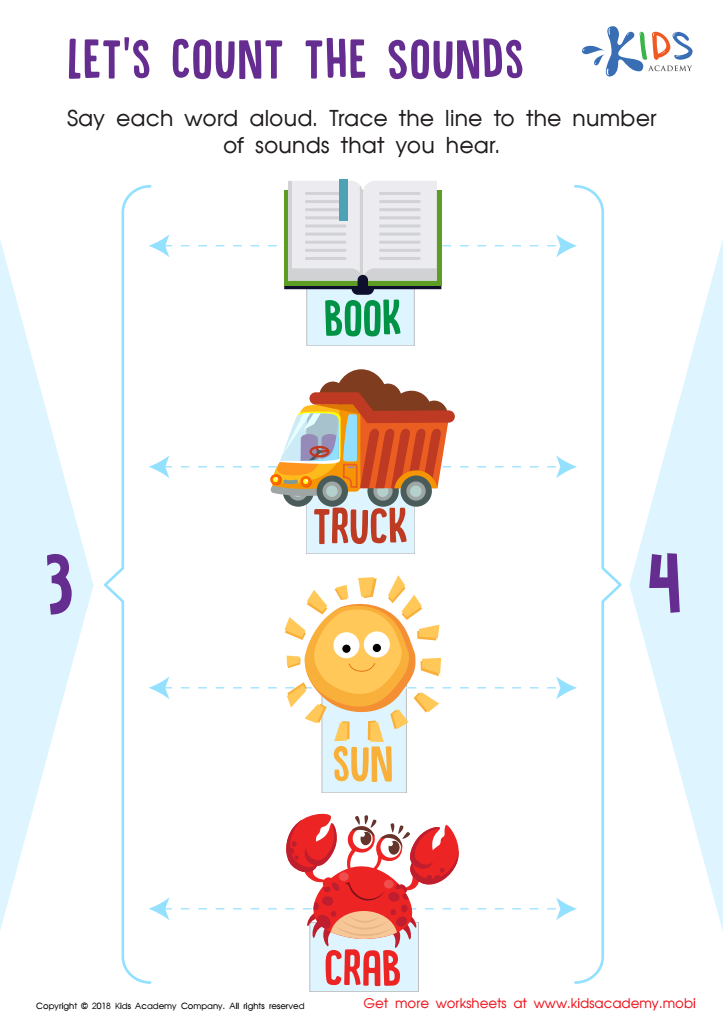
Let's Count the Sounds Worksheet
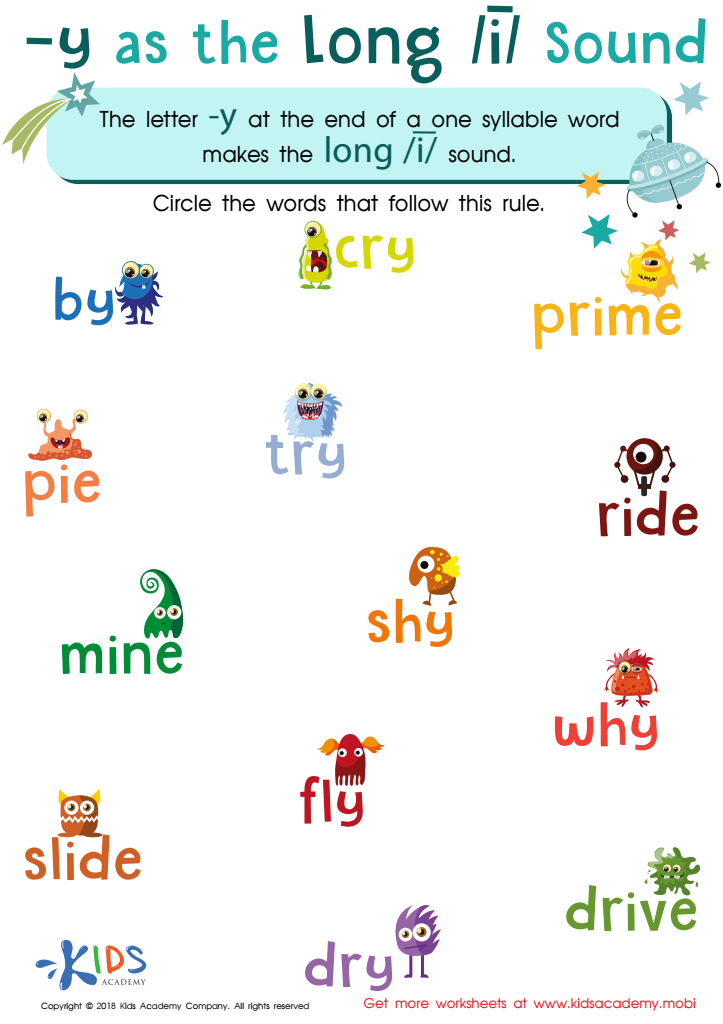
Reading: Y as Long I Worksheet
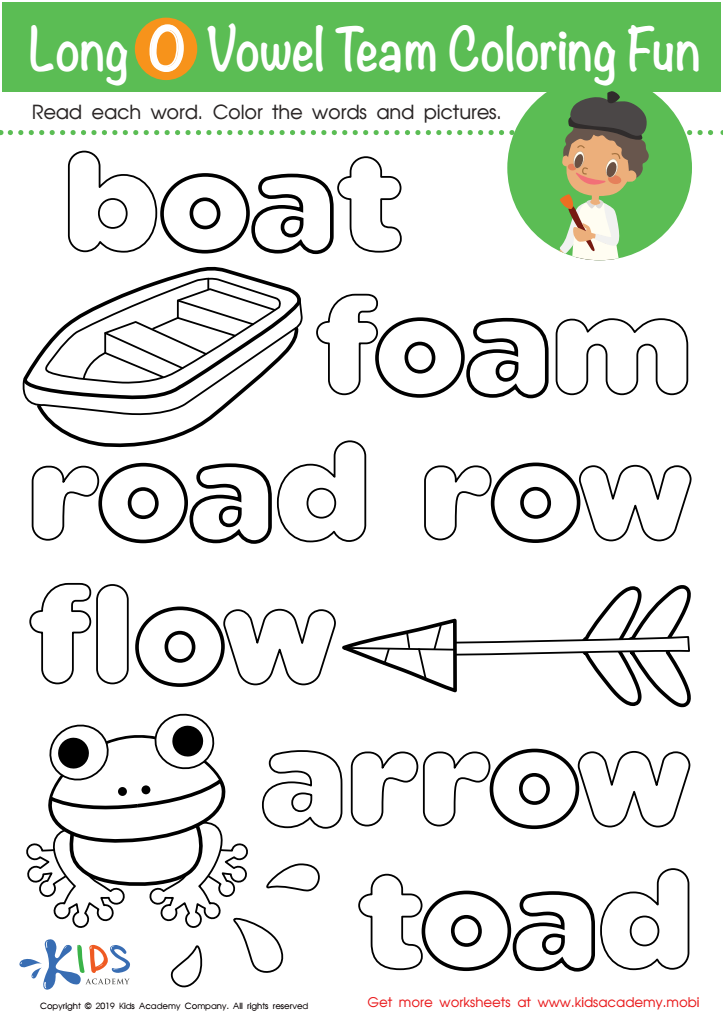
Long O Vowel Team Coloring Worksheet
 Assign to My Students






Reading development in early childhood, particularly focusing on the alphabet for children aged 3-8 years, is crucial for several reasons. Firstly, the alphabet serves as the foundational building block of literacy. Understanding the letters and their corresponding sounds (phonics) enables children to decode words, crucial for reading proficiency later in life. Early exposure to alphabetical concepts fosters a love for reading, promoting engagement and imagination.
Moreover, strong literacy skills are closely linked to academic success. Children who grasp the basics of reading and writing during these formative years are better equipped to tackle more complex subjects in later grades. Additionally, reading enhances vocabulary and cognitive skills, as well as social interactions—key components of early childhood development.
Engaging with children in alphabet-related activities and stories increases their motivation and confidence in reading. Parents and teachers can create a supportive environment through interactive play, reading together, and utilizing educational tools, thus nurturing a lifelong passion for learning. Overall, prioritizing reading development, especially the alphabet, lays the groundwork for enduring academic success and cognitive growth, equipping children with essential skills that benefit them throughout their lives.







