Rhyme recognition Alphabet Worksheets for Ages 3-8
5 filtered results
-
From - To
Introducing our engaging Rhyme Recognition Alphabet Worksheets, designed specifically for children aged 3-8! These fun and interactive worksheets help young learners explore the world of rhyme while building essential alphabet skills. Each worksheet features colorful illustrations and playful activities that encourage children to identify and match rhyming words, reinforcing phonemic awareness and vocabulary development. Perfect for both classroom and home learning environments, these worksheets provide a hands-on approach to mastering the alphabet through the joy of rhyme! Create a solid foundation for reading success with our delightful Rhyme Recognition Alphabet Worksheets and watch your child’s confidence soar as they learn!
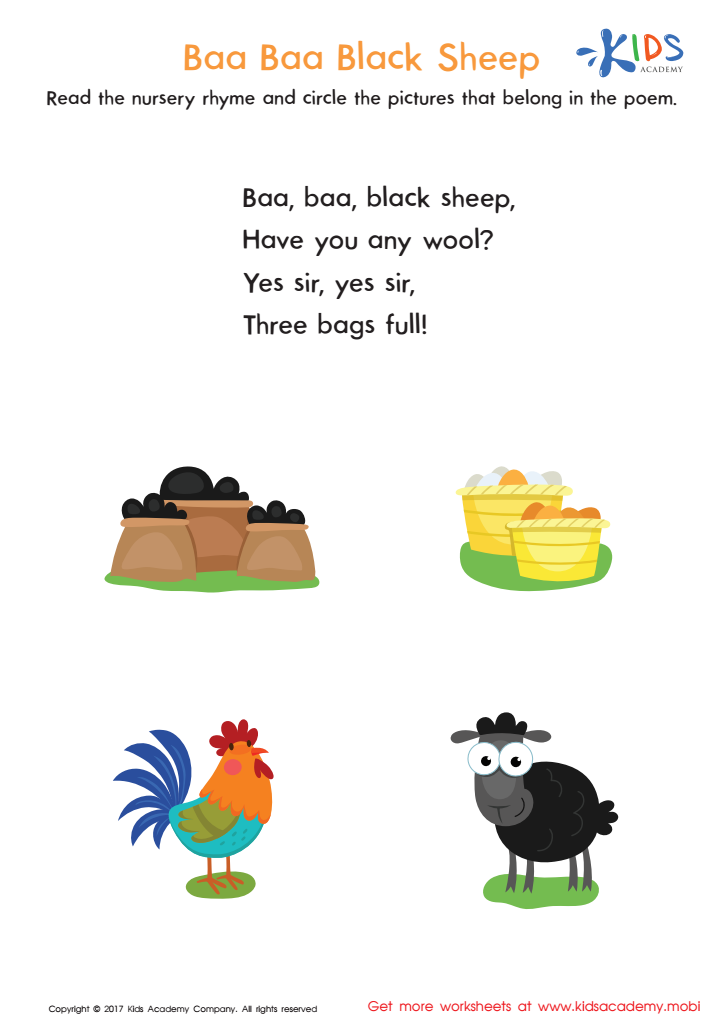
Baa Baa Black Sheep Printable
 Assign to My Students
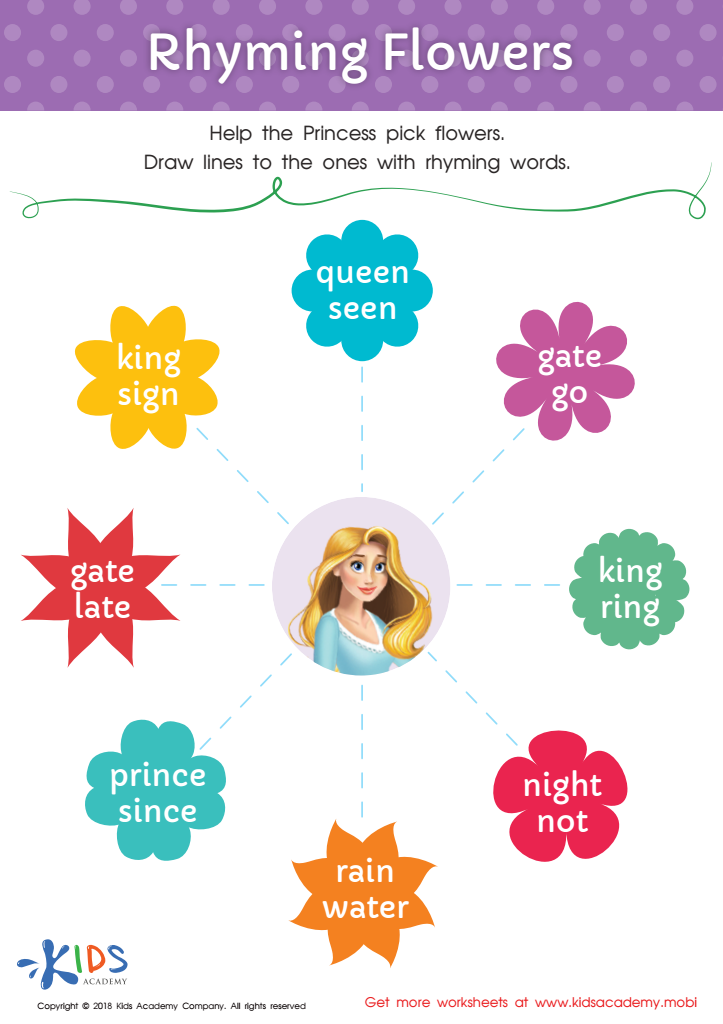
Rhyming Flowers Worksheet
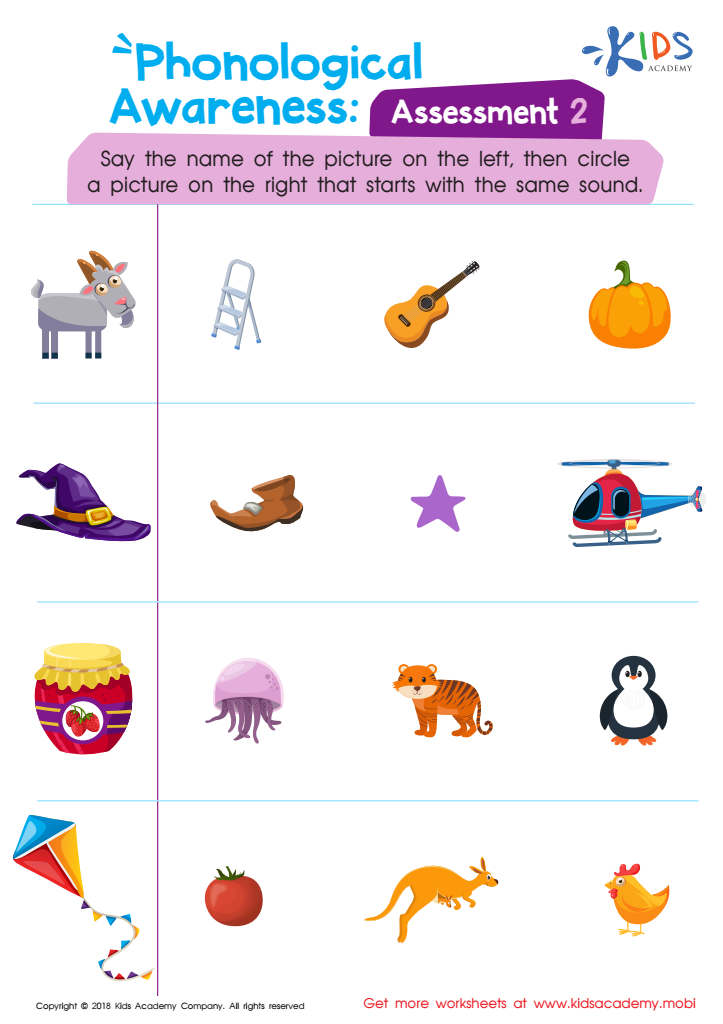
Phonological Awareness: Assessment 2 Worksheet
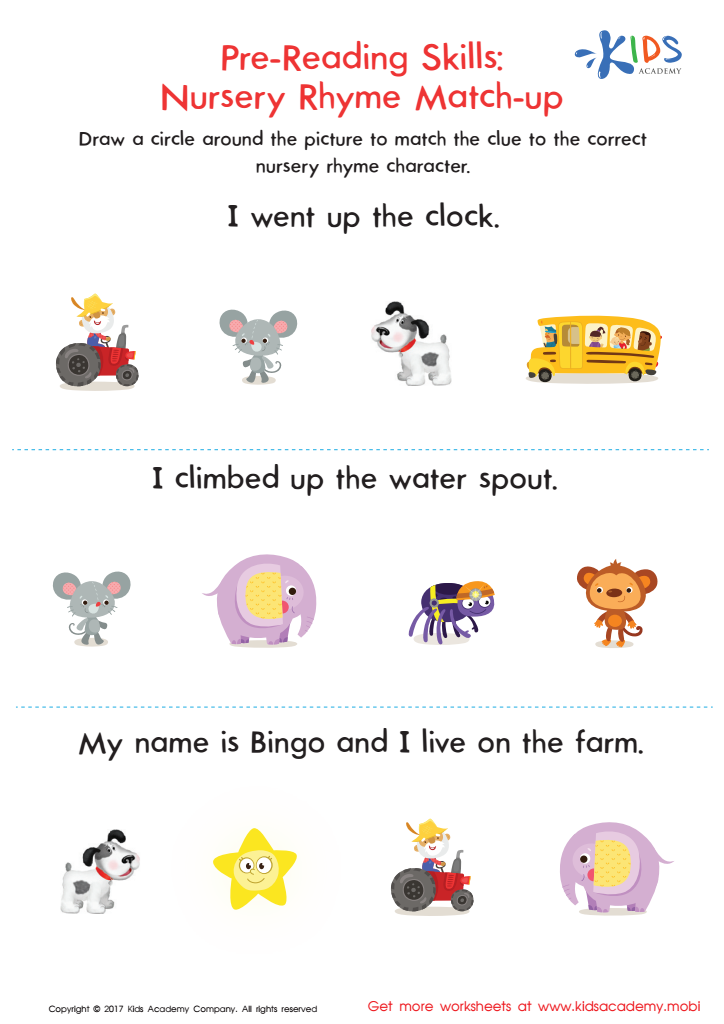
Nursery Rhyme Match–Up Worksheet
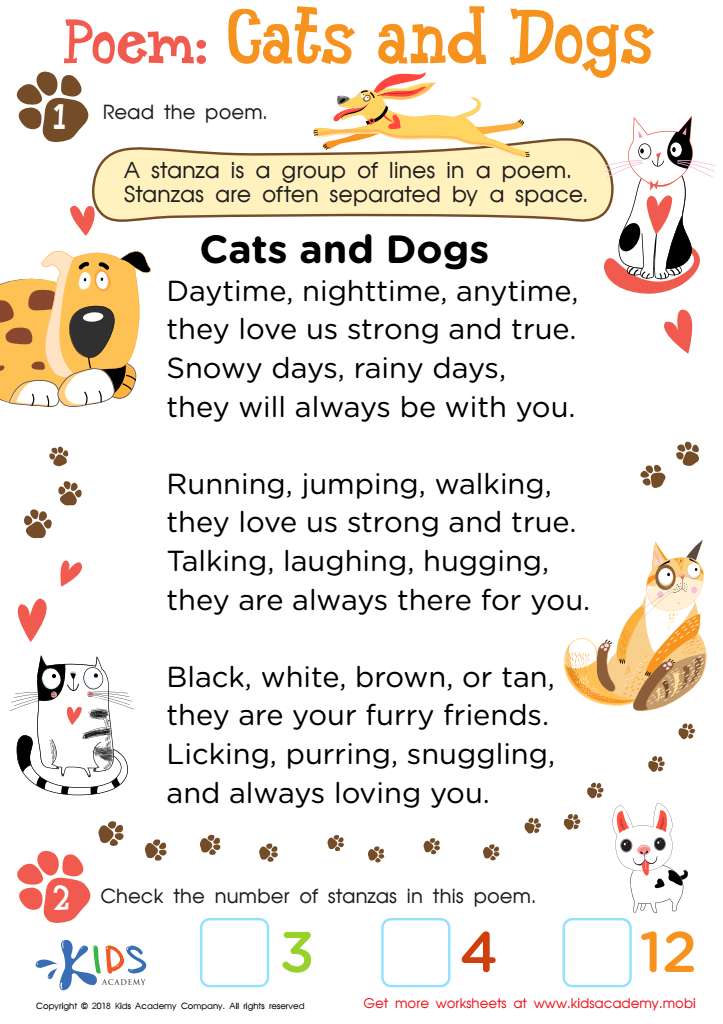
Poem: Cats and Dogs Worksheet




.jpg)

Rhyme recognition and the alphabet are foundational skills critical to literacy development for children ages 3-8. These skills greatly enhance phonological awareness, which is essential for reading proficiency. When children can recognize and generate rhymes, they develop a better understanding of sound patterns in words. This understanding lays the groundwork for decoding words when they begin to read.
Moreover, learning the alphabet provides children with the tools to identify letters and their corresponding sounds, an essential step in reading. When rhyme recognition is combined with alphabet knowledge, it can make learning to read and write more engaging and fun. Rhymes often come from engaging songs and poems that can captivate the imagination of young learners, making educational experiences enjoyable.
In addition, these skills promote vocabulary development, as children encounter new words in playful contexts. By fostering both rhyme recognition and alphabet knowledge, parents and teachers equip children with strong literacy foundations that improve their confidence and success as they advance in their education. Ultimately, these skills contribute to lifelong learning abilities, making them essential in today's fast-paced, information-rich world.







