Shape Recognition Alphabet Worksheets for Ages 3-8
4 filtered results
-
From - To
Explore our engaging Shape Recognition Alphabet Worksheets designed for children aged 3-8! These interactive resources help young learners develop essential shape recognition skills while intertwining letters of the alphabet. Each worksheet features fun activities that encourage kids to identify, trace, and match shapes, enhancing their cognitive development and fine motor skills. Perfect for classroom and home use, our worksheets promote creativity and foster a love for learning. Parents and teachers can easily download and print these versatile learning tools to support children's educational journey. Help your child build a strong foundation in shape recognition and the alphabet today!
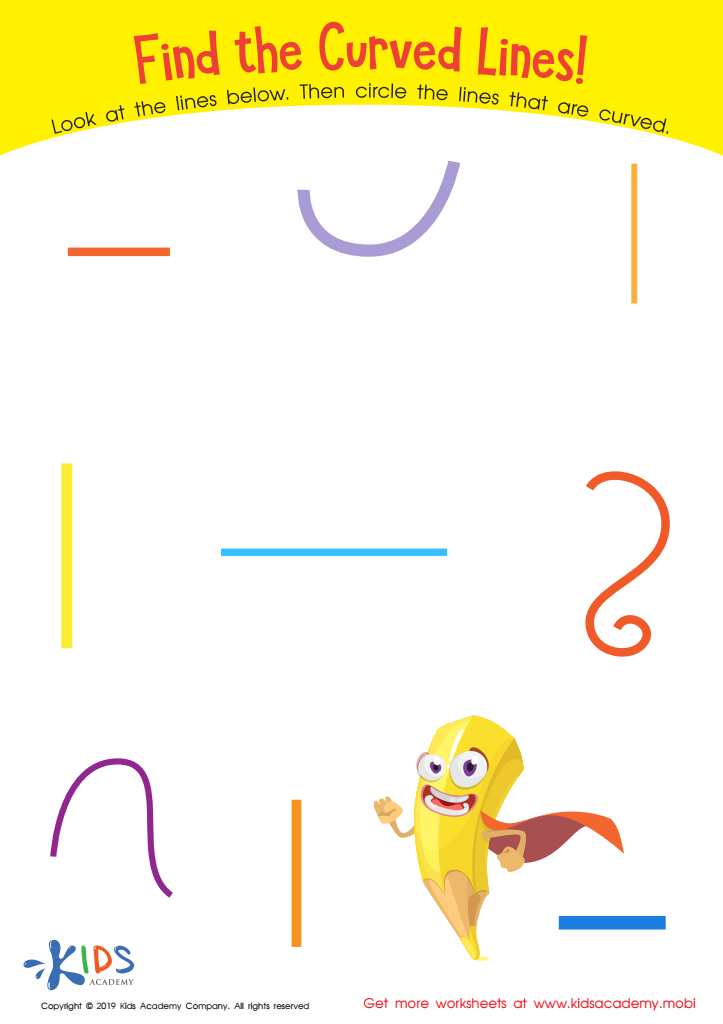
Find the Curved Lines! Worksheet
 Assign to My Students
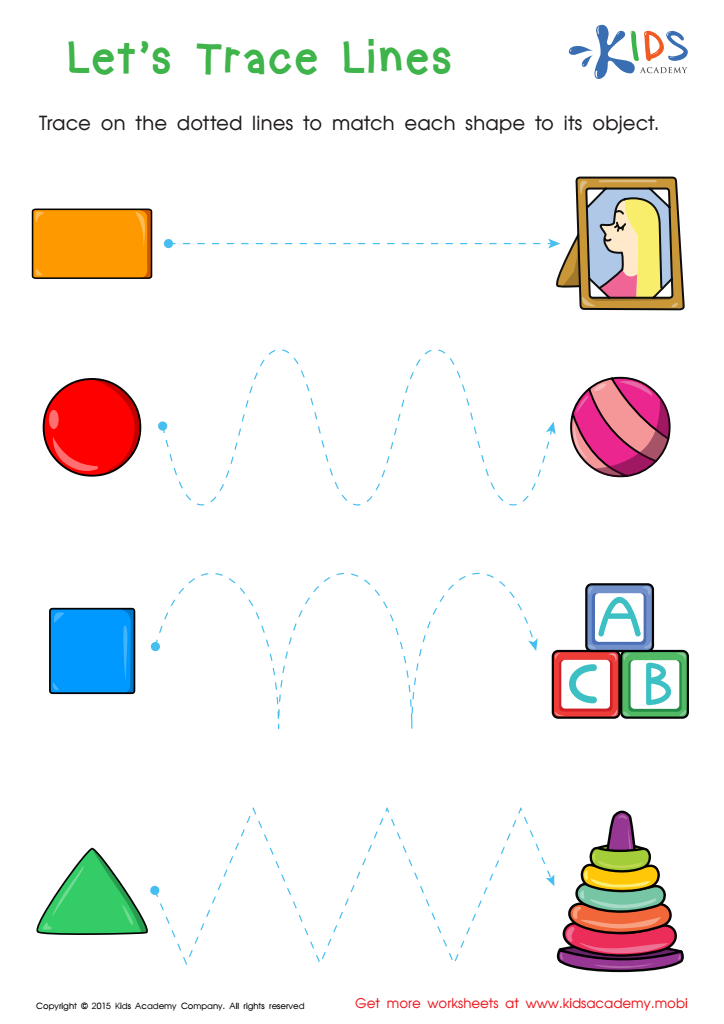
First Words: Let's Trace Lines Worksheet
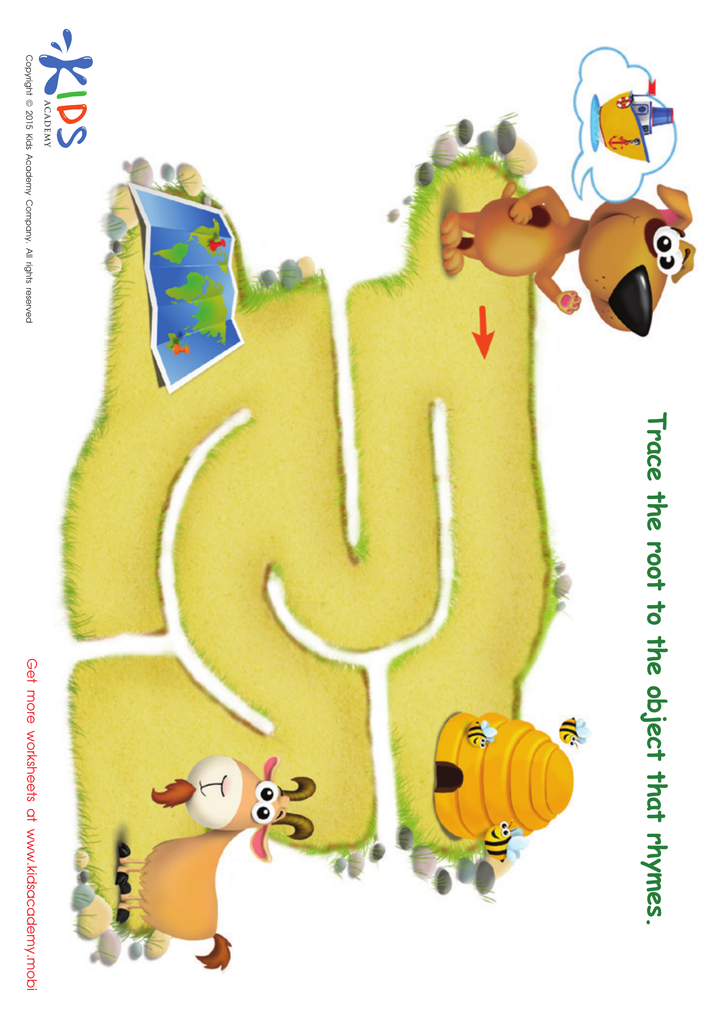
Boat Rhyming Words Worksheet
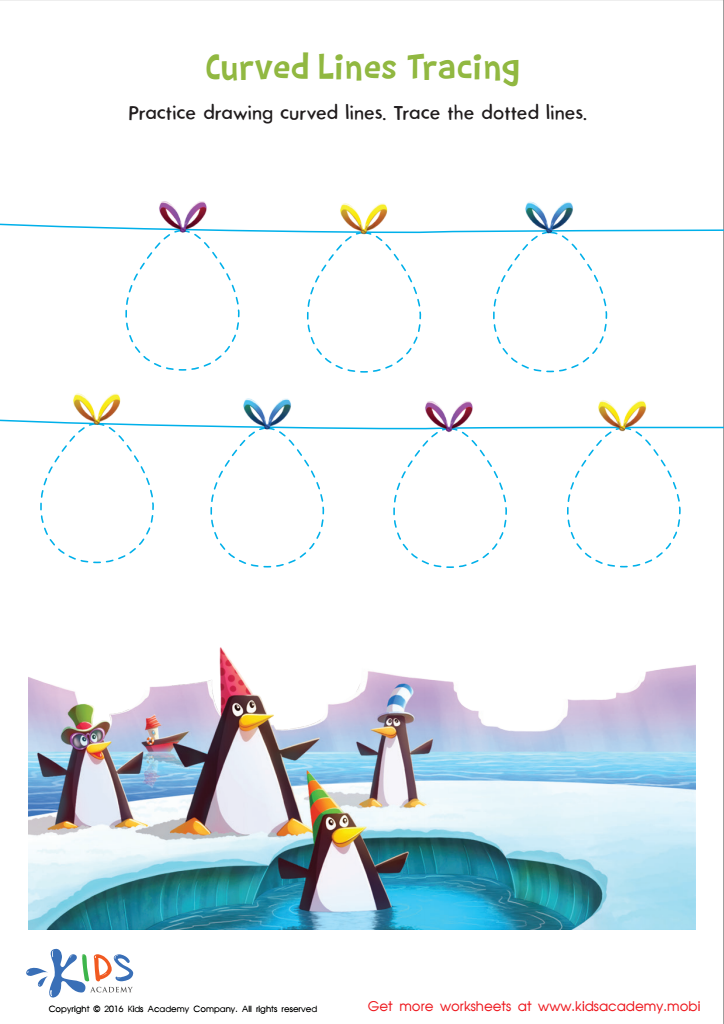
Curved Lines Tracing Worksheet






.jpg)
Shape recognition is a foundational skill that significantly contributes to a child's overall cognitive development, particularly for those aged 3-8. Understanding shapes lays the groundwork for more complex mathematical concepts, such as geometry and spatial awareness. When parents and teachers prioritize shape recognition, they are fostering critical thinking skills that enhance problem-solving abilities.
Additionally, recognizing shapes comes with the exploration of colors and patterns, further enriching a child’s learning experience. This multi-faceted learning approach can help improve hand-eye coordination, as children engage in activities that involve sorting, stacking, and matching shapes. Beyond academics, shape recognition is fundamental in a child’s ability to navigate the world; it helps them understand their environment, from recognizing street signs to understanding everyday objects.
Moreover, establishing a solid grasp of shapes early on contributes to a child’s self-confidence in learning processes. Engaged and successful learners are more likely to develop a passion for exploration and inquiry, which are critical for lifelong learning. Alignment with educational standards also necessitates a well-rounded curriculum that includes shape recognition, ensuring that children are prepared for future academic challenges. In summary, taking shape recognition seriously equips young learners with essential skills for personal and academic growth.







