Alphabet Recognition Letter I Worksheets for Ages 3-8
3 filtered results
-
From - To
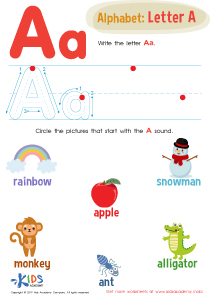
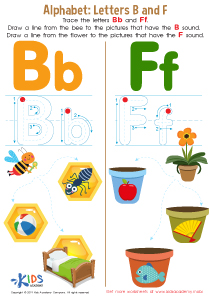
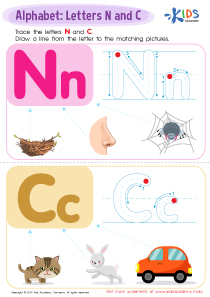
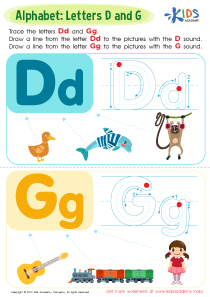
Boost your child's alphabet skills with our engaging "Alphabet Recognition Letter I Worksheets." Designed specifically for ages 3-8, these printable sheets are perfect for toddlers, preschoolers, and early elementary students. Our worksheets incorporate fun activities, from coloring and tracing to unique games, ensuring kids enjoy learning the letter I. By integrating various methods, these resources help enhance letter recognition, improve handwriting, and build foundational literacy skills. Whether at home or in the classroom, our "Letter I" worksheets offer an effective and enjoyable way to support your child's educational journey. Download today and watch your child’s confidence soar!
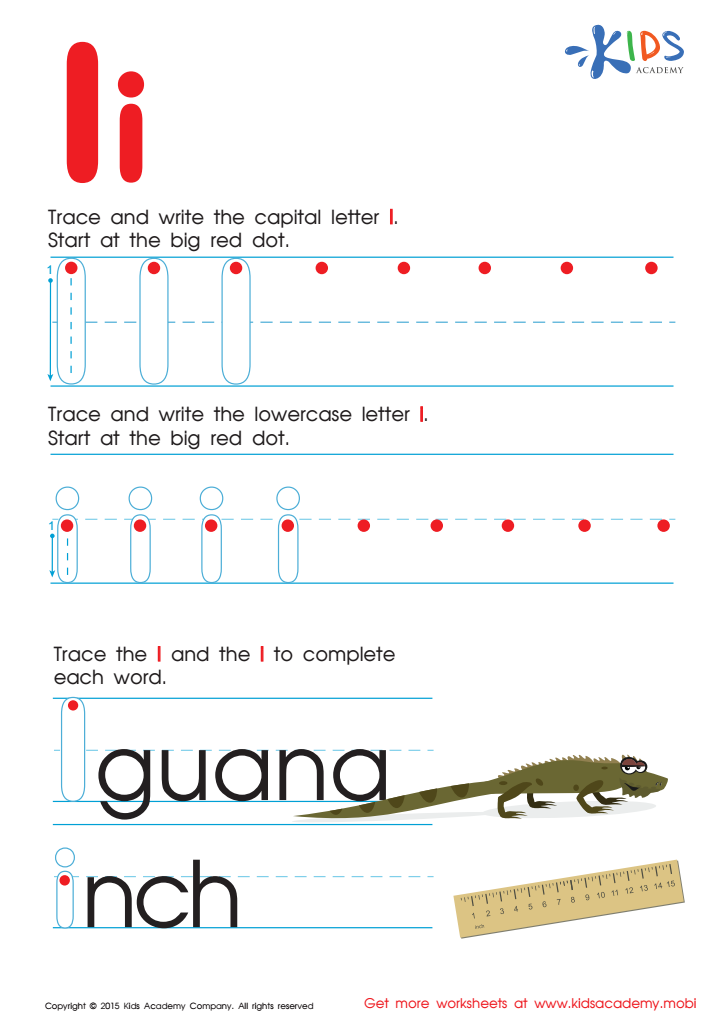
Letter I Tracing Page
 Assign to My Students
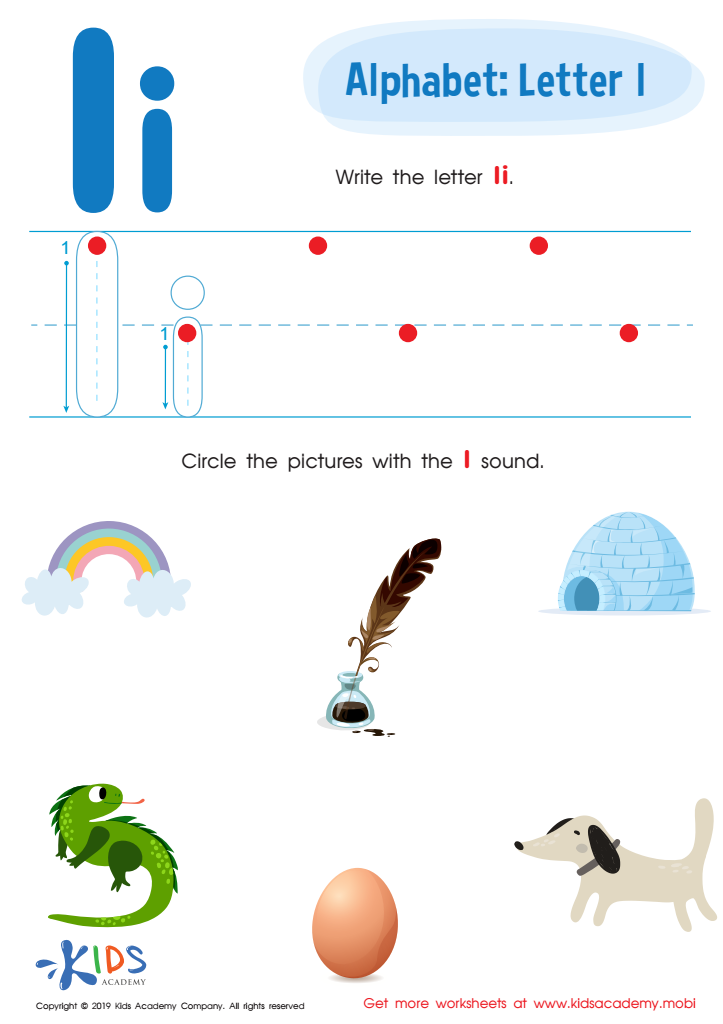
Letter I Tracing Worksheet
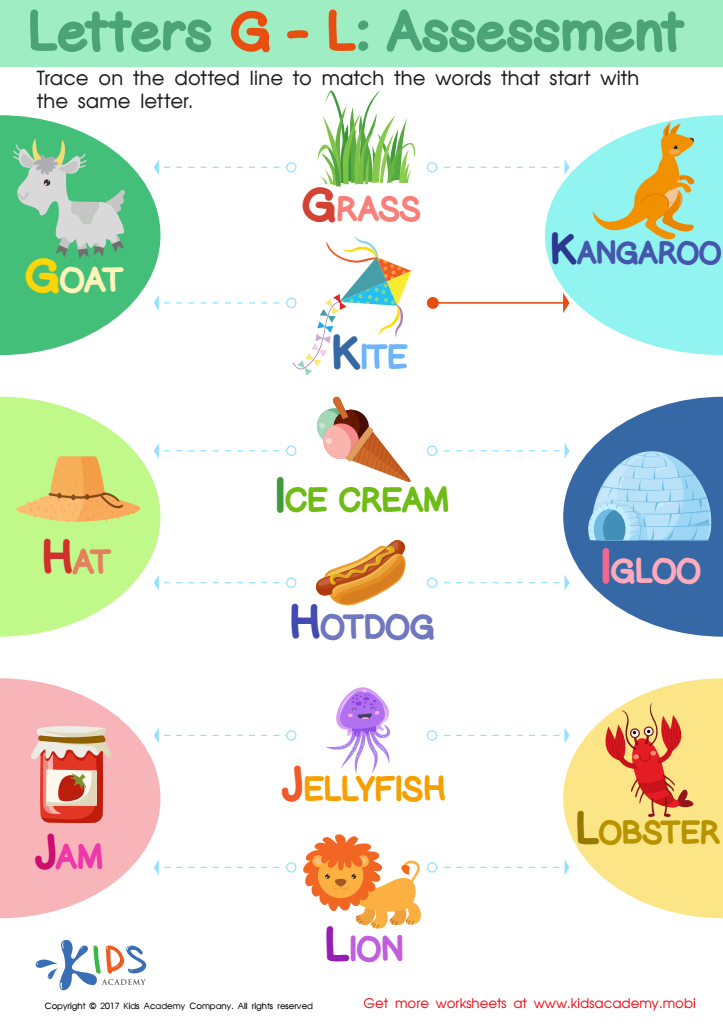
Letters G-L Worksheet







Alphabet recognition is a foundational skill that significantly impacts a child's literacy development, particularly for ages 3-8. Understanding the alphabet, including the letter "I," is essential for several reasons.
First, recognizing individual letters enables children to begin forming connections between written symbols and their corresponding sounds, known as phonemic awareness. For instance, knowing the letter "I" allows children to identify words that start or include this vowel, such as "insect" or "ship," and pronounce them correctly.
Moreover, early mastery of alphabet recognition, including nurturing familiarity with the letter "I," encourages confidence in reading and writing. It facilitates spelling and word formation as children use individual letters to construct meaning. Activities focused on identifying, tracing, and using the letter "I" in different contexts bolster cognitive skills and support memory retention.
For parents and teachers, integrating engaging and variably challenging alphabet recognition exercises into daily routines helps sustain motivation and interest. For instance, through storytelling, songs, or drawing exercises can make learning the letter "I" enjoyable and memorable for the child.
In conclusion, nurturing alphabet recognition for the letter "I" lays the groundwork for robust literacy skills, enabling children to progress confidently through more complex language tasks as they advance academically.