
Alphabet sequencing Letter Recognition Worksheets for Ages 3-8
6 filtered results
Difficulty Level
Grade
Age
-
From - To
Subject
Activity
Standards
Enhance your child's literacy skills with our Alphabet Sequencing Letter Recognition Worksheets, specifically designed for ages 3-8! These engaging worksheets help young learners identify, organize, and sequence letters of the alphabet, laying a strong foundation for reading and writing. Each activity is crafted to promote letter recognition in a fun and interactive way, making learning enjoyable. Perfect for both classroom and home settings, our printable resources cater to various learning styles and abilities. Foster confidence and spark curiosity in your little ones as they embark on their journey to becoming skilled readers! Explore our collection today and watch them flourish.
Favorites
With answer key
Interactive
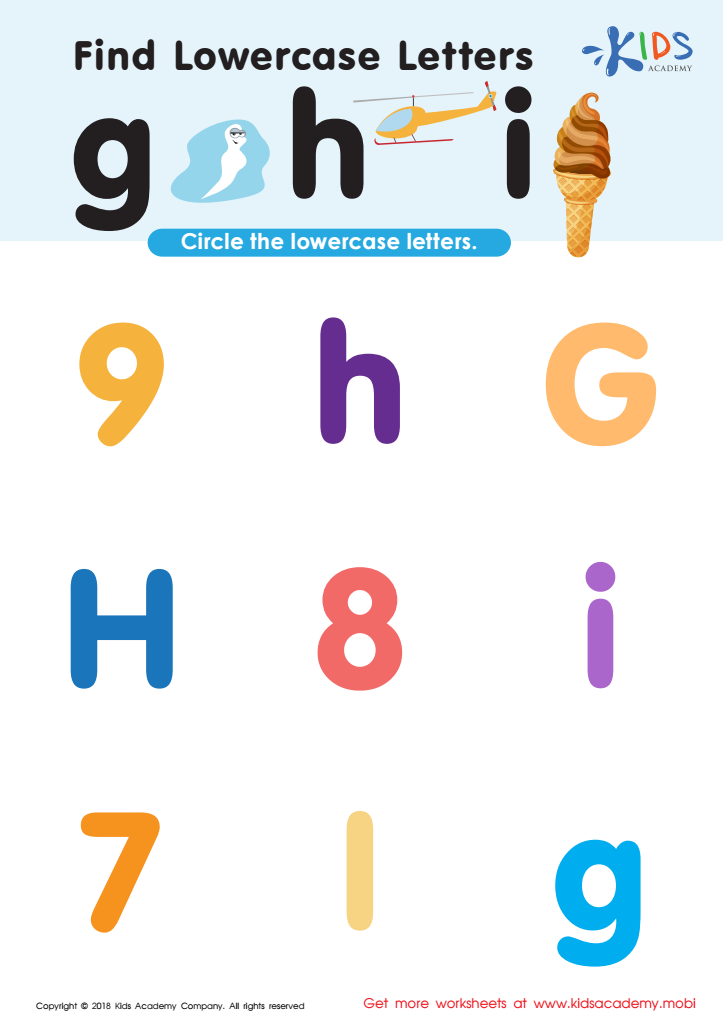
Find Lowercase Letters g h i Worksheet
Turn learning into a fun journey with your child! Use this free worksheet to find and circle the lowercase letters hidden amongst uppercase letters and numbers. Your child will understand what you're teaching them as they enjoy the search.
 Assign to My Students
Find Lowercase Letters g h i Worksheet
Worksheet
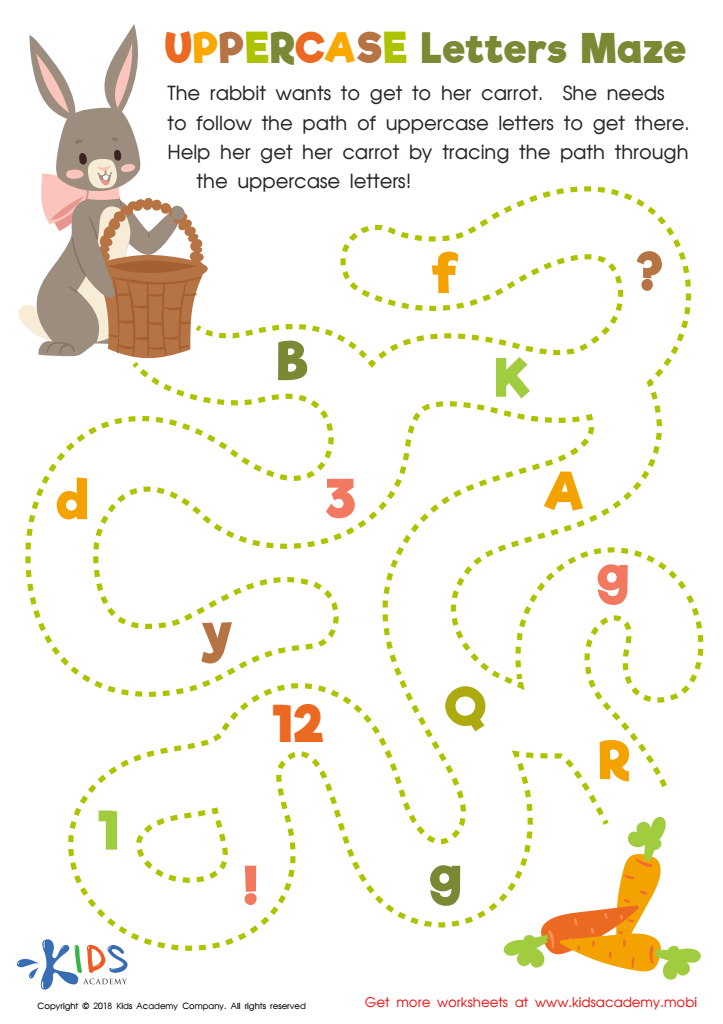
Uppercase Letters Maze Worksheet
Kids can have fun helping a rabbit find her carrot by picking the path with uppercase letters. This worksheet teaches letter differentiation while building confidence. Kids will have a great time while getting an essential skill!
Uppercase Letters Maze Worksheet
Worksheet
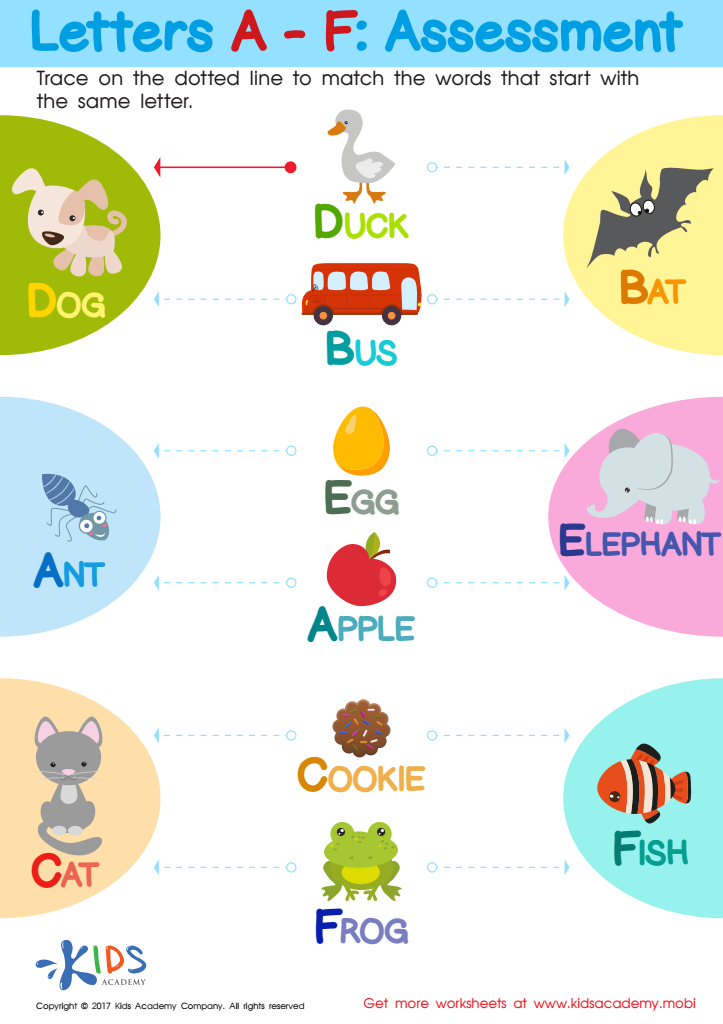
Letters A - F Worksheet
Help your child develop their reading skills with this fun phonics worksheet aimed at preschoolers. They can match letters A-F using colorful words and pictures. Assist your child by sounding out the letters and words - it's a great way to learn!
Letters A - F Worksheet
Worksheet
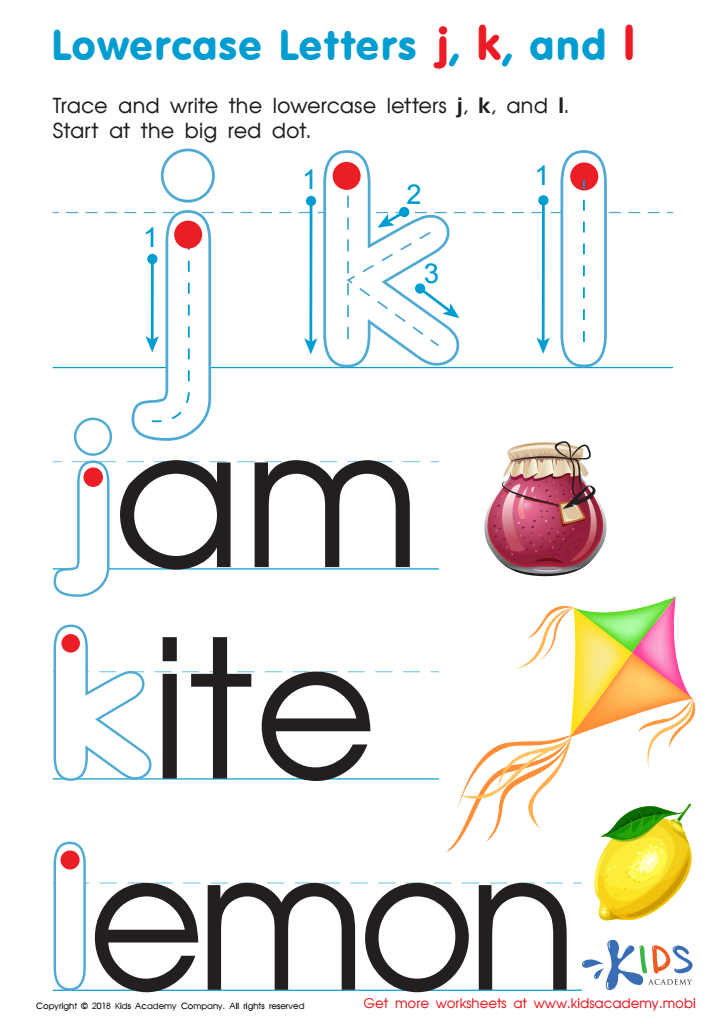
Lowercase Letters j k l Worksheet
Teach your child the difference between uppercase and lowercase letters. Have them trace and write the lowercase letters j, k, and l, starting at the red dot. Guide your child's hand to form the letters correctly.
Lowercase Letters j k l Worksheet
Worksheet
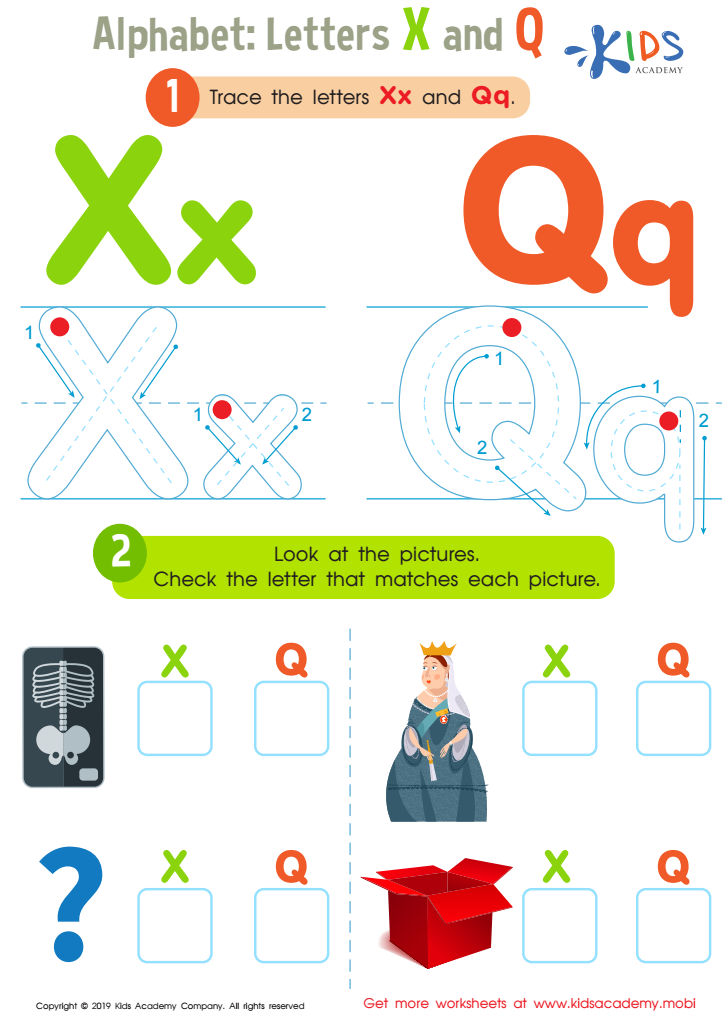
Letters X and Q Tracing Worksheet
Do you want your students to improve writing and letter recognition? This worksheet is a great place to start! Kids can trace the letters «X» and «Q» and identify pictures that match each letter. With a little encouragement, they'll do a great job!
Letters X and Q Tracing Worksheet
Worksheet
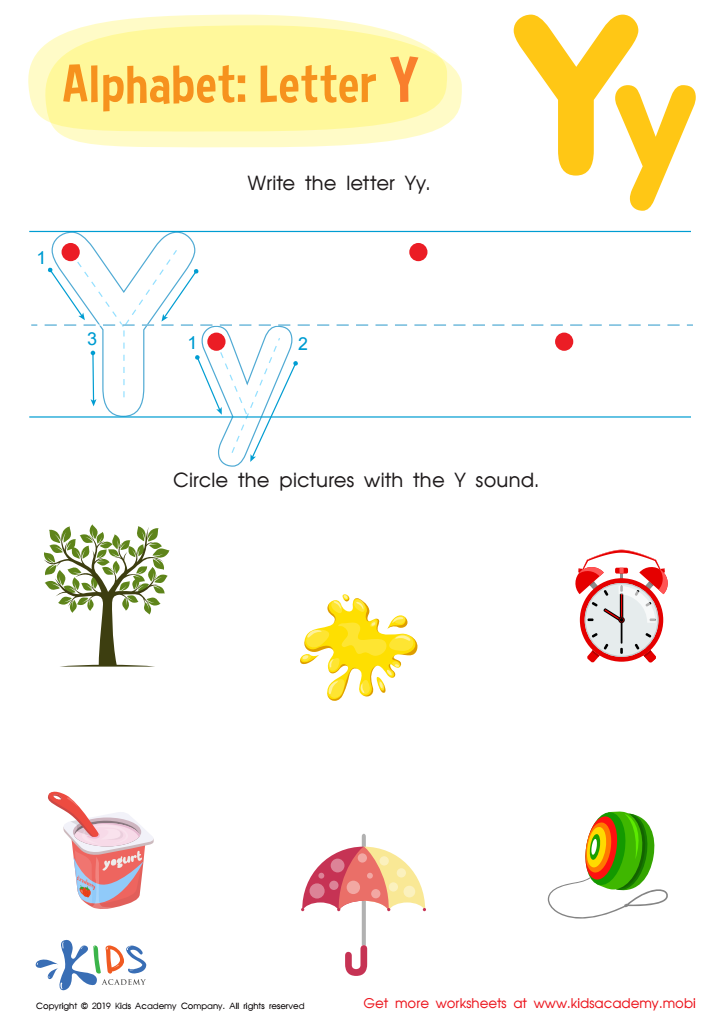
Letter Y Tracing Worksheet
Does your child need help with learning the final letters of the alphabet? This PDF worksheet is perfect then! Kids can practice tracing the letter «Y» and circle pictures that start with the same sound. Options include «yellow» and «yogurt». It's a great way of honing their letter-learning skills.
Letter Y Tracing Worksheet
Worksheet
Join Kids Academy for Free
Who is primarily going to use this learning content?








Alphabet sequencing and letter recognition are foundational skills crucial for early literacy development in children aged 3-8. Recognizing letters and understanding their order are key components that facilitate reading and writing abilities. When children can identify letters, they build the necessary skills to decode words and, consequently, comprehend texts. This is especially important as they transition from pre-reading stages to early reading fluency.
Parents and teachers should prioritize these skills because they directly impact a child's self-esteem and confidence in academic settings. Mastery of the alphabet can foster a love for reading, encouraging students to engage with books and expand their vocabulary. Moreover, children who struggle with letter recognition may experience difficulty in subsequent learning phases, affecting their overall educational journey.
By incorporating interactive and fun activities—such as songs, games, and practical identification exercises—adults can create a supportive learning environment. This ensures children not only learn letter shapes and sounds but also develop a positive attitude toward learning. Ultimately, fostering strong alphabet sequencing and letter recognition lays a solid foundation for lifelong literacy skills, which are essential for future academic success and personal development.







