Letter recognition Letter Recognition Worksheets for Ages 3-8
63 filtered results
-
From - To
Welcome to our Letter Recognition Worksheets designed for children ages 3-8! Our engaging and fun worksheets help young learners identify and distinguish letters, laying the foundation for reading and writing skills. Featuring a variety of activities, including tracing, coloring, and matching exercises, these resources cater to different learning styles and keep your little ones entertained. With vibrant visuals and age-appropriate guidance, our worksheets encourage exploration and creativity while reinforcing essential alphabet knowledge. Perfect for home, preschool, or kindergarten settings, our Letter Recognition Worksheets will inspire early learning and a lifelong love for reading. Download today and boost your child's confidence!
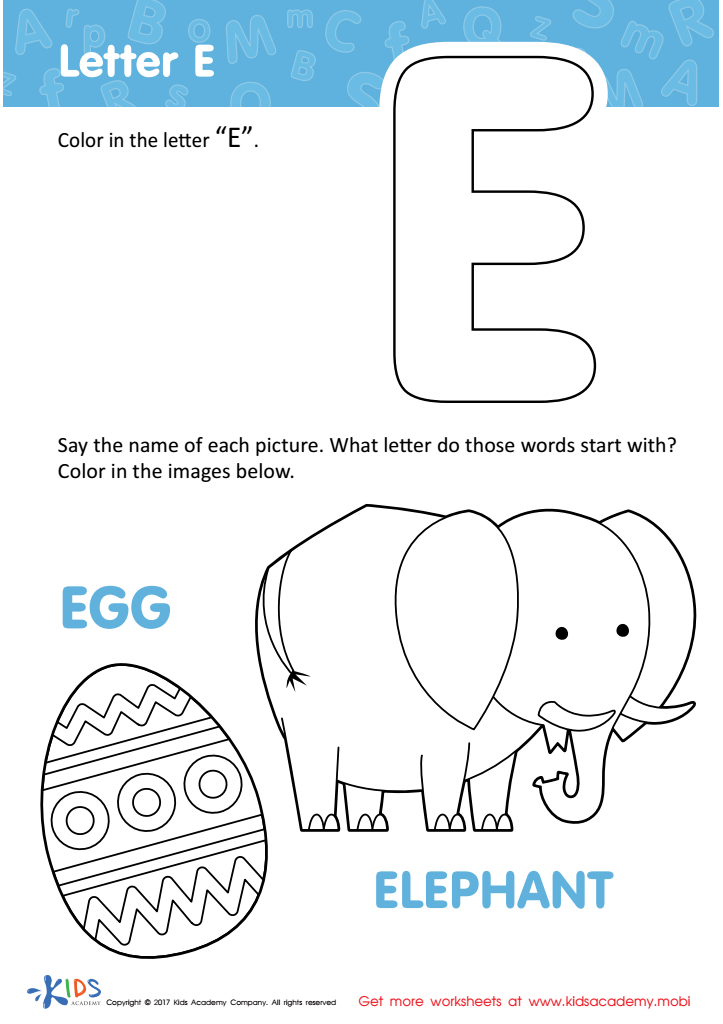
Letter E Coloring Sheet
 Assign to My Students
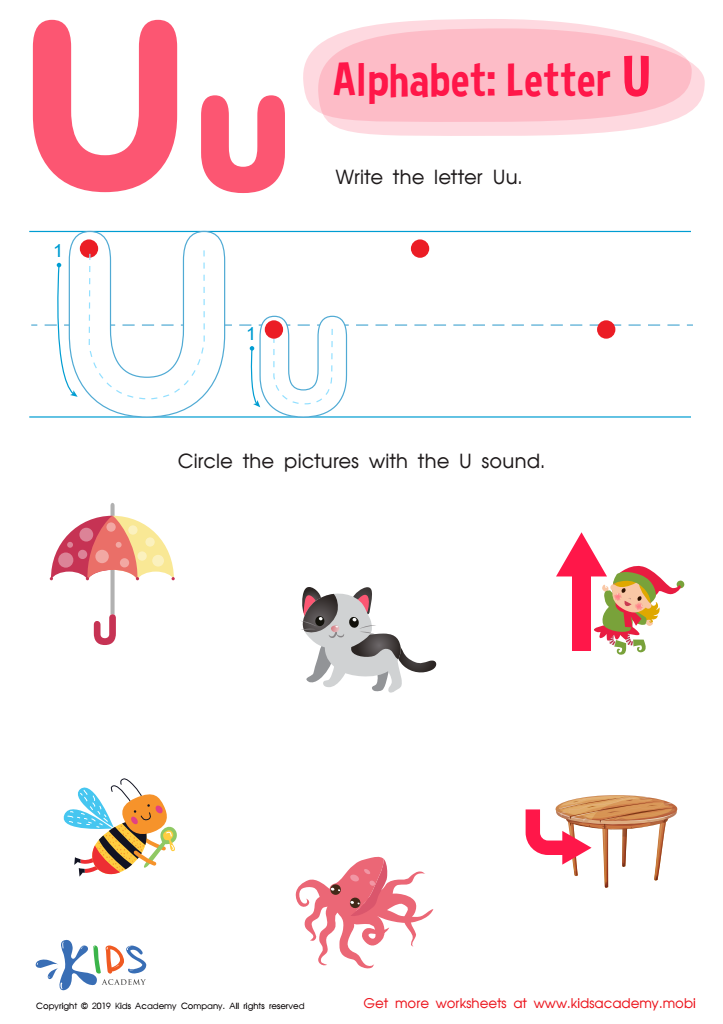
Letter U Tracing Worksheet
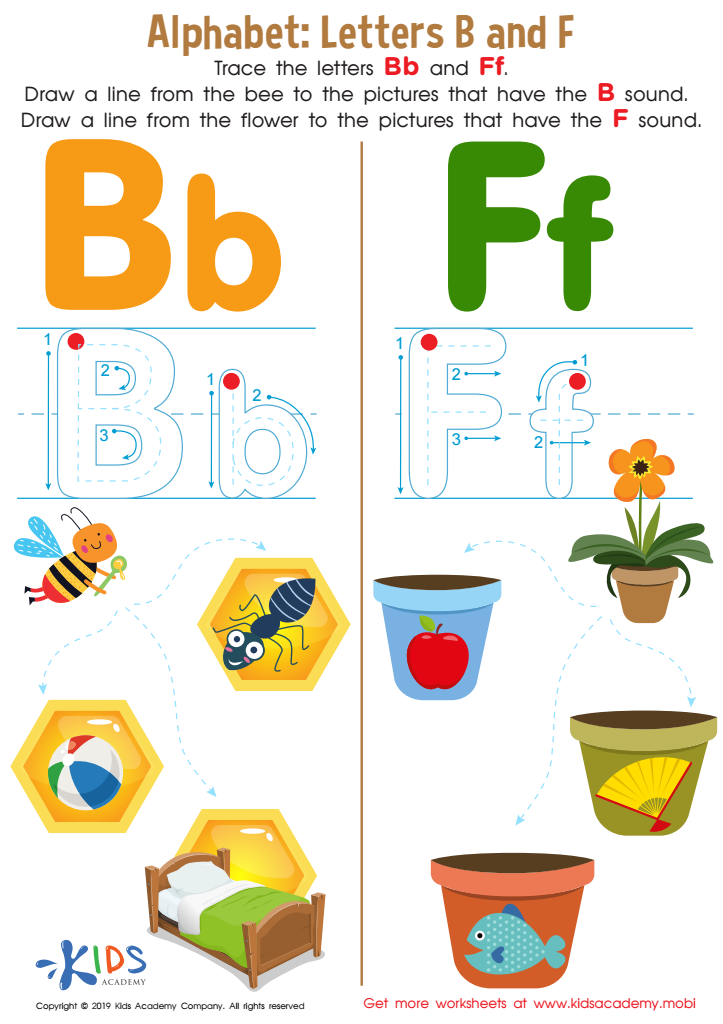
Letters B and F Tracing Worksheet
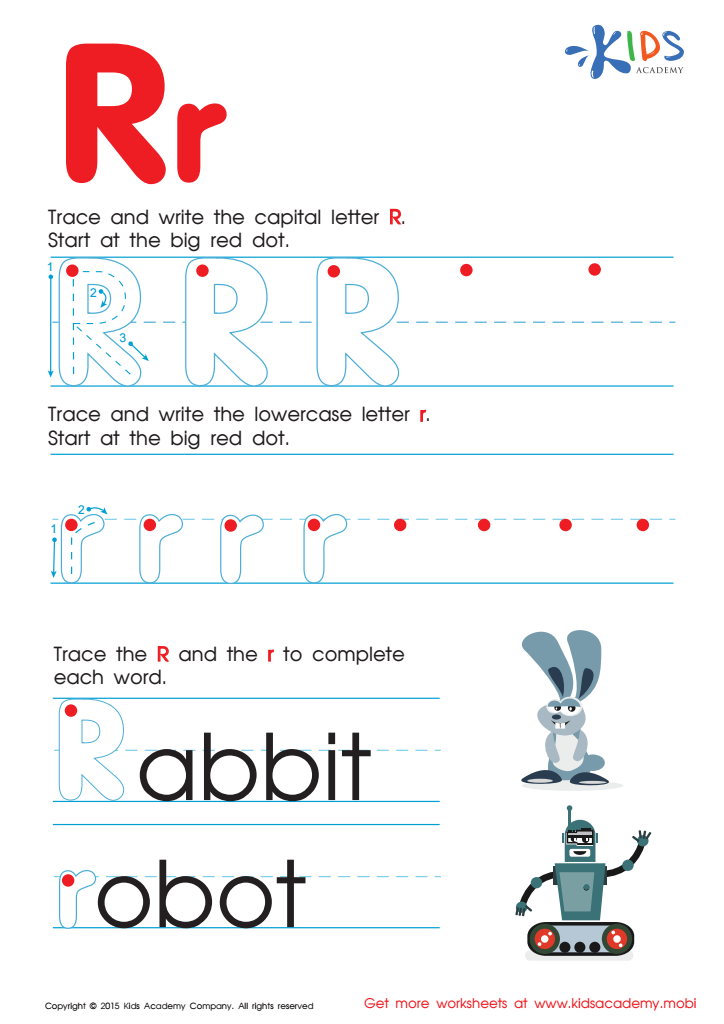
Letter R Tracing Page
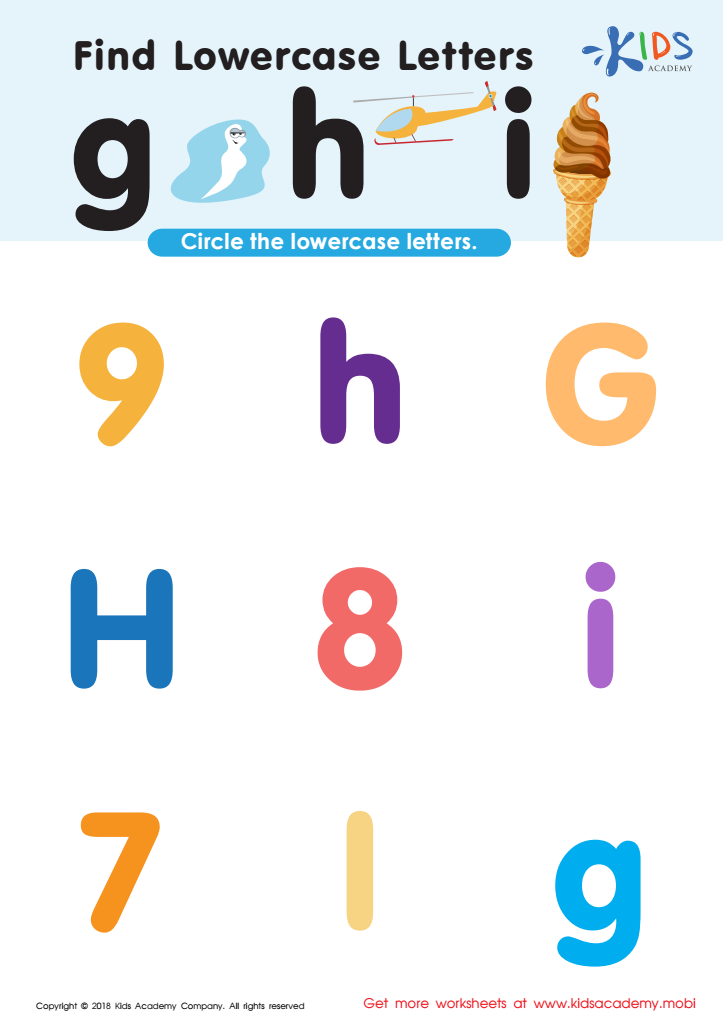
Find Lowercase Letters g h i Worksheet
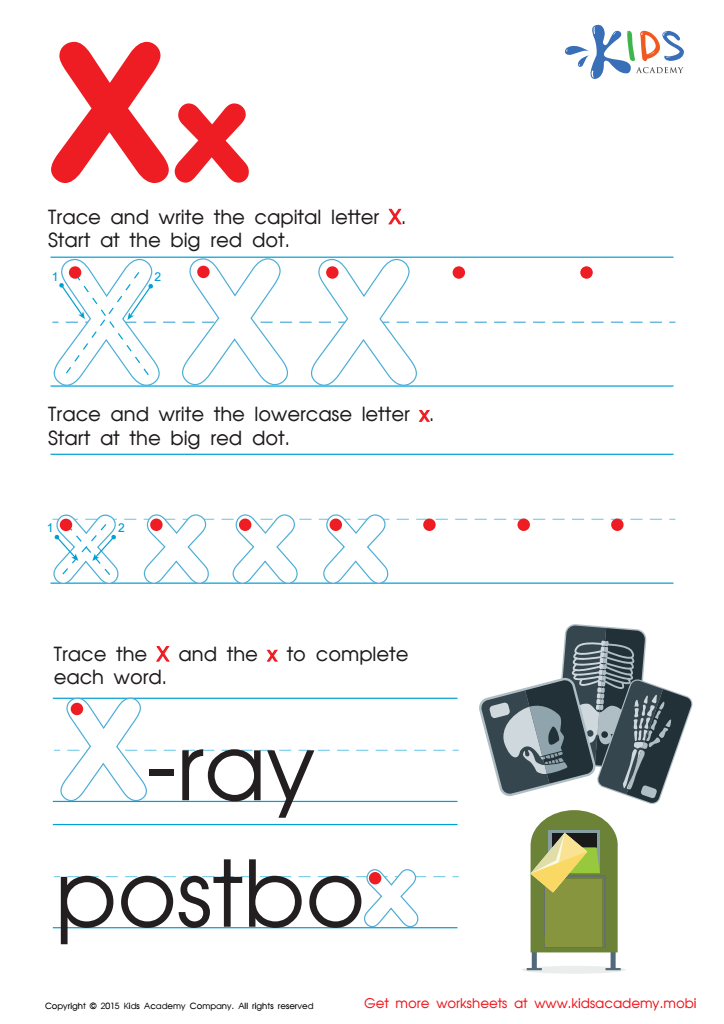
Letter X Tracing Page
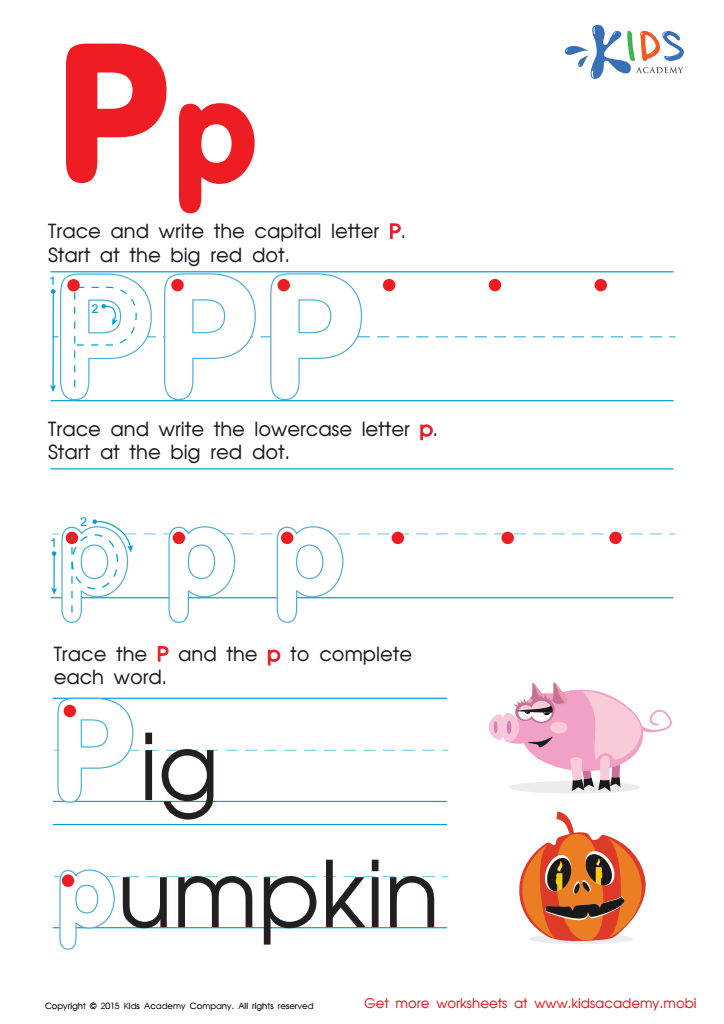
Letter P Tracing Page
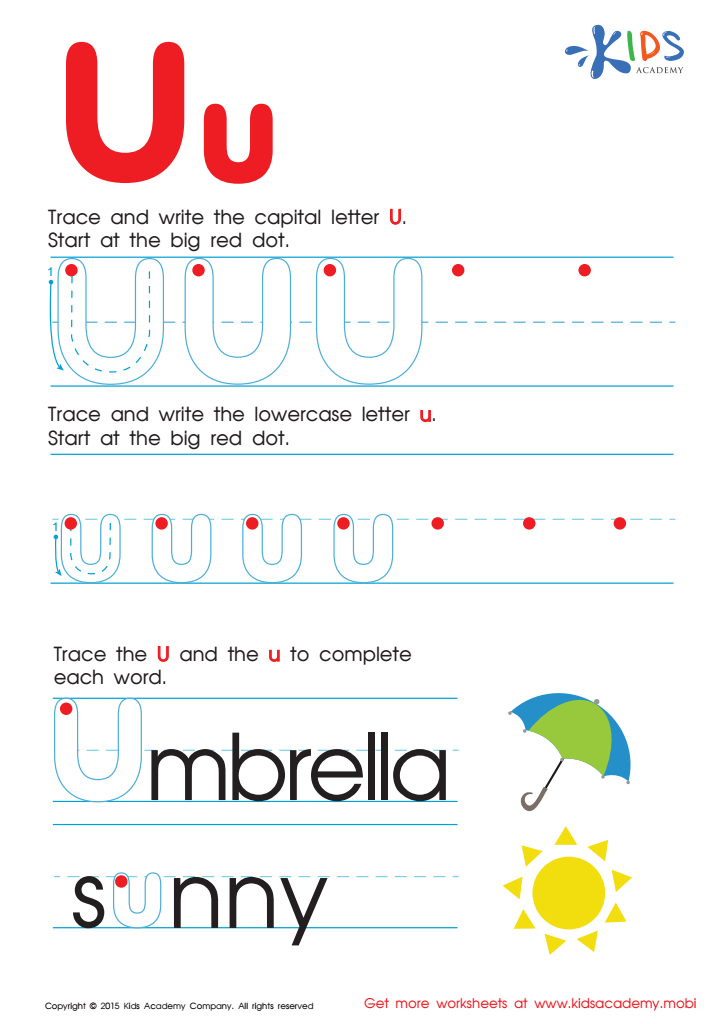
Letter U Tracing Page
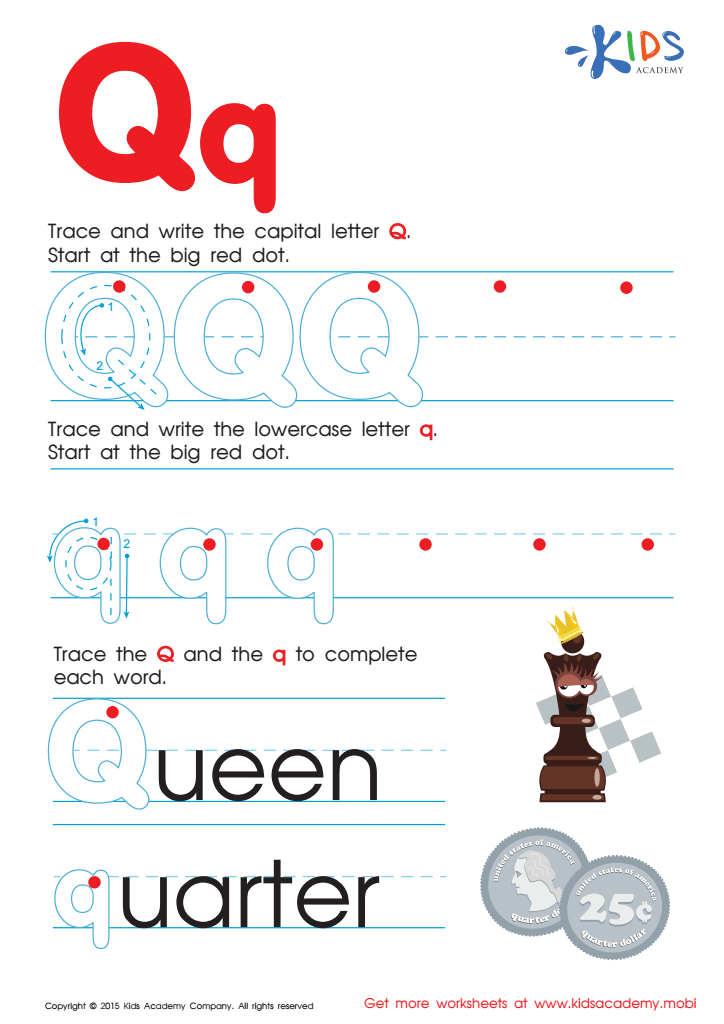
Letter Q Tracing Page
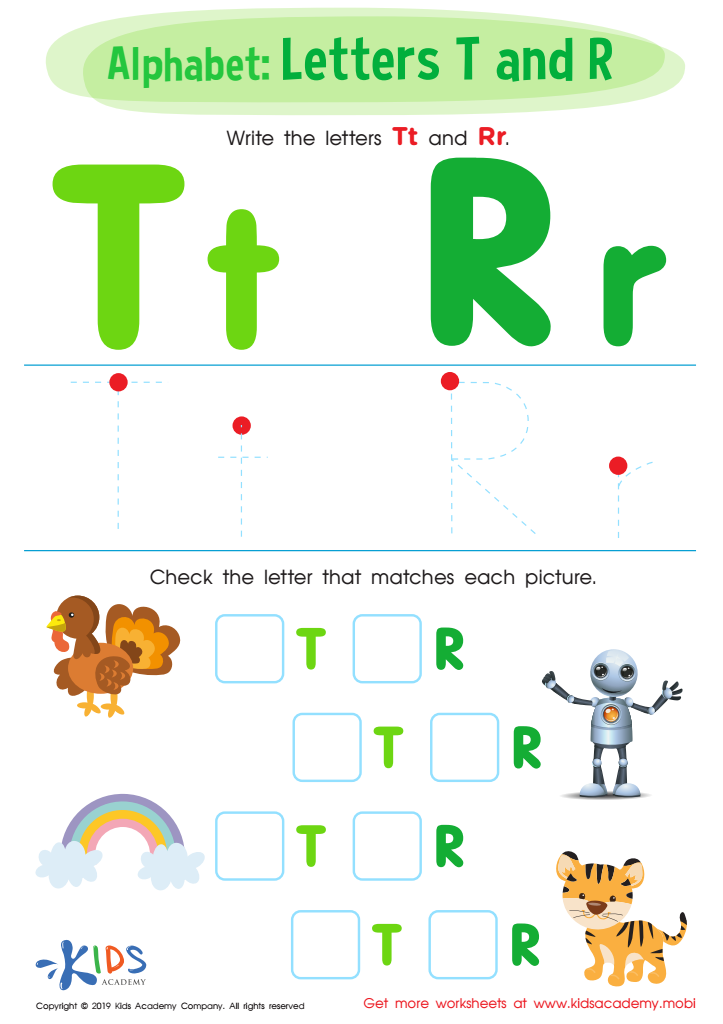
Letters T and R Worksheet
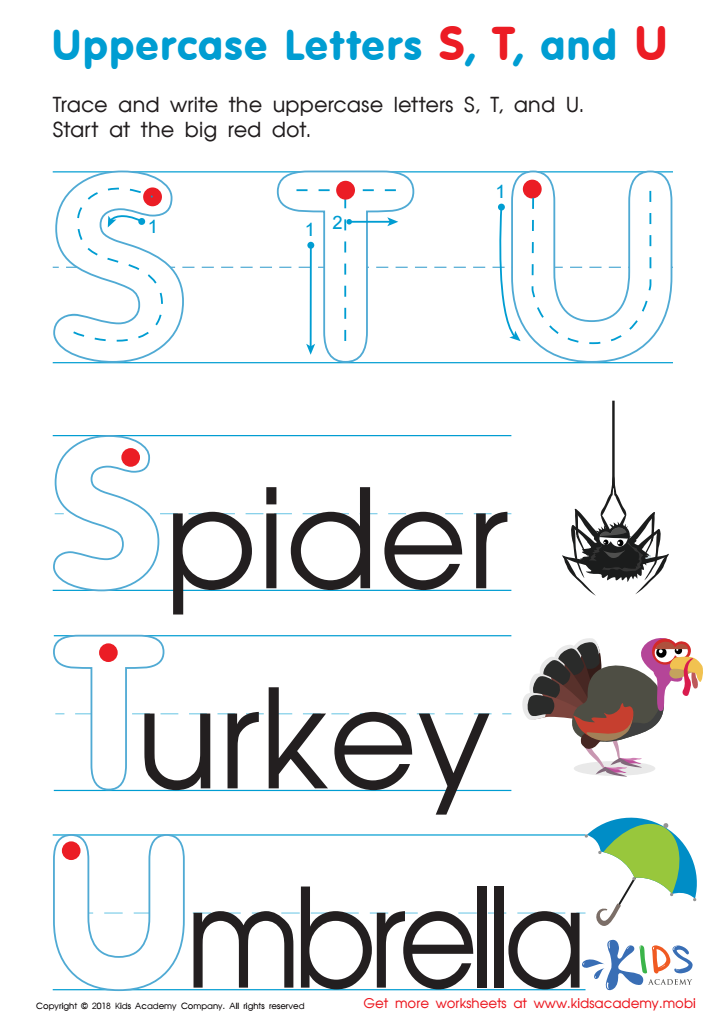
Uppercase Letters S, T, and U Worksheet
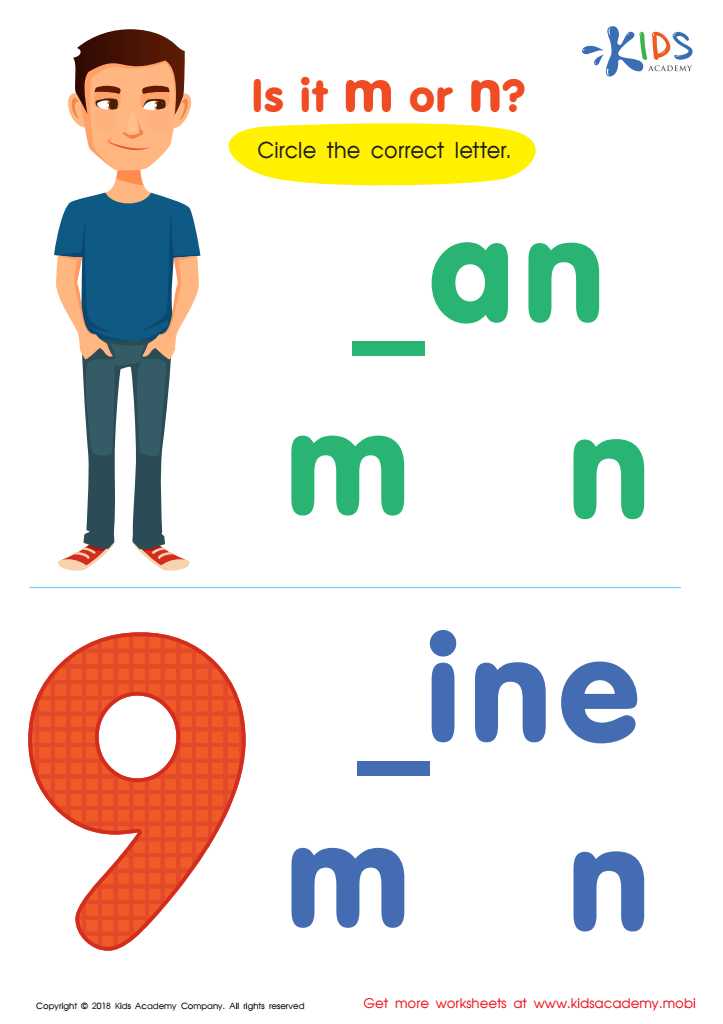
Is It m or n? Worksheet
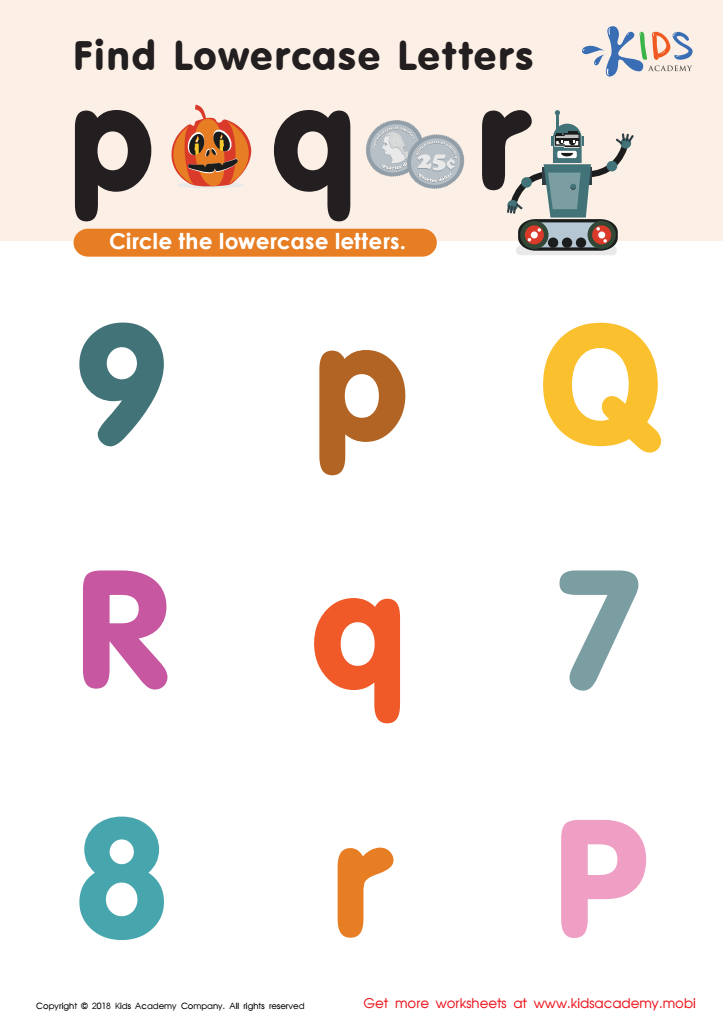
Find lowercase Letters p q r Worksheet
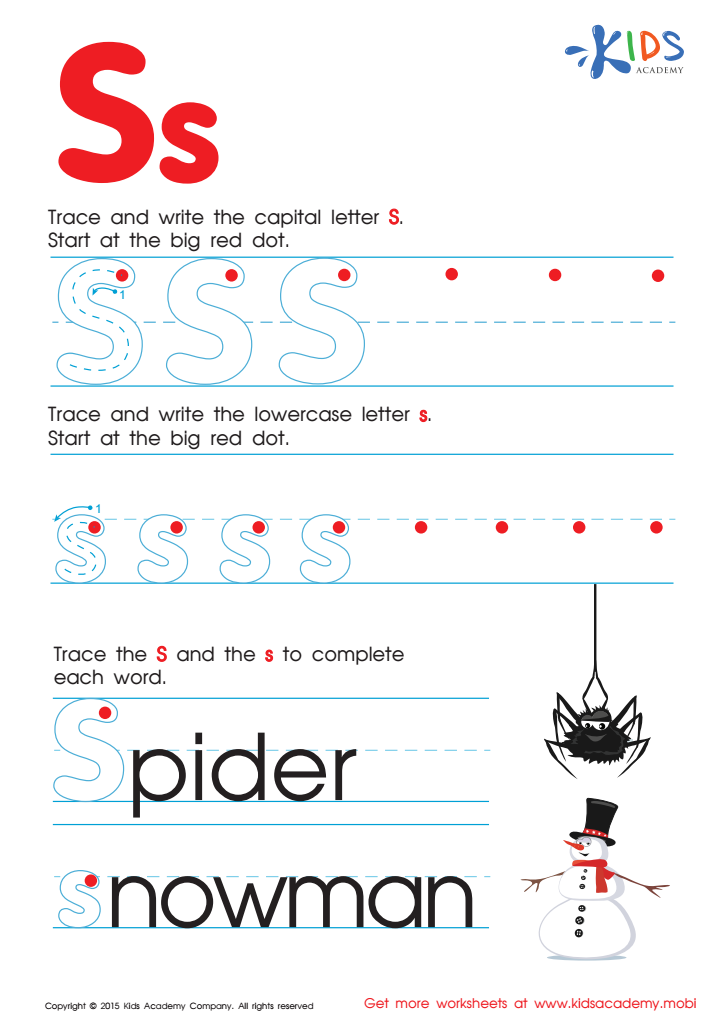
Letter S Tracing Page
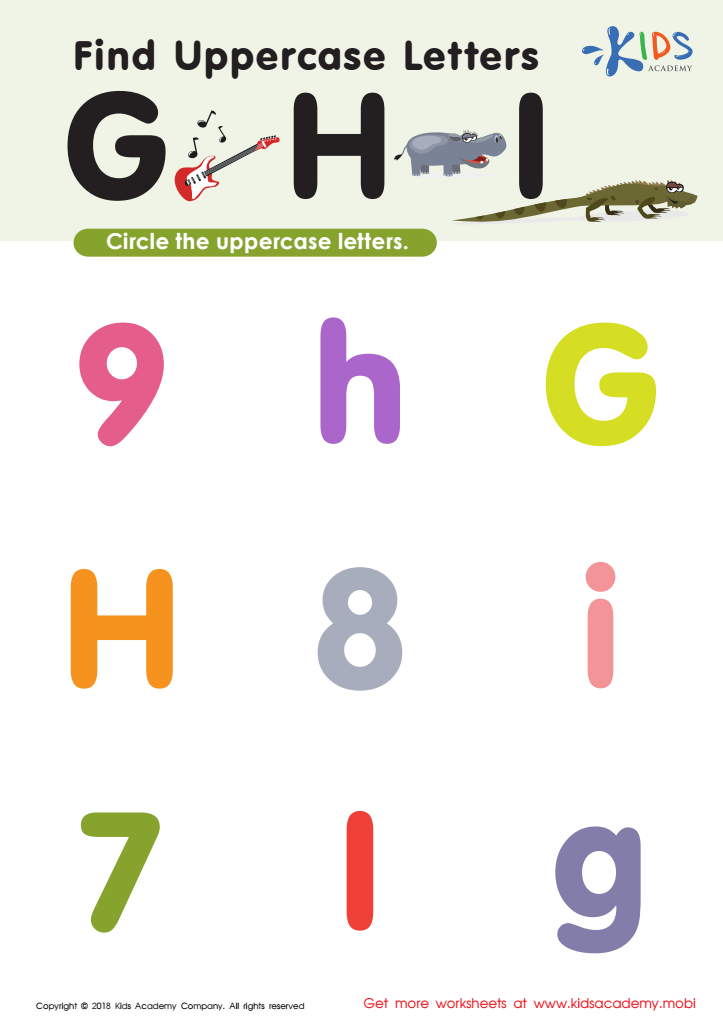
Find Uppercase Letters G, H, and I Worksheet
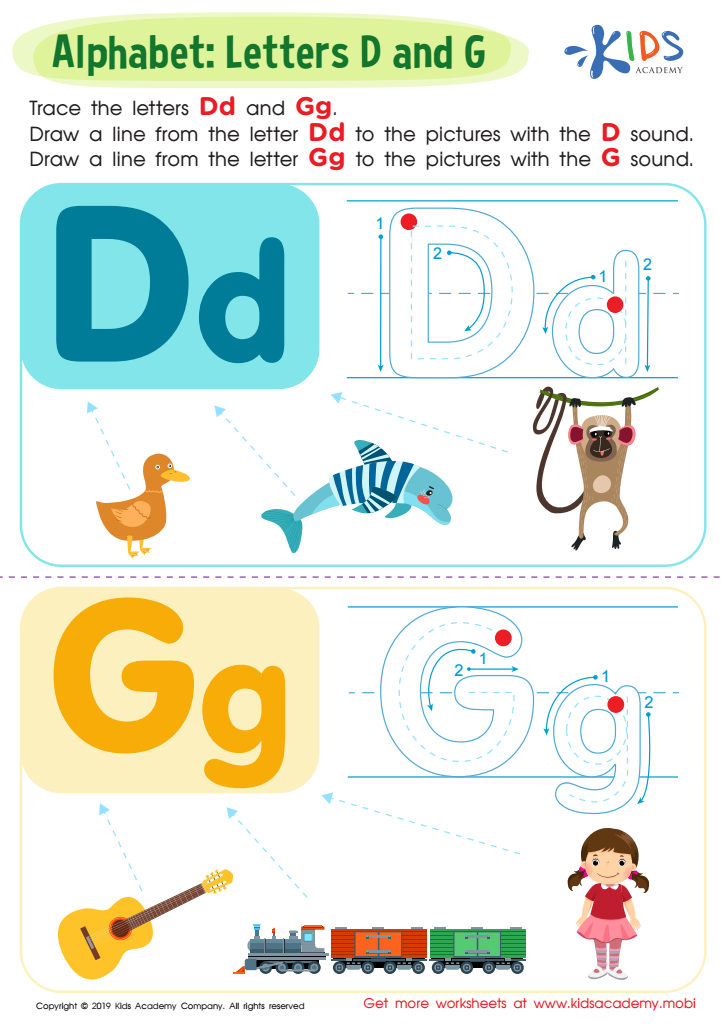
Letter D and G Tracing Worksheet
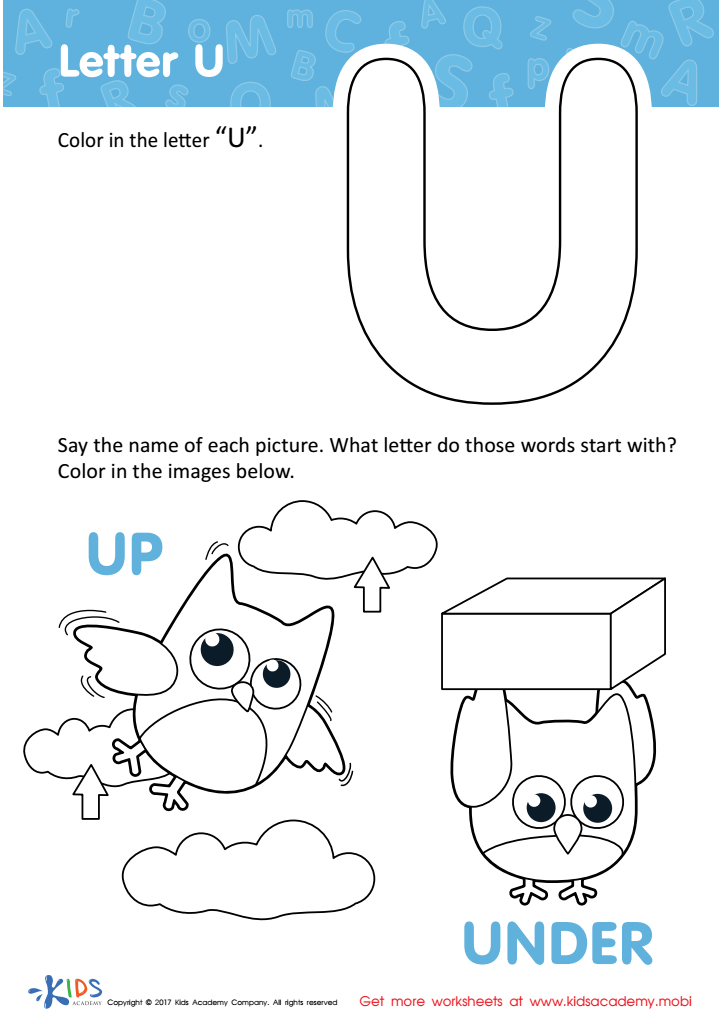
Letter U Coloring Sheet
Assign to My Students
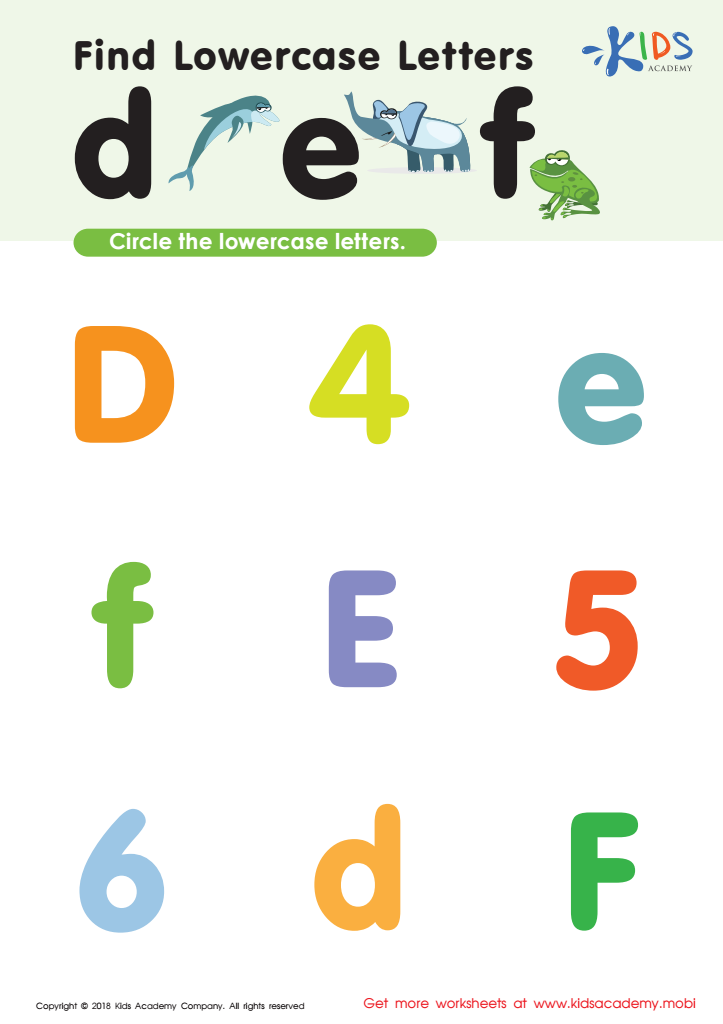
Find Lowercase Letters d e f Worksheet
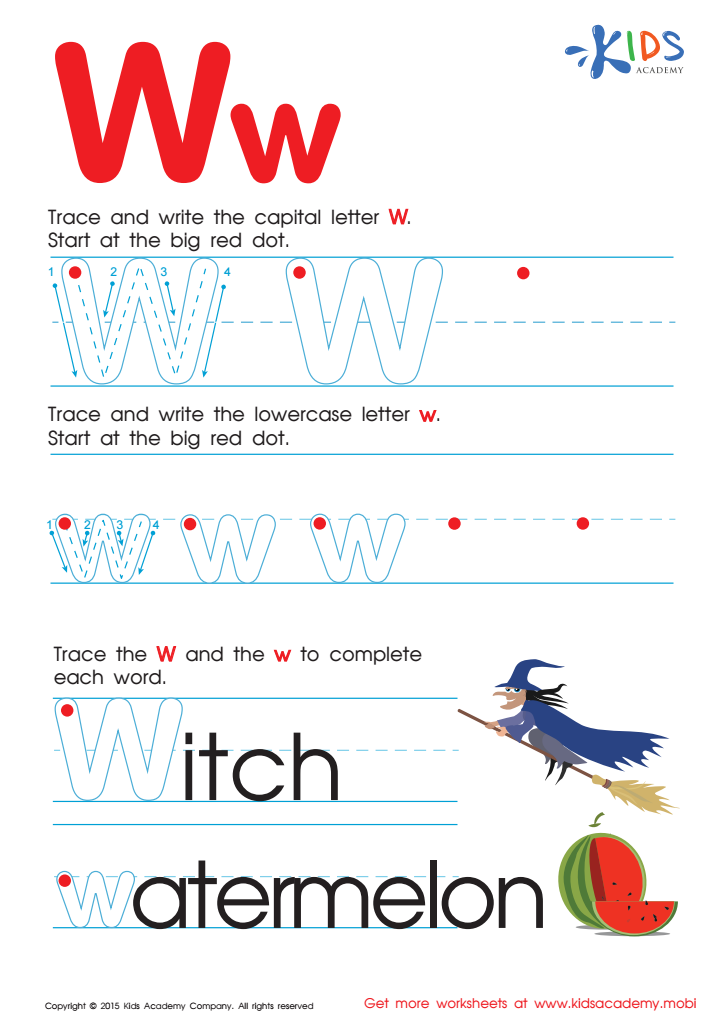
Letter W Tracing Page

Letter H Tracing Page
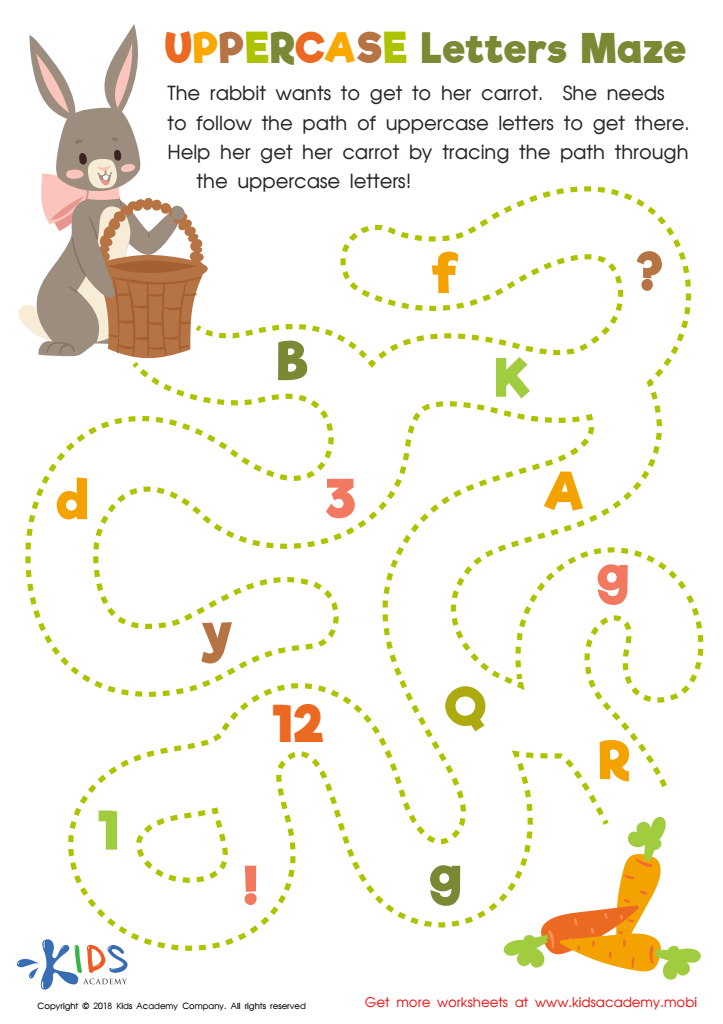
Uppercase Letters Maze Worksheet
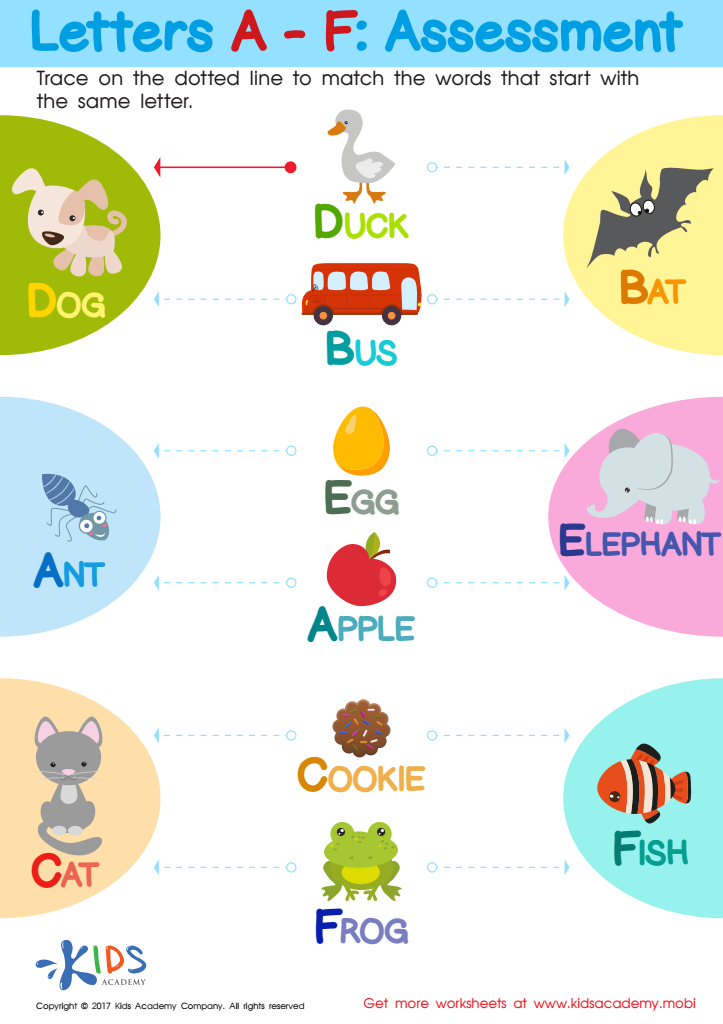
Letters A - F Worksheet
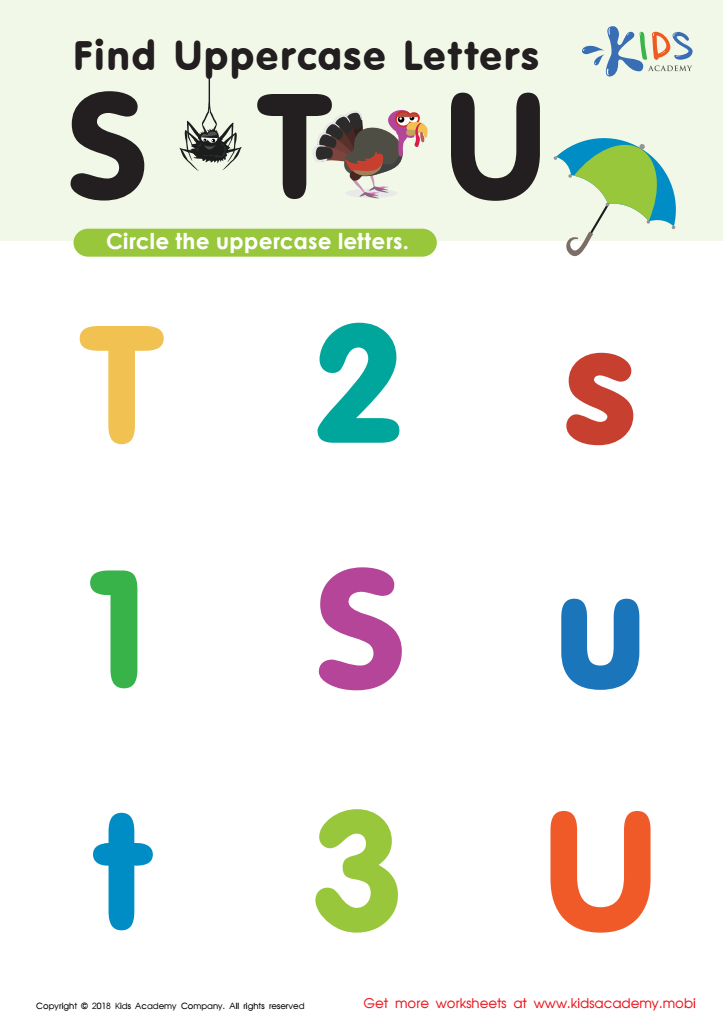
Find Uppercase Letters Worksheet
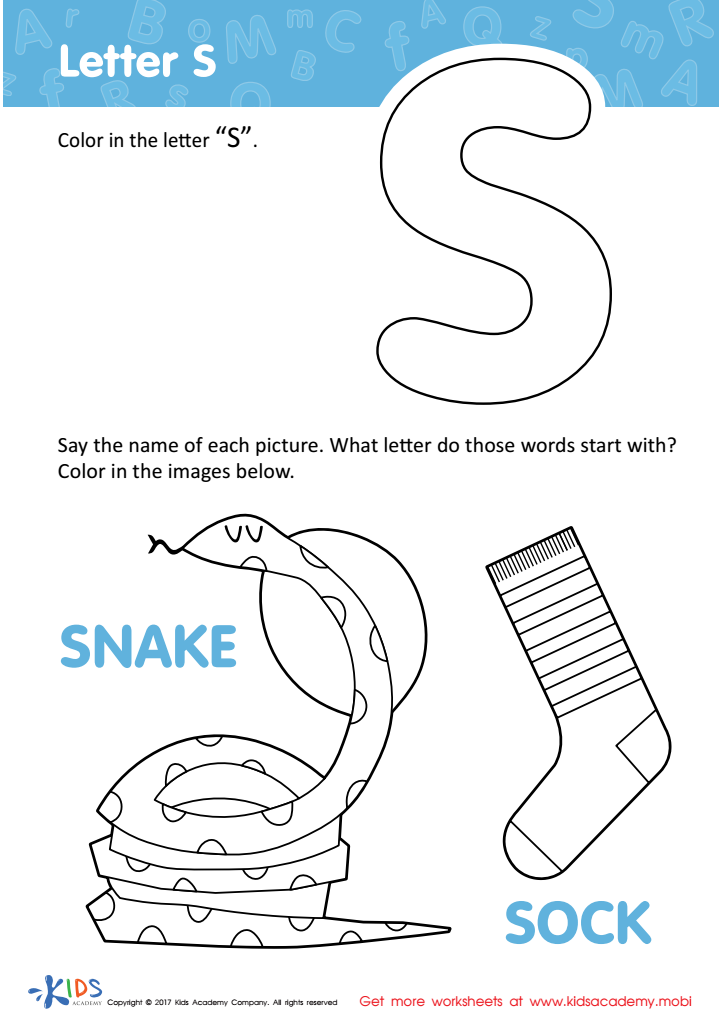
Letter S Coloring Sheet
Assign to My Students








Letter recognition is a fundamental skill that serves as the cornerstone for literacy development in children ages 3-8. Recognizing letters allows young learners to successfully identify, read, and write words, ultimately fostering a love for reading and language. When parents and teachers prioritize letter recognition, they lay the groundwork for effective communication skills vital for academic success and lifelong learning.
Early letter recognition helps children connect spoken sounds with written symbols, a key element of phonics instruction. As they begin to blend sounds into words, their confidence in reading increases, encouraging further exploration of books and literacy activities. Moreover, recognizing letters contributes to fine motor skills, as children practice writing and forming letters, enhancing their handwriting and coordination.
Additionally, a strong foundation in letter recognition can lead to improved performance in other academic areas, paving the way for more complex literacy tasks in later grades. By nurturing this skill through engaging activities, songs, and games, parents and teachers can create a supportive learning environment that recognizes individual progress. Ultimately, investing time in letter recognition fosters not just academic readiness but also a lifelong appreciation for language and storytelling among young learners.







