Letter recognition Letter Recognition Worksheets for Ages 3-9
63 filtered results
-
From - To
Enhance your child's literacy skills with our engaging Letter Recognition Worksheets, specifically designed for ages 3-9. These interactive activities make learning the alphabet fun and accessible, helping young learners recognize both uppercase and lowercase letters. Our worksheets incorporate colorful illustrations and creative exercises that promote fine motor skills, visual recognition, and phonetic awareness. Ideal for preschoolers and early elementary students, these resources effectively support a child's reading readiness. Whether used at home or in the classroom, our Letter Recognition Worksheets will spark a love for learning, setting the foundation for lifelong literacy. Start your child's journey today!
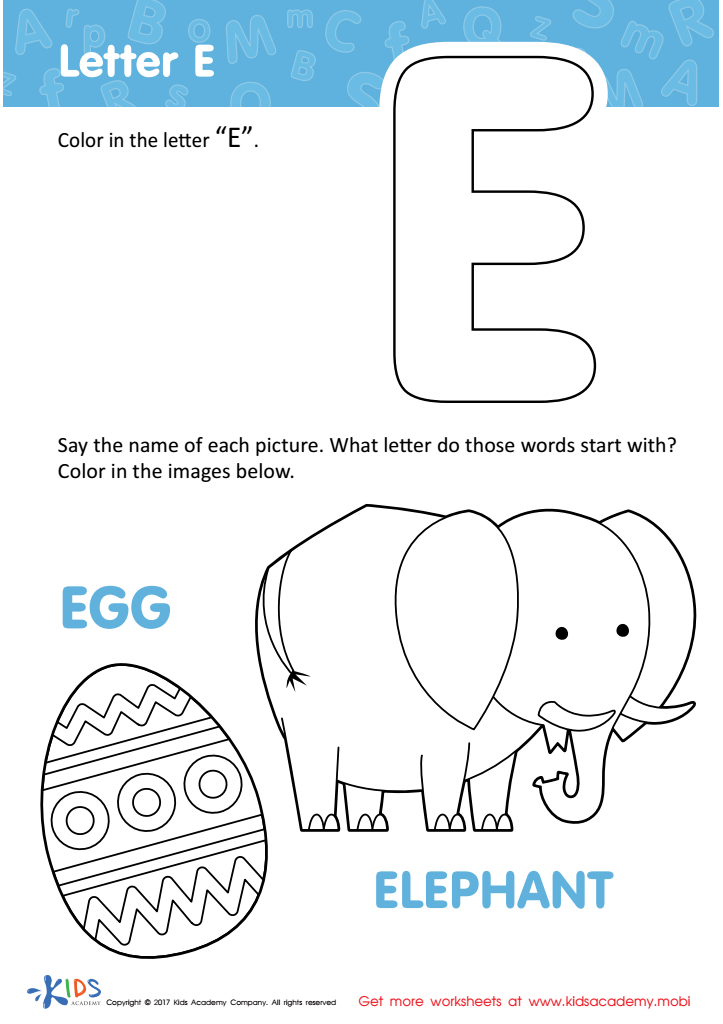
Letter E Coloring Sheet
 Assign to My Students
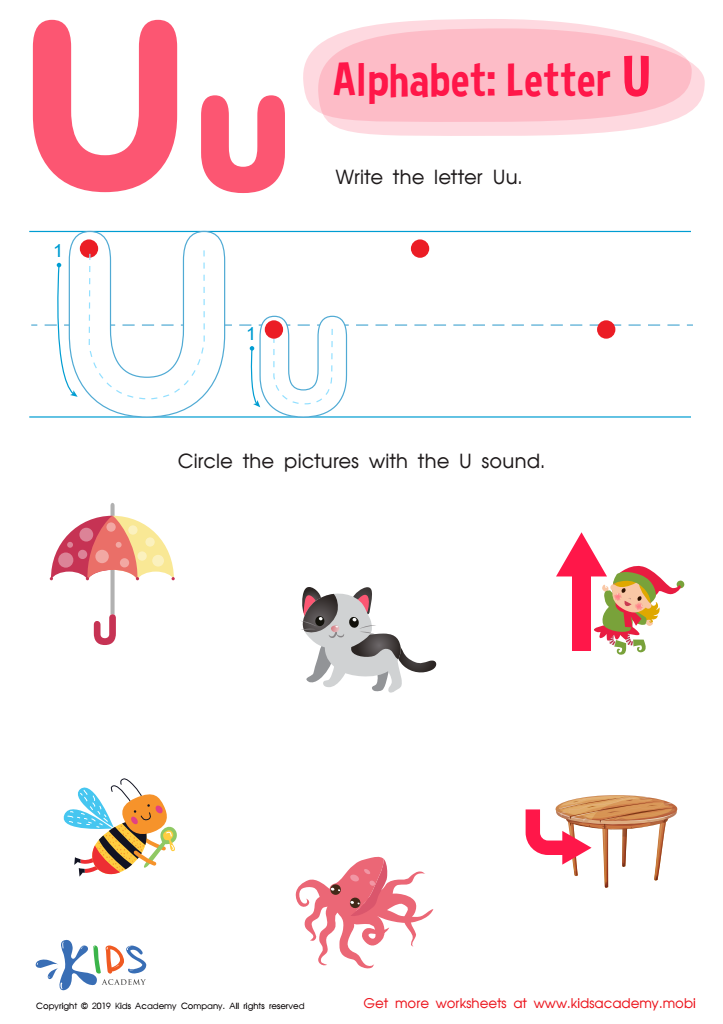
Letter U Tracing Worksheet
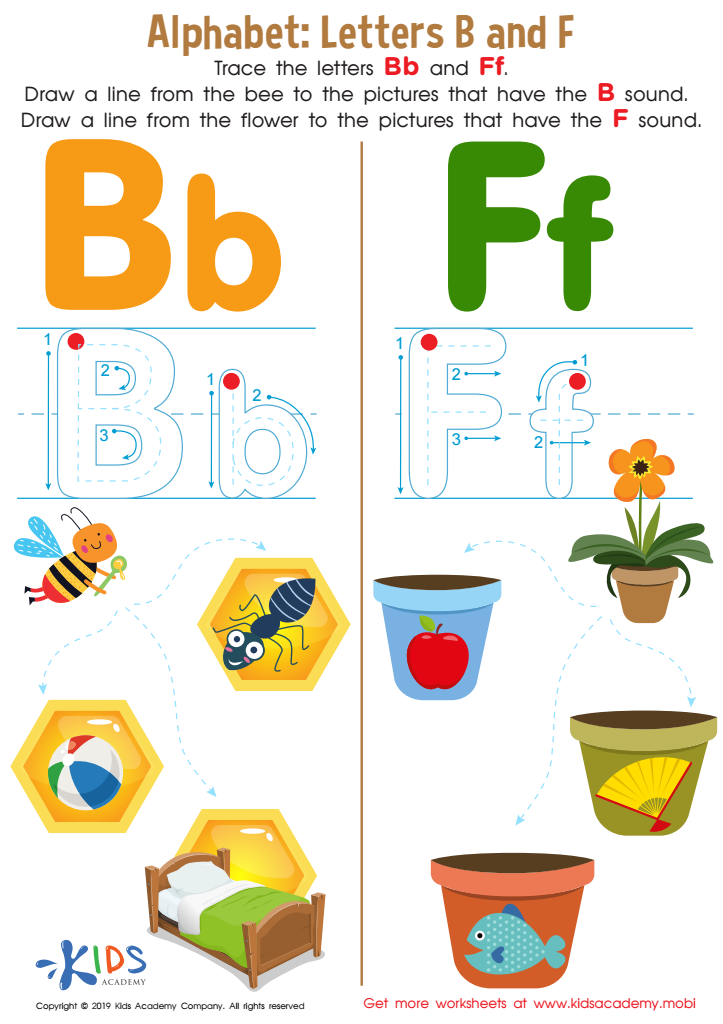
Letters B and F Tracing Worksheet
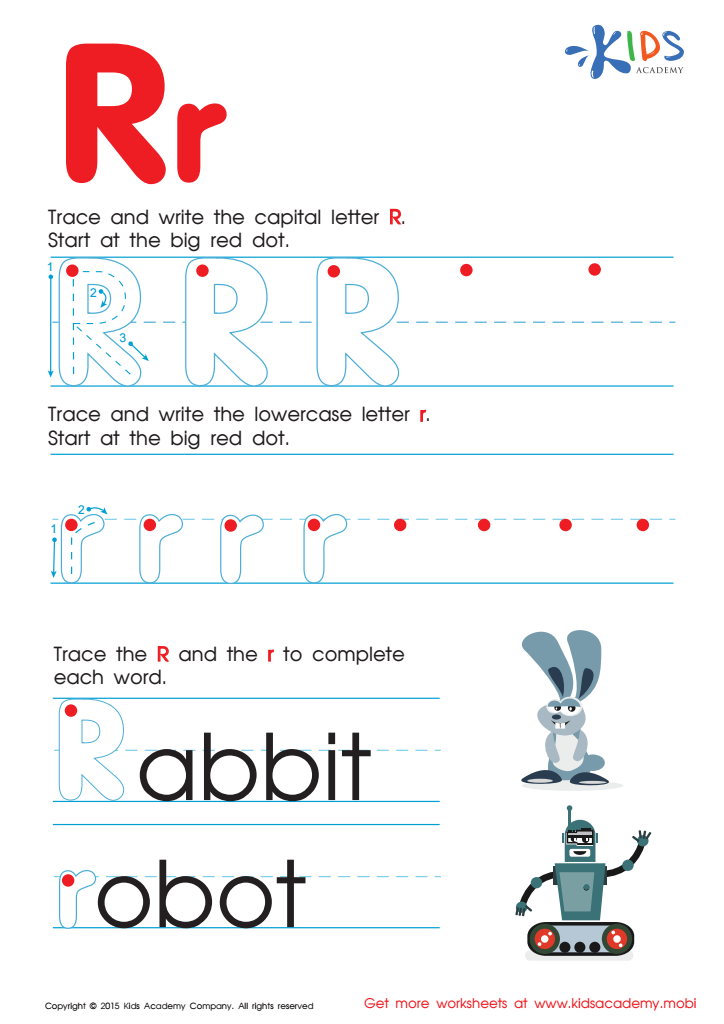
Letter R Tracing Page
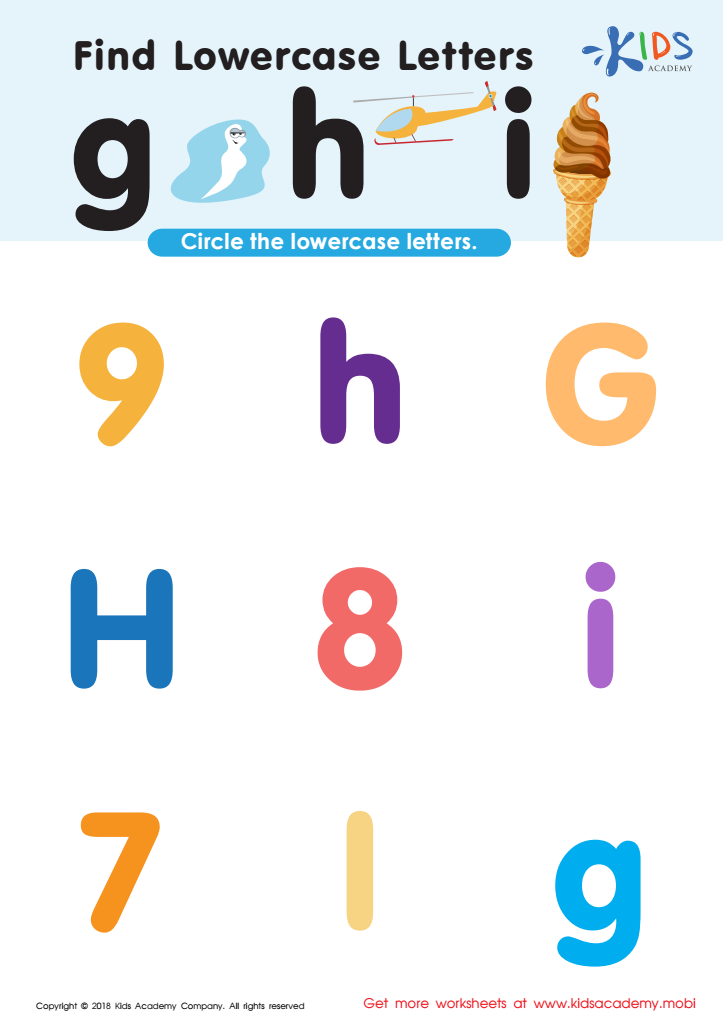
Find Lowercase Letters g h i Worksheet
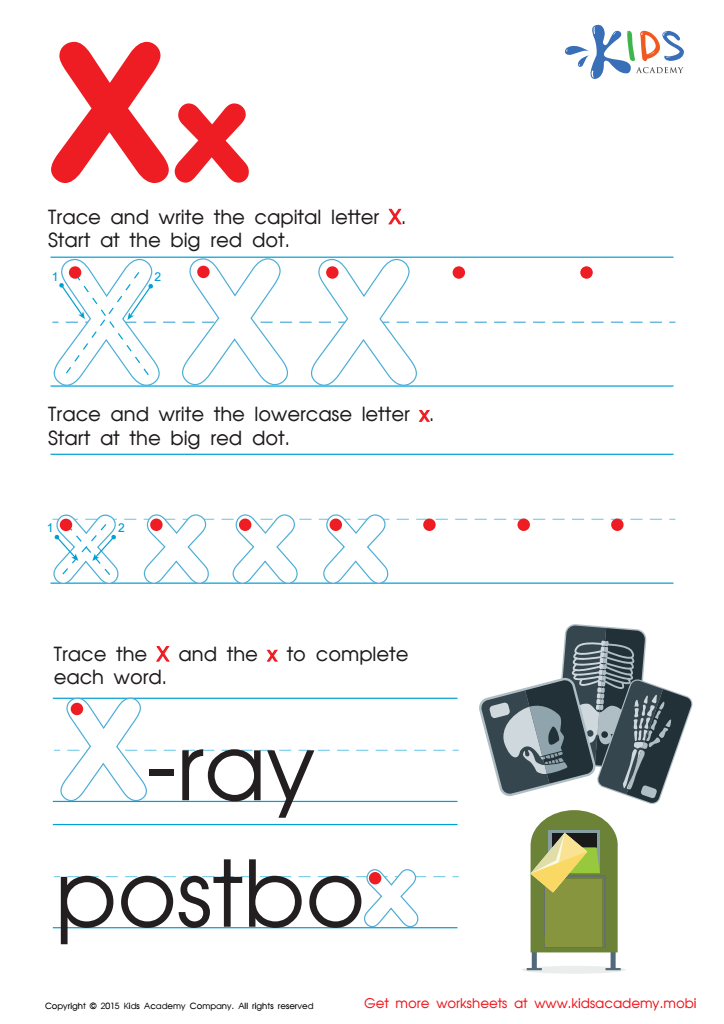
Letter X Tracing Page
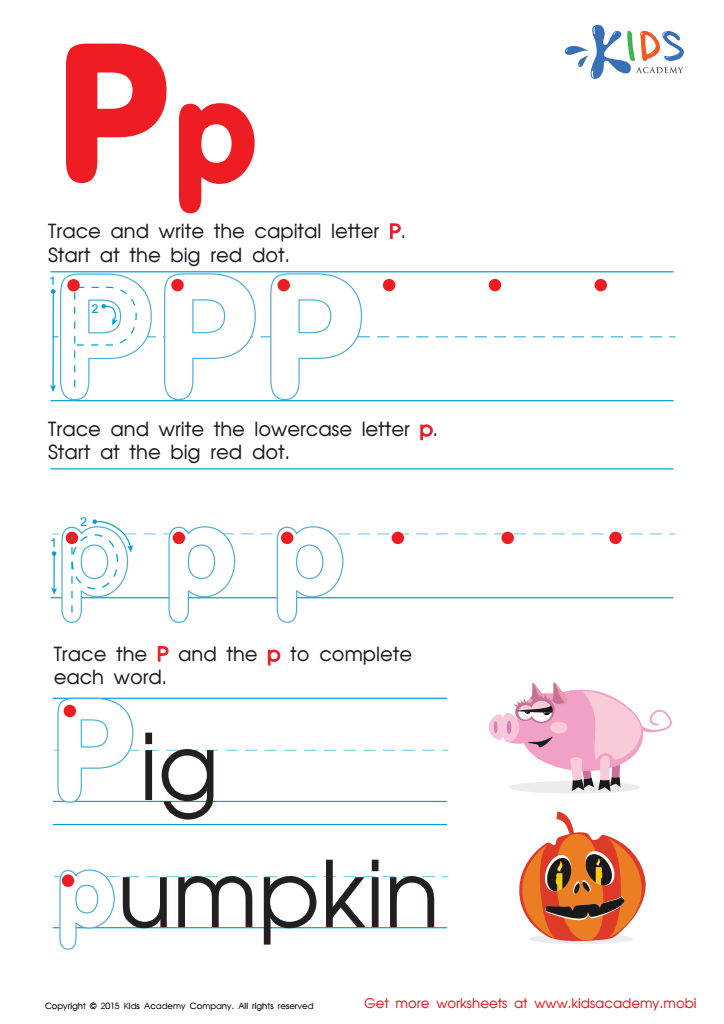
Letter P Tracing Page
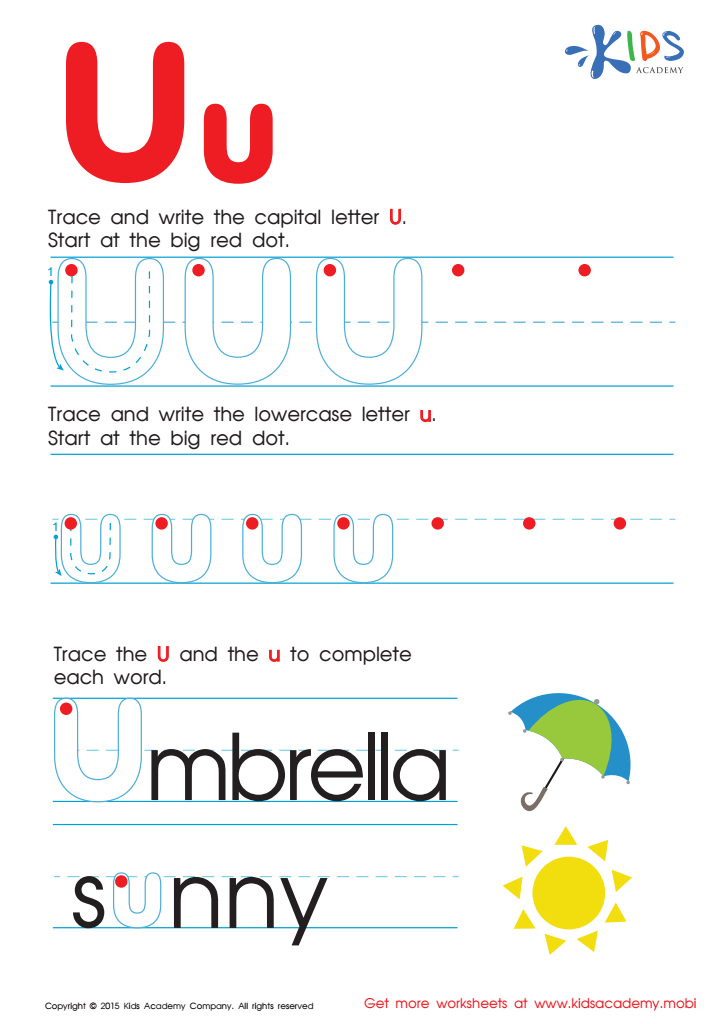
Letter U Tracing Page
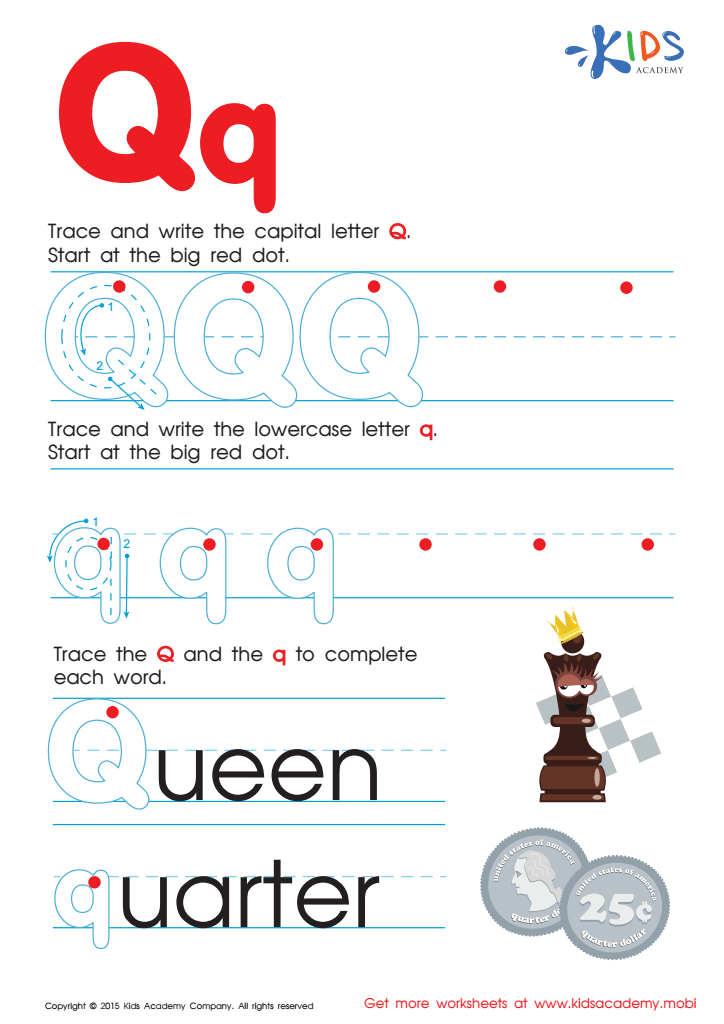
Letter Q Tracing Page
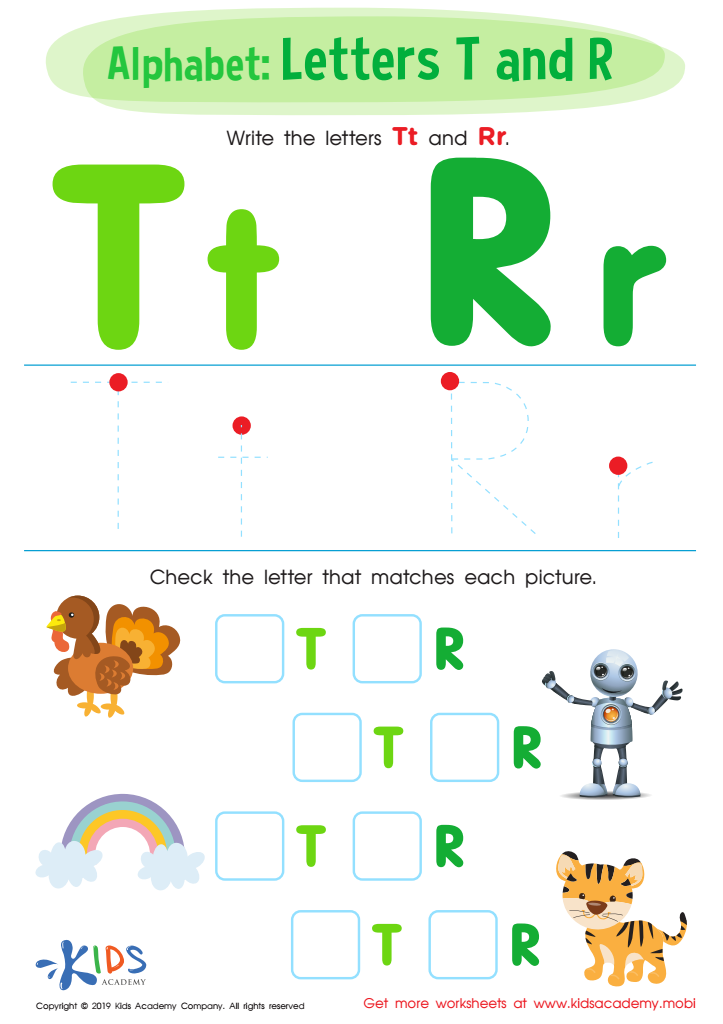
Letters T and R Worksheet
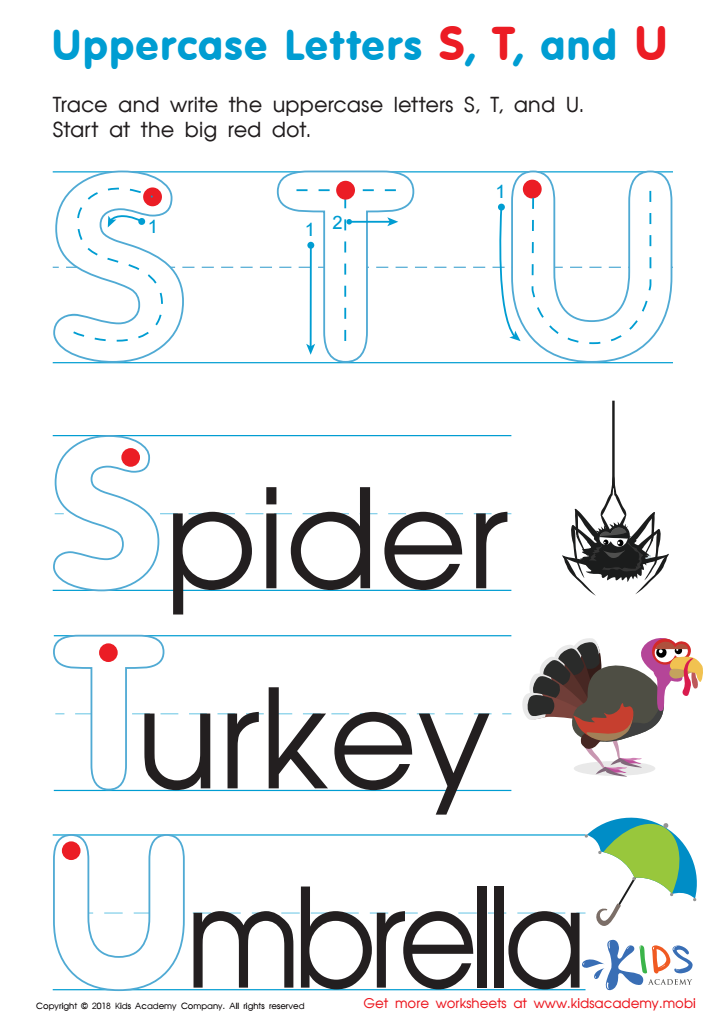
Uppercase Letters S, T, and U Worksheet
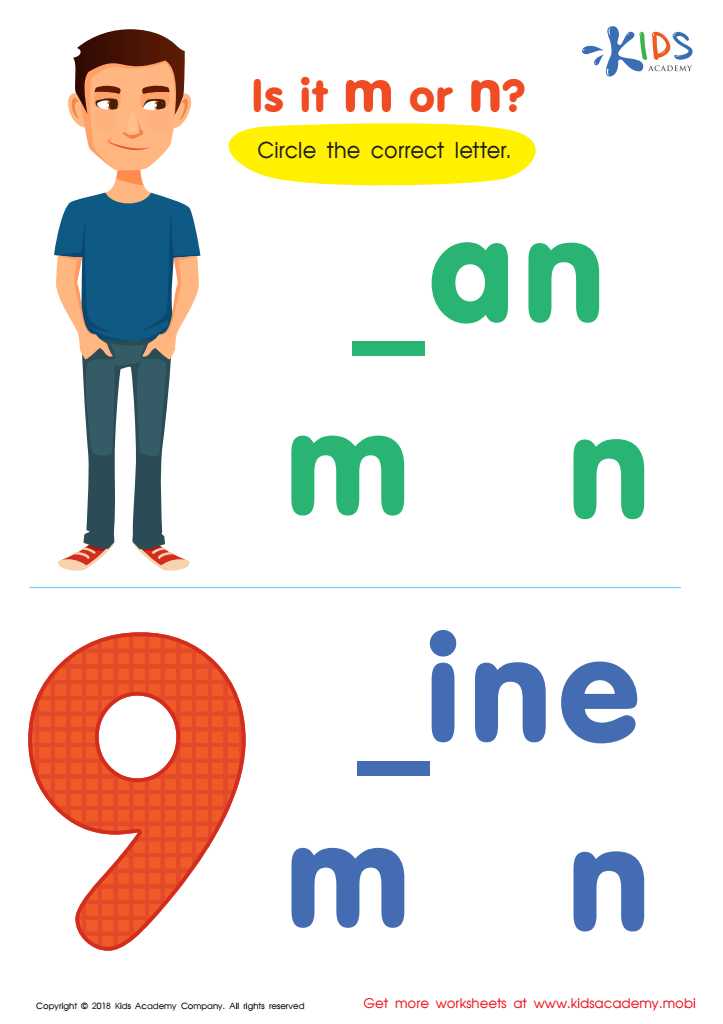
Is It m or n? Worksheet
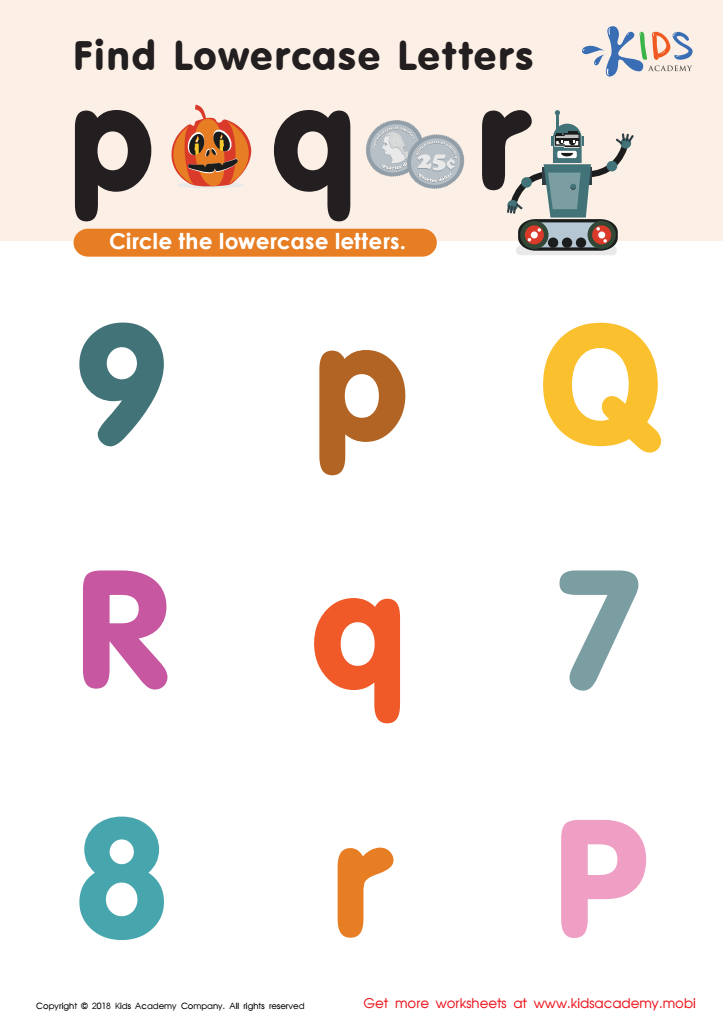
Find lowercase Letters p q r Worksheet
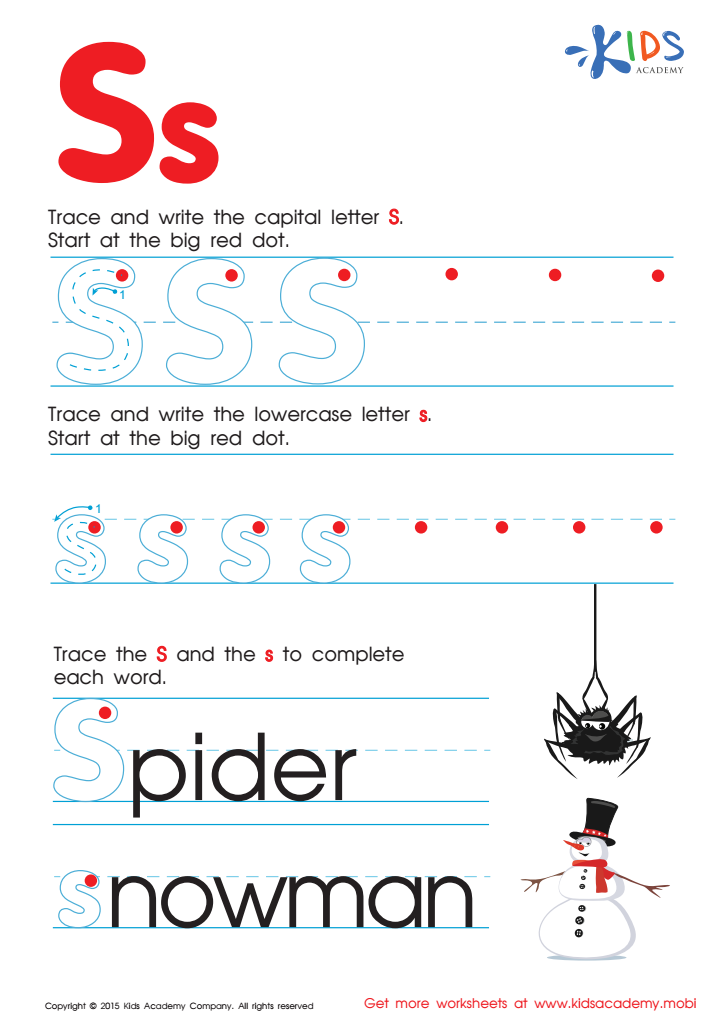
Letter S Tracing Page
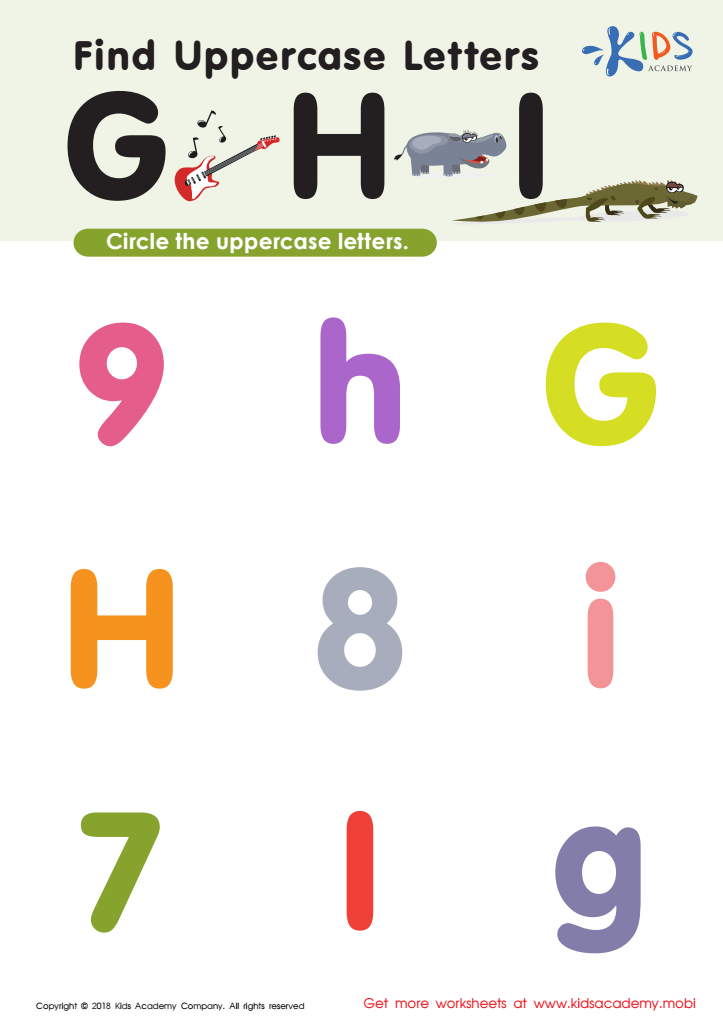
Find Uppercase Letters G, H, and I Worksheet
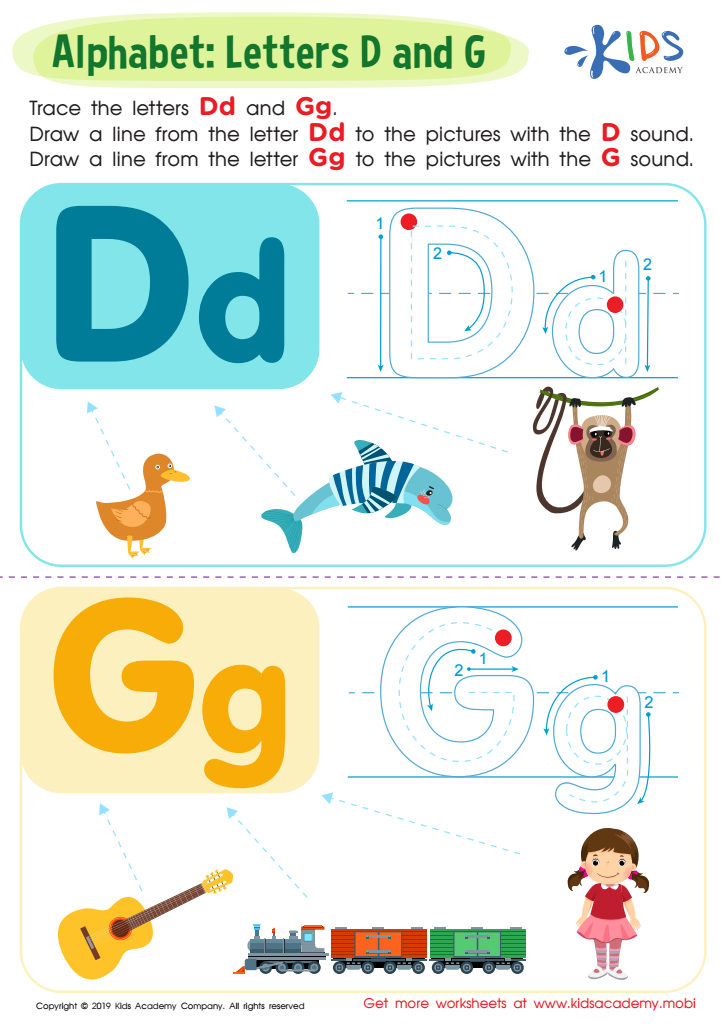
Letter D and G Tracing Worksheet
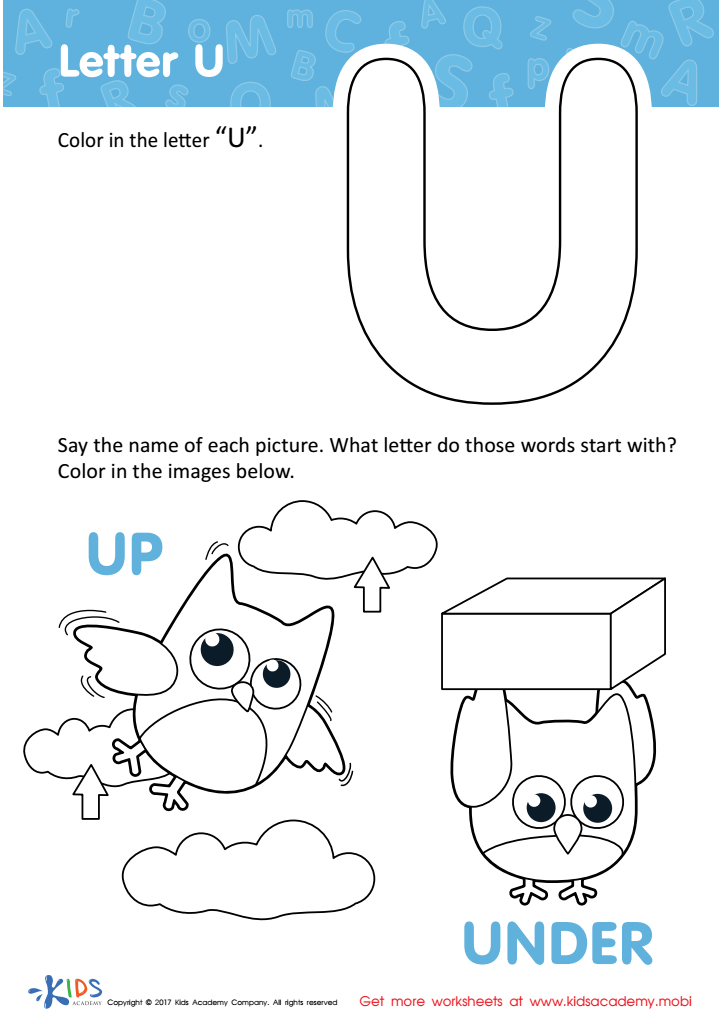
Letter U Coloring Sheet
Assign to My Students
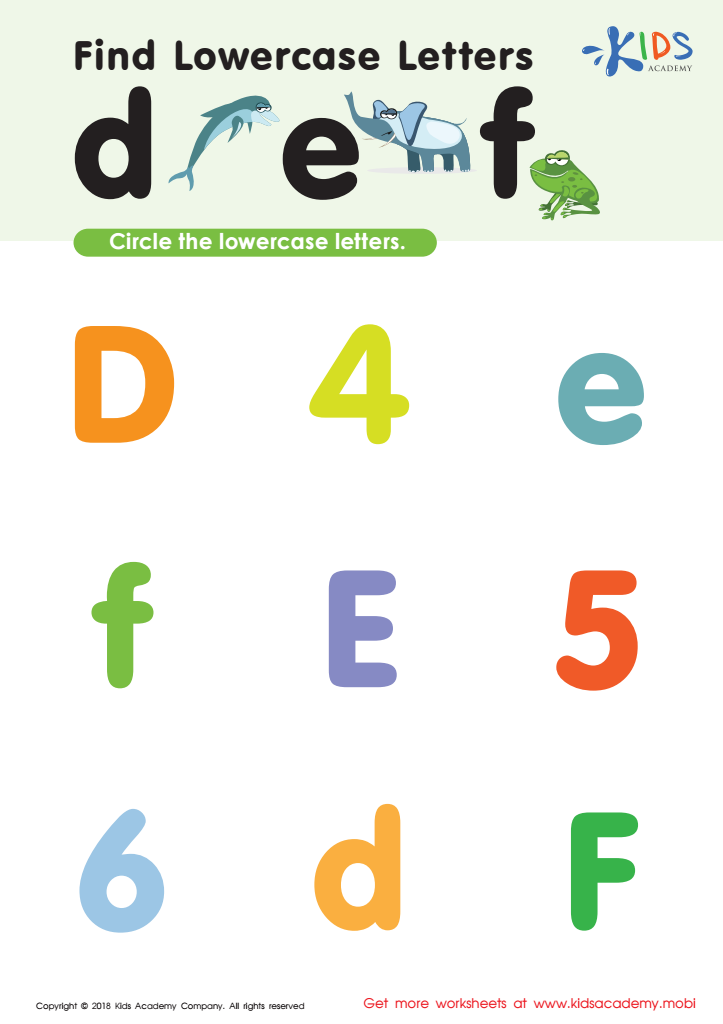
Find Lowercase Letters d e f Worksheet
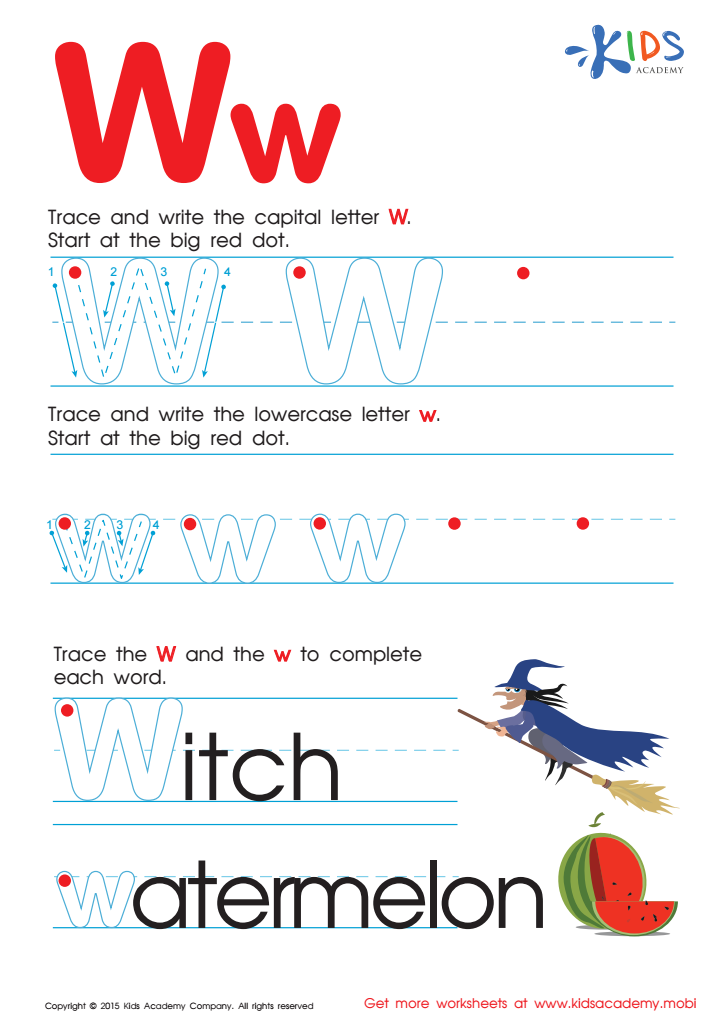
Letter W Tracing Page
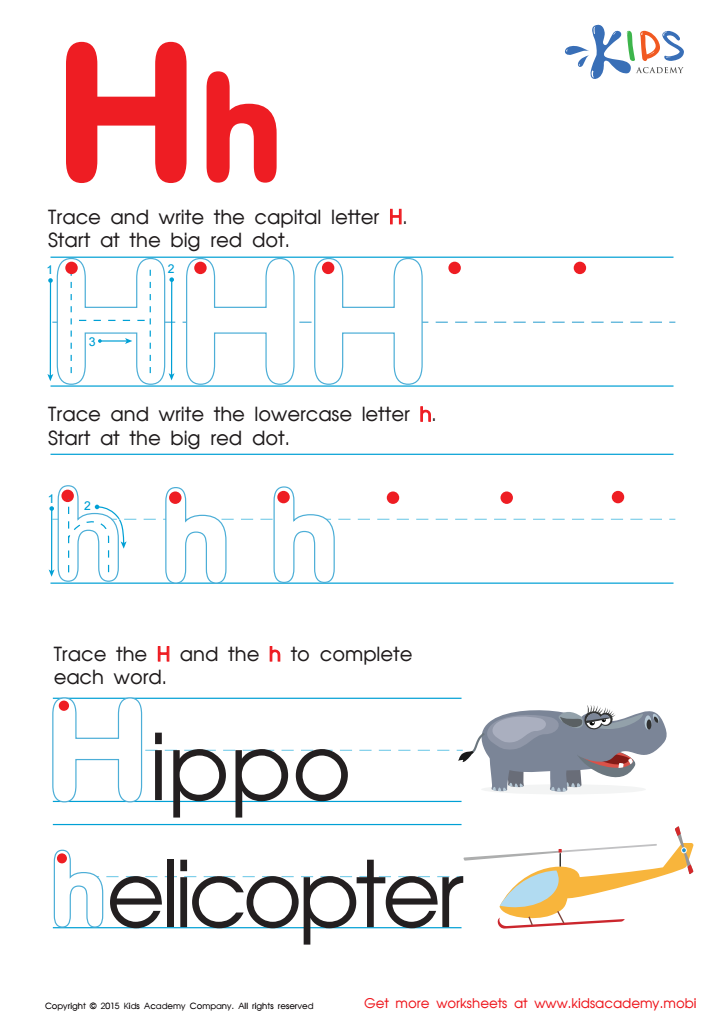
Letter H Tracing Page
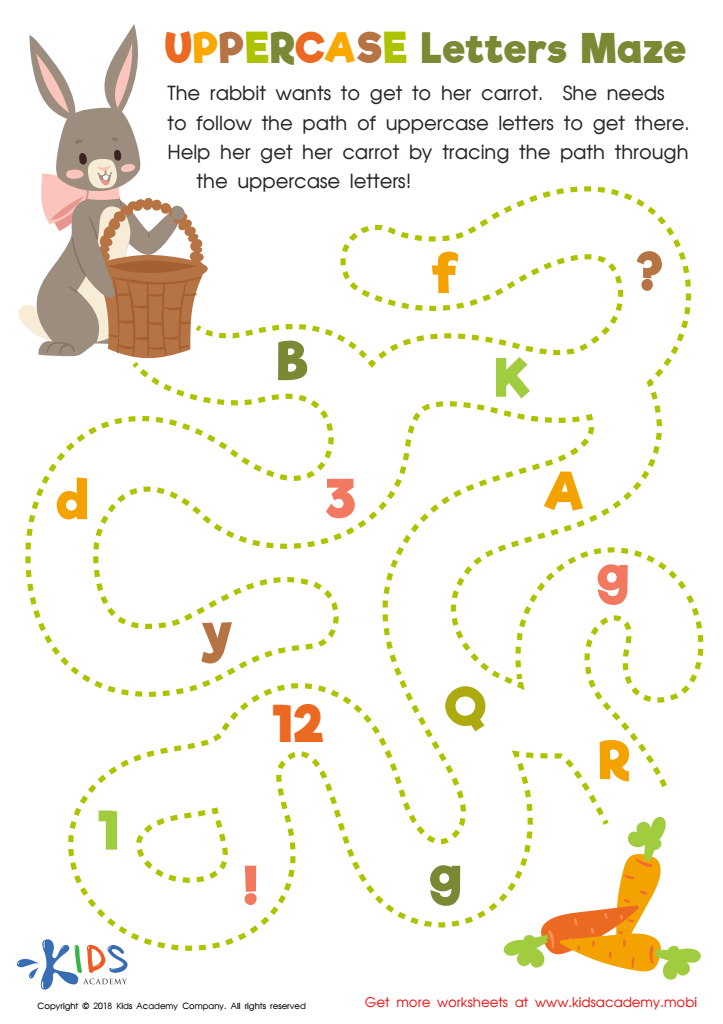
Uppercase Letters Maze Worksheet
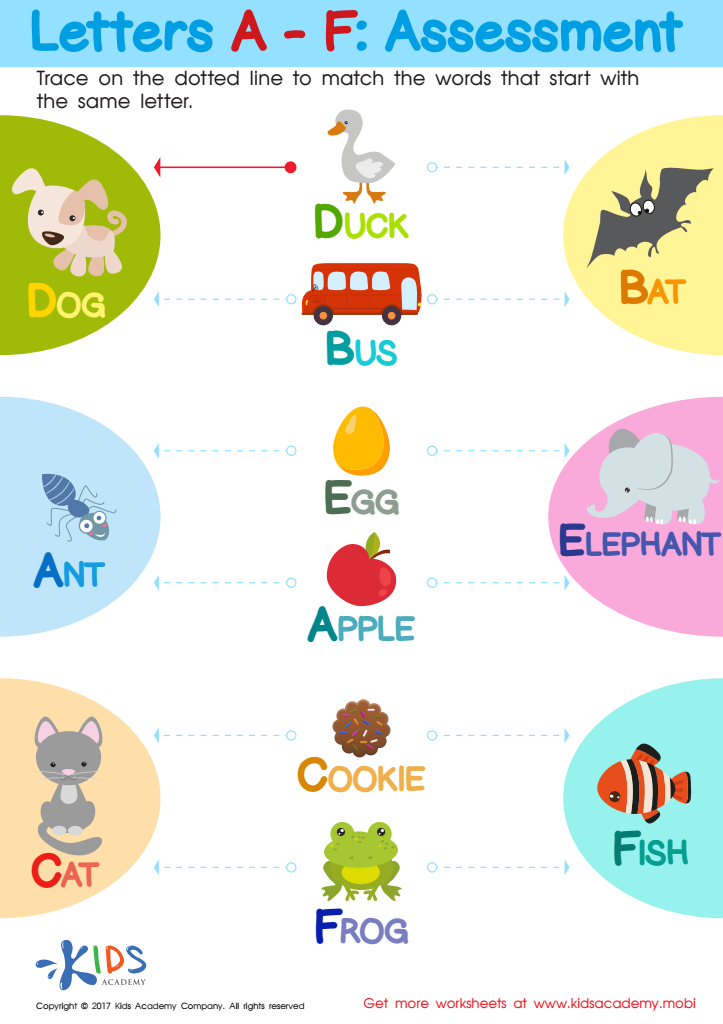
Letters A - F Worksheet
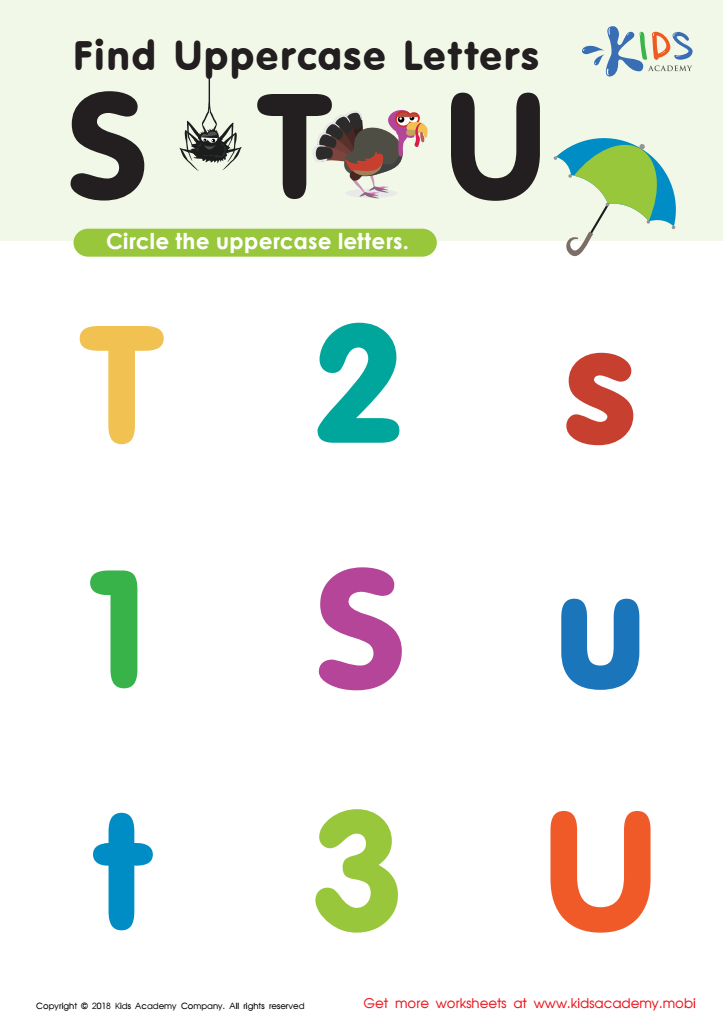
Find Uppercase Letters Worksheet
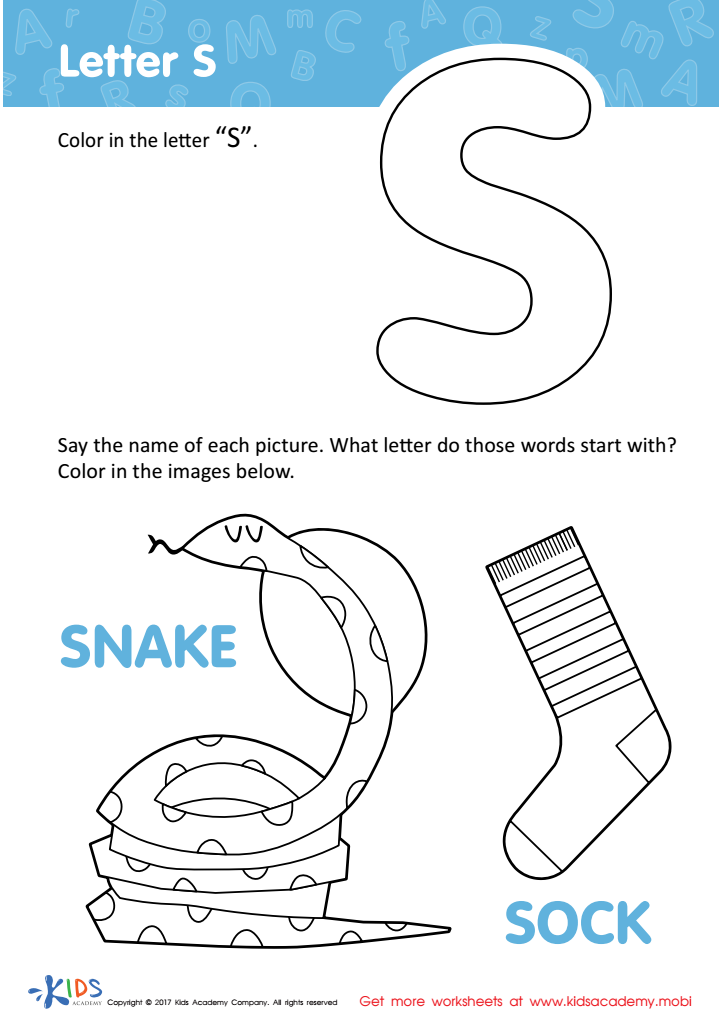
Letter S Coloring Sheet
Assign to My Students








Letter recognition is crucial for children aged 3-9 as it lays the foundation for literacy and effective communication. At this age, kids are developing essential skills that will support their future reading and writing capabilities. Recognizing letters helps them understand the relationship between sounds and symbols, a concept fundamental to phonics and reading fluency.
Parents and teachers should prioritize letter recognition because it enhances vocabulary development and fosters confidence in language use. Children who can identify and name letters are better equipped to decode words, leading to more successful reading experiences. Additionally, early recognition promotes handwriting skills, as children gain familiarity with letter shapes and forms.
Letter recognition activities also provide opportunities for interaction and play, making learning enjoyable. Engaging children through games and songs not only holds their attention but encourages a lifelong love for learning. Furthermore, this skill is essential for academic success, as early literacy influences performance in other subjects over time.
In summary, letter recognition is a building block for literacy that empowers children to express themselves and engage with the world around them. Parents and teachers play a pivotal role in nurturing this fundamental skill, ensuring children develop into confident readers and learners.







