Letter recognition Grade 3 Letter Recognition Worksheets
37 filtered results
-
From - To
Boost your child's literacy skills with our engaging Letter Recognition Worksheets designed specifically for third graders! Kids Academy's carefully crafted worksheets are perfect for reinforcing alphabet knowledge and helping young learners distinguish between uppercase and lowercase letters. Our fun activities include tracing, matching, and identifying letters, aiding in retention and fluency. These exercises not only support early reading success but also enhance spelling and writing abilities. Ideal for classroom or home practice, our grade 3 letter recognition worksheets provide an enjoyable learning experience that sets a solid foundation for future academic achievement. Download and print today for endless educational fun!
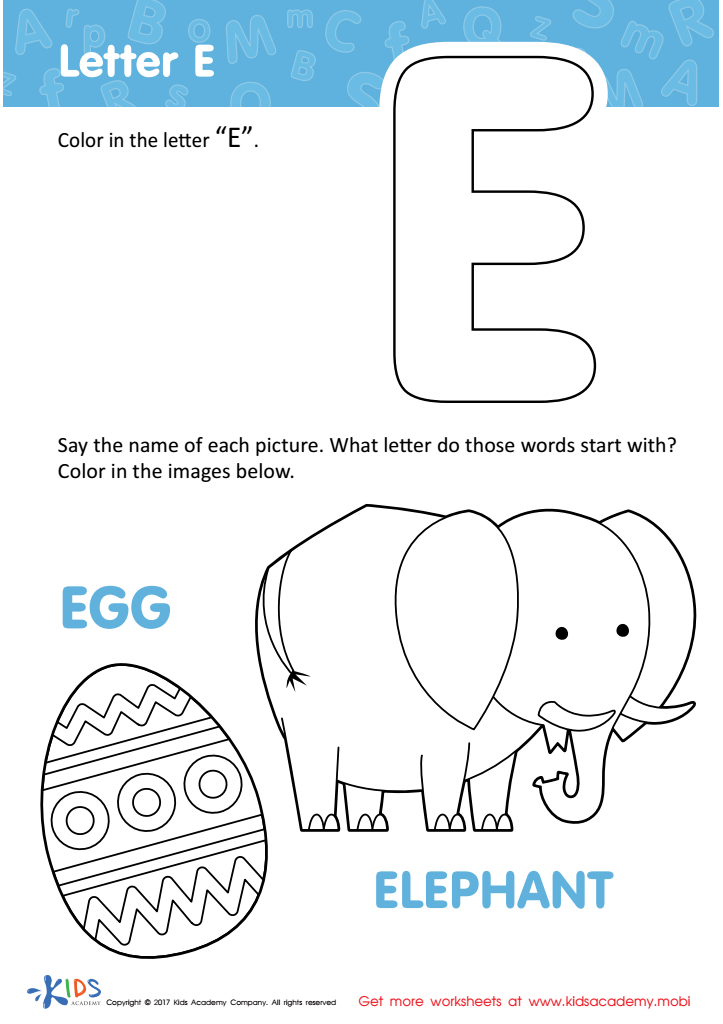
Letter E Coloring Sheet
 Assign to My Students
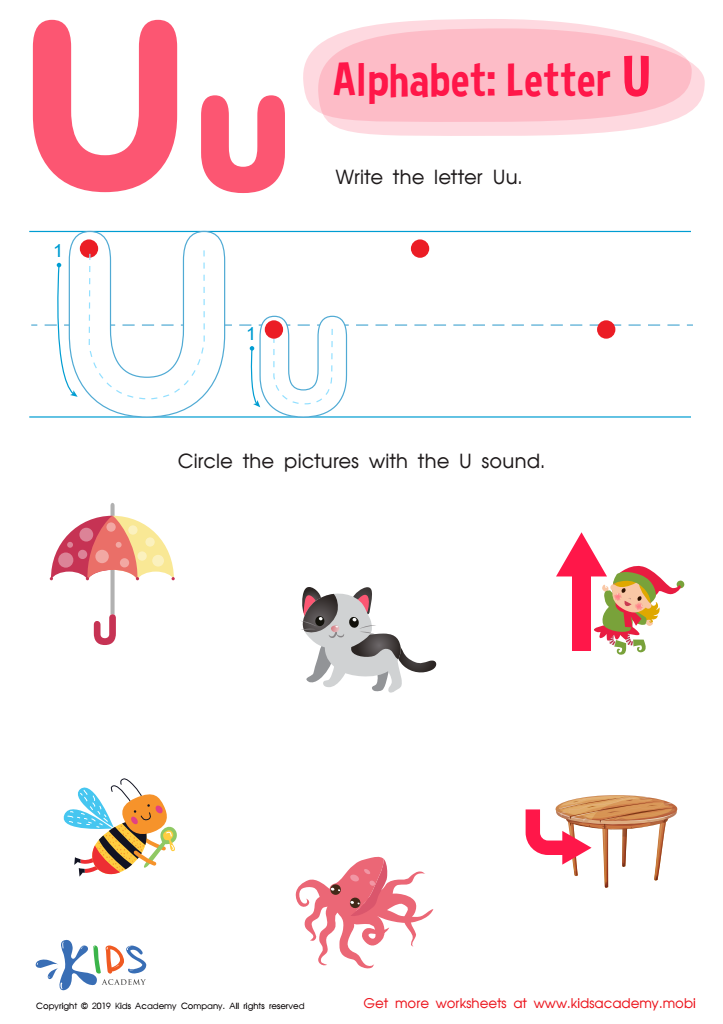
Letter U Tracing Worksheet
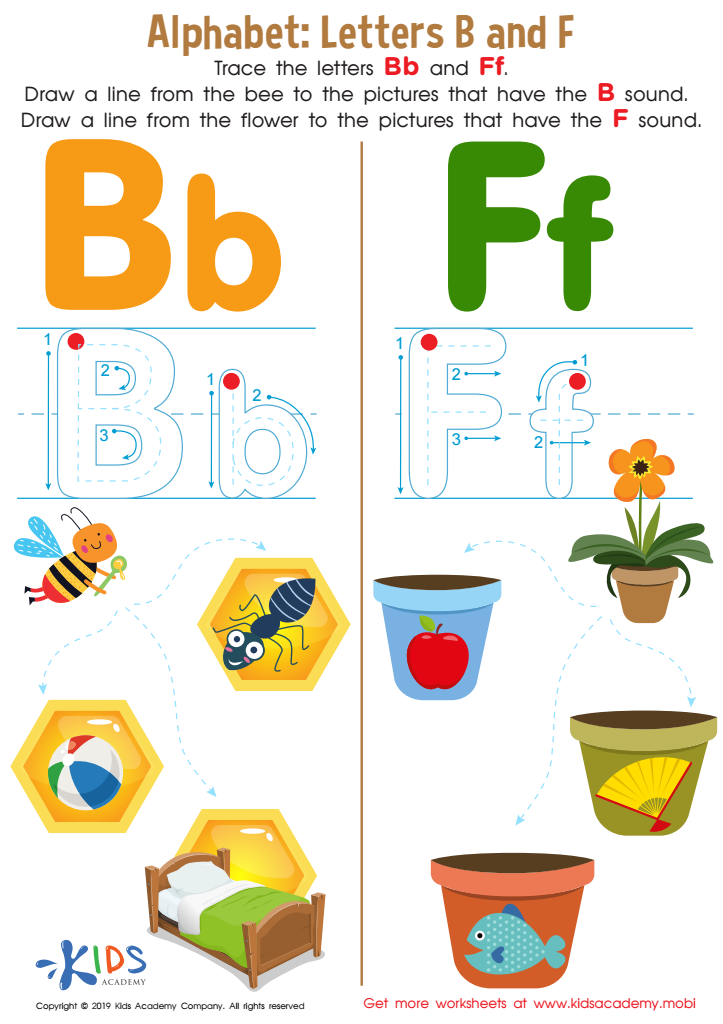
Letters B and F Tracing Worksheet
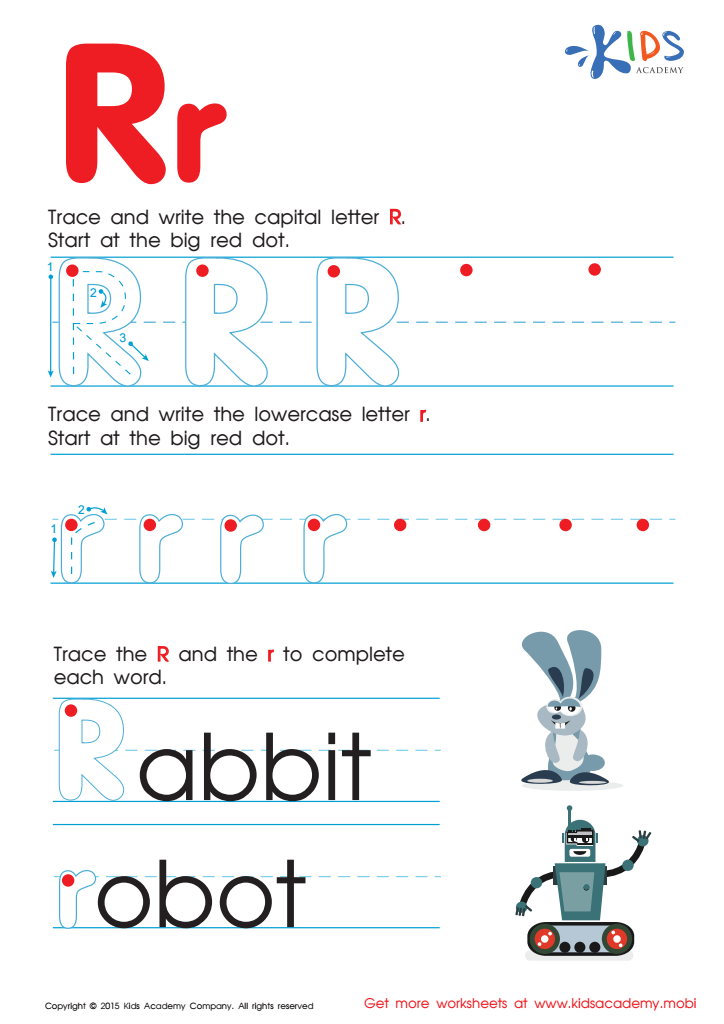
Letter R Tracing Page
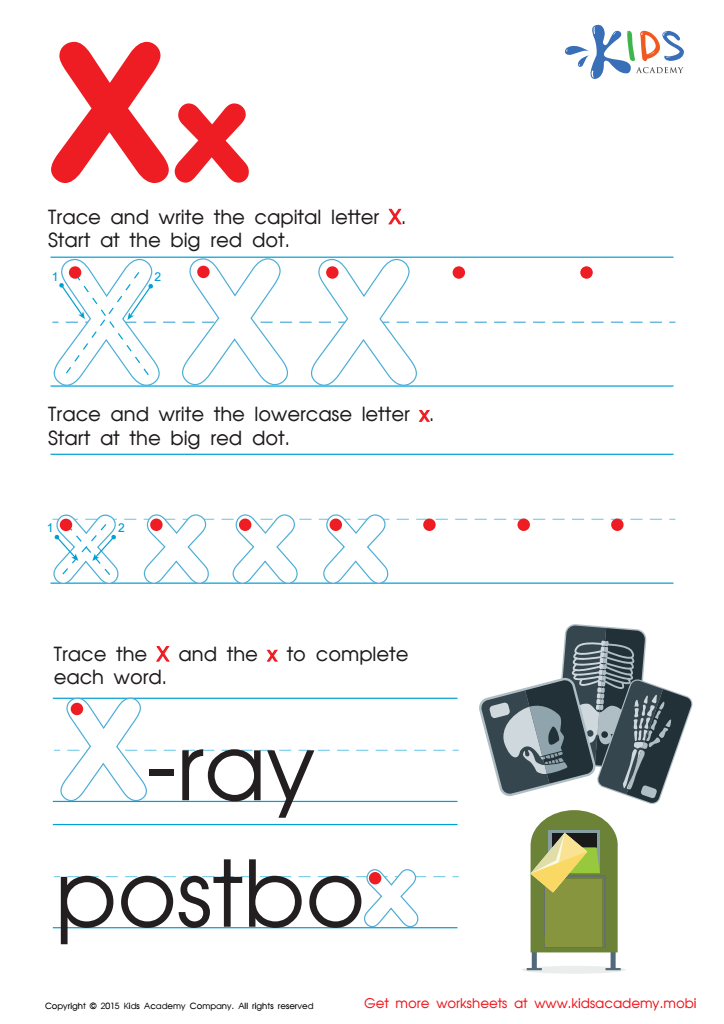
Letter X Tracing Page
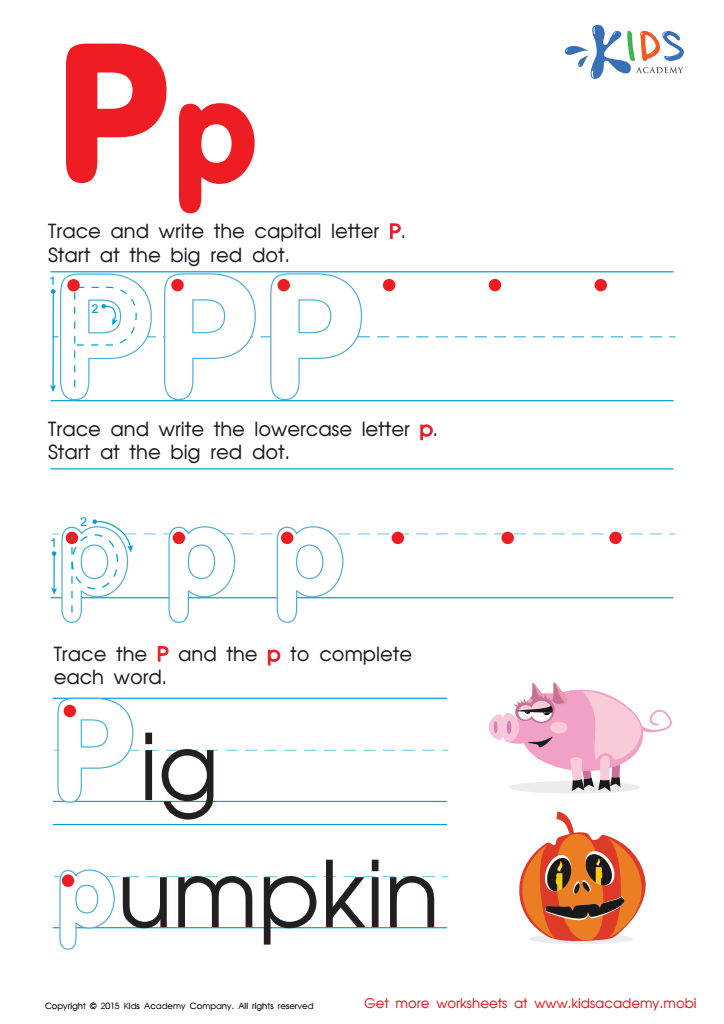
Letter P Tracing Page
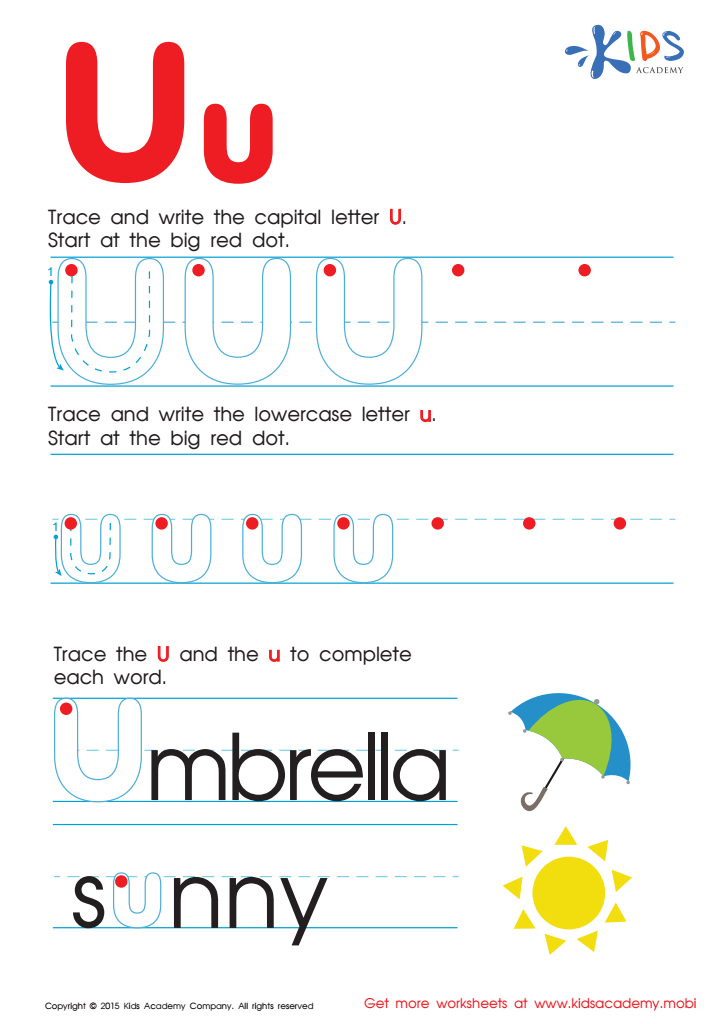
Letter U Tracing Page
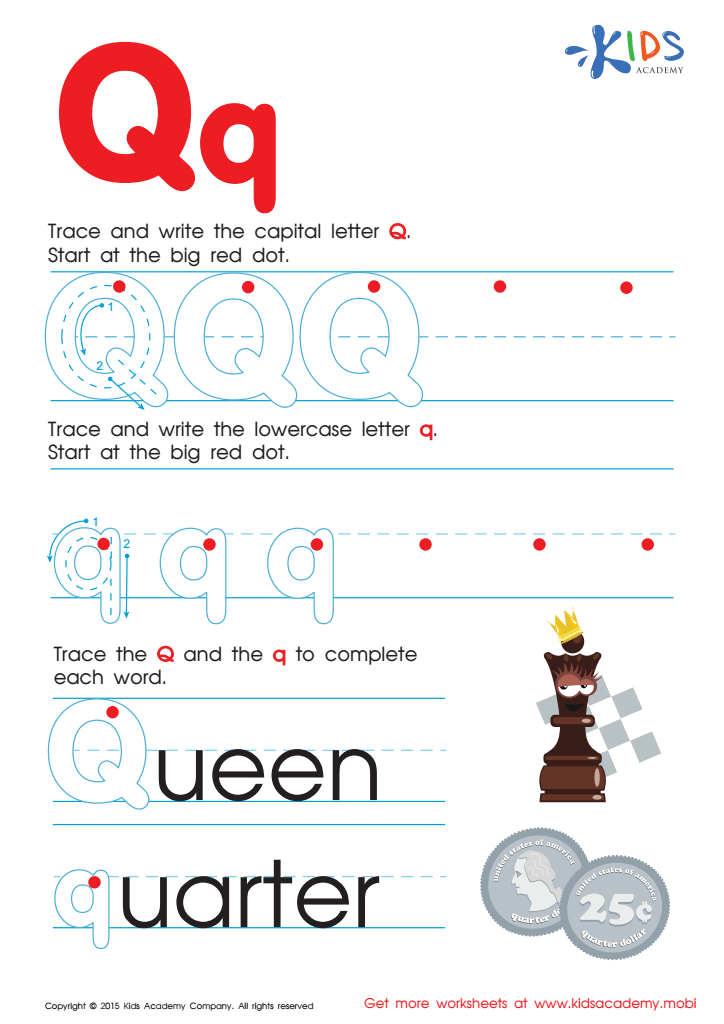
Letter Q Tracing Page
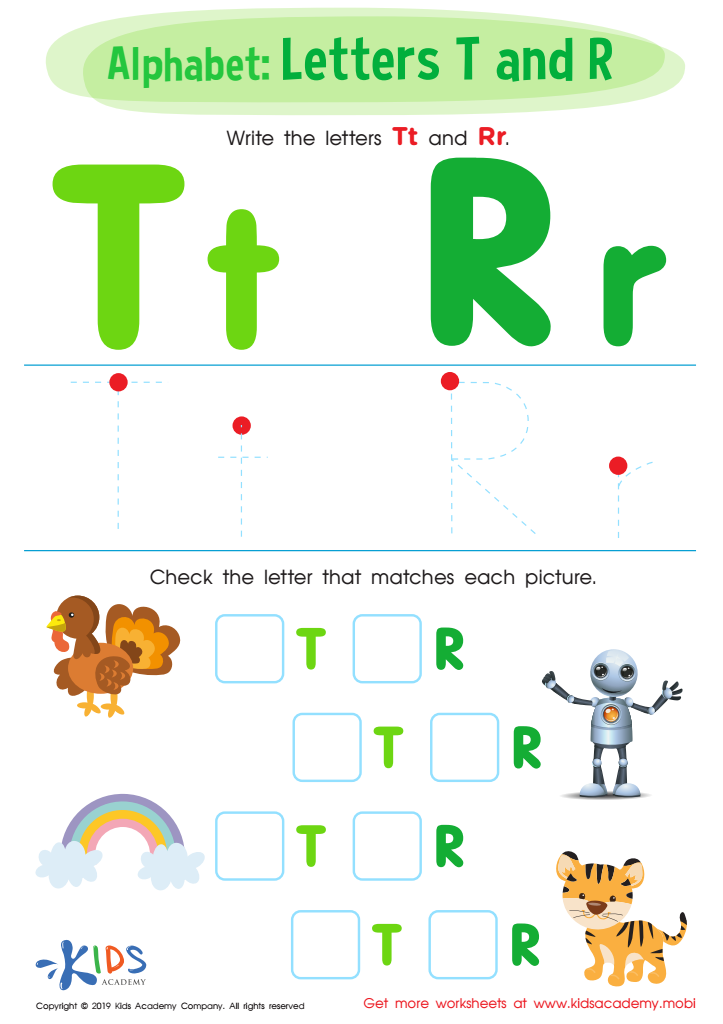
Letters T and R Worksheet
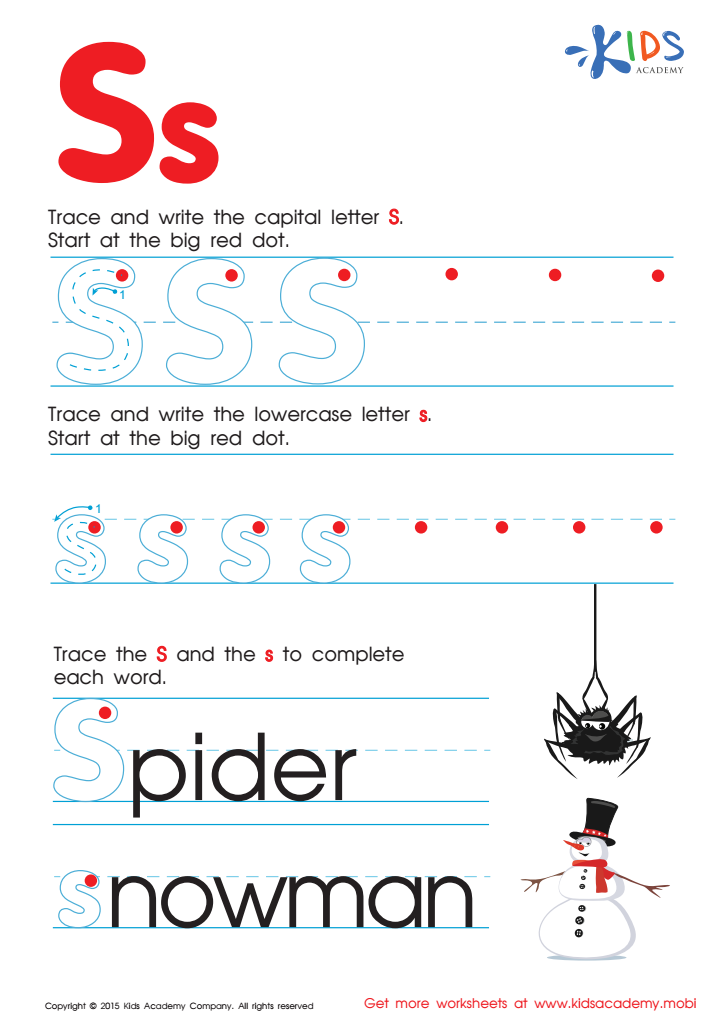
Letter S Tracing Page
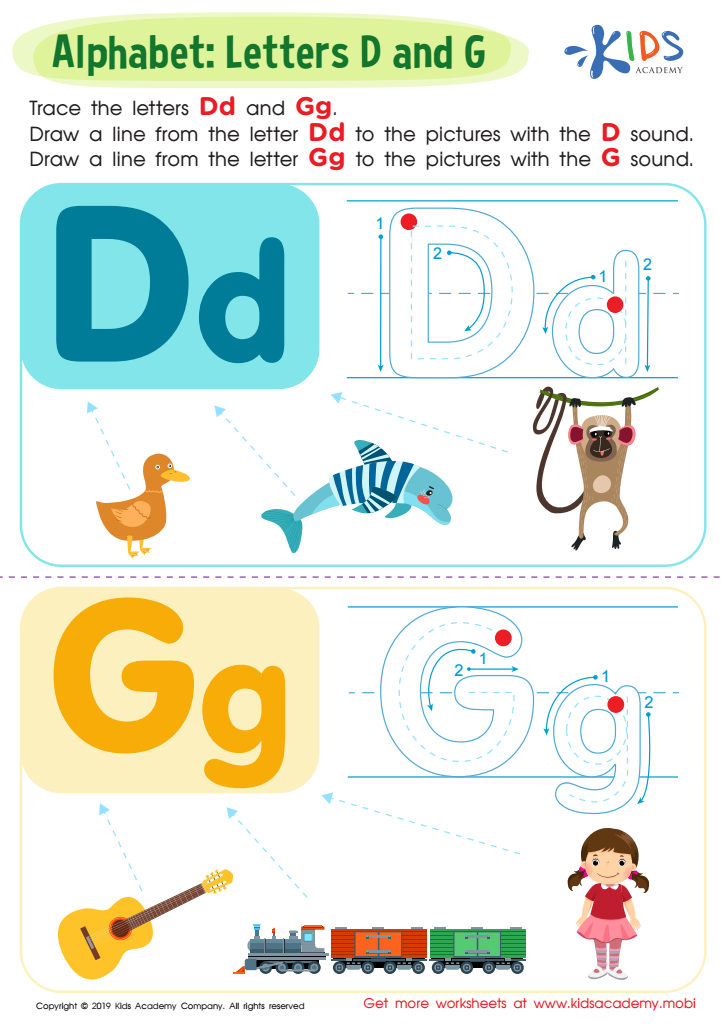
Letter D and G Tracing Worksheet
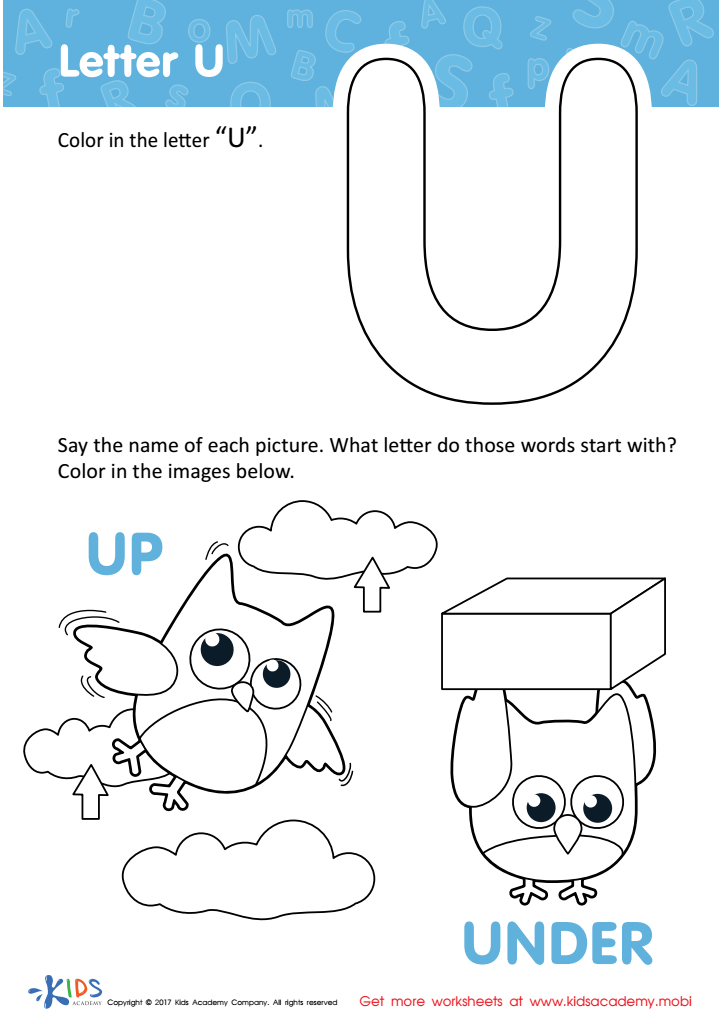
Letter U Coloring Sheet
Assign to My Students
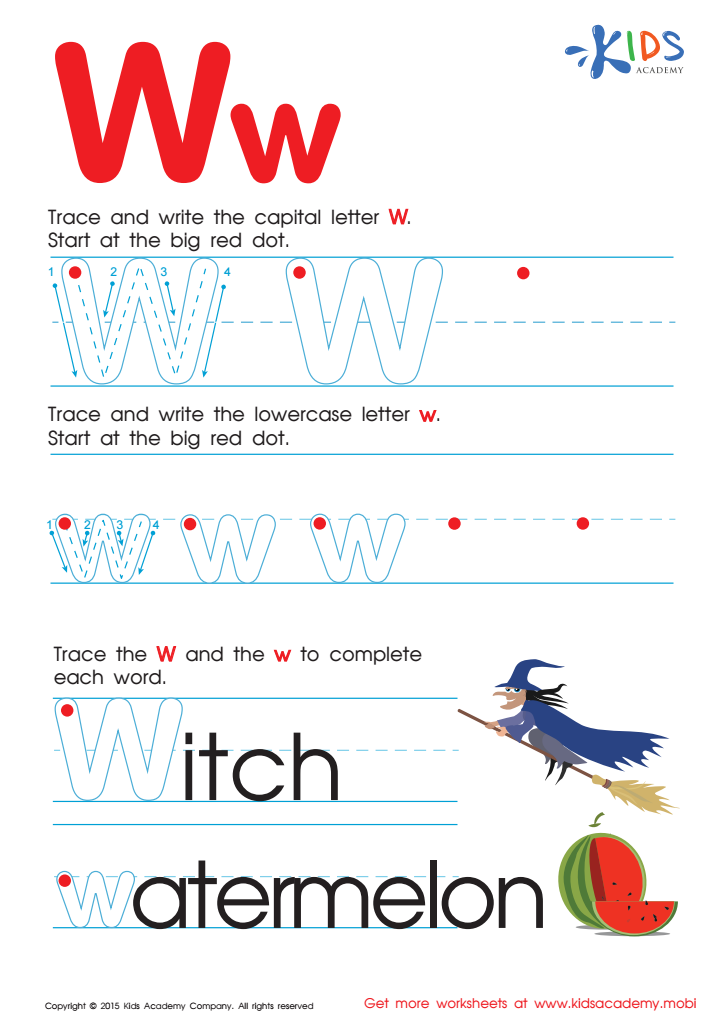
Letter W Tracing Page
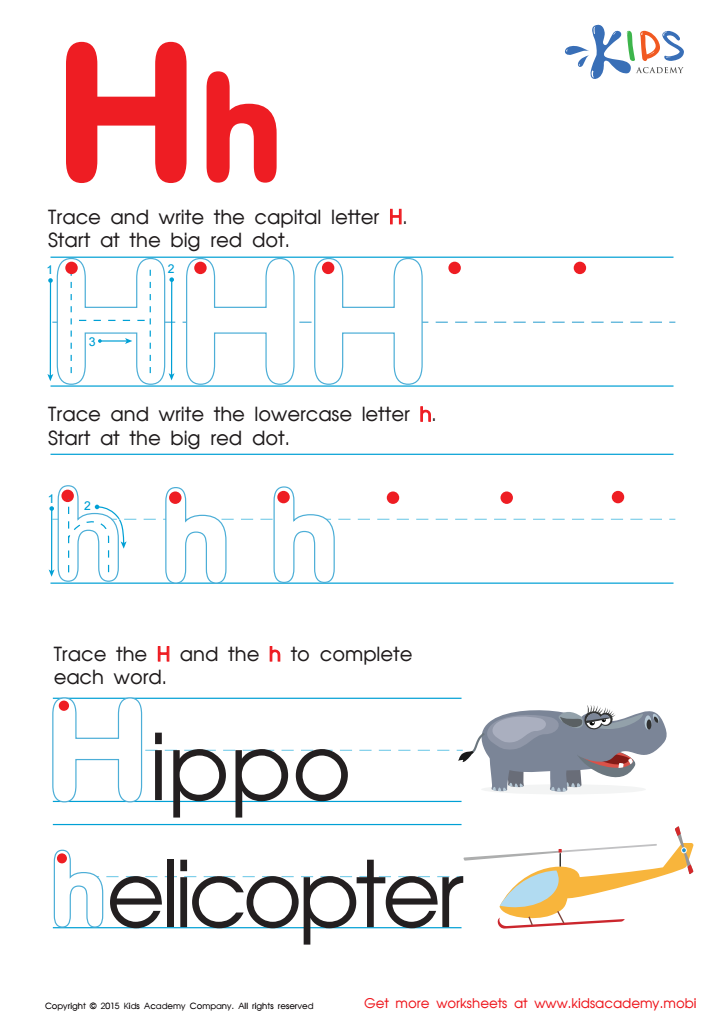
Letter H Tracing Page
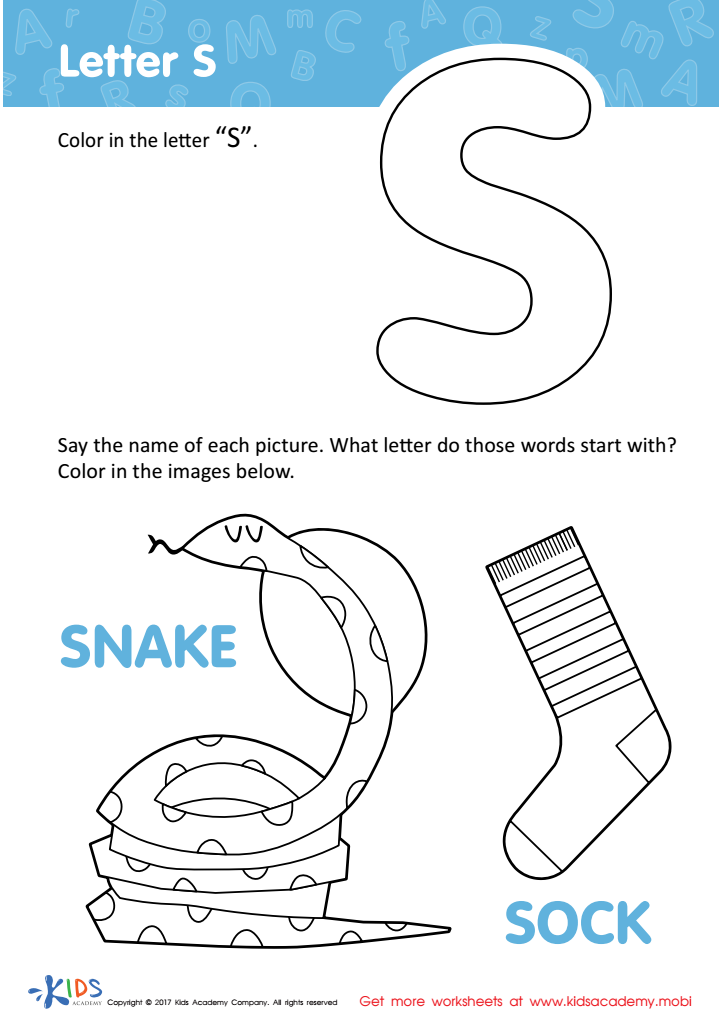
Letter S Coloring Sheet
Assign to My Students
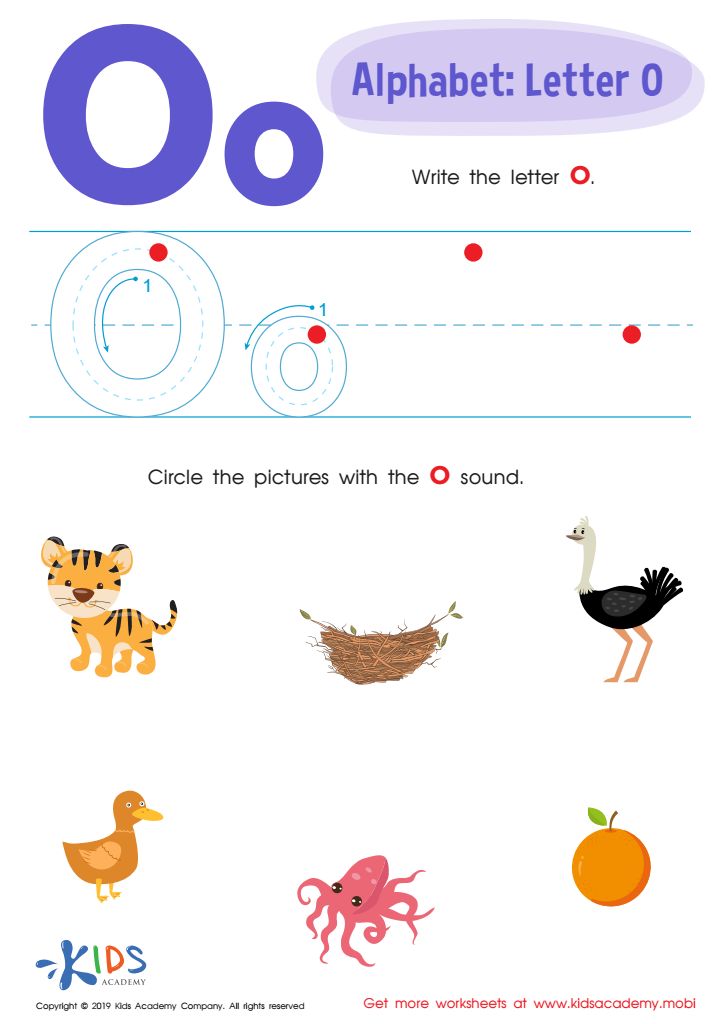
Letter O Tracing Worksheet
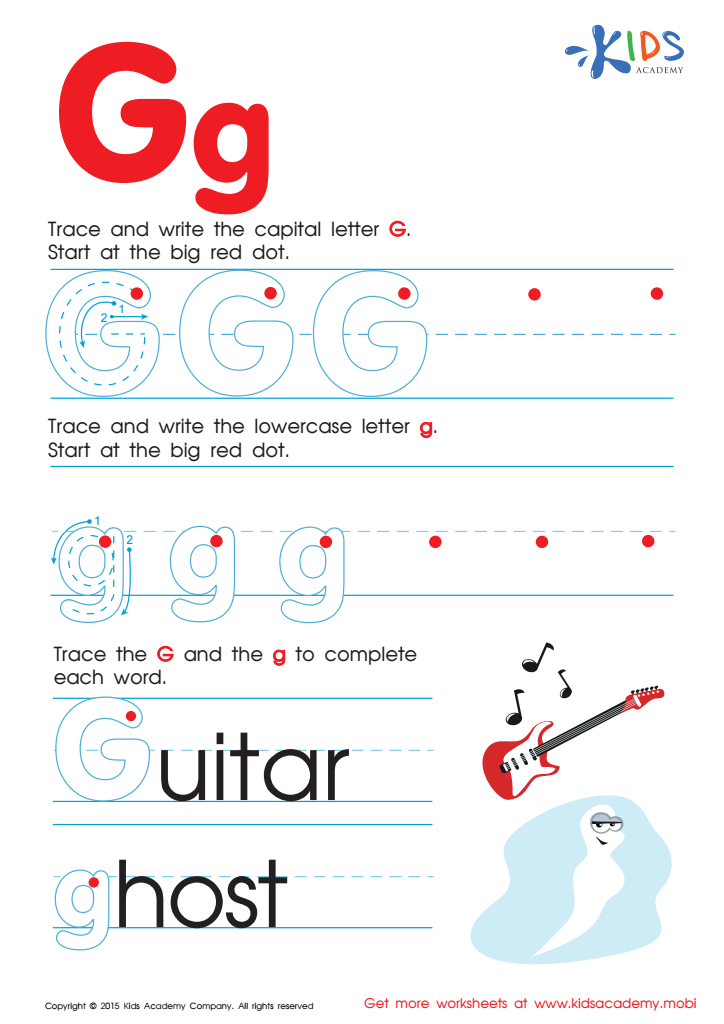
Letter G Tracing Page
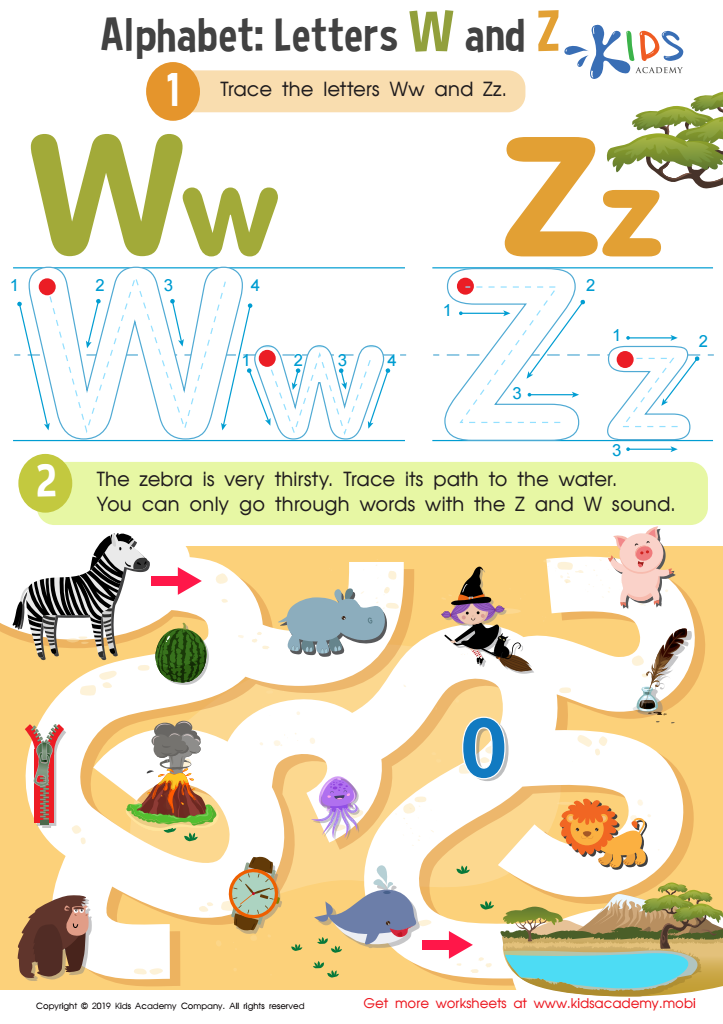
Letters W and Z Tracing Worksheet
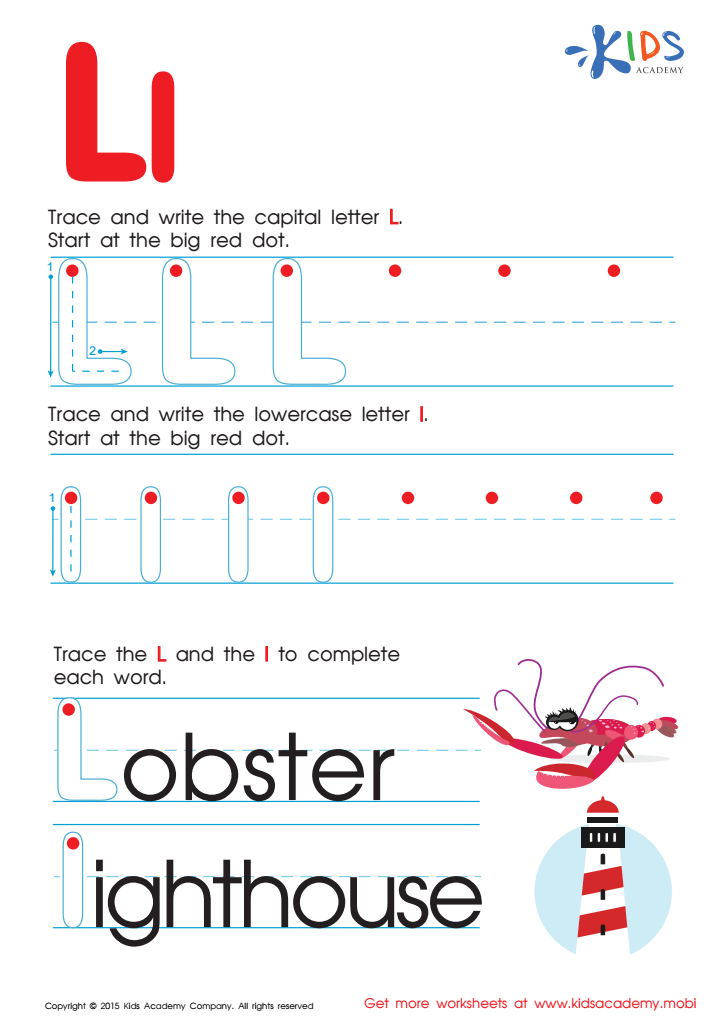
Letter L Tracing Page
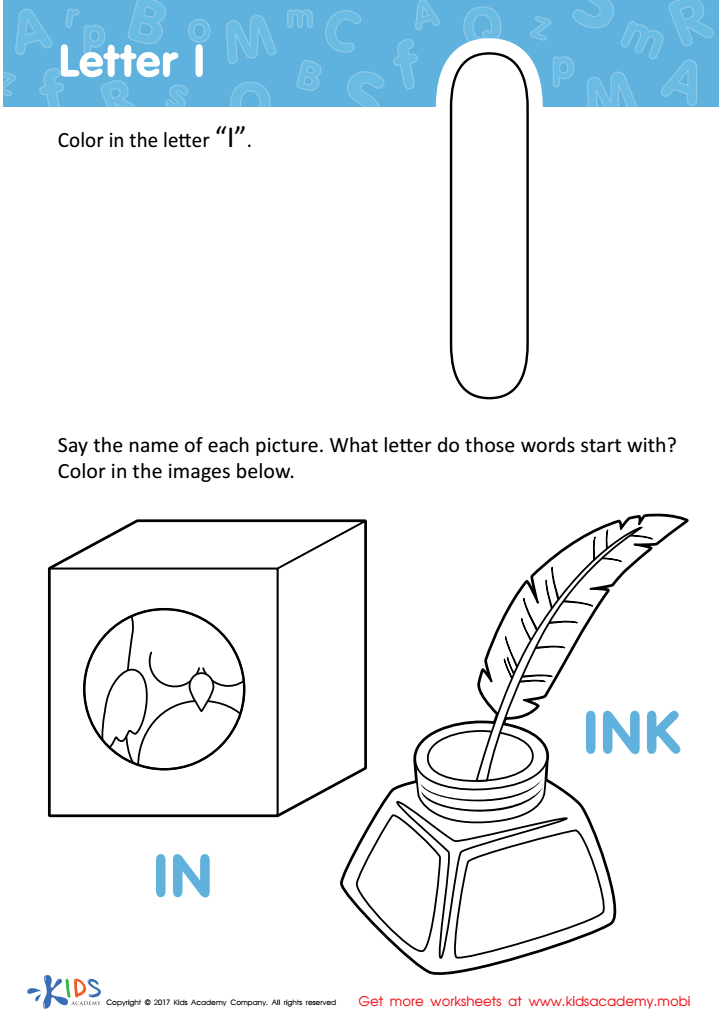
Letter I Coloring Sheet
Assign to My Students
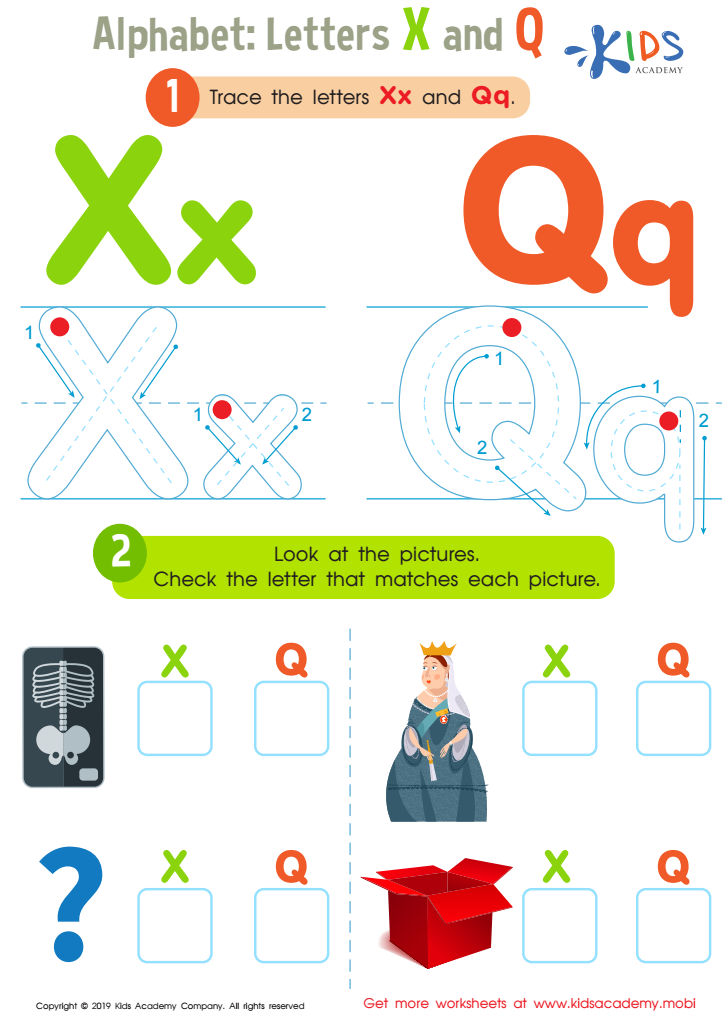
Letters X and Q Tracing Worksheet
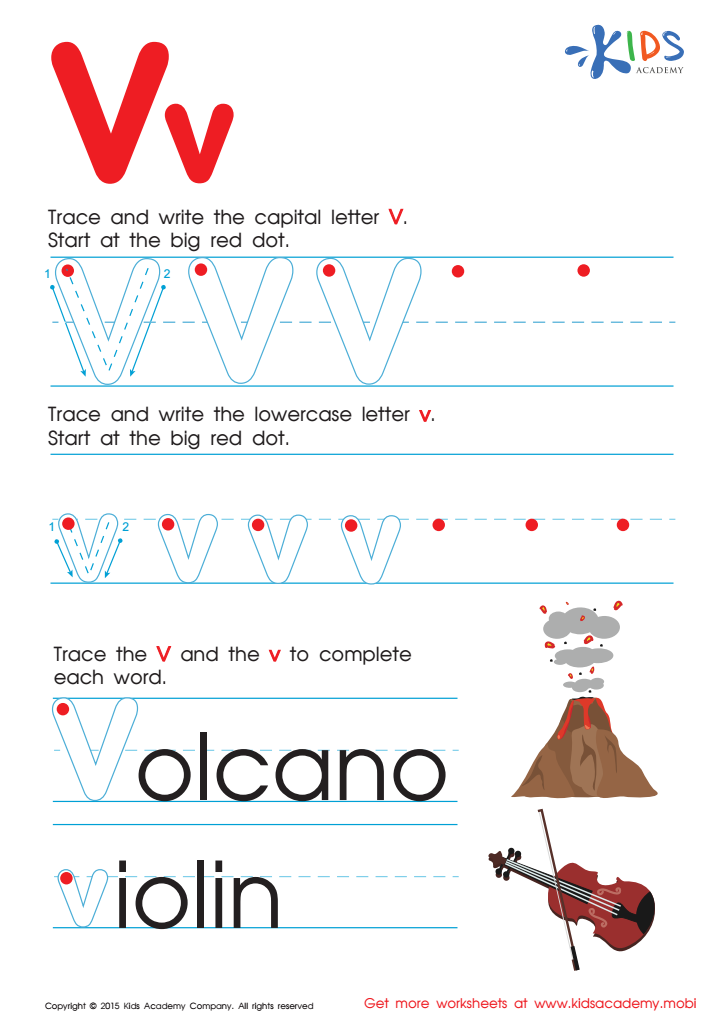
Letter V Tracing Page
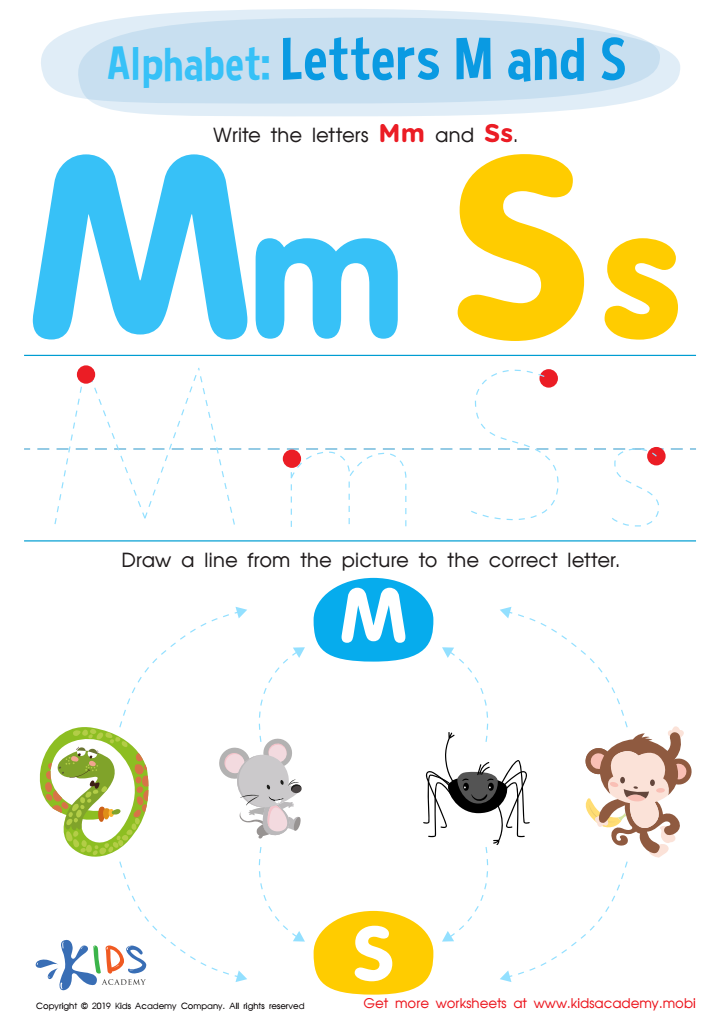
Letters M and S Tracing Worksheet
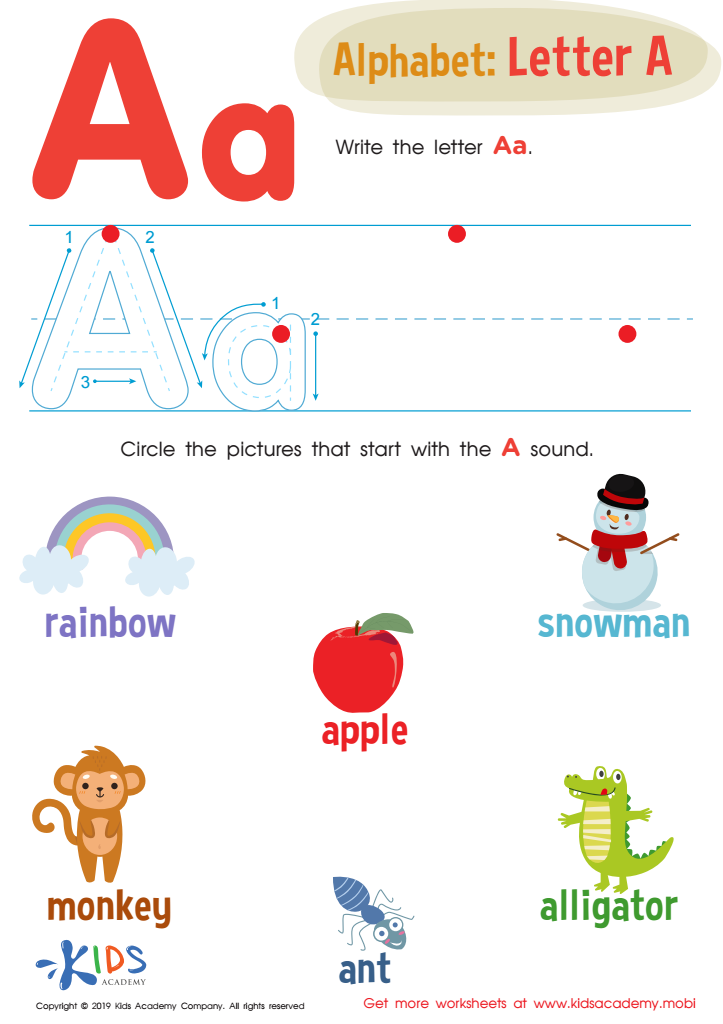
Letter A Tracing Worksheet





Letter recognition is a foundational skill critical to reading and writing development, especially by Grade 3. By this stage, students transition from learning to read to reading to learn, making solid letter recognition essential. When parents and teachers prioritize this skill, they set children up for success across scholarly subjects.
Firstly, proficient letter recognition supports phonemic awareness—the understanding that words are made up of individual sounds—which is crucial for decoding new words. Children who struggle with letter recognition often find themselves lagging in other reading skills such as fluency and comprehension. This can lead to a frustrating learning experience, diminishing a child’s enthusiasm for reading and learning overall.
Secondly, letter recognition is intertwined with spelling and writing capabilities. A child's ability to effortlessly recognize letters allows them to focus on composing words and sentences, enhancing their written communication skills.
Moreover, early detection of difficulties in letter recognition allows for timely interventions. Parents and teachers can employ specialized teaching strategies and tools to address and support each child's specific needs.
Caring about letter recognition by Grade 3, therefore, ensures children develop strong literacy foundations, impacting their overall academic performance and educational journey positively. It fosters a lifelong love of reading and learning, equipping children with tools essential for educational success and beyond.