Letter recognition Letter Recognition Worksheets for Ages 6-8
60 filtered results
-
From - To
Introduce your child to the world of letters with our engaging Letter Recognition Worksheets for Ages 6-8. These worksheets are expertly designed to enhance letter recognition skills while making learning fun and interactive. Each activity challenges young learners to identify, trace, and connect letters, promoting improved reading readiness. Through these printable exercises, children develop essential language skills that form the foundation for proficient reading and writing. Perfect for classroom or at-home use, our worksheets offer a comprehensive approach to mastering the alphabet. Start your child’s journey to literacy today with our age-appropriate, educational letter recognition worksheets.
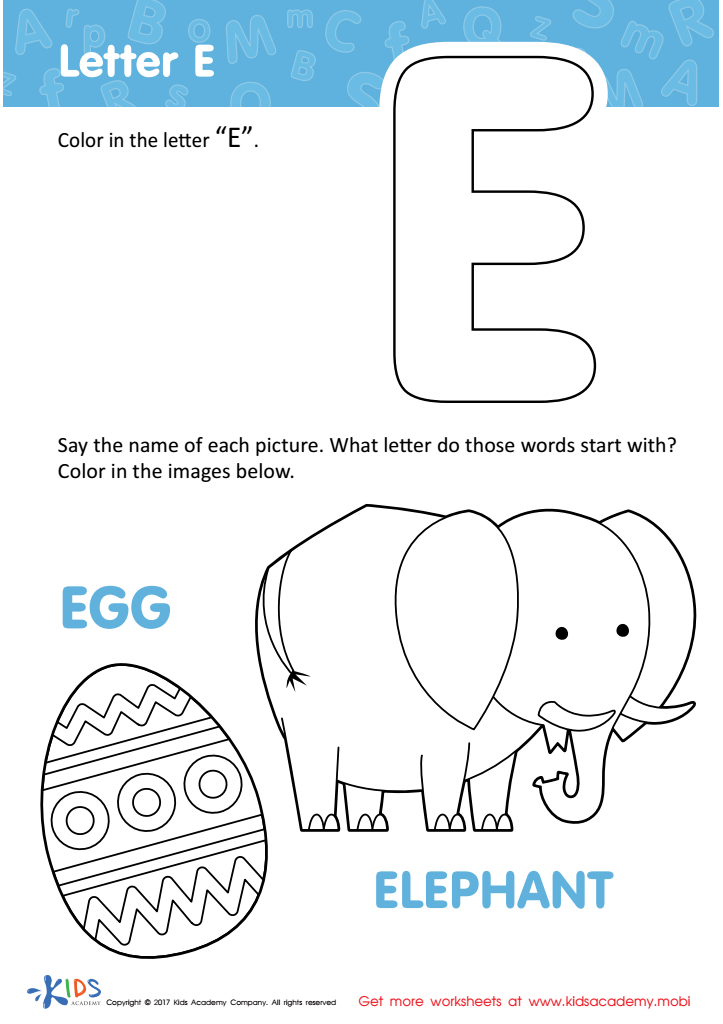
Letter E Coloring Sheet
 Assign to My Students
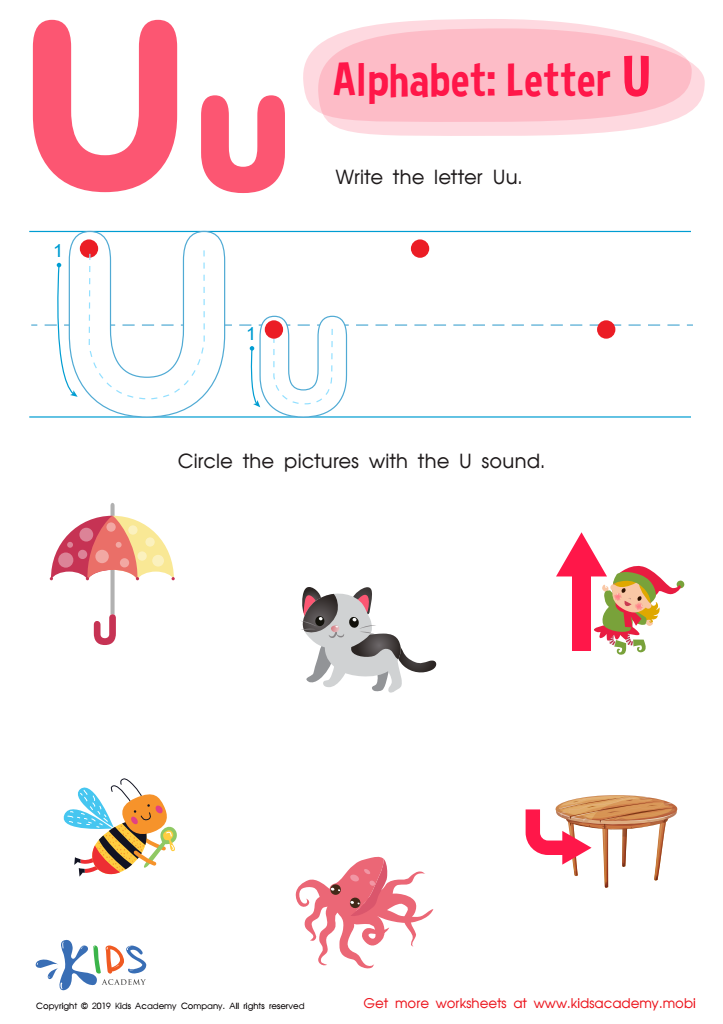
Letter U Tracing Worksheet
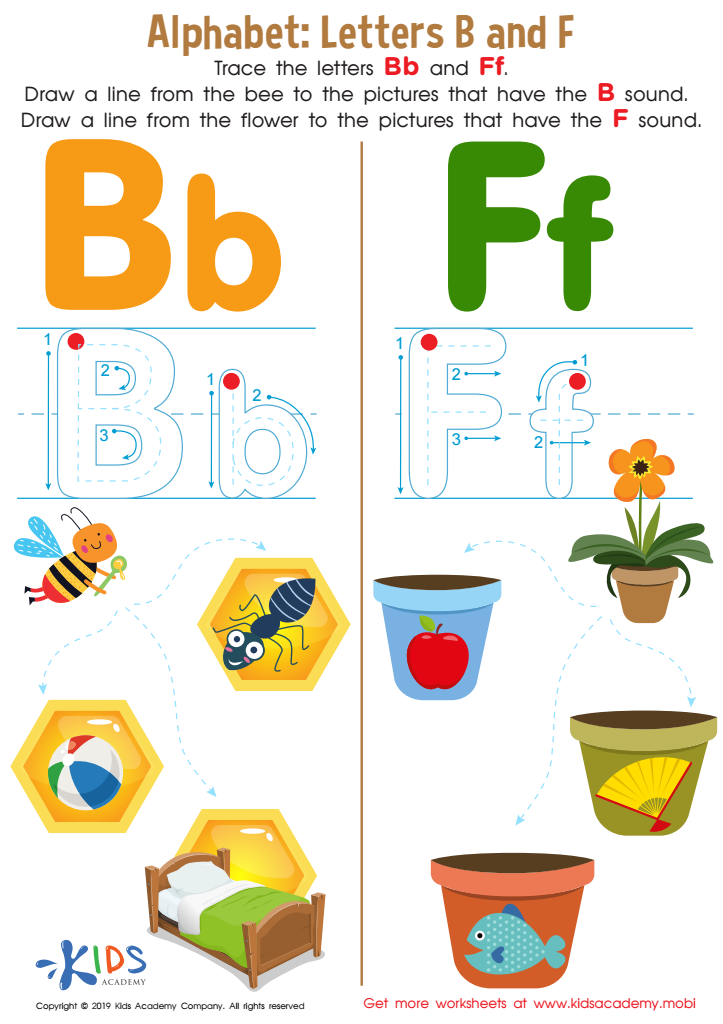
Letters B and F Tracing Worksheet
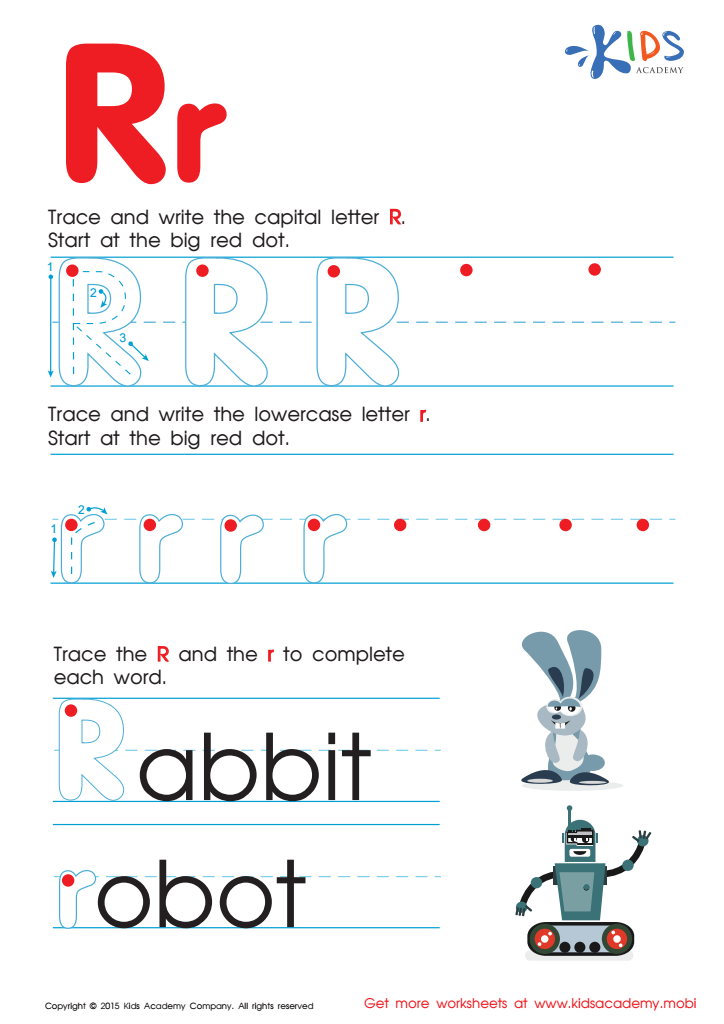
Letter R Tracing Page
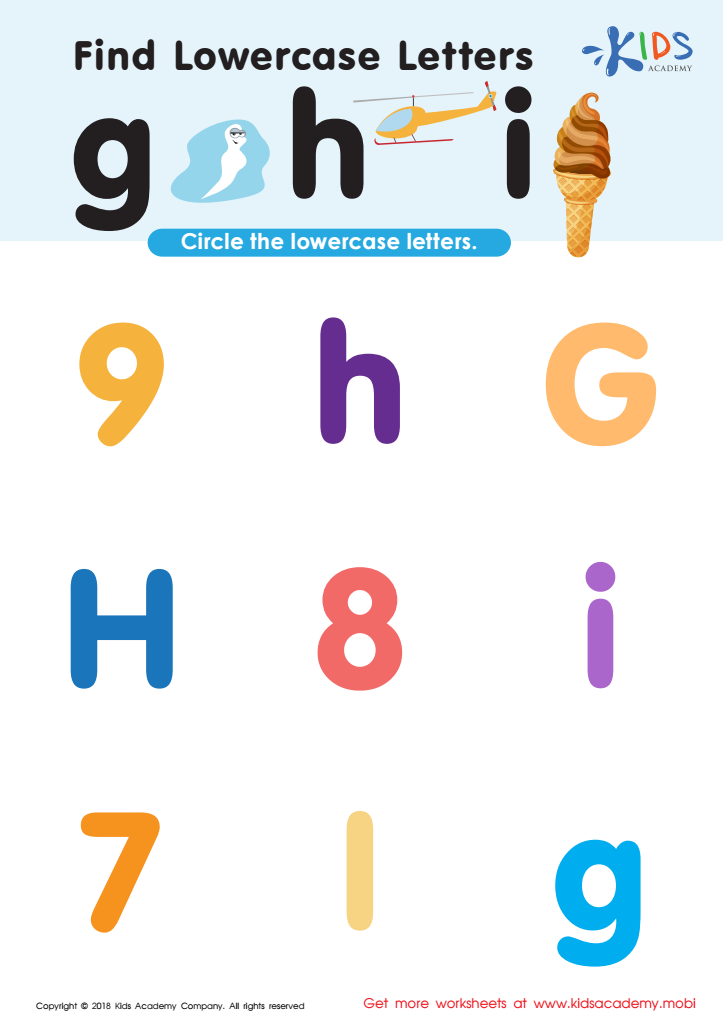
Find Lowercase Letters g h i Worksheet
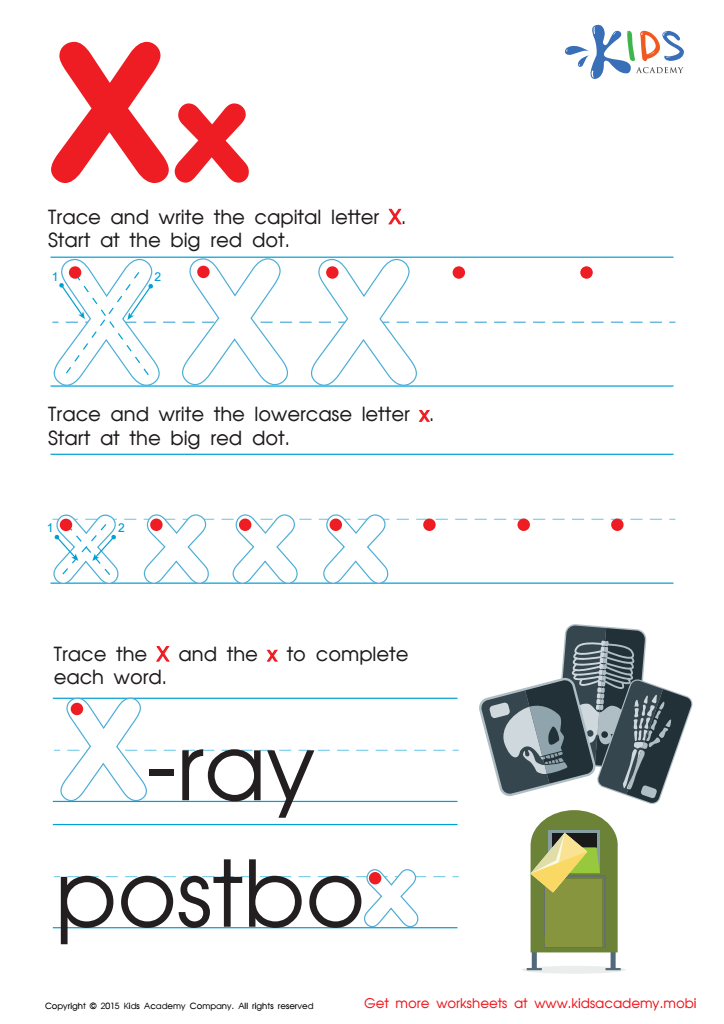
Letter X Tracing Page
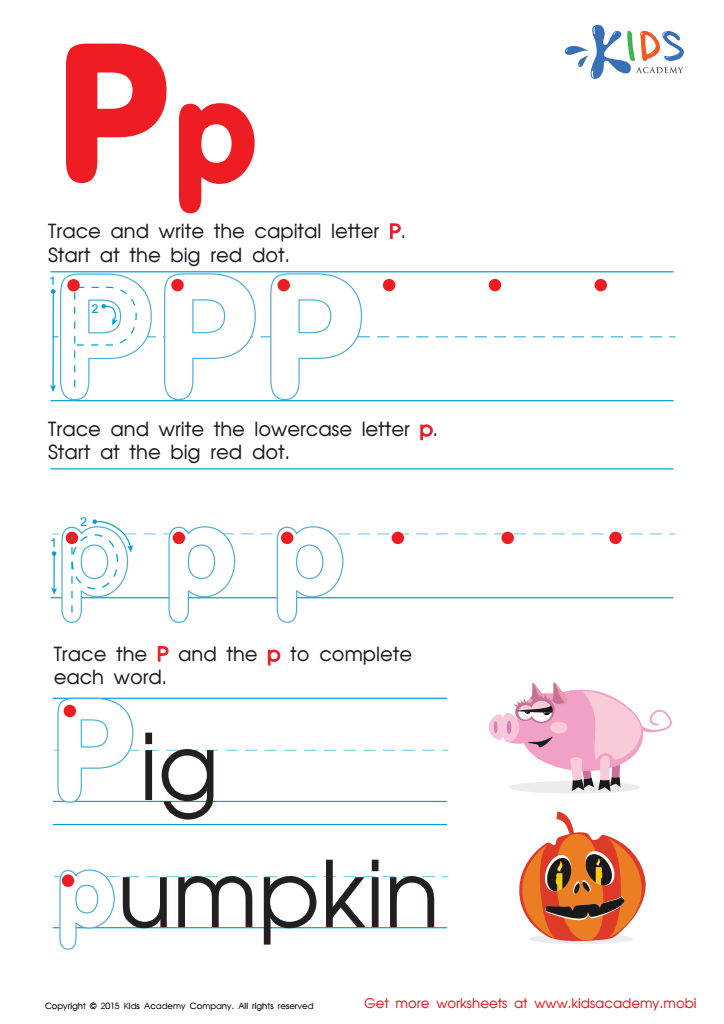
Letter P Tracing Page
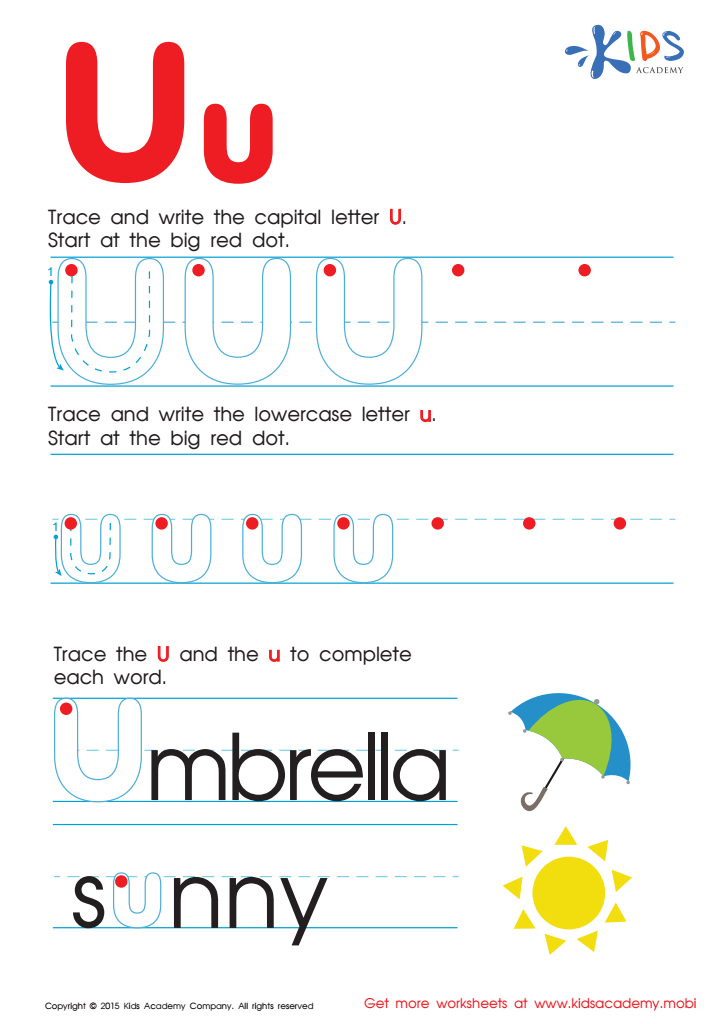
Letter U Tracing Page
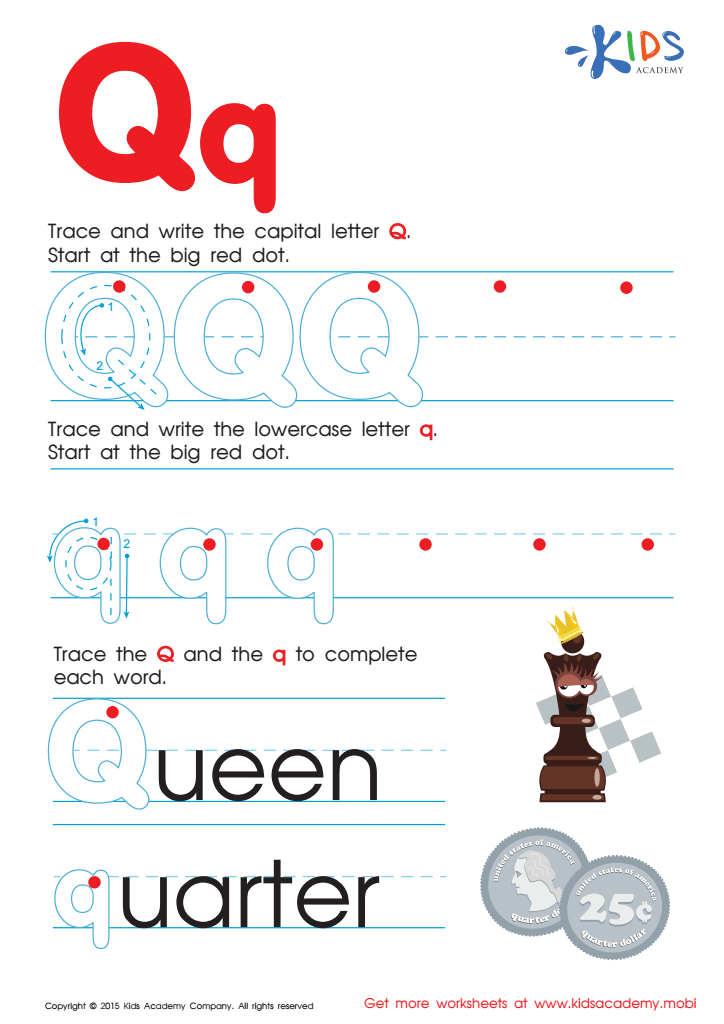
Letter Q Tracing Page
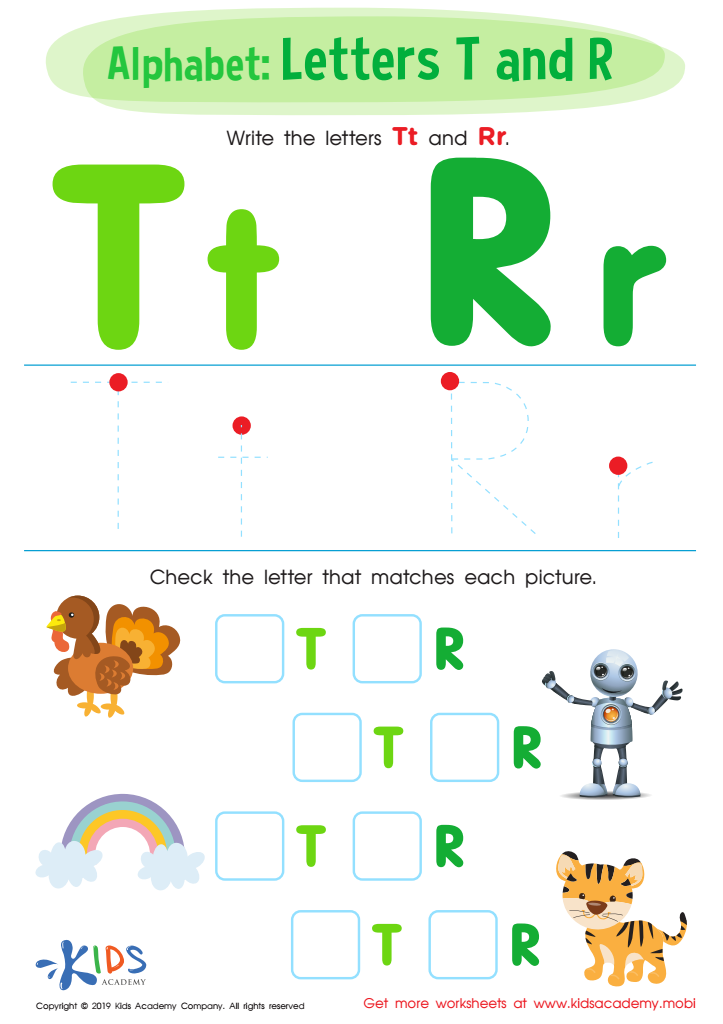
Letters T and R Worksheet
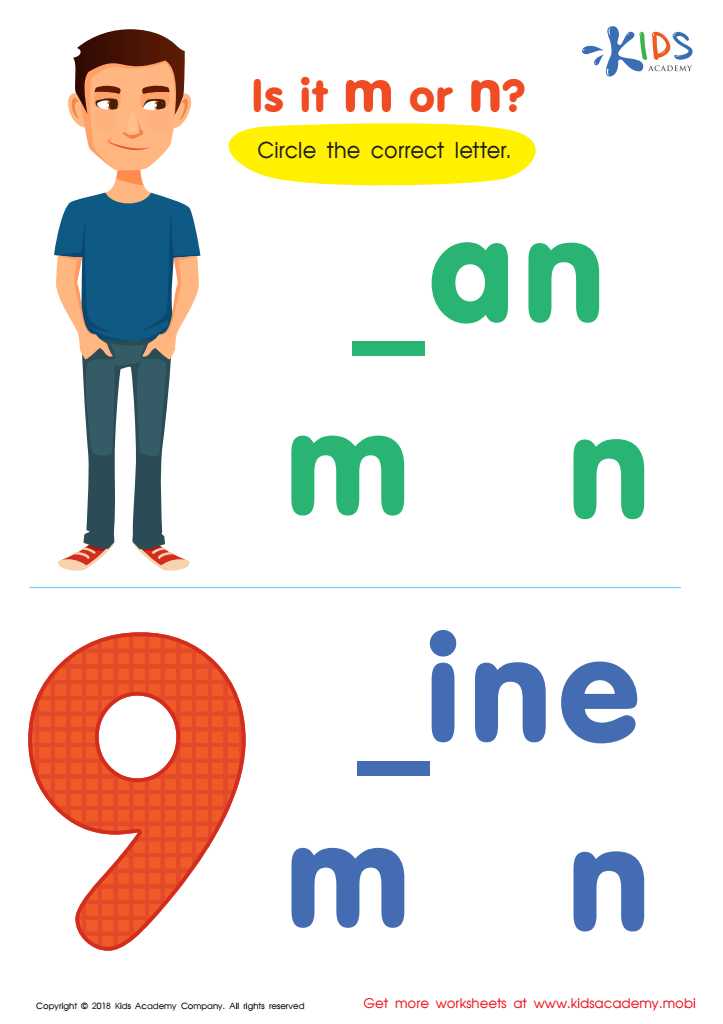
Is It m or n? Worksheet
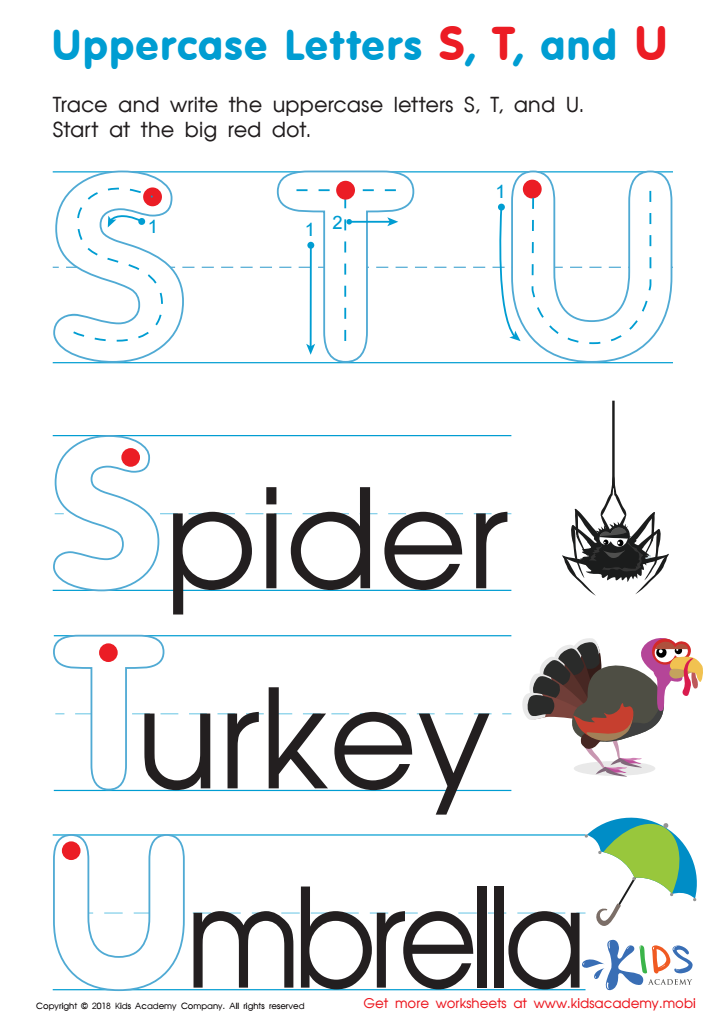
Uppercase Letters S, T, and U Worksheet
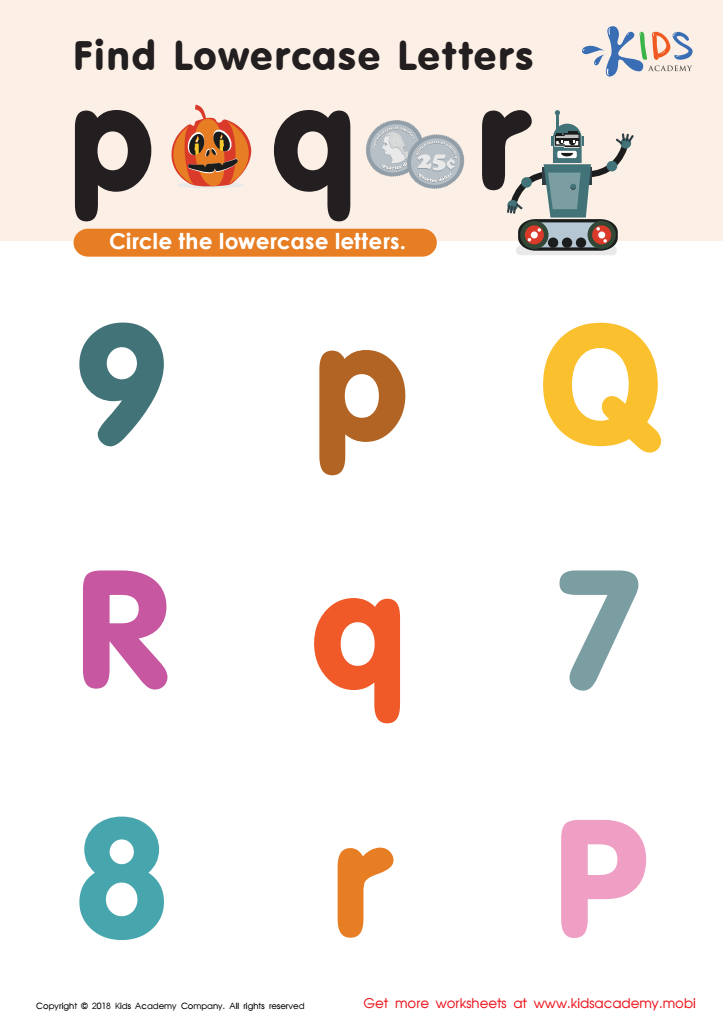
Find lowercase Letters p q r Worksheet
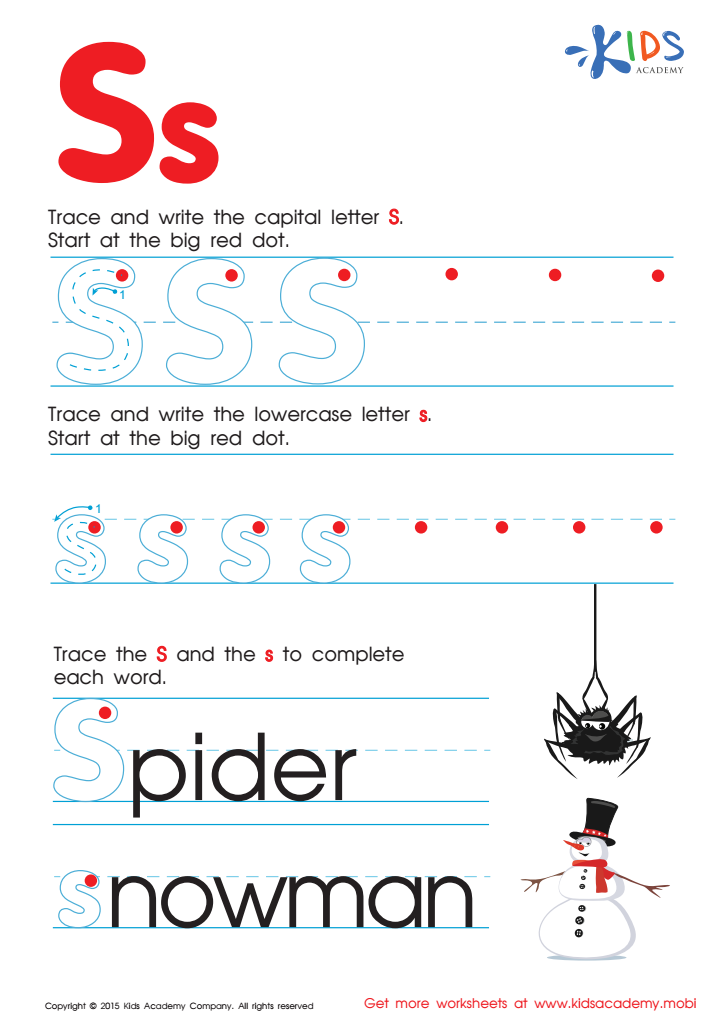
Letter S Tracing Page
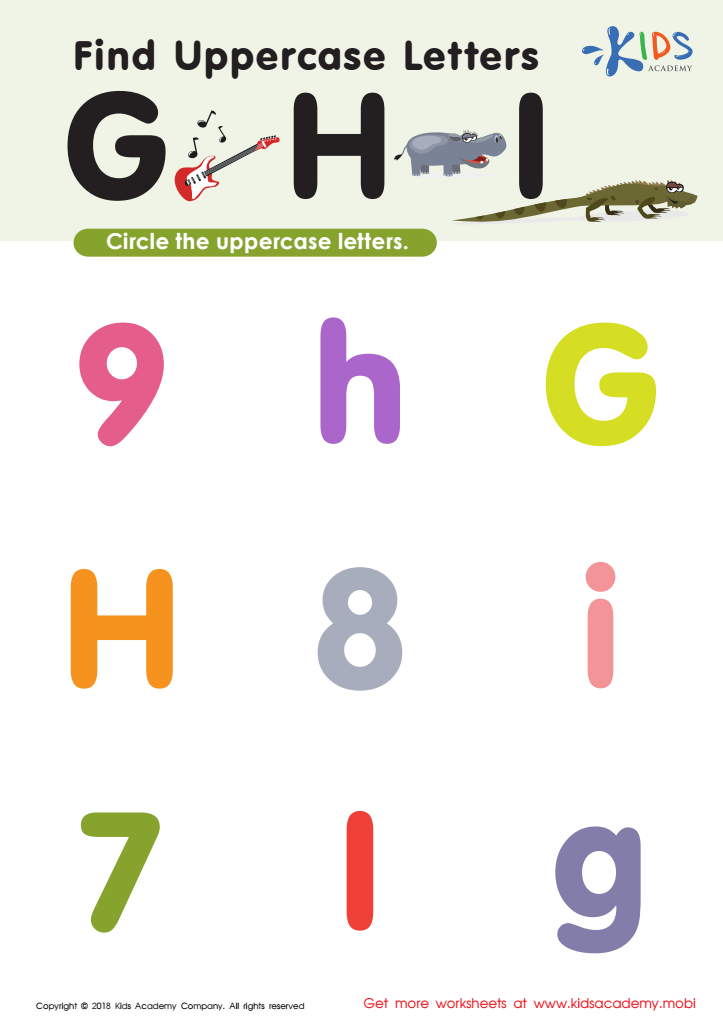
Find Uppercase Letters G, H, and I Worksheet
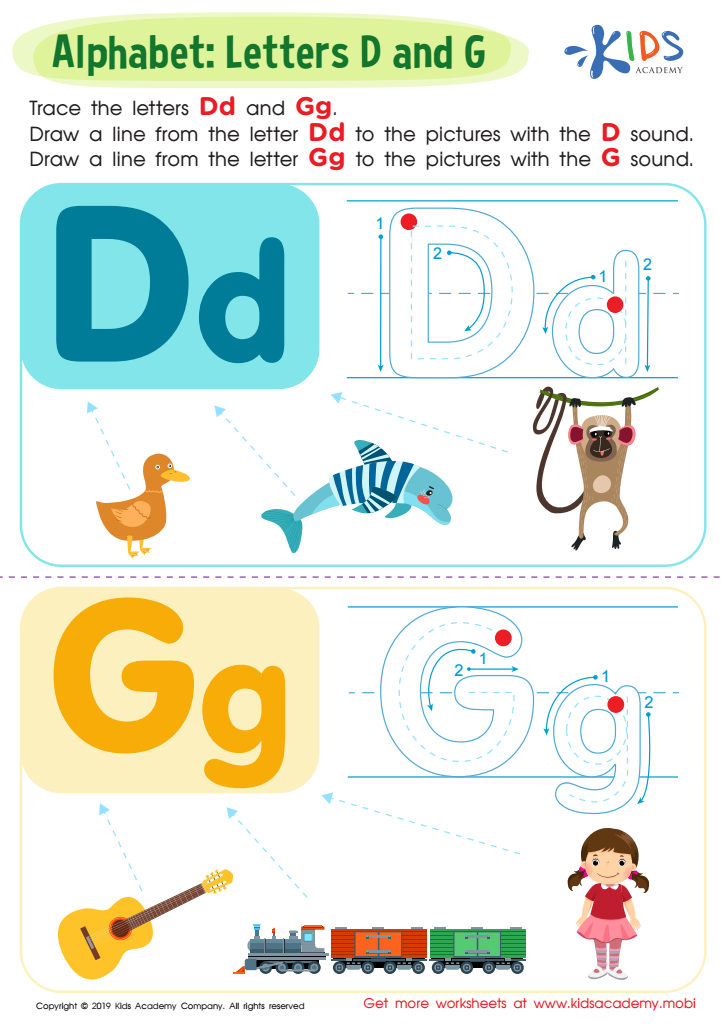
Letter D and G Tracing Worksheet
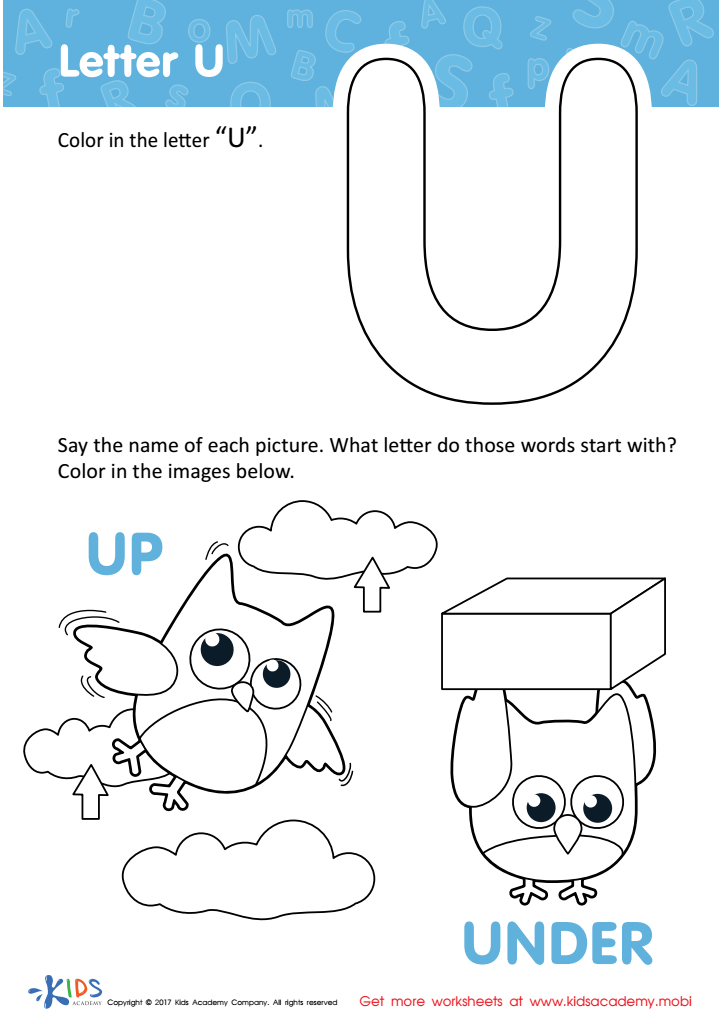
Letter U Coloring Sheet
Assign to My Students
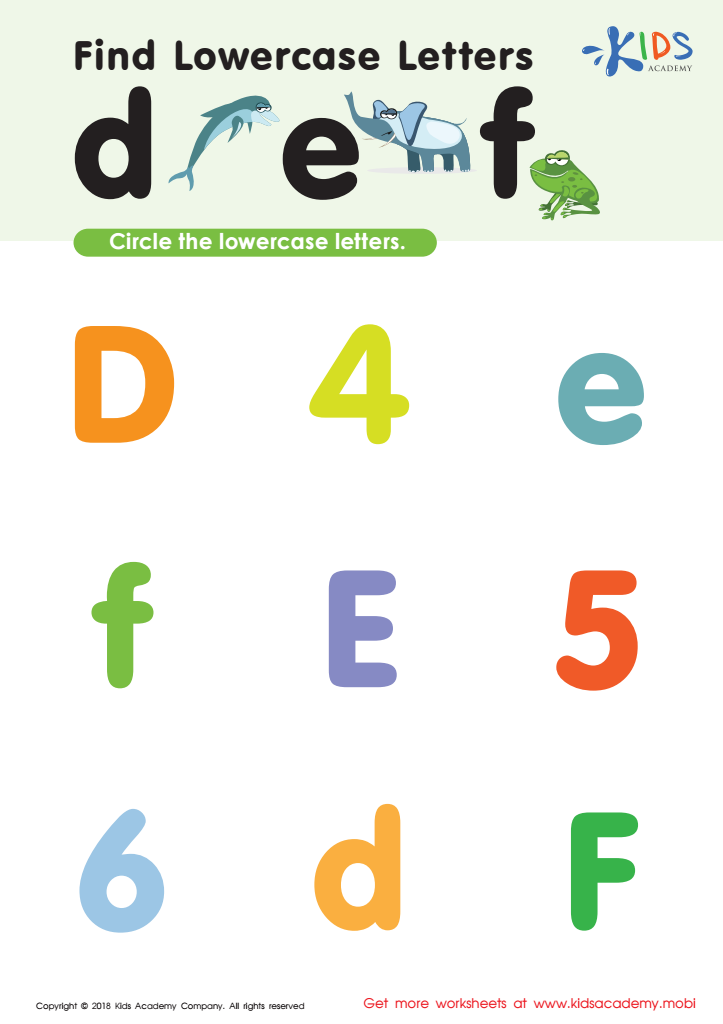
Find Lowercase Letters d e f Worksheet
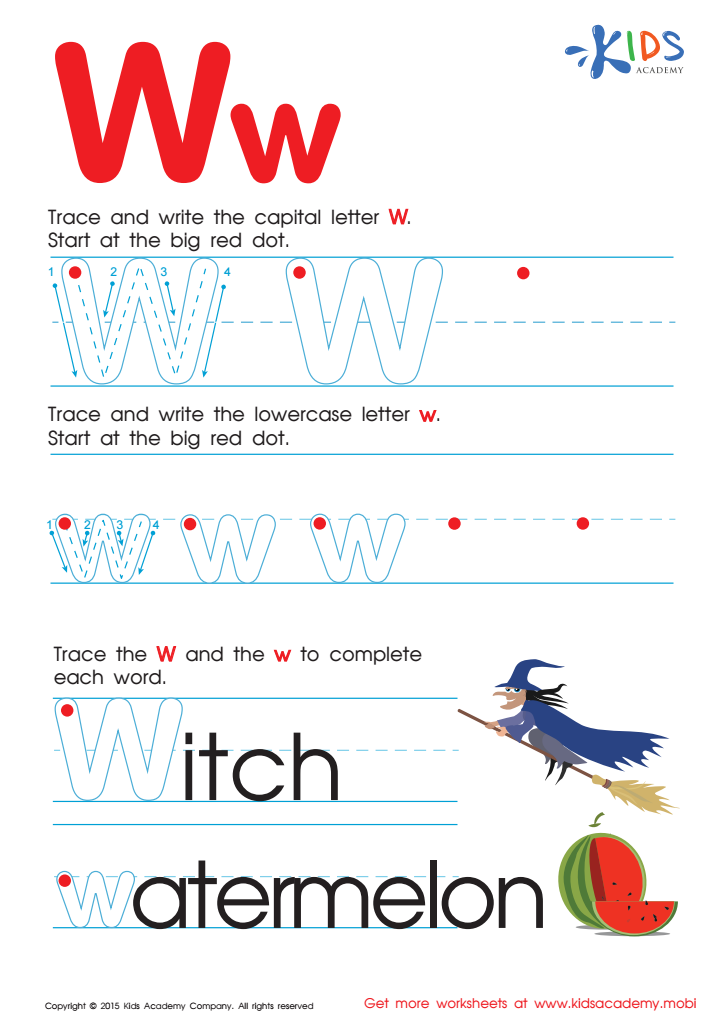
Letter W Tracing Page

Letter H Tracing Page
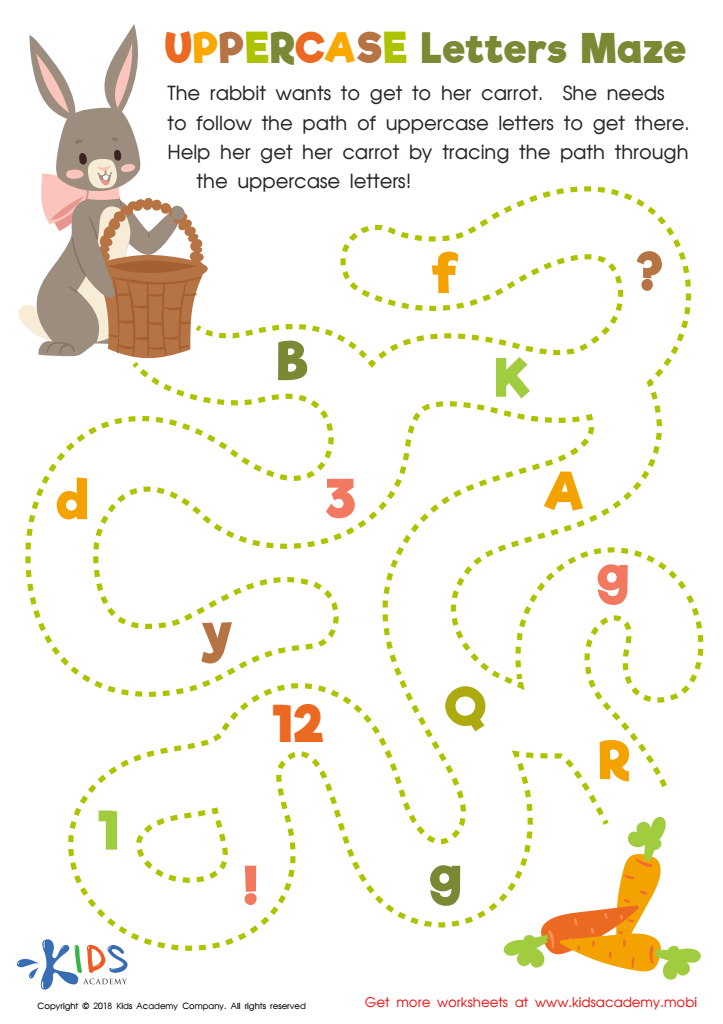
Uppercase Letters Maze Worksheet
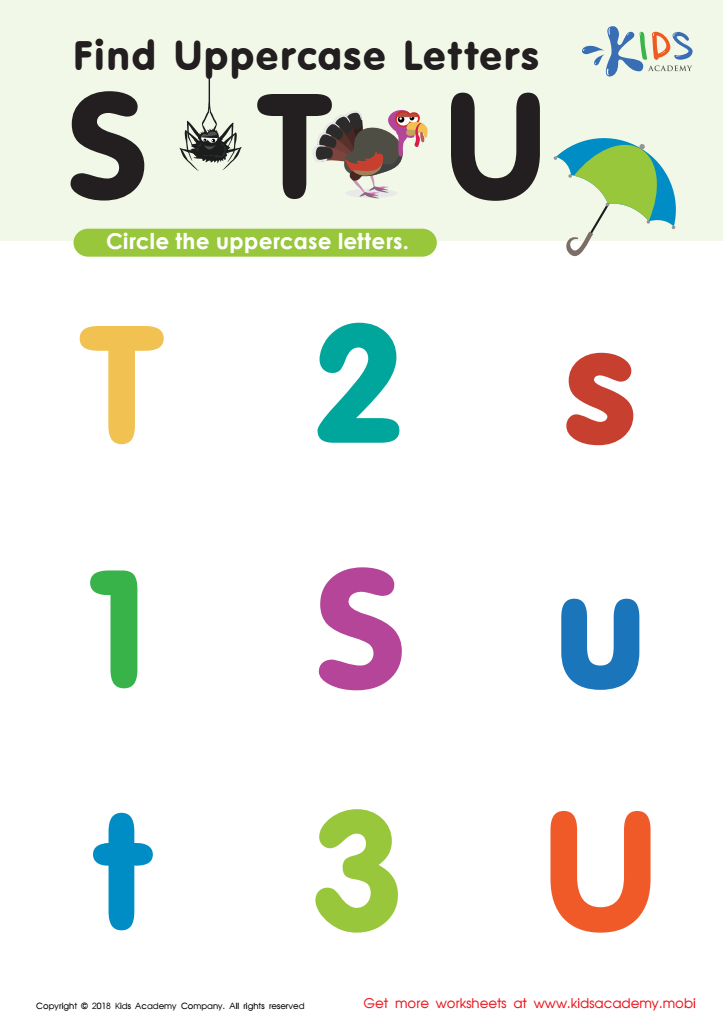
Find Uppercase Letters Worksheet
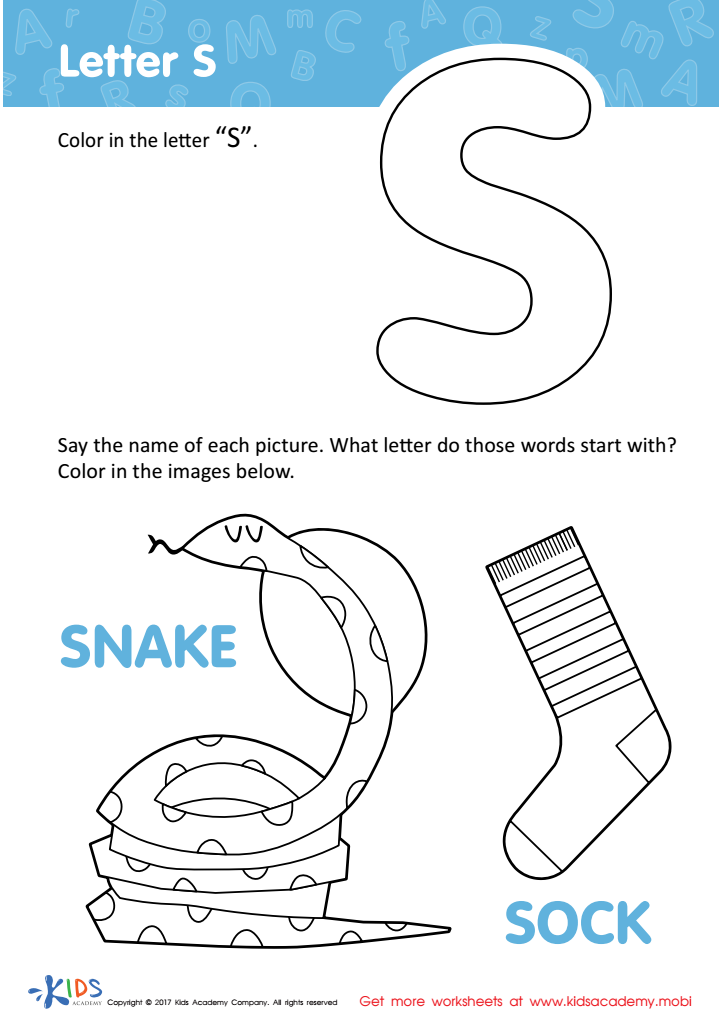
Letter S Coloring Sheet
Assign to My Students
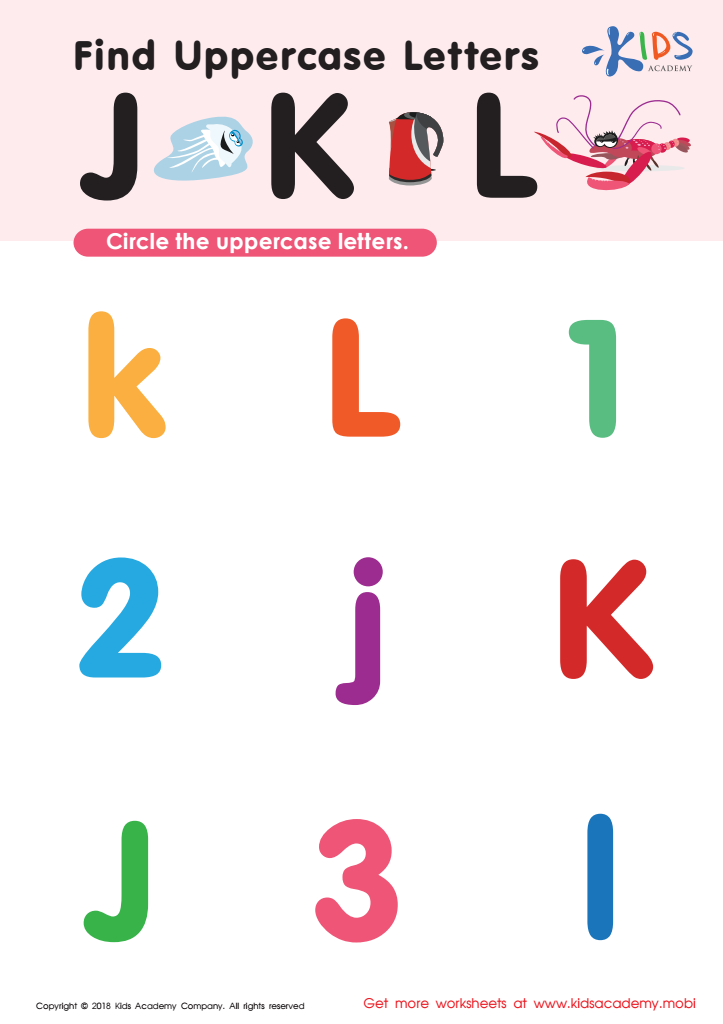
Find Uppercase Letters J, K, and L Worksheet








Understanding letter recognition is crucial for children aged 6-8, as it lays the foundational building blocks for literacy. At this developmental stage, recognizing letters equates to comprehending the symbols of language, unlocking the door to reading and writing. Parents and teachers play an essential role in nurturing these skills, not only by teaching the letters themselves but also by instilling a lifelong love of learning.
Mastering letter recognition enables children to decode written words, paving the way for fluency in reading. Fluency, in turn, is linked to comprehension - once a child can read smoothly, they can better understand and enjoy the material. This understanding often translates into a more extensive vocabulary and improved communication skills, further impacting academic performance across all subjects.
Beyond academics, skillful letter recognition fosters confidence in children, reducing frustration and increasing their enthusiasm toward learning. This enthusiasm usually extends beyond the classroom, encouraging a proactive approach to acquiring new skills and knowledge.
Parents and teachers who prioritize letter recognition contribute significantly to a child's overall cognitive development. Their proactive engagement can have lasting consequences, turning potentially challenging aspects of initial education into enjoyable and rewarding experiences. Crucially, this support helps ensure a smoother transition through subsequent educational stages, equipping children with the tools they need for future success.







