Letter recognition Letter Recognition Worksheets for 5-Year-Olds
63 filtered results
-
From - To
Enhance your child's letter recognition skills with our engaging worksheets designed specifically for 5-year-olds. These fun, printable activities promote early literacy development by helping young learners identify, differentiate, and sound out letters of the alphabet. Filled with colorful illustrations and interactive tasks, our worksheets encourage children to practice lowercase and uppercase letters while developing fine motor skills. Ideal for both home and classroom settings, these resources make learning enjoyable and effective. Support your child's educational journey and lay a strong foundation for reading and writing with our comprehensive letter recognition worksheets today! Unlock the joy of learning through play!
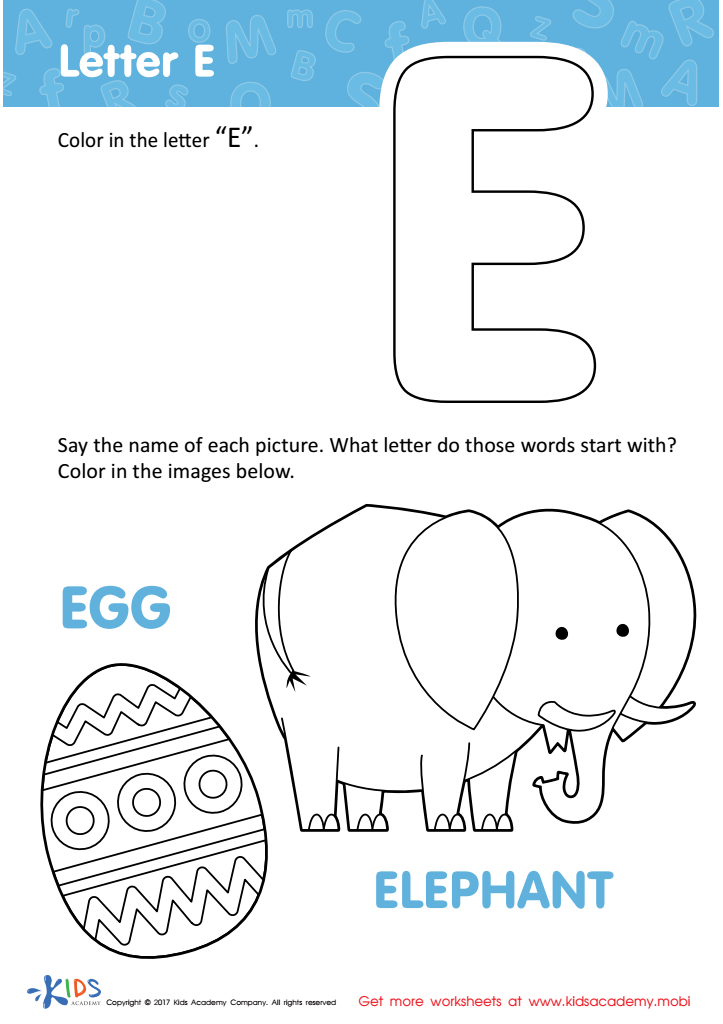
Letter E Coloring Sheet
 Assign to My Students
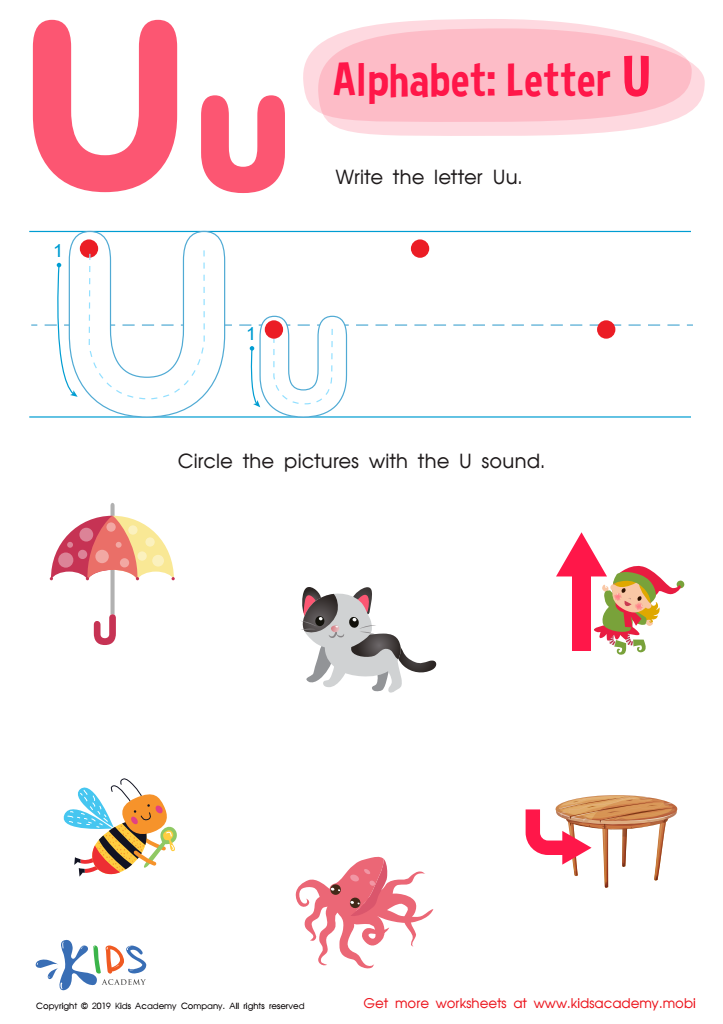
Letter U Tracing Worksheet
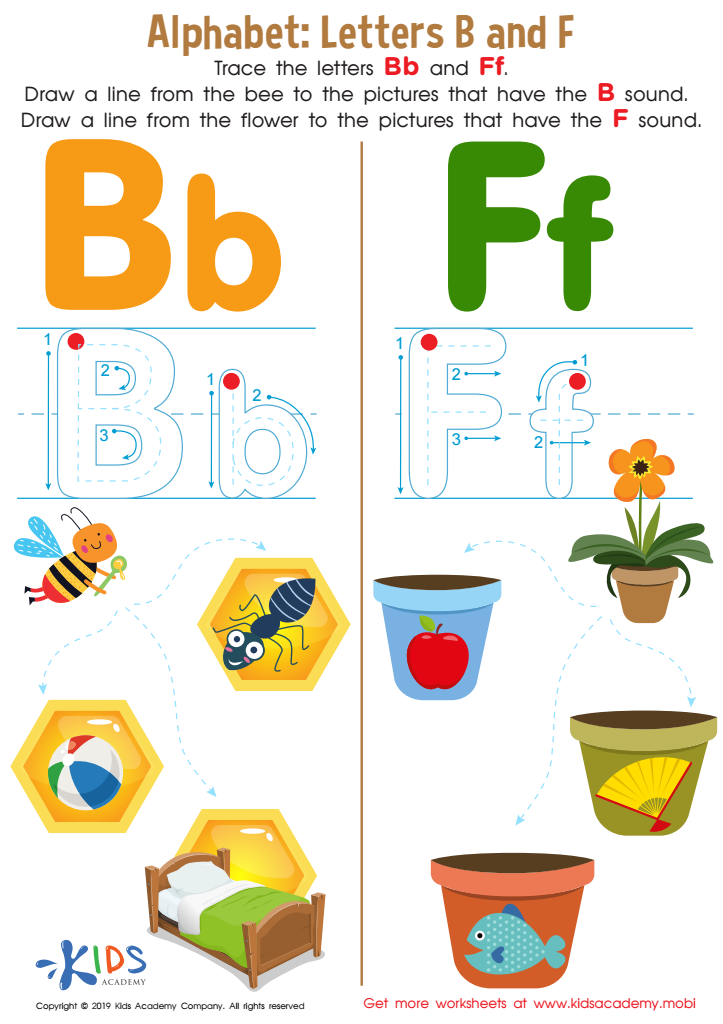
Letters B and F Tracing Worksheet
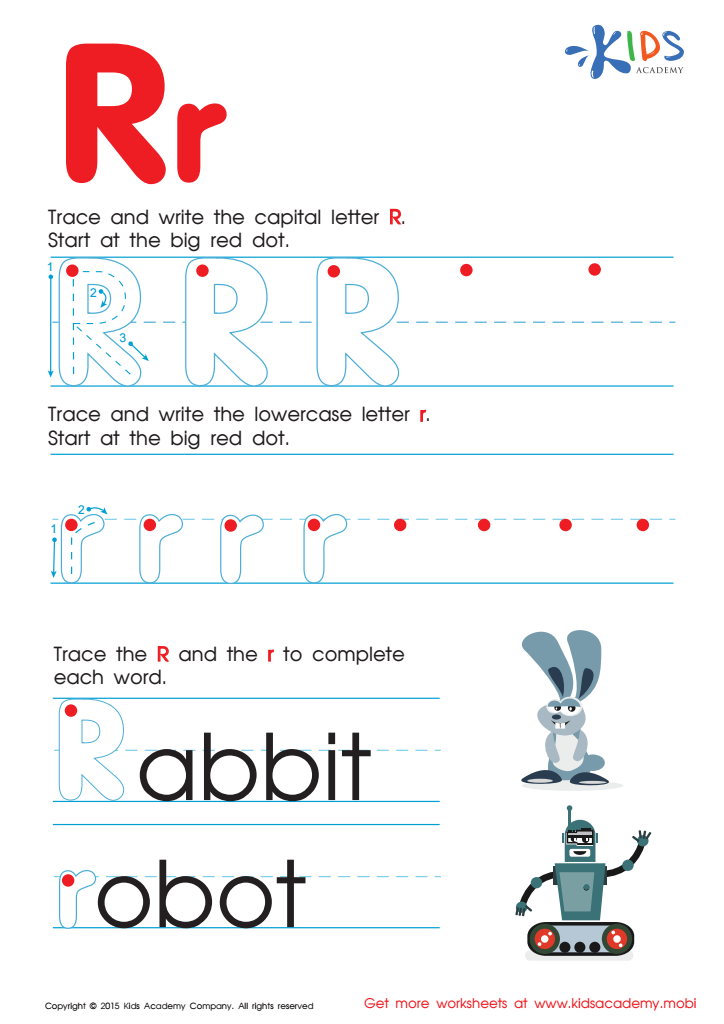
Letter R Tracing Page
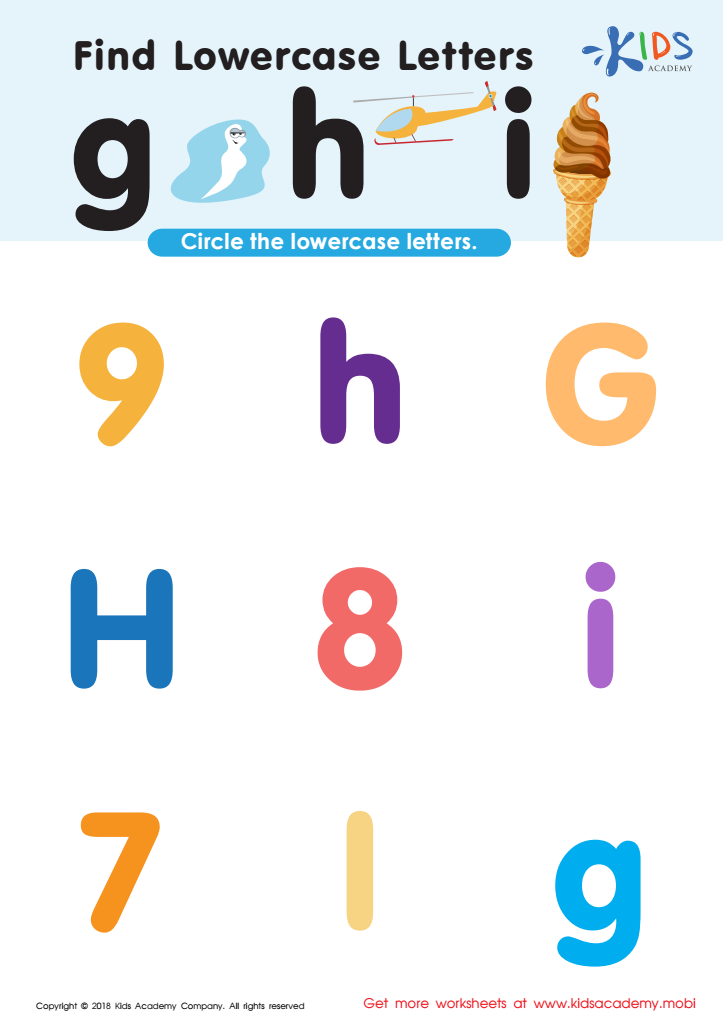
Find Lowercase Letters g h i Worksheet
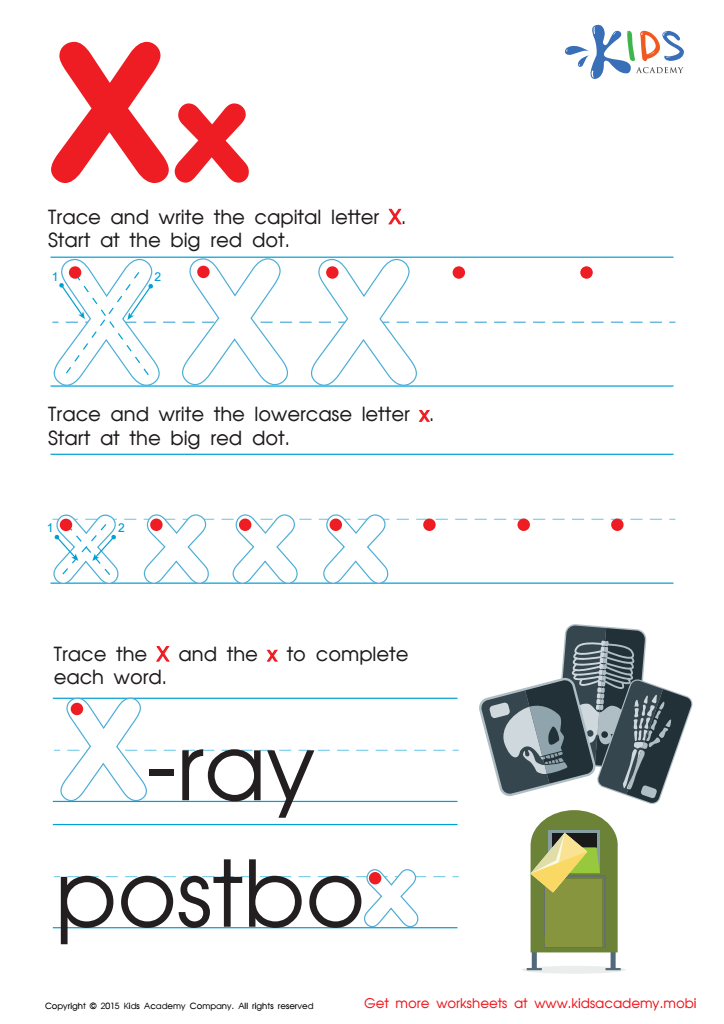
Letter X Tracing Page
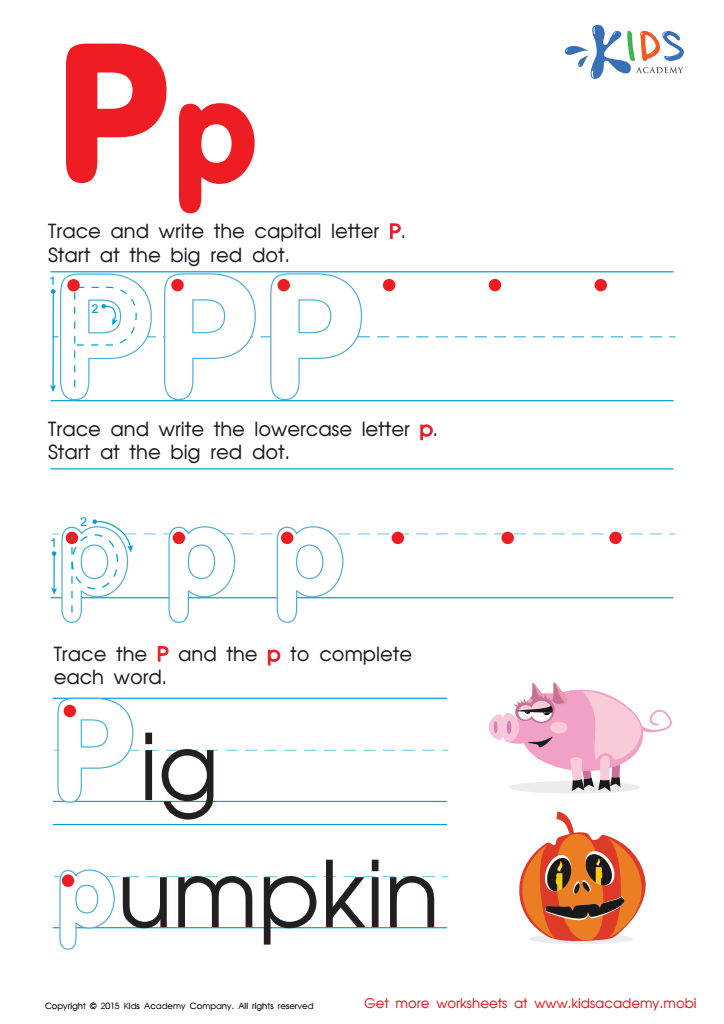
Letter P Tracing Page
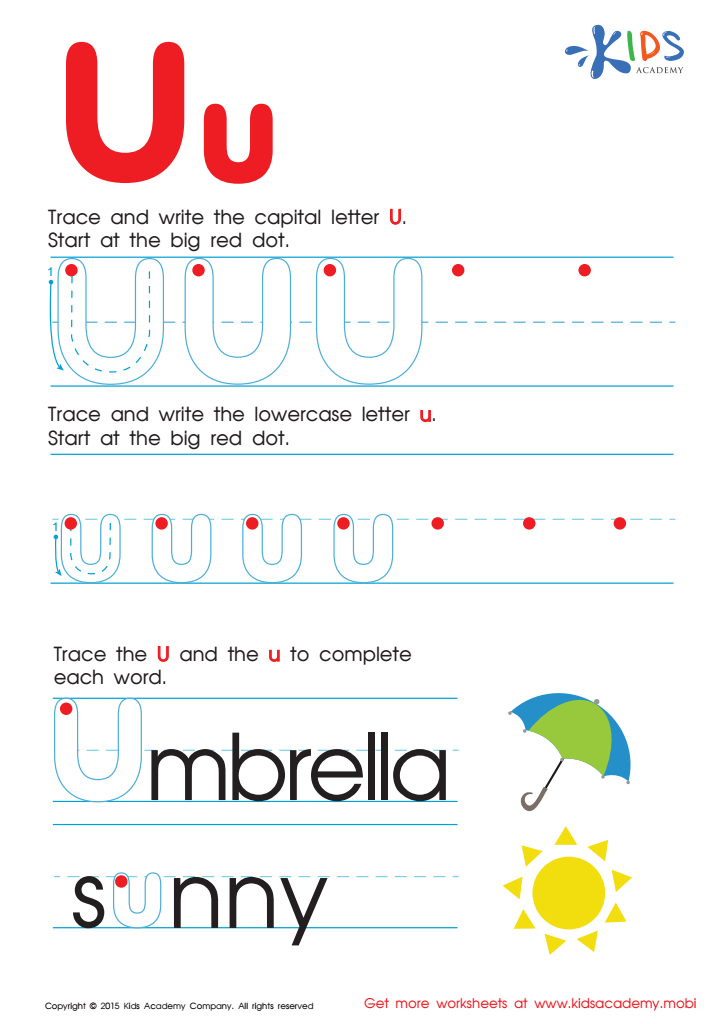
Letter U Tracing Page
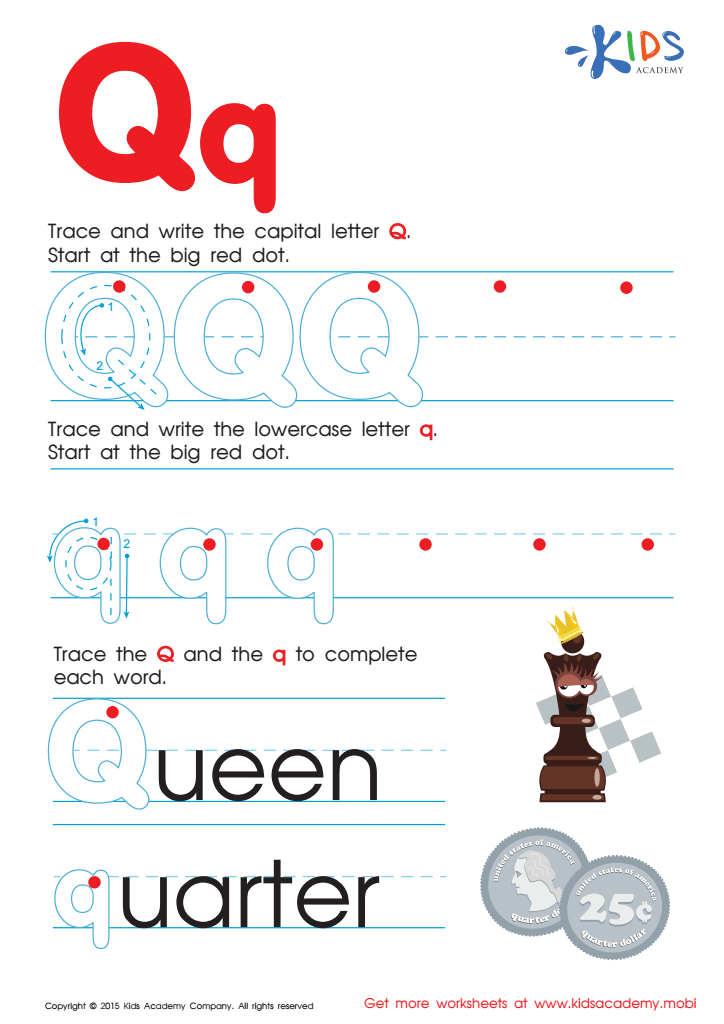
Letter Q Tracing Page
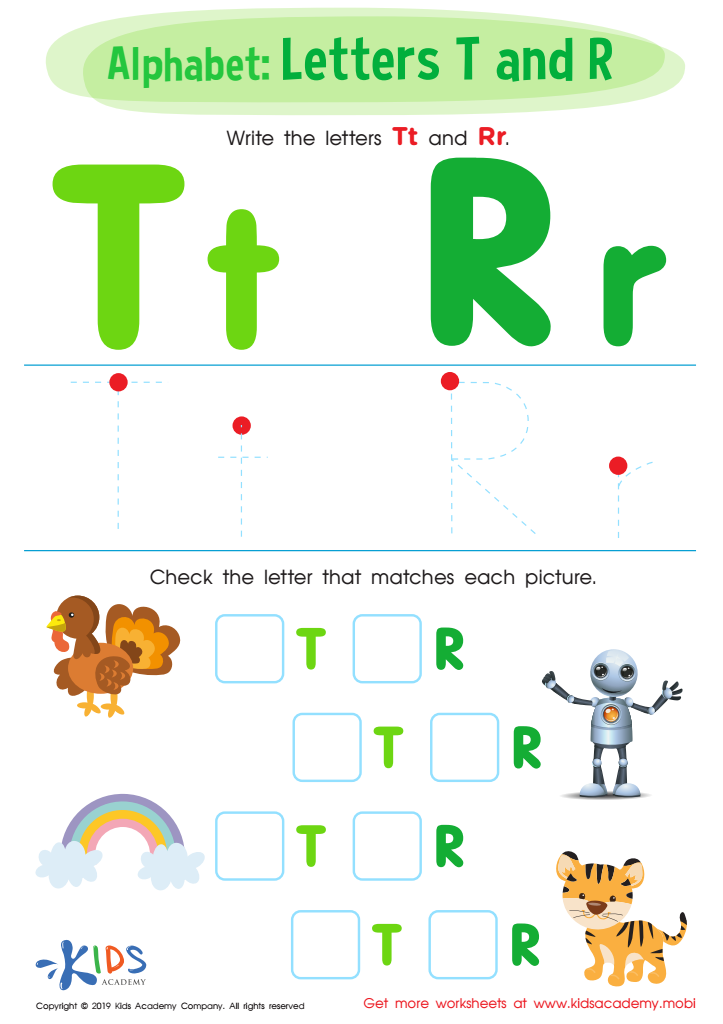
Letters T and R Worksheet
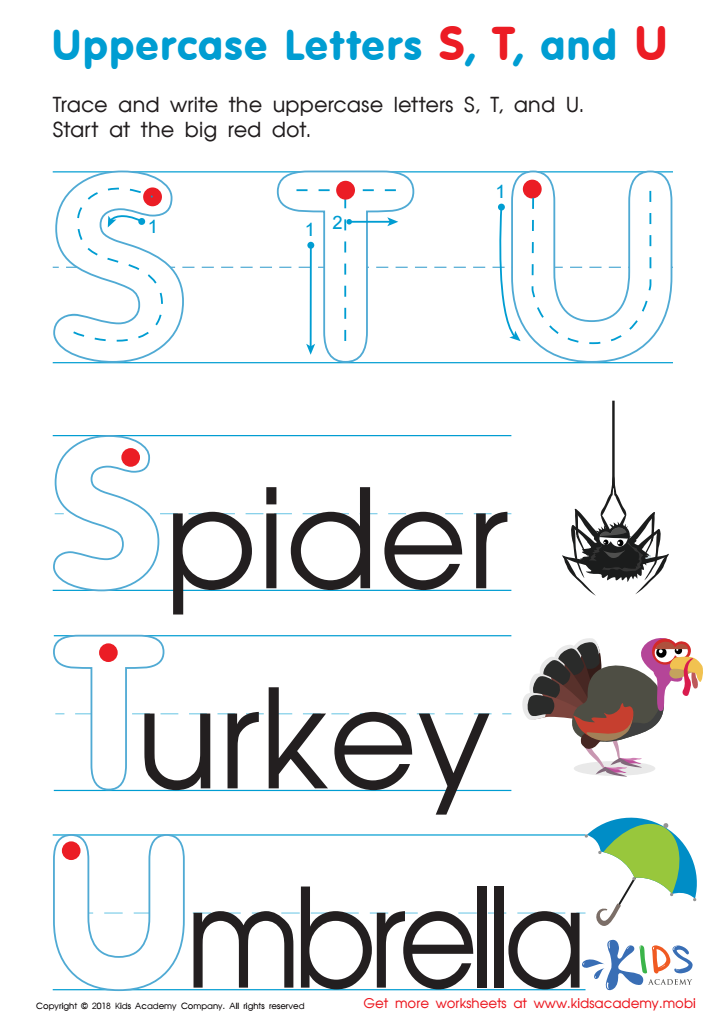
Uppercase Letters S, T, and U Worksheet
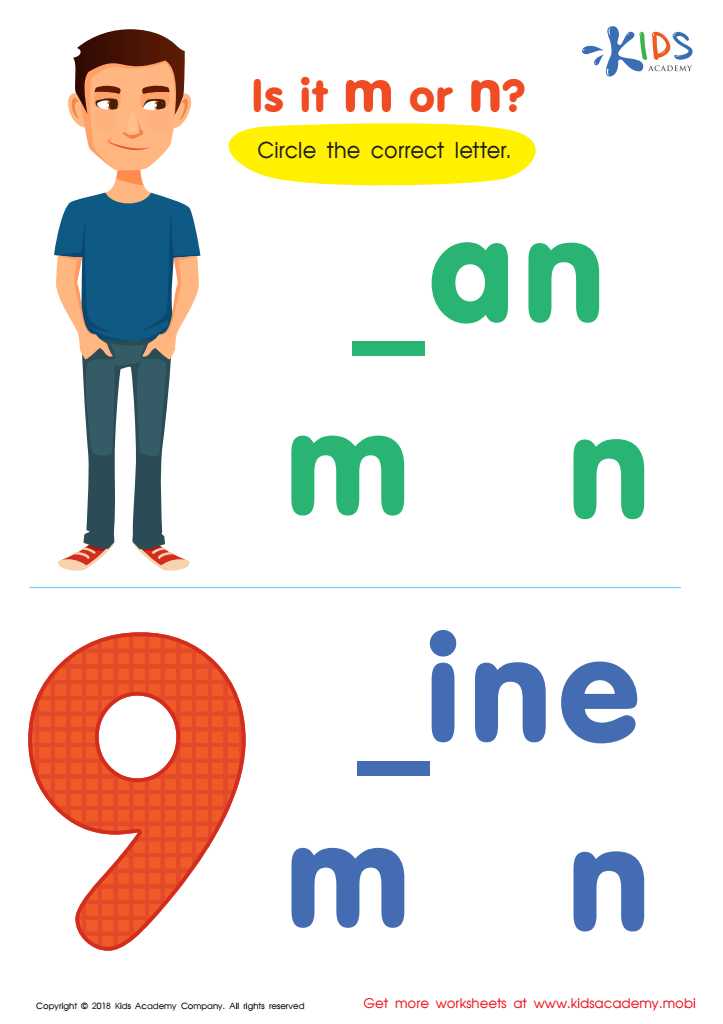
Is It m or n? Worksheet
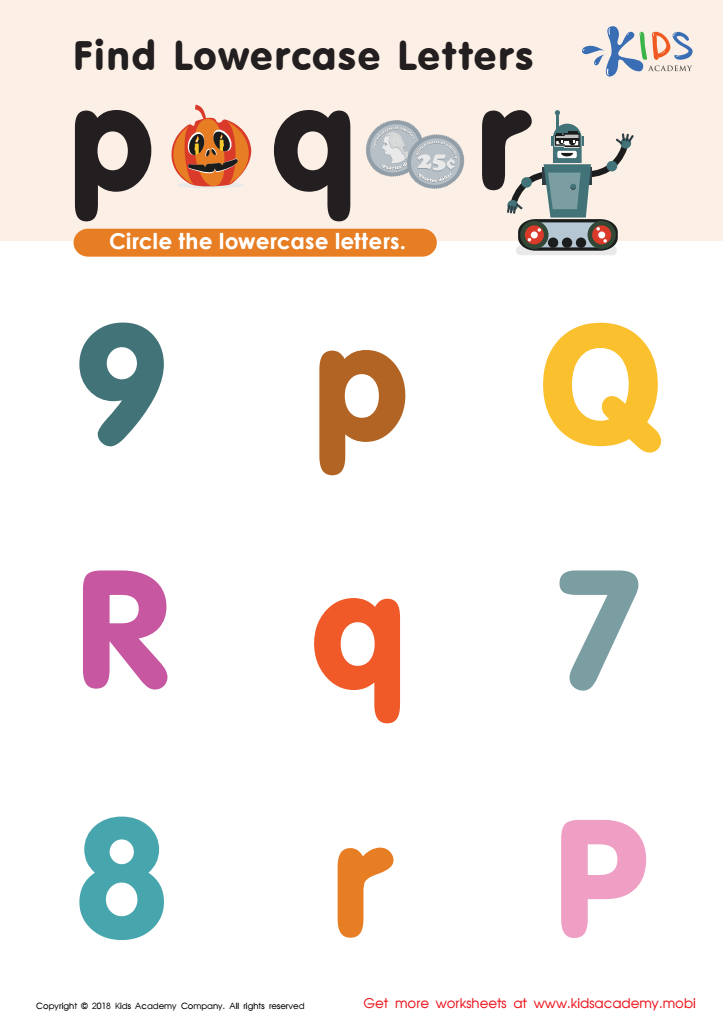
Find lowercase Letters p q r Worksheet
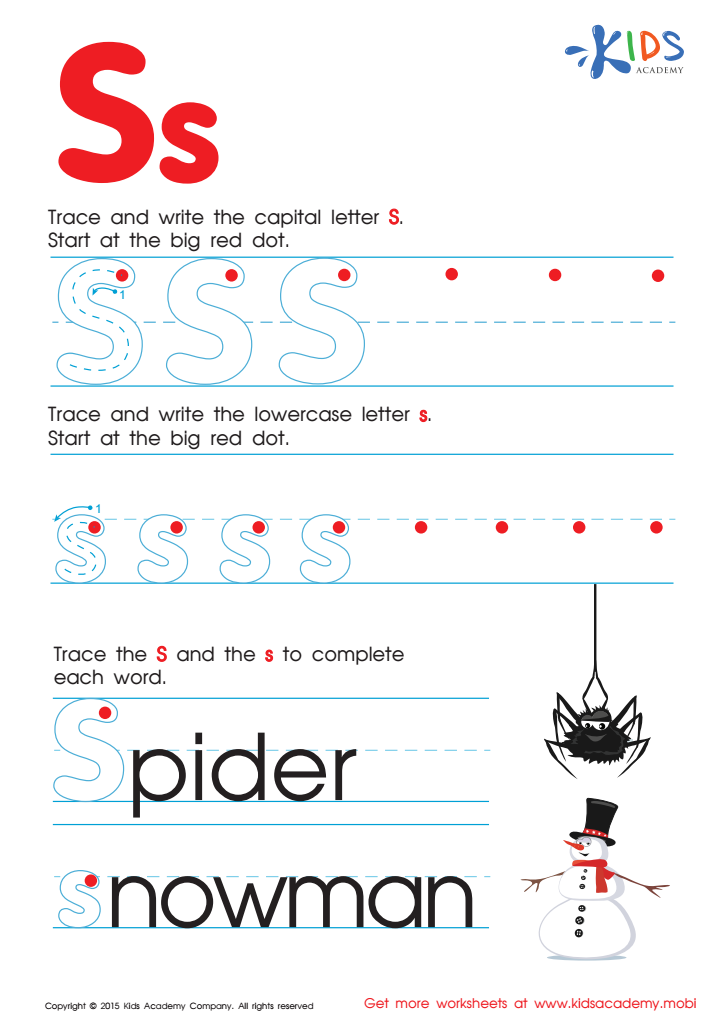
Letter S Tracing Page
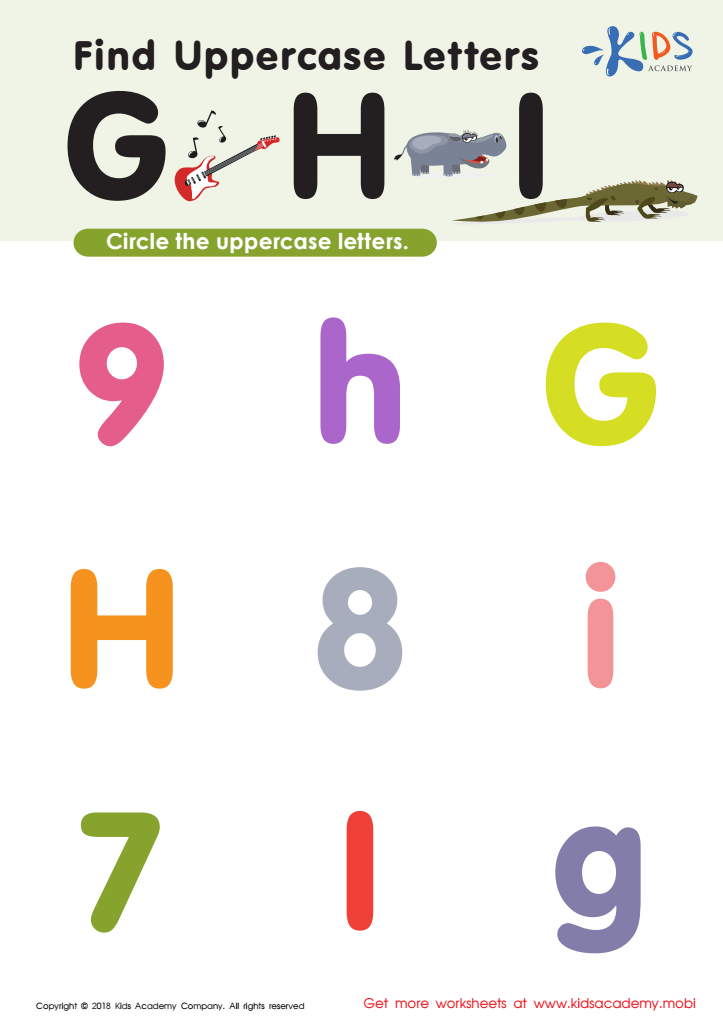
Find Uppercase Letters G, H, and I Worksheet
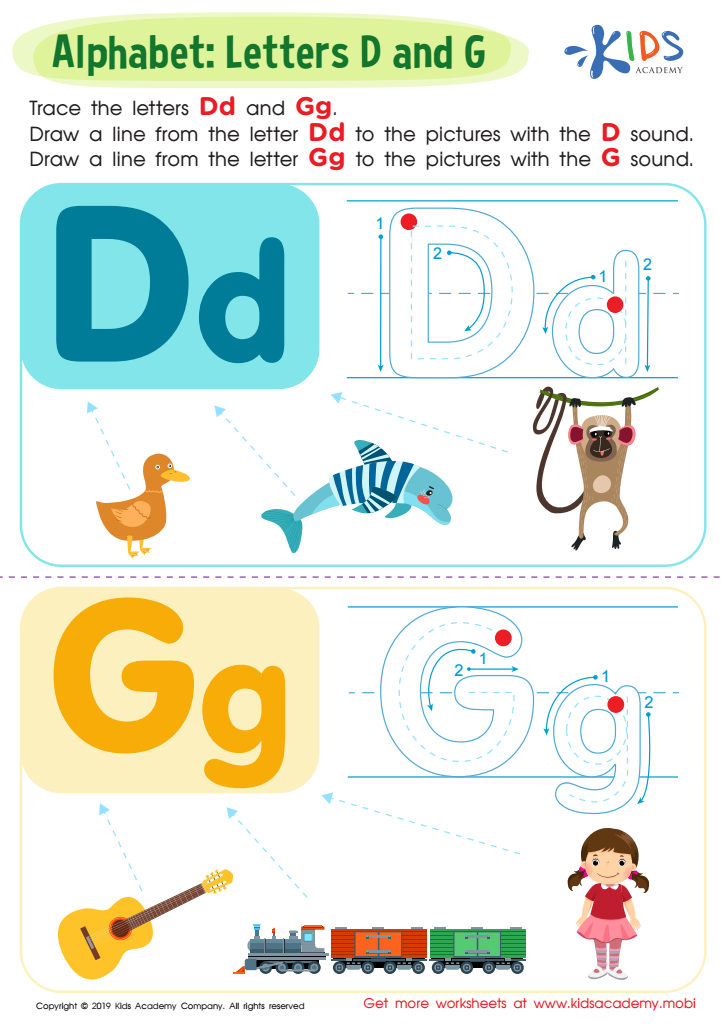
Letter D and G Tracing Worksheet
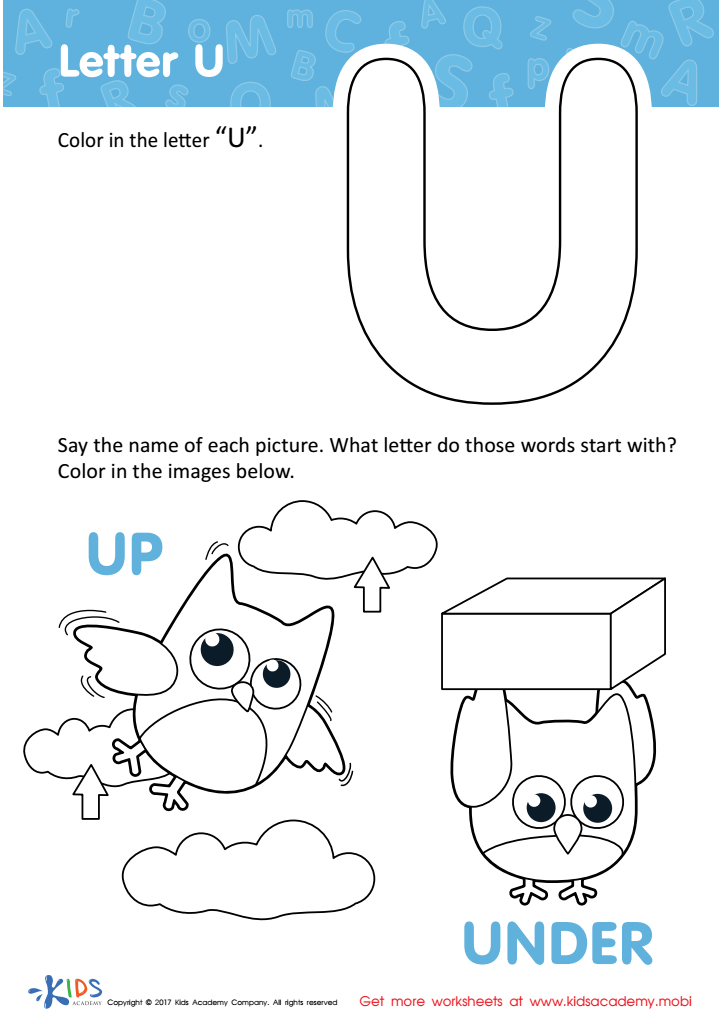
Letter U Coloring Sheet
Assign to My Students
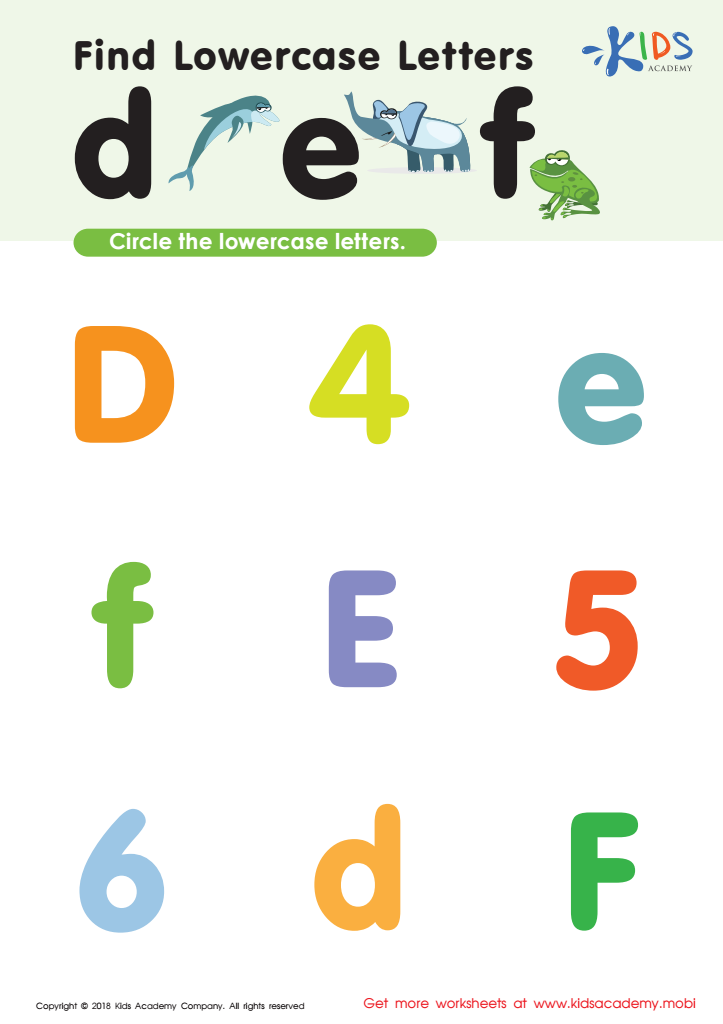
Find Lowercase Letters d e f Worksheet
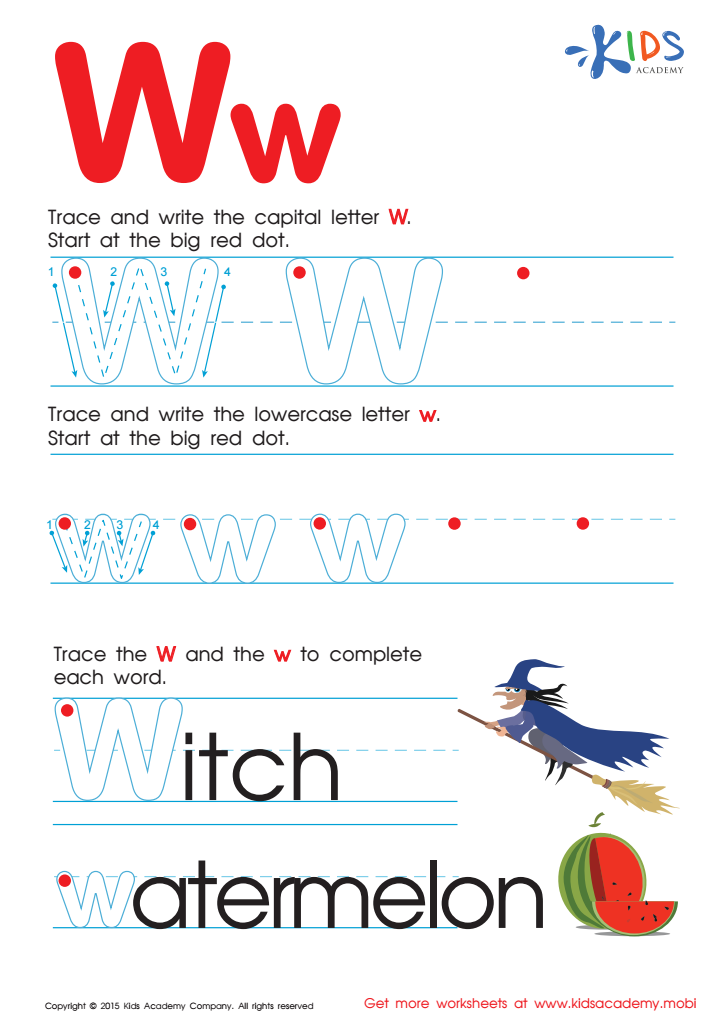
Letter W Tracing Page

Letter H Tracing Page
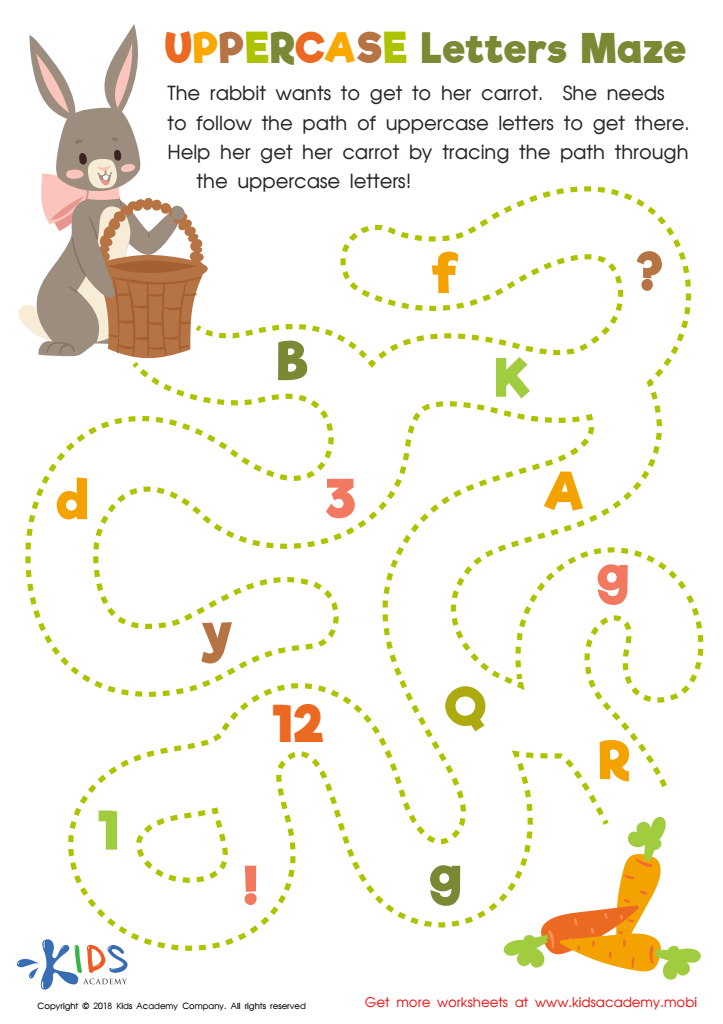
Uppercase Letters Maze Worksheet
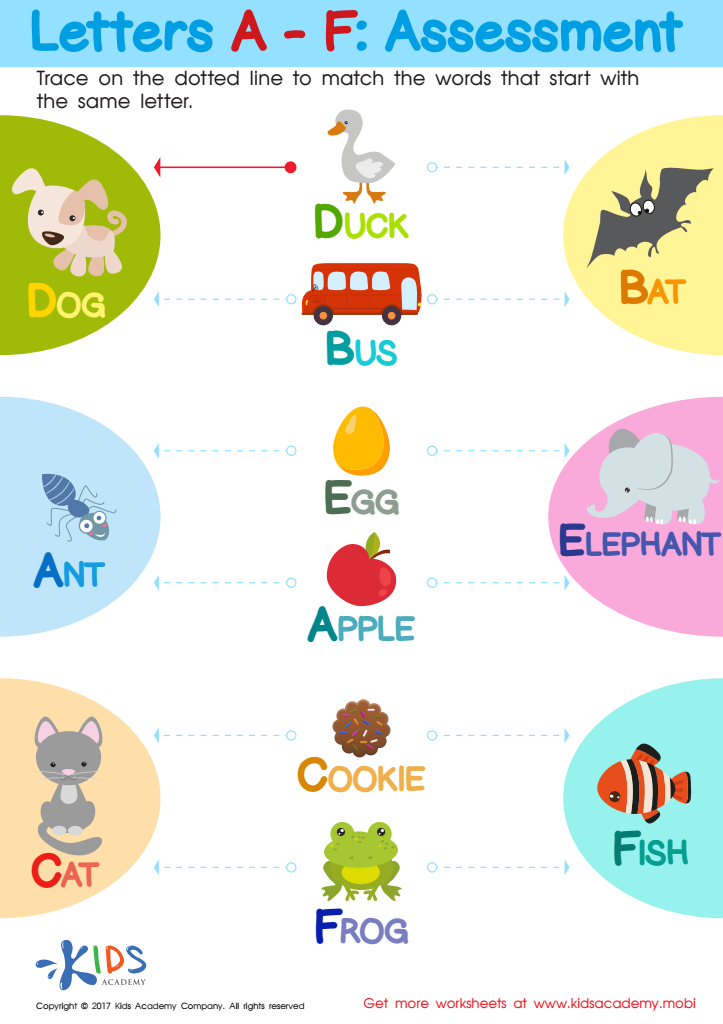
Letters A - F Worksheet
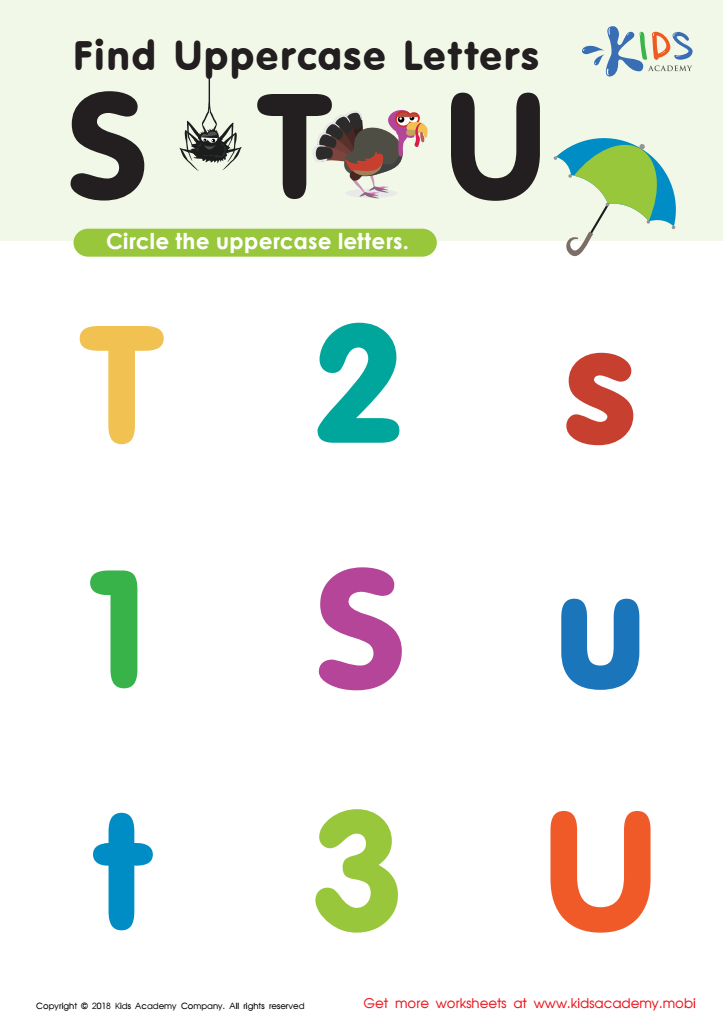
Find Uppercase Letters Worksheet
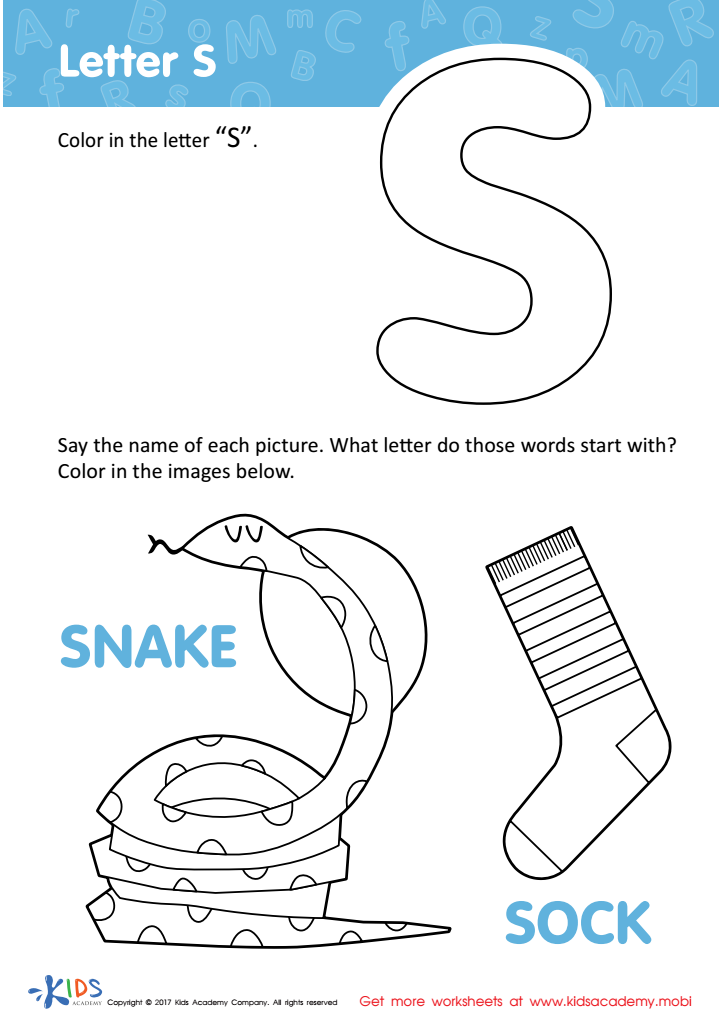
Letter S Coloring Sheet
Assign to My Students








Letter recognition is fundamental for 5-year-olds as it serves as the foundation for reading and writing, which are crucial skills for academic success and personal development. Early literacy skills largely shape a child’s ability to engage with written material, making letter recognition an essential focus for parents and teachers.
When children can identify both uppercase and lowercase letters, they gain confidence in their ability to read and understand language. This familiarity helps them decode words, build vocabulary, and eventually comprehend sentences and stories, encouraging a love for reading. Furthermore, letter recognition is closely linked to phonemic awareness—the ability to hear, identify, and manipulate sounds in spoken language—this is vital for effective spelling and writing.
Parents and teachers play a critical role in nurturing this skill through engaging activities such as letter games, songs, and interactive storytelling. Such practices not only enhance a child's cognitive development but also foster a lifelong appreciation for learning. By prioritizing letter recognition, caregivers provide children with the tools they need to become proficient readers, thus laying the groundwork for future educational achievements and boosting their overall confidence and communication skills. Investing in early literacy initiatives helps create informed, capable learners ready to tackle more complex challenges in school and beyond.







