Motor skills development Letter Recognition Worksheets for Ages 3-8
5 filtered results
-
From - To
Enhance your child's motor skills and letter recognition with our engaging worksheets designed for ages 3-8! These interactive activities encourage fine motor development while helping young learners identify and differentiate letters. Our diverse range of exercises includes tracing, coloring, and matching games, promoting hand-eye coordination alongside early literacy skills. Perfect for use at home or in the classroom, these worksheets provide a fun and effective way for children to build confidence in their reading abilities. Designed by educational experts, our motor skills development letter recognition worksheets create a holistic learning experience, laying a strong foundation for future academic success. Start your child's journey today!

Letter H Tracing Page
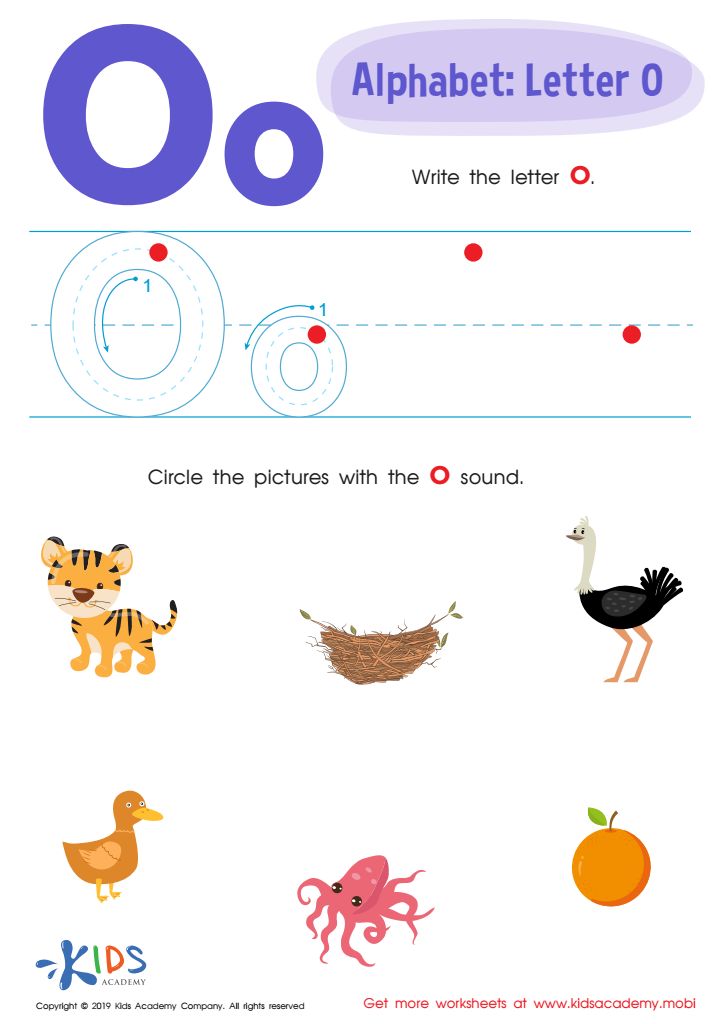
Letter O Tracing Worksheet

Letter O Coloring Sheet
 Assign to My Students

Letter B Tracing Page
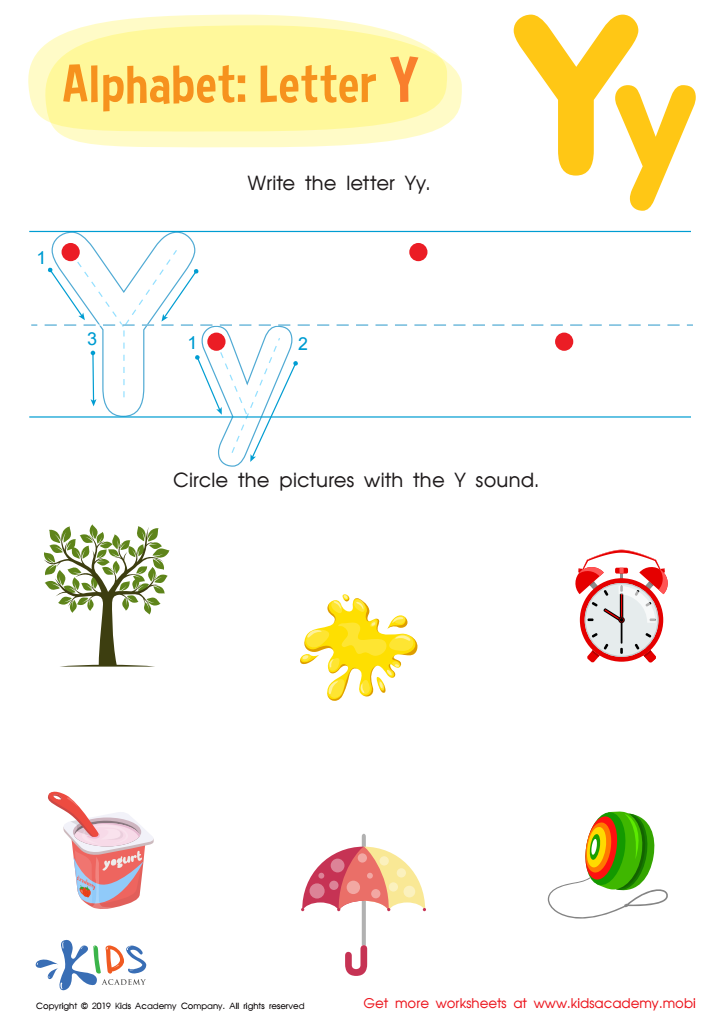
Letter Y Tracing Worksheet








Motor skills development and letter recognition are crucial for children ages 3-8, laying the foundation for future learning. Motor skills refer to the coordination of small and large muscle groups, which are essential for daily activities and tasks such as writing, tying shoelaces, and participating in sports. When children engage in activities that enhance their fine motor skills, such as drawing, cutting, and manipulating objects, they become more proficient in handling writing tools. This proficiency directly influences their ability to recognize and write letters effectively.
Letter recognition, the ability to identify and name letters, is equally important as it is a critical precursor to reading and literacy development. Children who can recognize letters are better equipped to decode words, enhancing their reading skills and overall academic performance. Moreover, early letter recognition fosters confidence and a love for reading, promoting lifelong learning.
For parents and teachers, focusing on these skills can make a significant difference in a child's educational journey. Implementing playful, hands-on activities encourages engagement while building critical motor and literacy skills simultaneously. Ultimately, prioritizing motor skills development and letter recognition creates a supportive environment for holistic learning, helping children thrive academically and socially.







