
Phonics Skills Letter Recognition Worksheets for Ages 3-8
8 filtered results
Difficulty Level
Grade
Age
-
From - To
Subject
Activity
Standards
Discover our engaging Phonics Skills Letter Recognition Worksheets, designed specifically for children aged 3-8. These worksheets aim to enhance letter recognition and phonemic awareness through fun and interactive activities. Tailored for early learners, our resources incorporate playful illustrations and varied exercises that facilitate the understanding of letters, sounds, and their relationships. Ideal for preschool and kindergarten classrooms or at-home learning, these worksheets support students in building essential literacy skills. Start your child’s journey toward reading success with our thoughtfully crafted materials, ensuring a solid foundation in phonics and letter recognition abilities. Explore our collection and watch their confidence soar!
Favorites
With answer key
Interactive
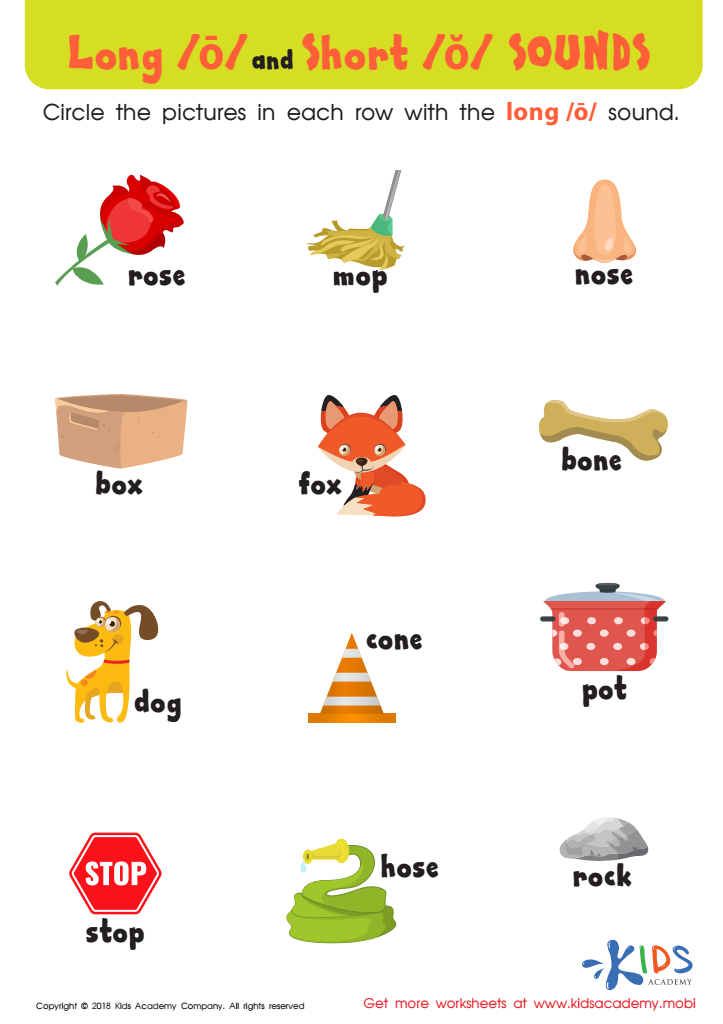
Reading: Long O and Short O Sounds Worksheet
Students practice distinguishing between short and long O sounds with this reading worksheet. They sound out each word, then circle the pictures with the long O sound. Perfect for individual practice or to work with peers! Improves understanding of this skill and helps avoid confusion.
 Assign to My Students
Reading: Long O and Short O Sounds Worksheet
Worksheet

Short Vowels /e/, /i/, and /u/ Worksheet
Your emergent reader can have fun while practicing their short vowel sounds with this free, brightly colored worksheet. They'll identify one-syllable words by their pictures, then match the correct ending for each. They'll gain an understanding of how short vowel sounds vary in closed syllables with different endings, without even realizing it!
Short Vowels /e/, /i/, and /u/ Worksheet
Worksheet
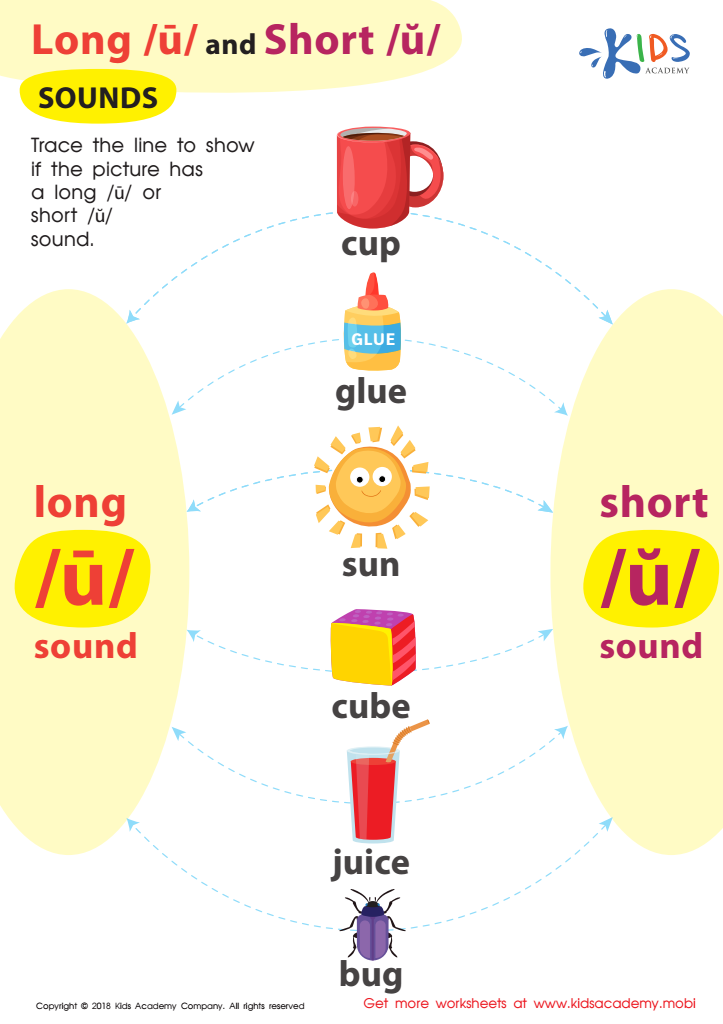
Reading: Long U and Short U Sounds Worksheet
Learning about long and short vowel sounds can be tricky, especially with the letter U. Extra practice with this worksheet is recommended for mastering this sound. Children read words with the different vowel sounds and categorize them. Great for instruction, practice and reteaching in reading classes.
Reading: Long U and Short U Sounds Worksheet
Worksheet
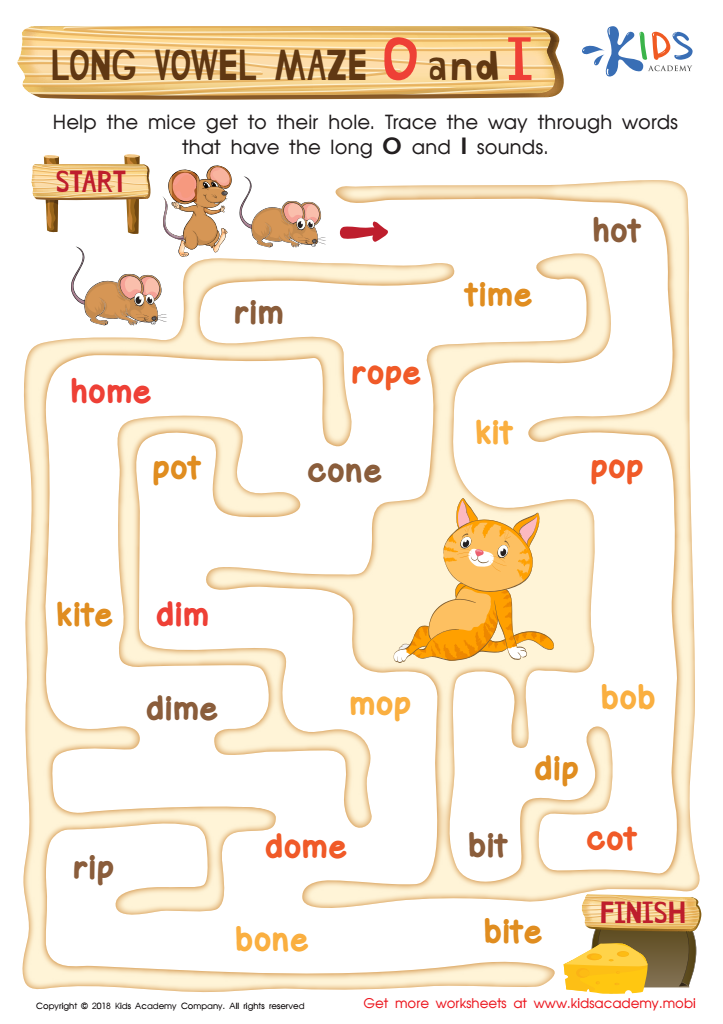
Long Vowel Maze /o/ and /i/ Worksheet
Help your new readers have fun and build their sight word vocabulary! Guide the mice to their prize cheese by having them trace the route on the worksheet, using words with the long o and long i sounds. But watch out for the kitty!
Long Vowel Maze /o/ and /i/ Worksheet
Worksheet
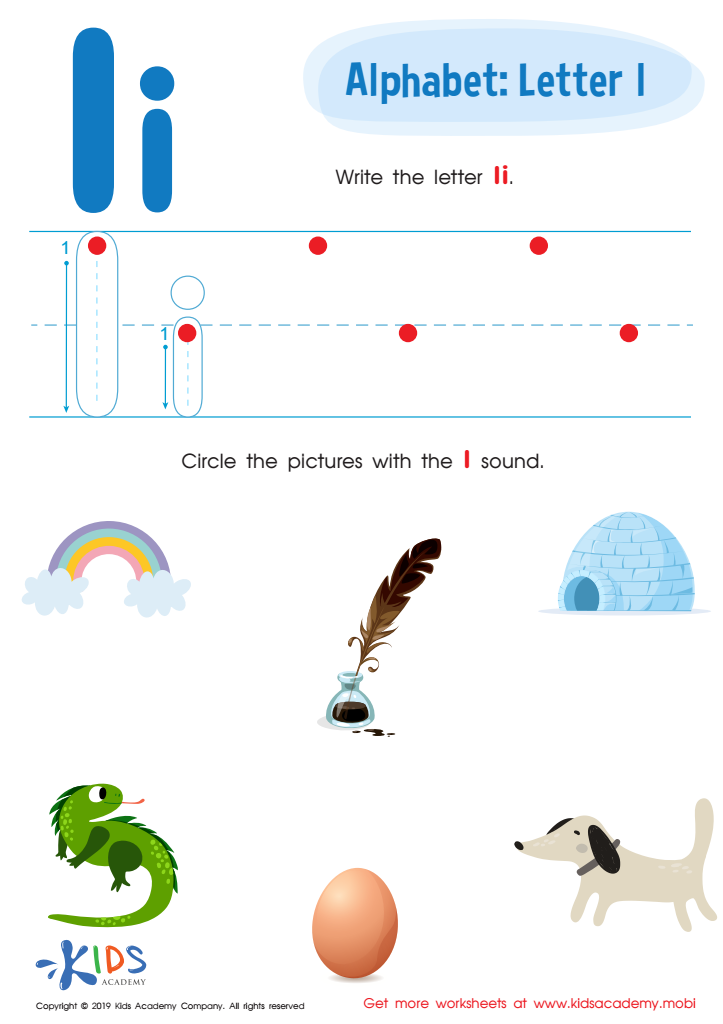
Letter I Tracing Worksheet
Kids can hone tracing, writing and identifying skills for the letter 'I' with this worksheet. Whether visual or reading/writing learners, every child can benefit from the tasks - tracing, writing and circling objects beginning with 'I'. This free sheet will soon get preschoolers confident with the 'I' letter!
Letter I Tracing Worksheet
Worksheet
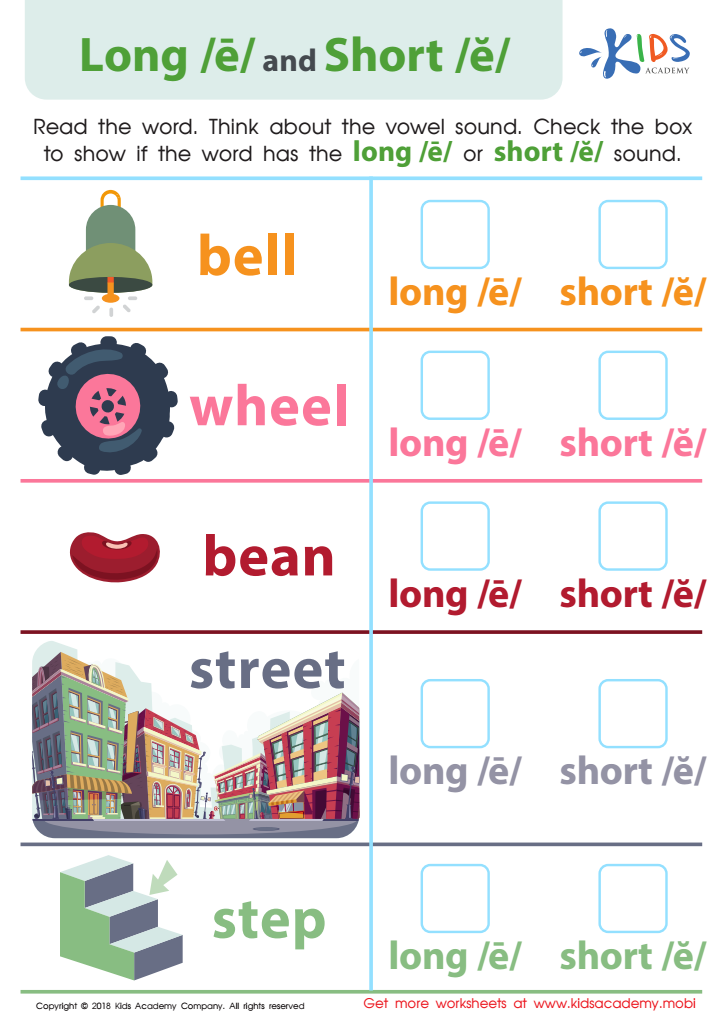
Reading: Long E and Short E Worksheet
Provide your students with valuable practice in distinguishing long and short E sounds with this worksheet. They'll look at pictures and read the words, then decide which sound is being used. It's an effective tool to help them master a difficult concept.
Reading: Long E and Short E Worksheet
Worksheet
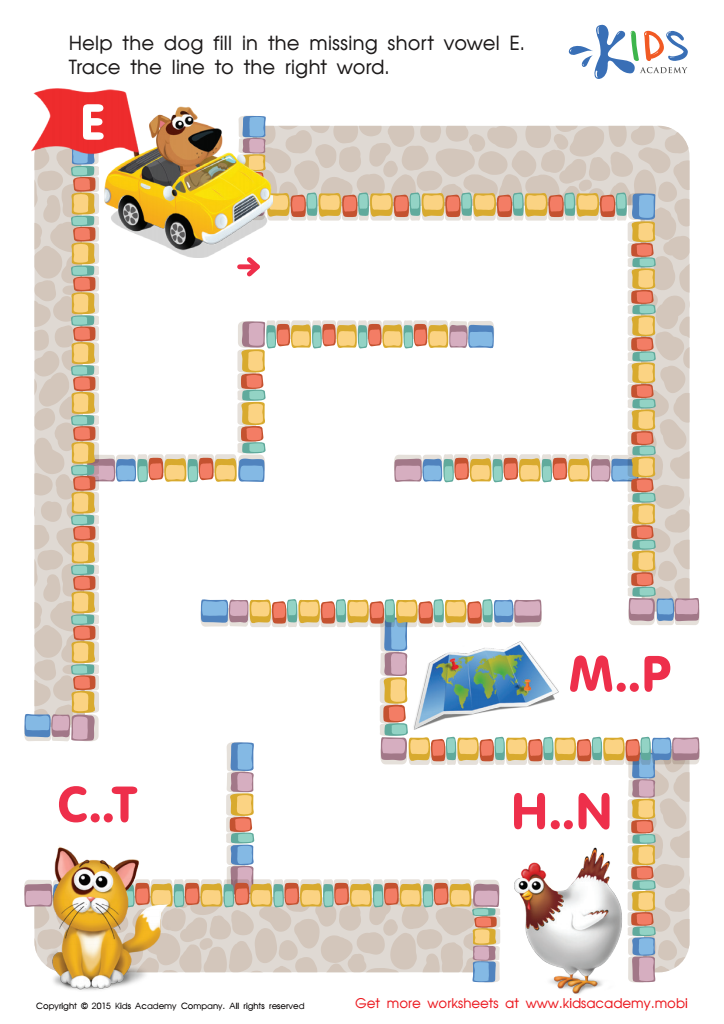
Short Vowel Sound E Worksheet
This free printable phonics worksheet helps kids learn the short vowel sound E. Kids need to help the dog complete the word “hen” by finding their way through a maze. It teaches kids to see the connection between letters and sounds and also strengthens their writing and spelling skills. Fun and educational, this phonics worksheet is great for kids. Want more? Check out here.
Short Vowel Sound E Worksheet
Worksheet
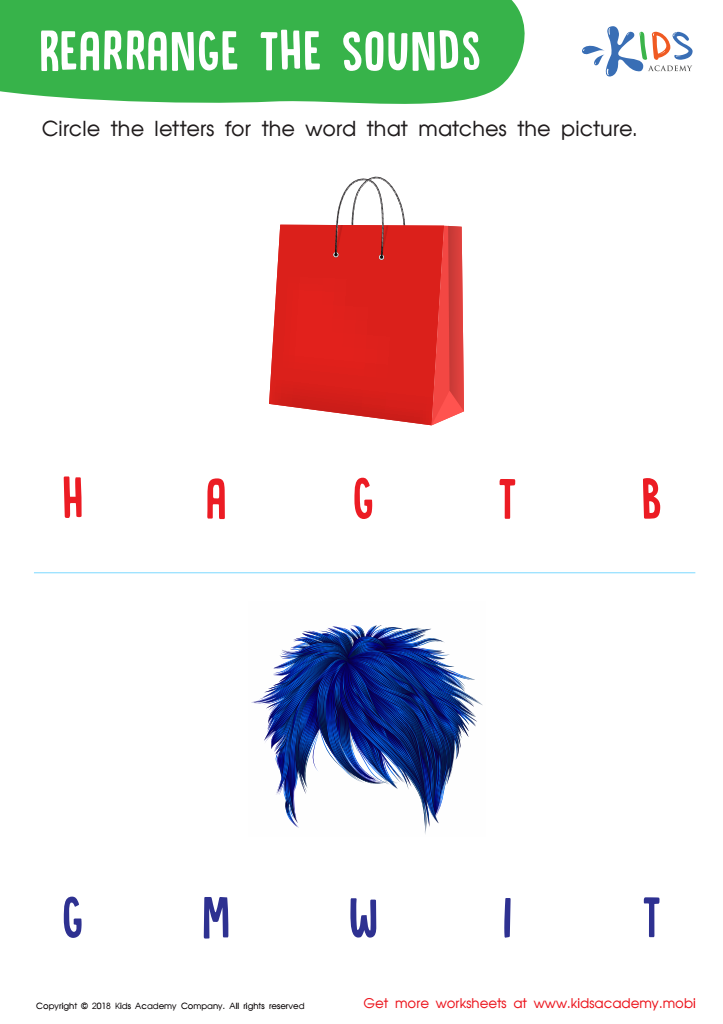
Rearrange the Sounds Worksheet
Ask students if they can identify the objects in the worksheet and spell the words. Guide them to find and circle the letters that match the picture. This exercise should be easy-peasy for advanced spellers.
Rearrange the Sounds Worksheet
Worksheet
Join Kids Academy for Free
Who is primarily going to use this learning content?








Phonics skills, particularly letter recognition, are foundational for young learners aged 3-8, making it essential for both parents and teachers to prioritize this area of literacy development. Recognizing letters is the first step towards reading proficiency, which is critical for a child's academic success. Early mastery of letter recognition fosters phonemic awareness, enabling children to decode words and understand sounds, thereby promoting independent reading.
Moreover, effective letter recognition supports vocabulary growth and comprehension skills as children begin to connect letters with their corresponding sounds and meanings. This skill not only aids in learning to read but also increases a child's confidence, instilling a joy for literacy. Without a strong foundation in phonics and letter recognition, children may struggle as they progress to higher levels of reading, which can affect their overall learning experience.
Engaging activities that promote letter recognition can also strengthen the bond between parents, teachers, and children, creating a supportive learning environment. By exhibiting a genuine interest in phonics skills, adults can inspire a love for reading that lasts a lifetime, laying the groundwork for continual exploration and academic achievement. In essence, focusing on these fundamental skills ensures a brighter, more successful future for young learners.







