Alphabet Recognition Letter W Worksheets for Ages 3-8
3 filtered results
-
From - To
Alphabet Recognition Letter W Worksheets for Ages 3-8
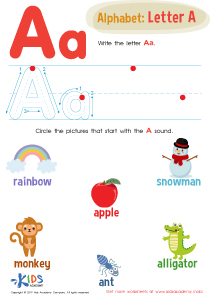
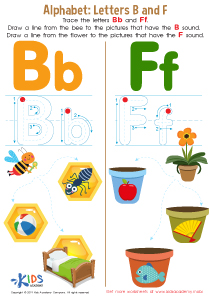
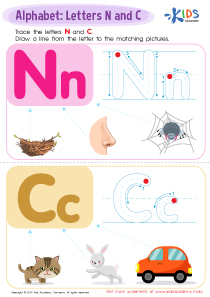
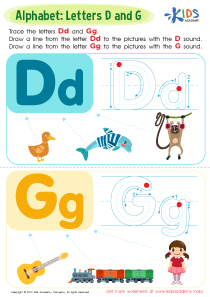
Explore our comprehensive collection of Alphabet Recognition Letter W Worksheets designed for children ages 3-8 at Kids Academy. These expertly crafted worksheets focus on developing early literacy skills through interactive and engaging activities. Your child will enjoy tracing, matching, and coloring tasks that make learning the letter W fun and effective. Perfect for preschool and early elementary students, these resources foster both education and creativity. Visit our website to download and discover how our materials can help your child achieve alphabet mastery effortlessly! Empower your child's learning journey with Kids Academy today.
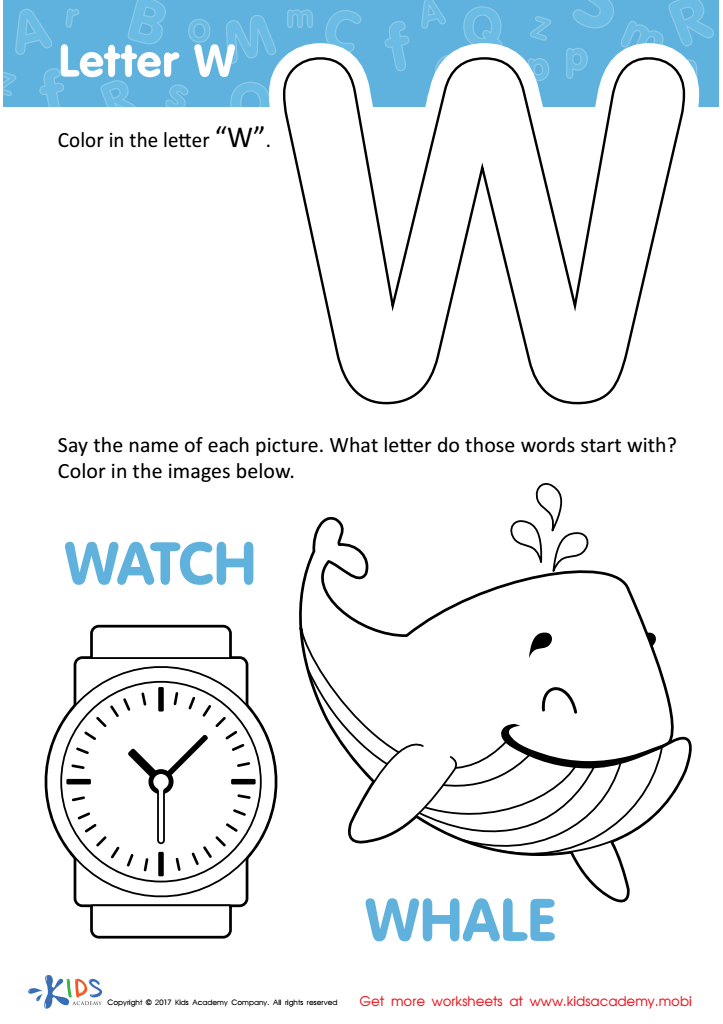
Letter W Coloring Sheet
 Assign to My Students
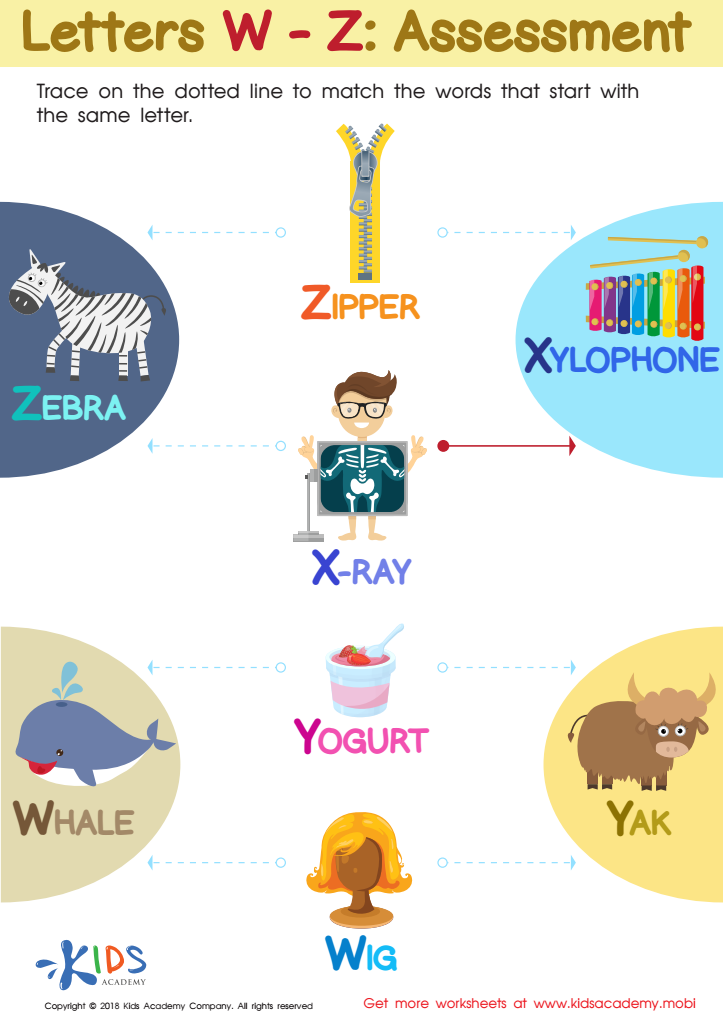
Letters W–Z Tracing Worksheet
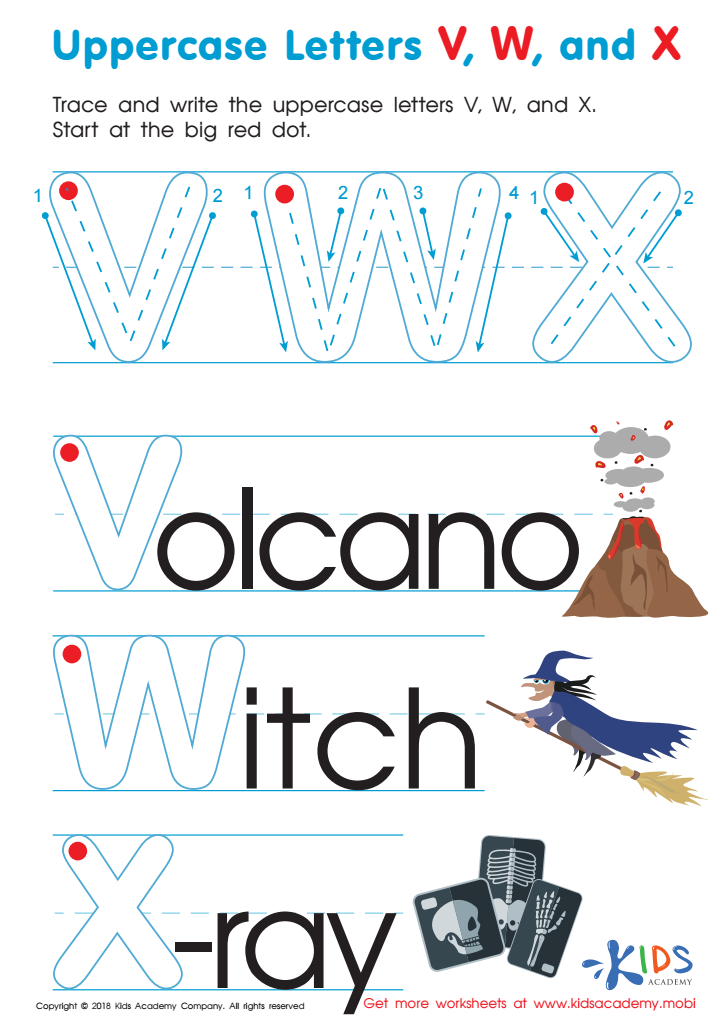
Uppercase Letters V, W, and X Worksheet




Alphabet recognition, particularly of the letter W, plays a pivotal role in early childhood education for children ages 3 to 8. Mastery of the alphabet serves as the foundation for reading and writing skills, and recognizing the letter W is an integral part of this process.
At this developmental stage, children are rapidly expanding their cognitive capacities. Familiarity with individual letters, including W, bolsters their ability to decode words, enriches their vocabulary, and refines their phonemic awareness. When children recognize the letter W, they can begin associating it with common words such as "water," "world," and "whale," which aids in comprehension and language development.
Furthermore, understanding the letter W helps in writing proficiency. Children engage in activities that require letter formation, helping to develop fine motor skills that are crucial for more complex tasks. These activities reinforce memory and cognitive connections, enabling seamless transition into more advanced literacy concepts.
For parents and teachers, focusing on alphabet recognition, including the letter W, encourages a love for learning and boosts children’s confidence as they overcome milestones in their educational journey. This early focus prepares children for future academic challenges, ensuring they have a strong alphabetic base to build upon. Supporting alphabet recognition equips children with the critical tools they need for successful lifelong learning.