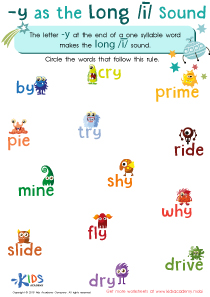
Phonics Skills Missing Vowels Worksheets for Ages 3-8
3 filtered results
Difficulty Level
Grade
Age
-
From - To
Subject
Activity
Standards
Enhance your child's phonics skills with our engaging Missing Vowels Worksheets, designed specifically for ages 3-8! These interactive exercises help young learners identify and fill in missing vowels, promoting essential reading and spelling abilities. By working through fun and colorful activities, children will develop a strong understanding of vowel sounds and improve their overall literacy. Our worksheets cater to various learning styles and provide a valuable resource for both home and classroom environments. Start fostering a love for reading with our delightful phonics worksheets, where learning is a joyful adventure! Explore the wonders of the alphabet and watch your child flourish.
Favorites
With answer key
Interactive
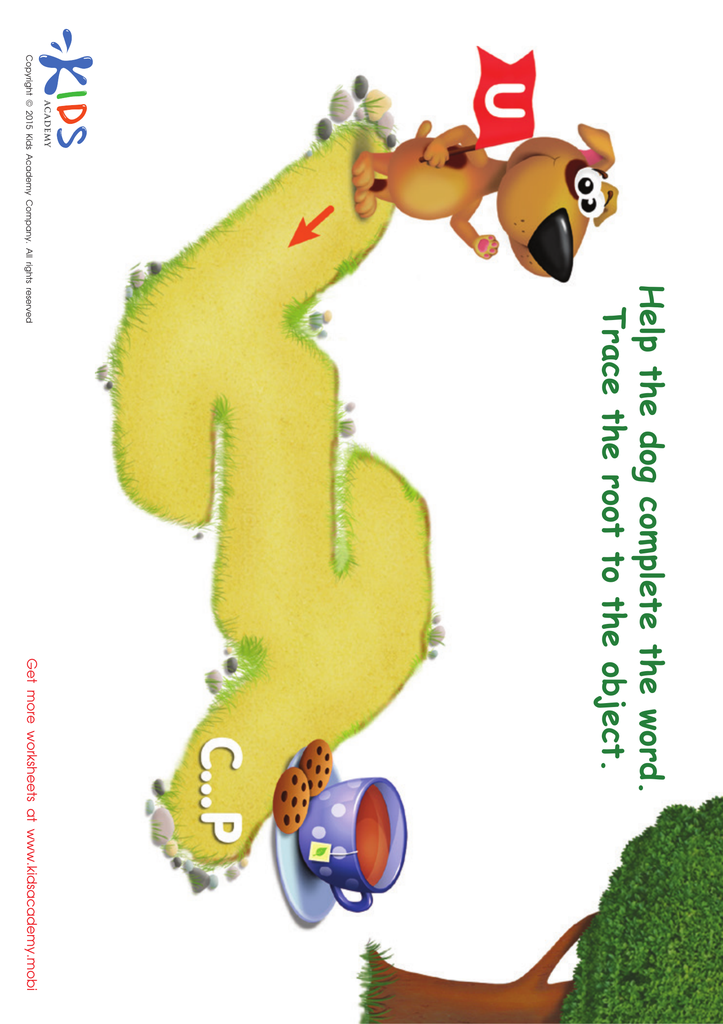
Short Vowel Sound U Worksheet Worksheet
Help your early reader join the adorable dog on his way to the cup of tea with cookies. This traceable worksheet reinforces the short -u sound and strengthens fine motor skills. Kids don't realize they are practicing reading skills while having fun!
Short Vowel Sound U Worksheet Worksheet
Worksheet
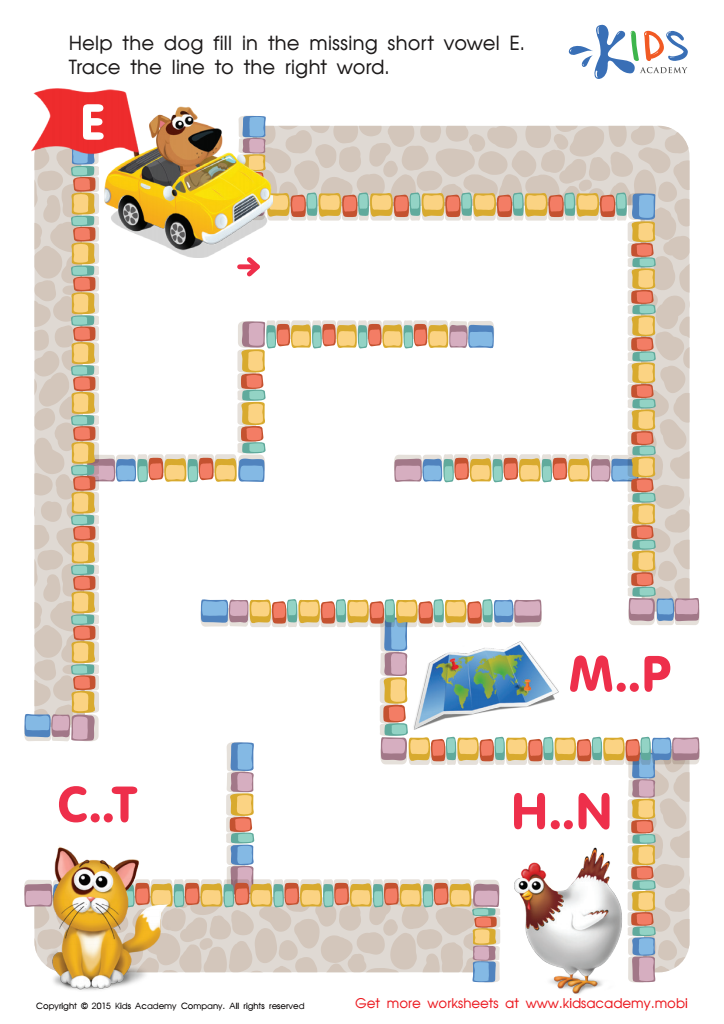
Short Vowel Sound E Worksheet
This free printable phonics worksheet helps kids learn the short vowel sound E. Kids need to help the dog complete the word “hen” by finding their way through a maze. It teaches kids to see the connection between letters and sounds and also strengthens their writing and spelling skills. Fun and educational, this phonics worksheet is great for kids. Want more? Check out here.
 Assign to My Students
Short Vowel Sound E Worksheet
Worksheet
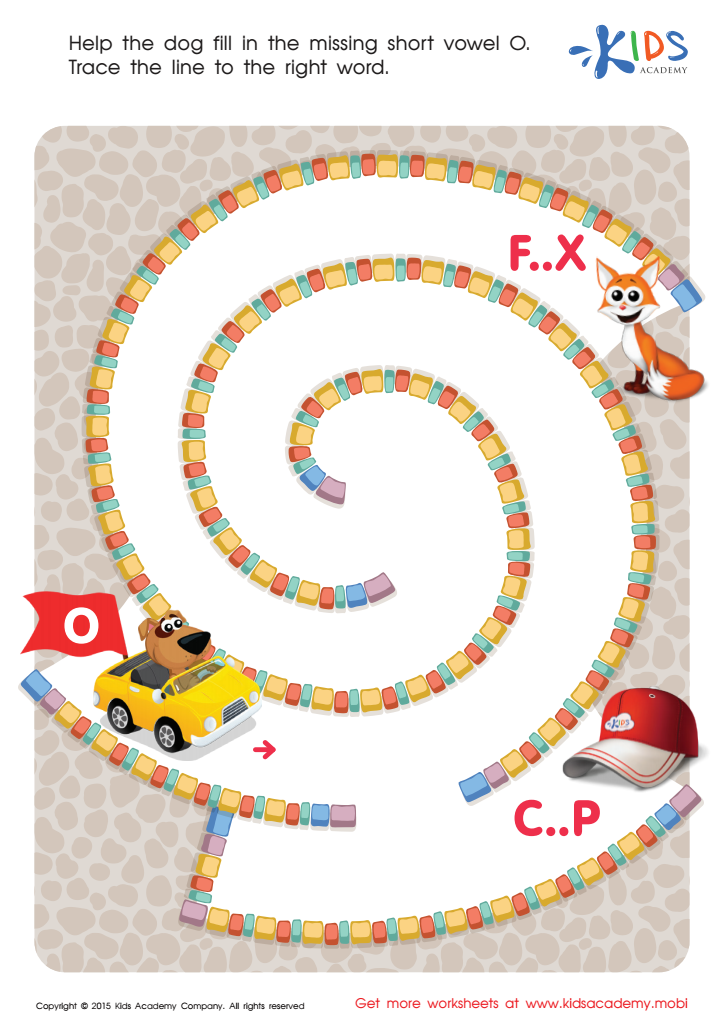
Short Vowel Sound O Worksheet
Help your child learn the short vowel sound O with this fun and free printable phonics worksheet! They'll need to complete the maze to help the dog finish the word "fox" with the missing letter O. Engage their fine motor muscles while they color or trace the maze with crayon or pencil. This educational activity is sure to bring a smile to your little learner's face! For more phonics worksheets, check here.
Short Vowel Sound O Worksheet
Worksheet
Join Kids Academy for Free
Who is primarily going to use this learning content?


Phonics skills, particularly the concept of "missing vowels," are crucial for children aged 3-8 as they form the foundation for reading and writing. Teaching children to recognize and manipulate sounds, including understanding when vowels are omitted, helps strengthen their phonemic awareness—an essential skill for literacy development. When parents or teachers focus on missing vowels, they enable young learners to decode and blend sounds more effectively, which enhances their reading fluency.
Moreover, combating misconceptions about vowels can lay the groundwork for future literacy success. Understanding that words can carry meaning even when certain letters are missing empowers children to engage with text creatively, developing their problem-solving skills and cognitive flexibility. Engaging in playful activities involving missing vowels can also make learning enjoyable and interactive, fostering a positive attitude towards reading.
By prioritizing phonics and the awareness of missing vowels, parents and teachers equip children with vital literacy tools necessary for academic success. Ultimately, a strong phonics foundation allows children to flourish as confident readers and writers, setting the stage for lifelong learning and communication. Thus, nurturing these skills during early education should be a top priority for all caregivers and educators.