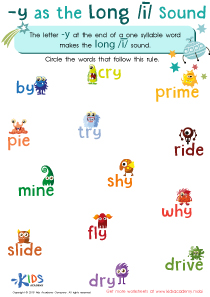
Explore our collection of engaging "Missing Vowels Worksheets" designed for children ages 3-8 to enhance their vowel recognition skills! These interactive worksheets provide a fun way for young learners to practice identifying and filling in missing vowels, a crucial step in developing early literacy. Tailored for diverse learning styles, each worksheet encourages creativity and reinforces phonetic awareness. Perfect for home or classroom use, these activities promote independent learning while making vowel recognition enjoyable. Start your child's journey to reading fluency today with our expertly crafted resources that support essential foundational skills! Let the vowel adventure begin!

Check out this FREE Trial Lesson on Missing Vowels for age 3-8!

The Short U Sound

Favorites
With answer key
Interactive
  • 3-8
  • Vowel Recognition
  • Missing Vowels
Phonics for Kids | Short Vowel Sound U | PDF Worksheet 1

Short Vowel Sound U Worksheet Worksheet
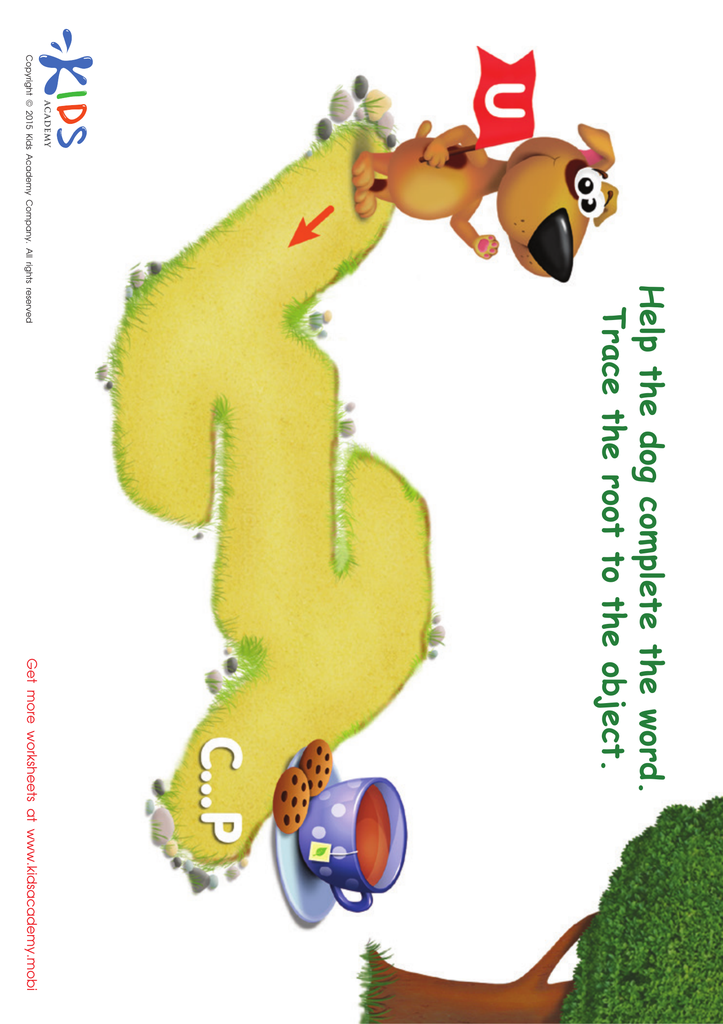
Help your early reader join the adorable dog on his way to the cup of tea with cookies. This traceable worksheet reinforces the short -u sound and strengthens fine motor skills. Kids don't realize they are practicing reading skills while having fun!
Short Vowel Sound U Worksheet Worksheet
Worksheet
Phonics for Kids | Short Vowel Sound U | PDF Worksheet 2

Short Vowel Sound U Worksheet

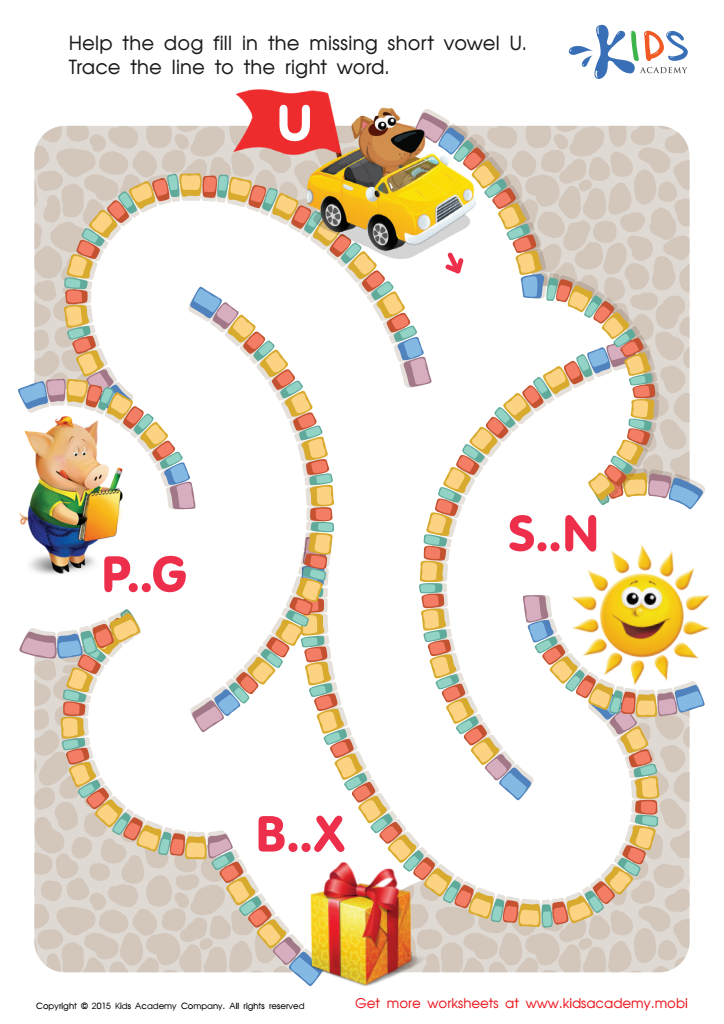
Practice abc phonics to help young learners link sounds to letters. This free printable phonics worksheet helps your kid learn the short vowel sound U. Guide them through the maze to help the dog complete the word "sun". Make sure they say the word out loud to emphasize the short U sound. Check out more phonics worksheets with mazes here.
Short Vowel Sound U Worksheet
Worksheet
Phonics for Kids | Short Vowel Sound I | PDF Worksheet 1

Short Vowel Sound I Worksheet

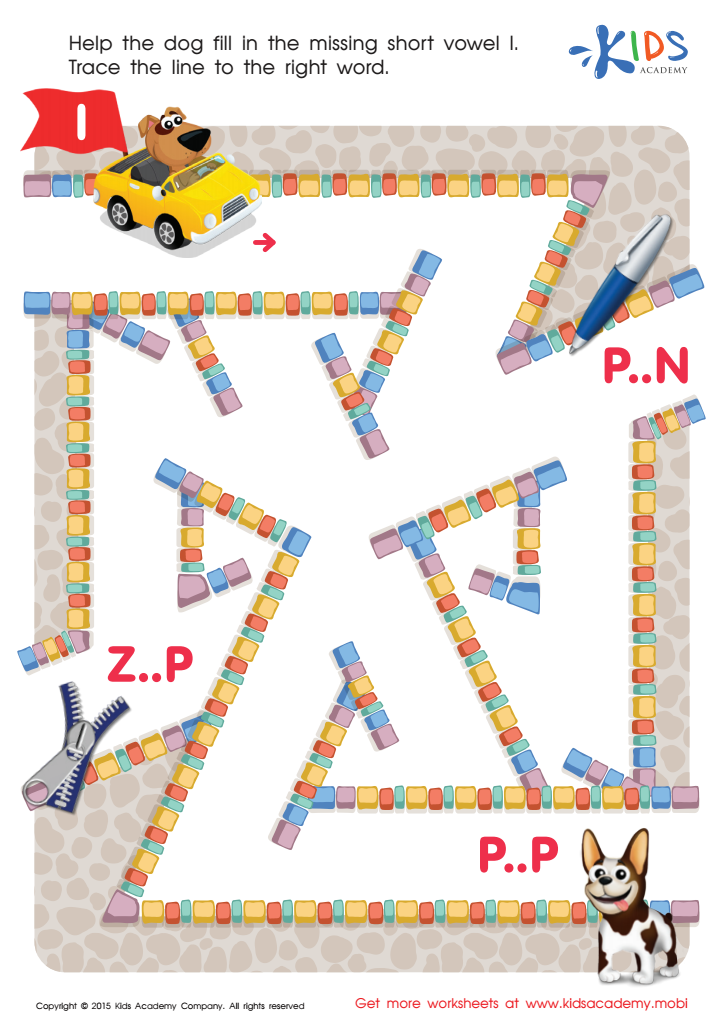
This free printable phonics worksheet will get your kid prepped for reading! It's a maze to help the dog complete the word “zip” with the missing letter I. Have your kid say the word aloud to learn the I sound. It's a great way to practice reading, writing and spelling skills. Check out here for more phonics worksheets!
Short Vowel Sound I Worksheet
Worksheet
Phonics for Kids | Short Vowel Sound E | PDF Worksheet 1

Short Vowel Sound E Worksheet

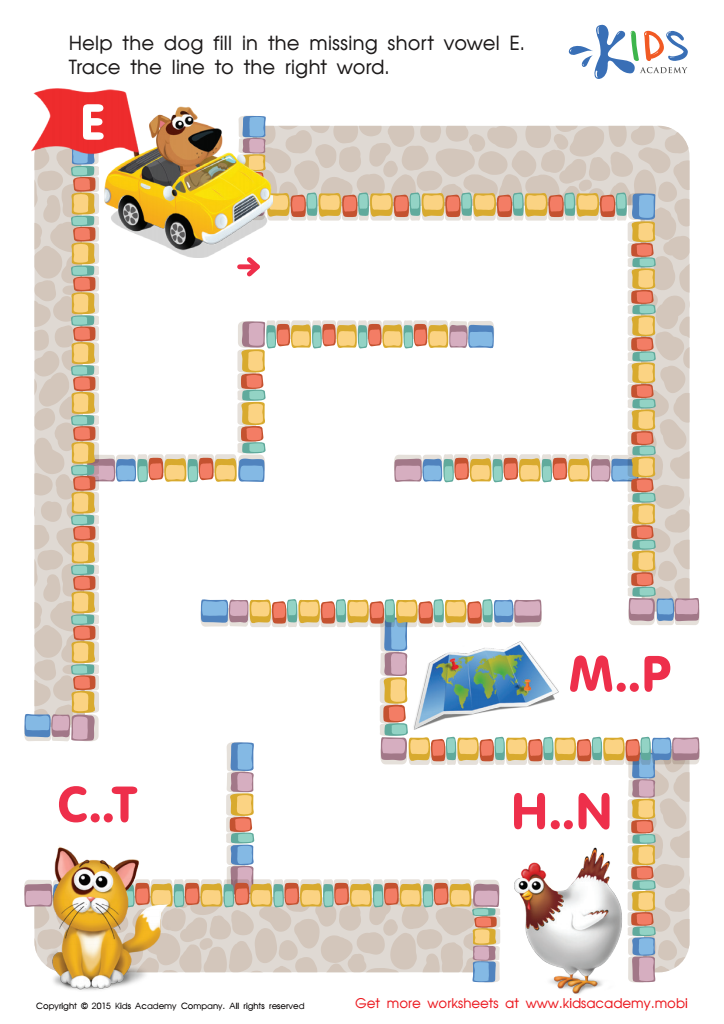
This free printable phonics worksheet helps kids learn the short vowel sound E. Kids need to help the dog complete the word “hen” by finding their way through a maze. It teaches kids to see the connection between letters and sounds and also strengthens their writing and spelling skills. Fun and educational, this phonics worksheet is great for kids. Want more? Check out here.
Short Vowel Sound E Worksheet
Worksheet
Phonics for Kids | Short Vowel Sound O | PDF Worksheet 1

Short Vowel Sound O Worksheet

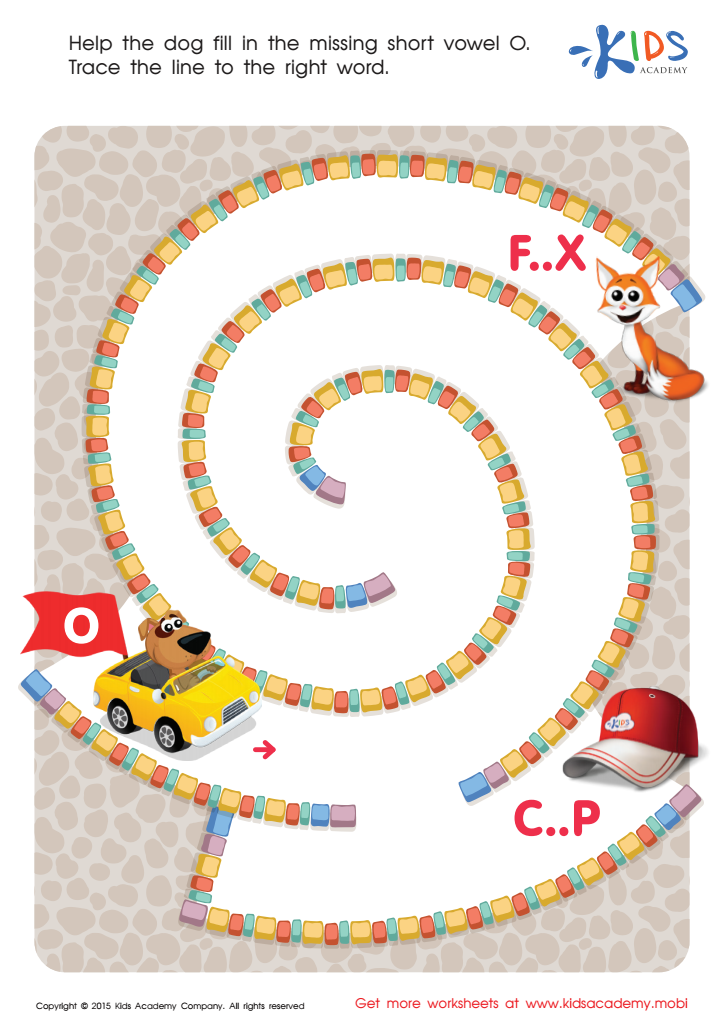
Help your child learn the short vowel sound O with this fun and free printable phonics worksheet! They'll need to complete the maze to help the dog finish the word "fox" with the missing letter O. Engage their fine motor muscles while they color or trace the maze with crayon or pencil. This educational activity is sure to bring a smile to your little learner's face! For more phonics worksheets, check here.
Short Vowel Sound O Worksheet
Worksheet


Vowel recognition is a critical early literacy skill that sets the foundation for reading and writing in children aged 3-8. When children learn to identify vowels, they unlock the ability to decode words, enhancing their reading fluency and comprehension. Recognizing vowels, and even missing vowels in words, encourages children to develop phonemic awareness, which is vital for understanding how sounds fit together to form words.

For parents and teachers, stressing the importance of vowel recognition means fostering a love for reading and bolstering language skills that support academic achievement. By actively engaging with activities that focus on missing vowels, children gain hands-on experience with spelling patterns and word structures, helping them become more proficient in language use.

Furthermore, vocabulary and communication skills are intimately tied to early experiences with language. Recognizing vowels assists in building a robust vocabulary, crucial for effective communication and expression. Enhanced literacy skills also correlate with improved confidence in young learners, leading to positive learning experiences and attitudes.

Ultimately, caring about vowel recognition is an investment in a child’s future educational journey, equipping them with the vital skills needed for success in school and beyond.