Improving reading skills Phonics Worksheets for Ages 3-8
3 filtered results
-
From - To
Enhance your child's reading abilities with our expertly designed Phonics Worksheets for ages 3-8. These engaging, age-appropriate activities focus on developing essential phonics skills, making learning fun and effective. Our worksheets provide a step-by-step approach to recognizing sounds, blending, and decoding words. Tailored for young learners, these printable resources support both classroom and at-home use, helping children build a strong foundation in reading. Regular practice with our phonics worksheets fosters confidence and encourages a lifelong love for reading. Visit Kids Academy for the ultimate reading support and watch your child’s skills soar!
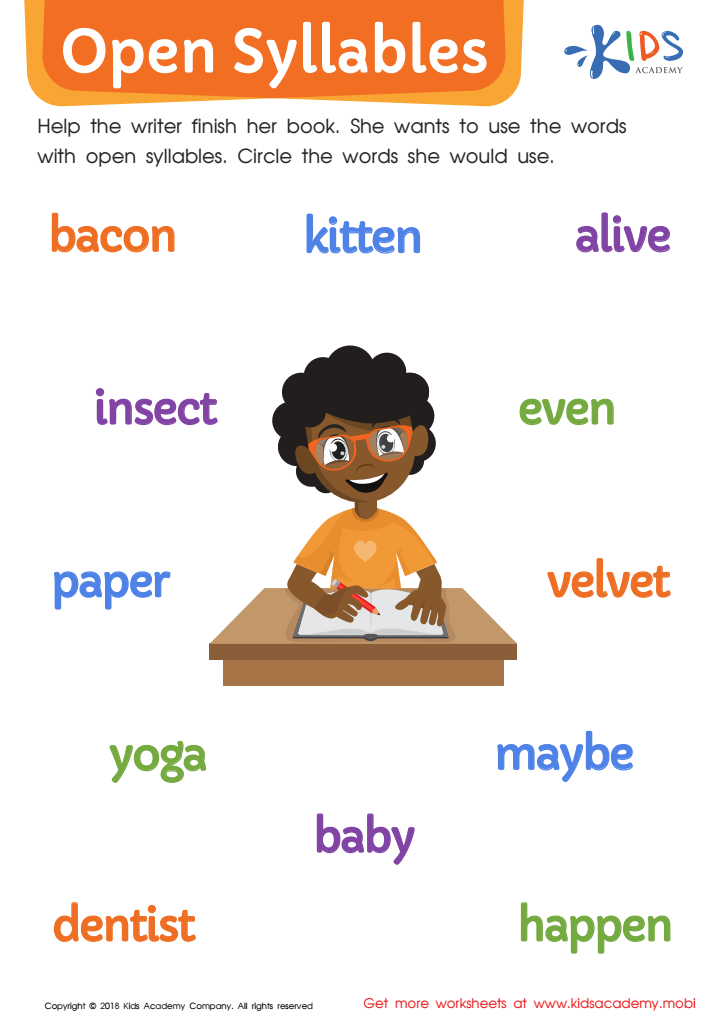
Open Syllables Worksheet
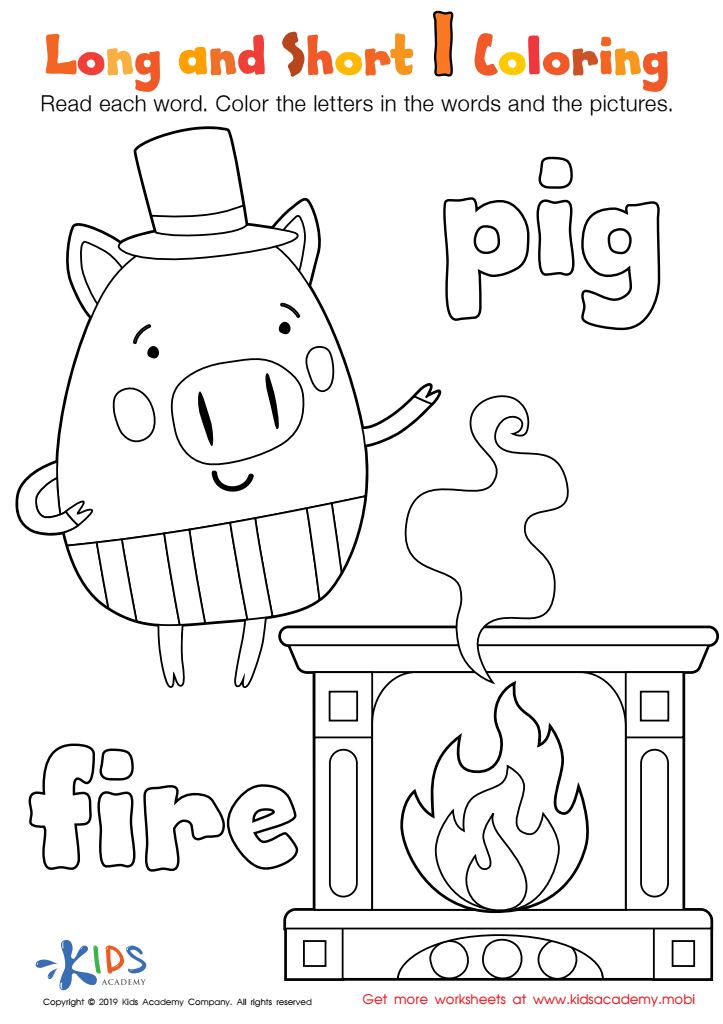
Long and Short I Worksheet
 Assign to My Students
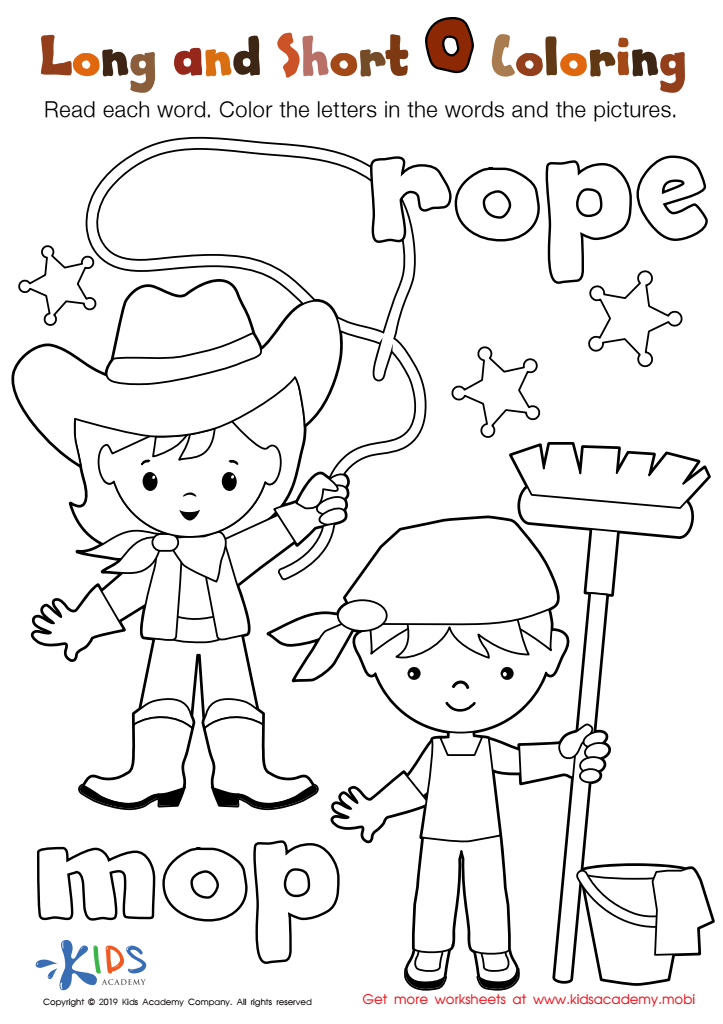
Long and Short O Worksheet
Assign to My Students








Improving reading skills through phonics for children aged 3-8 is crucial due to the foundational role it plays in their overall educational development. During these early years, children are at a prime cognitive stage for absorbing language and literacy skills. Phonics provides a systematic approach to teaching children the relationship between sounds and their corresponding letters, enhancing their ability to decode words accurately and efficiently.
Parents and teachers who invest in phonics are helping children build essential literacy skills that pave the way for academic success across all subjects. Proficiency in reading not only increases a child’s capacity to comprehend math problems or scientific texts but also boosts their confidence and enthusiasm for learning. Early mastery of phonics can prevent future reading difficulties, reducing the likelihood of academic struggles and associated emotional distress.
Moreover, strong reading skills developed through phonics enable children to explore a broad range of literature, fostering a lifelong love of reading and learning. This early exposure to language builds vocabulary, improves spelling, and enhances writing skills. Phonics instruction helps create a literate environment that encourages curiosity and critical thinking, setting the foundation for lifelong learning and informed citizenship. Therefore, prioritizing phonics for young children equips them with indispensable tools for future academic and personal growth.







