Phonics development Phonics Worksheets for Ages 3-8
5 filtered results
-
From - To
Foster essential literacy skills with our Phonics Worksheets designed for children aged 3-8. These engaging resources help young learners master phonics concepts through fun activities that enhance their reading and writing abilities. Each worksheet focuses on key phonics skills such as letter recognition, sound correspondence, and blending sounds, making learning enjoyable and effective. Ideal for both classroom and home settings, our worksheets are perfect for reinforcing phonemic awareness and encouraging a love for reading. Explore our extensive collection to support your child’s phonics development journey and build a solid foundation for lifelong learning. Start their adventure in literacy today!
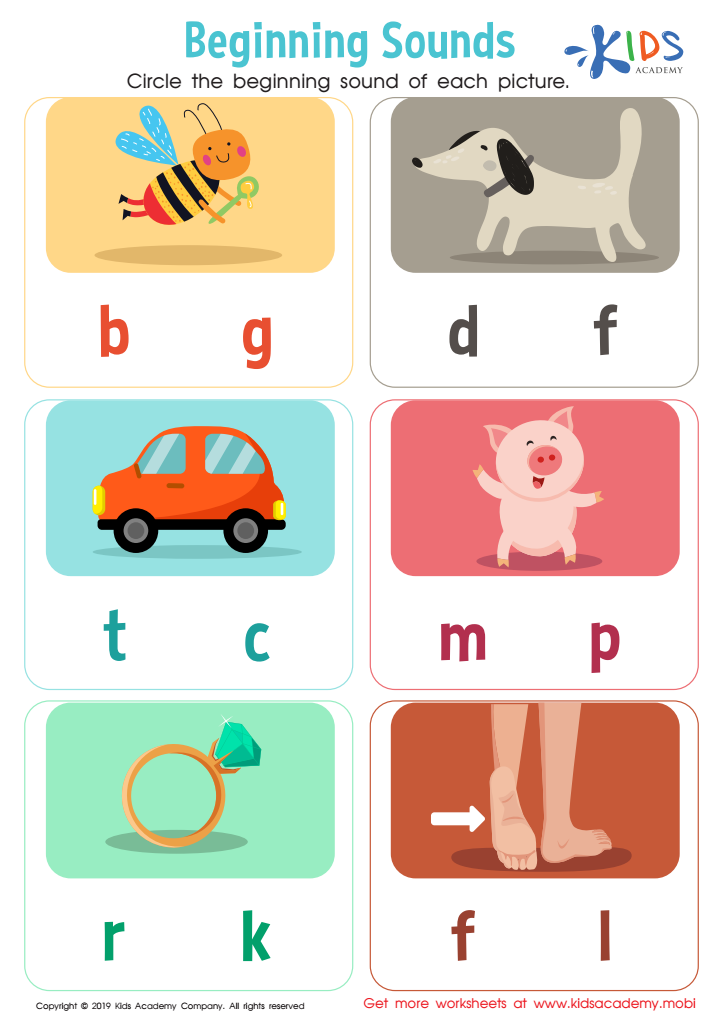
Beginning Sounds Worksheet
 Assign to My Students
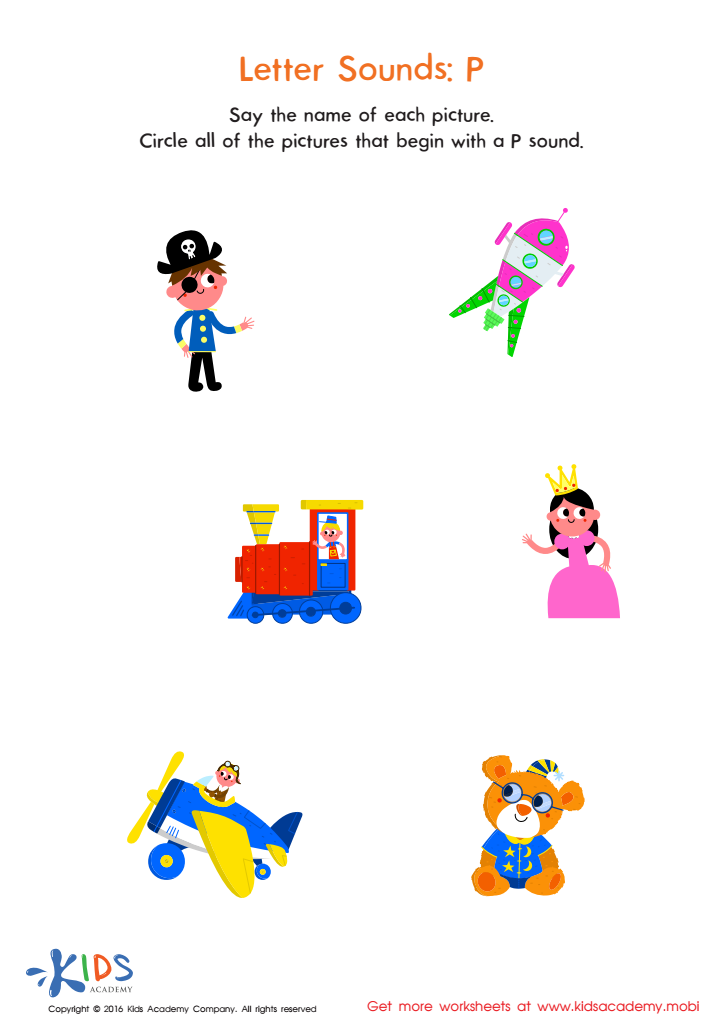
Letter P Sound Worksheet
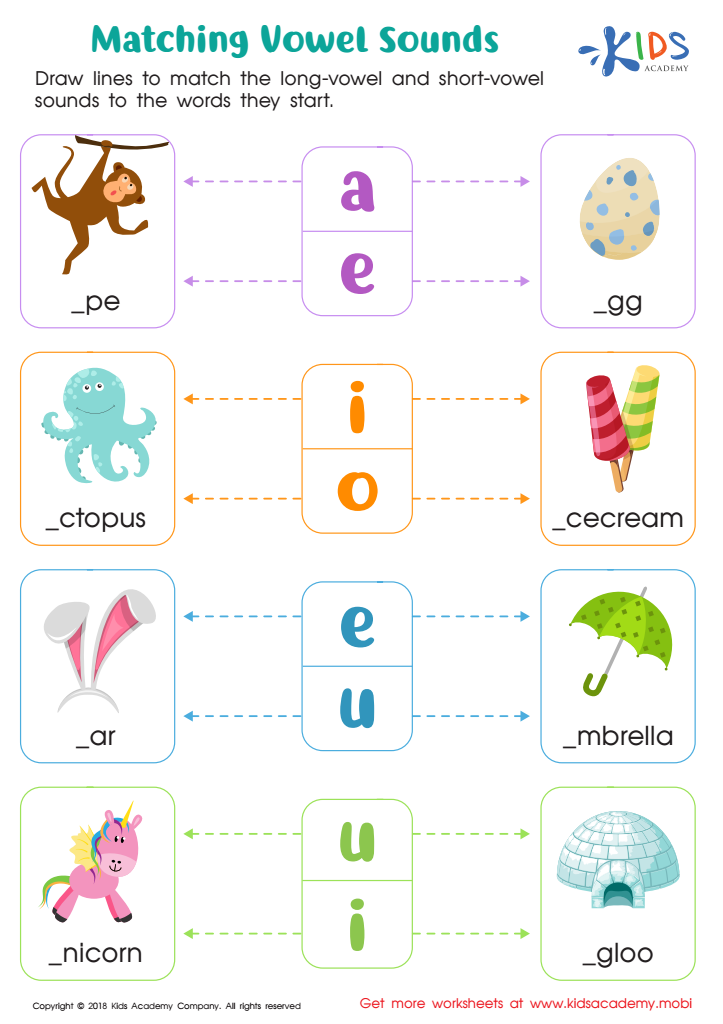
Matching Vowel Sounds Worksheet
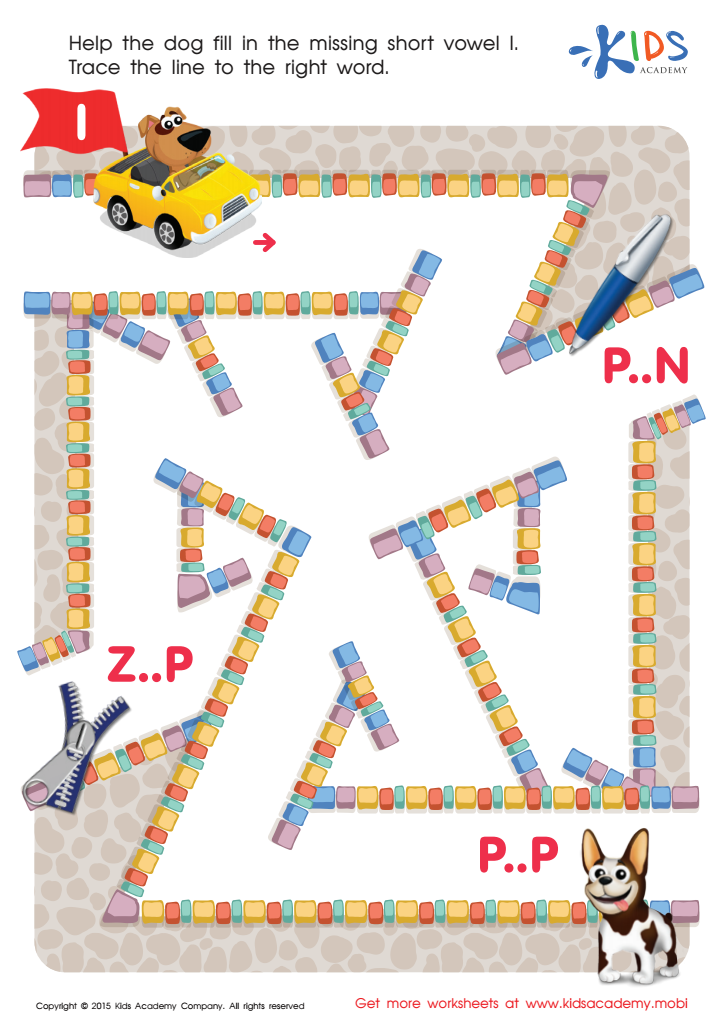
Short Vowel Sound I Worksheet
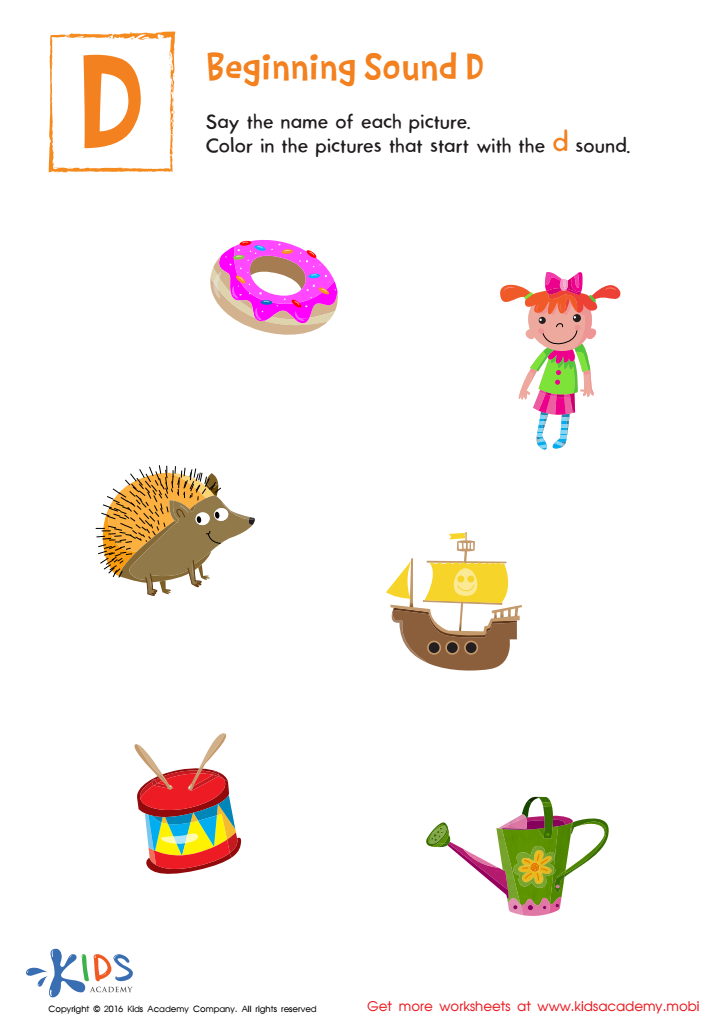
Beginning Sound D Worksheet








Phonics development is crucial for children aged 3-8, as it lays the foundation for reading and literacy skills that are essential for lifelong learning. Phonics involves the relationship between sounds and letters, teaching children how to decode words by recognizing the sounds that letters and groups of letters make. This skill is particularly important because it helps young learners to read independently and fluently.
When parents and teachers prioritize phonics, they empower children to develop confident reading skills. Since about 80% of words in English are phonetically regular, understanding the principles of phonics enables children to tackle unfamiliar words, fostering a love for reading. Additionally, phonics supports the development of vocabulary and comprehension, allowing children to better understand what they read.
Moreover, research shows a strong correlation between phonics instruction and overall academic success. Early phonics education can lead to improved performance in later years, particularly in literacy assessments. Engaging parents in this process helps create a supportive home learning environment and reinforces the skills taught in school. By focusing on phonics, we set children up for success, instill a lifelong passion for reading, and enhance their overall educational experience.







