Phonics practice Short Vowels Worksheets for Ages 3-8
4 filtered results
-
From - To
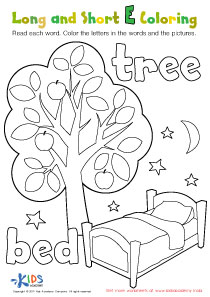
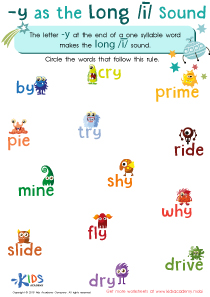
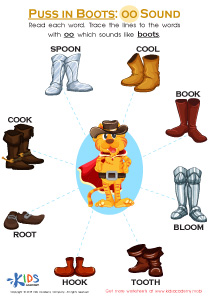
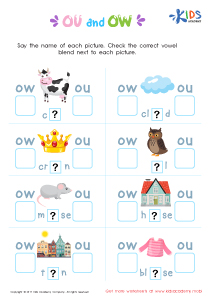
Explore our engaging Phonics Practice Short Vowels Worksheets designed specifically for children aged 3-8. These worksheets transform learning into a fun-filled adventure, helping young learners master short vowel sounds with captivating activities. Each worksheet features colorful illustrations, phonics exercises, and interactive elements that promote essential reading skills. Perfect for homeschoolers and classroom settings, our resources reinforce vowel recognition, pronunciation, and spelling, ensuring a strong foundation in literacy. Enhance your child's phonemic awareness today with these delightful worksheets, crafted to ignite a love for learning and boost confidence in reading. Dive into phonics fun and watch your child shine as a budding reader!
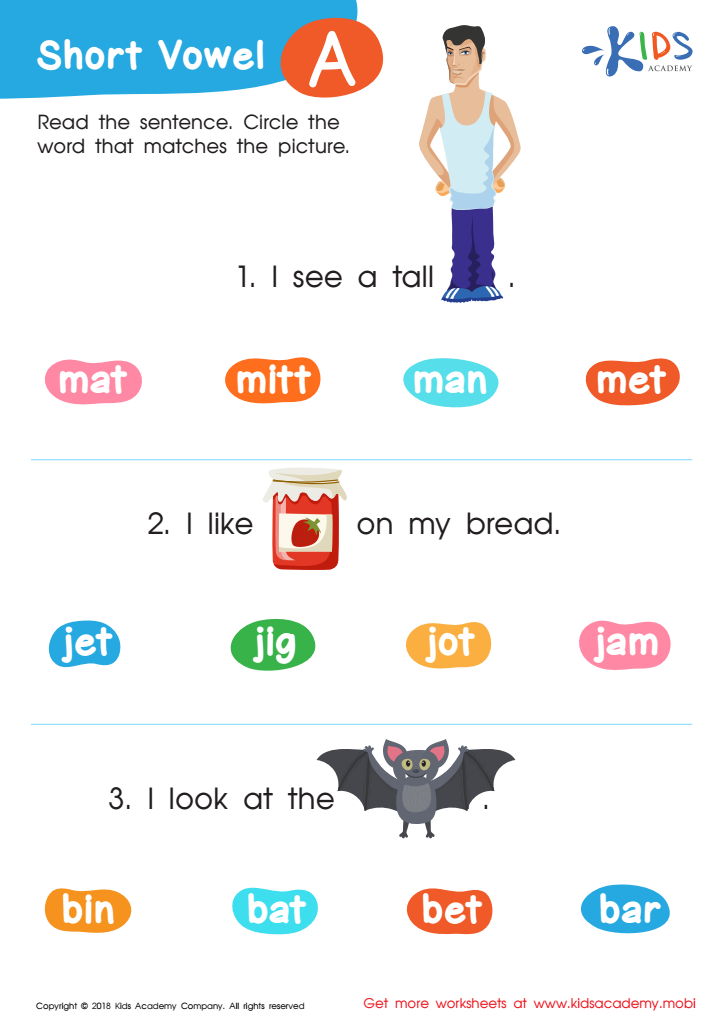
Short Vowel /a/ Worksheet
 Assign to My Students
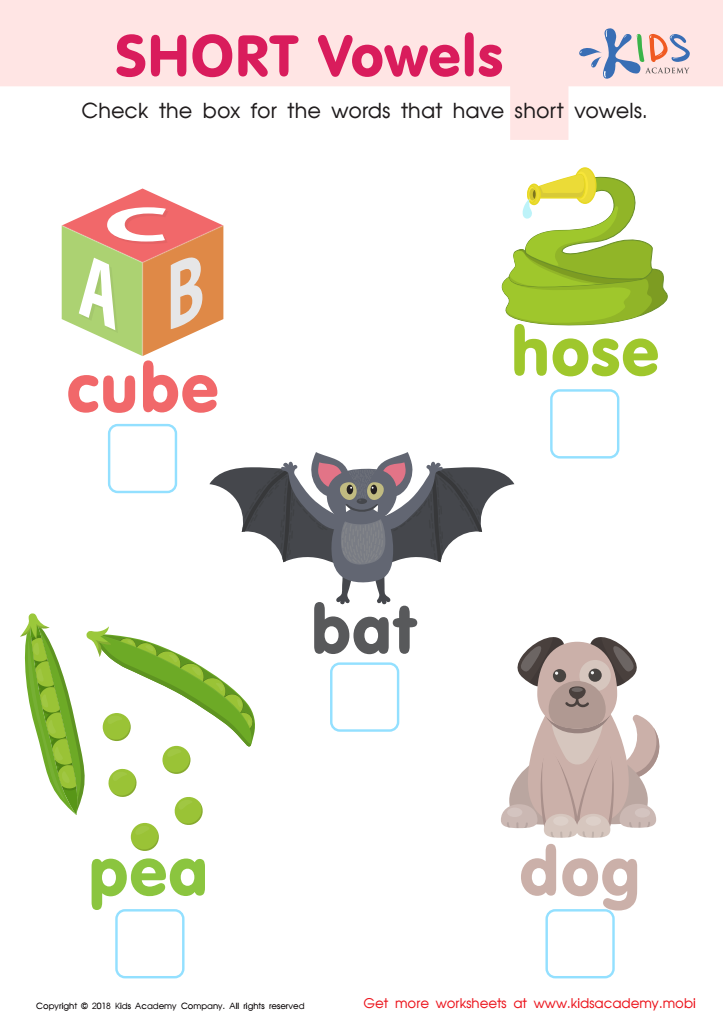
short vowels Worksheet
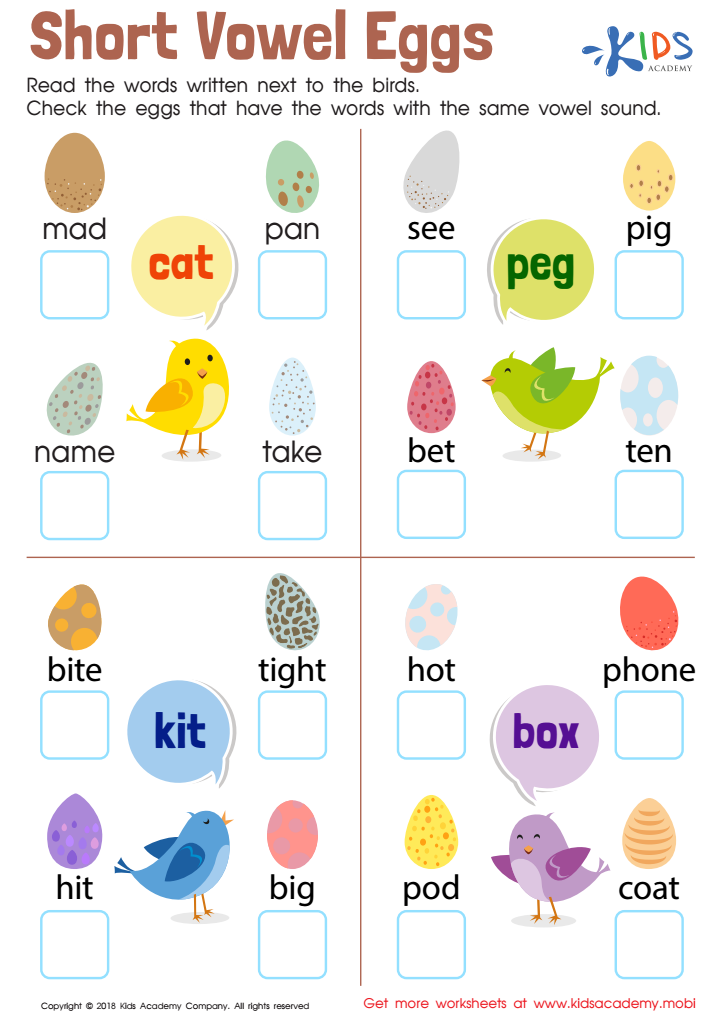
Short Vowel Eggs Worksheet
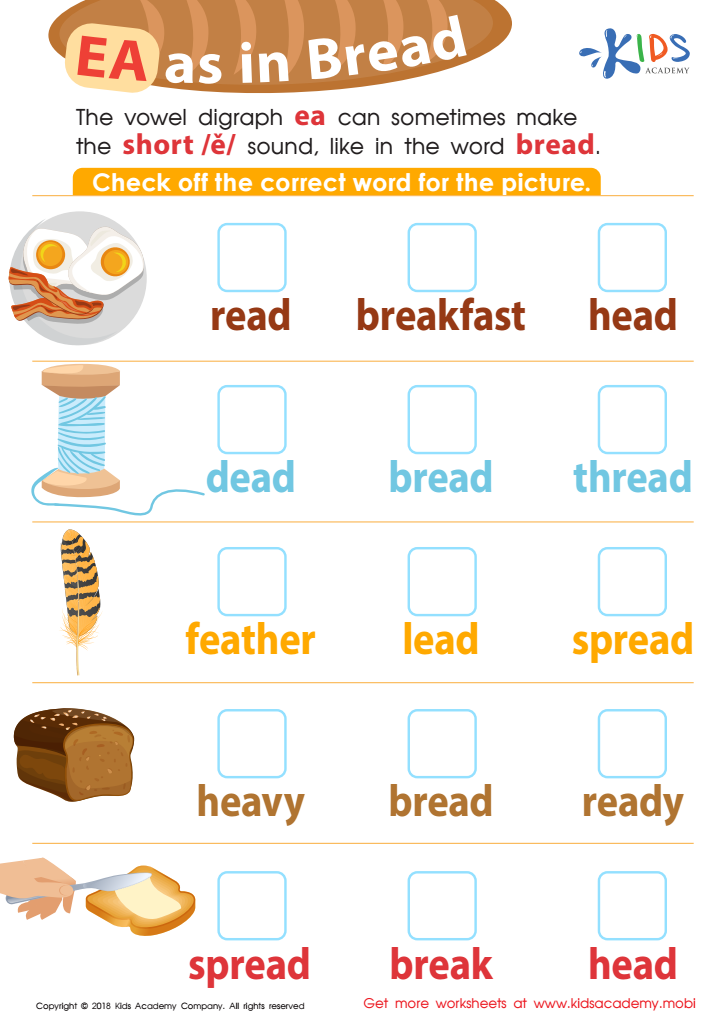
Reading: EA as in Bread Worksheet



Phonics practice, particularly with short vowels, is crucial for children aged 3-8 for several reasons. Firstly, mastering short vowels lays a strong foundational skill for reading and writing. These sounds constitute the building blocks of most words and are essential for early literacy development. When children understand how to identify and pronounce short vowels, they can decode words more easily, boosting their confidence and enjoyment in reading.
Secondly, effective phonics instruction fosters phonemic awareness, the ability to hear, identify, and manipulate individual sounds in words. This skill is critical for spelling and aids in the development of overall language skills. As children progress, a solid grasp of short vowels streamlines their transition to more complex reading and writing tasks.
Moreover, engaging phonics practice can be enjoyable and interactive, fostering a love for learning and language. Teachers and parents can support children by using games, songs, and interactive activities that focus on short vowel sounds. Ultimately, investing time in phonics practice isn’t just about reading; it shapes children's cognitive abilities and builds crucial communication skills that are vital for their educational journey and beyond. By nurturing these skills early, adults can significantly influence their children's academic success and lifelong learning.