Alphabet tracing Tracing Letters Worksheets for Ages 3-8
7 filtered results
-
From - To
Alphabet Tracing Letters Worksheets for Ages 3-8 by Kids Academy are perfect for developing early writing skills. These worksheets provide hands-on practice for young students to master letter formation and improve fine motor skills. Each sheet features fun, engaging activities designed to keep kids focused and excited about learning. From capital and lowercase tracing to connect-the-dots, these worksheets are great tools for both classroom use and homeschooling. Aligned with educational standards, they help to build foundational literacy skills essential for reading and writing success. Ideal for children aged 3-8, these resources make learning the alphabet enjoyable and effective.
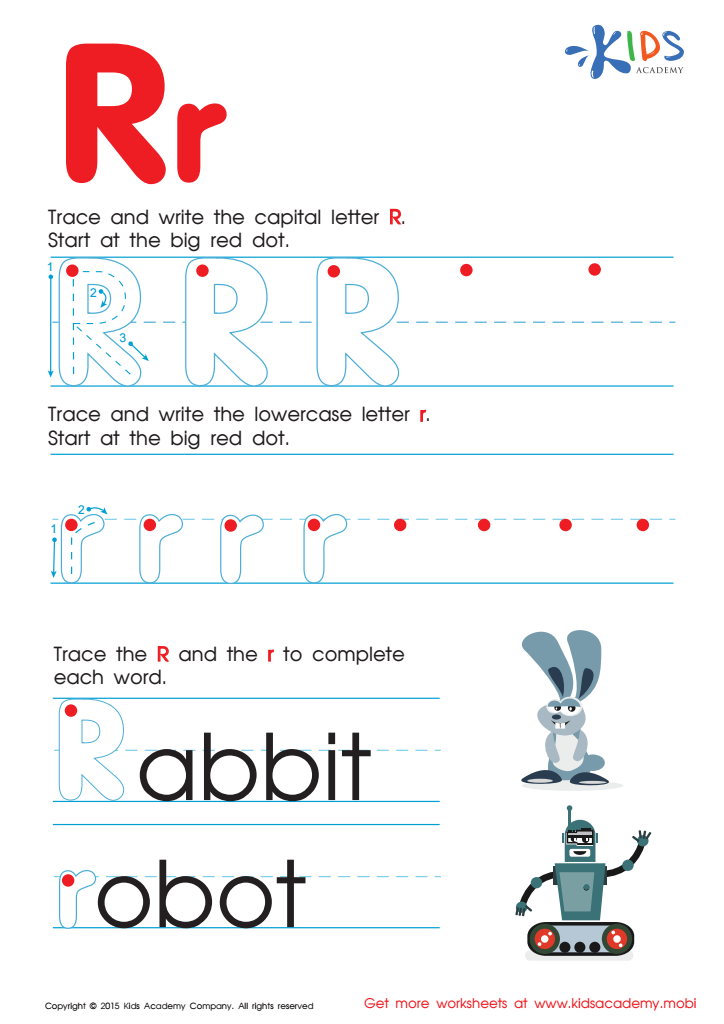
Letter R Tracing Page
 Assign to My Students
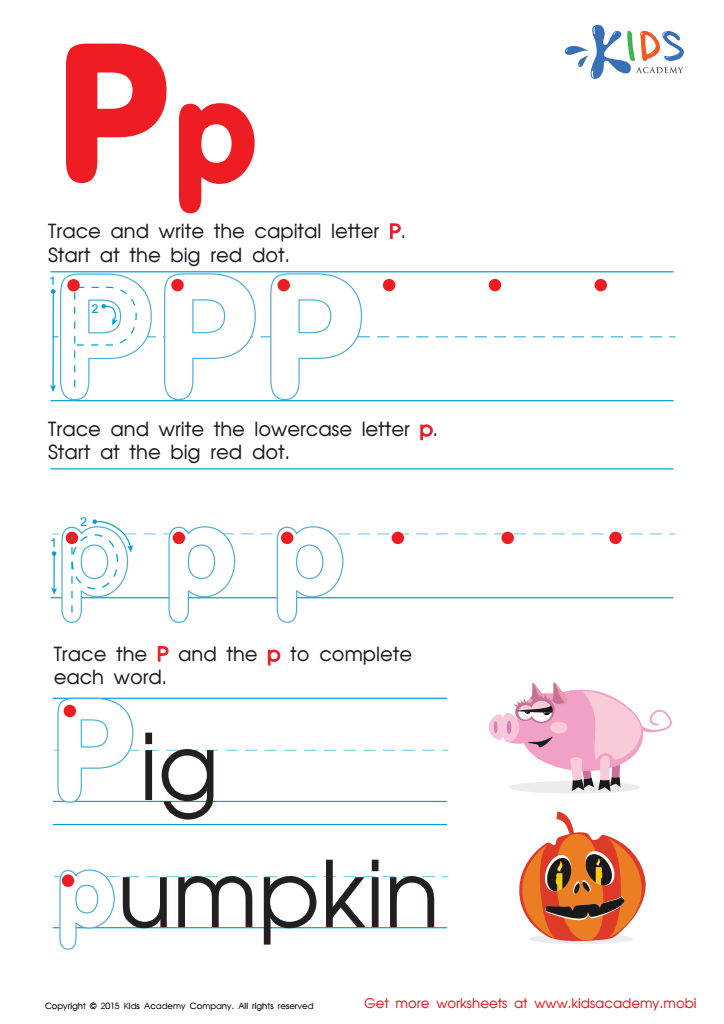
Letter P Tracing Page
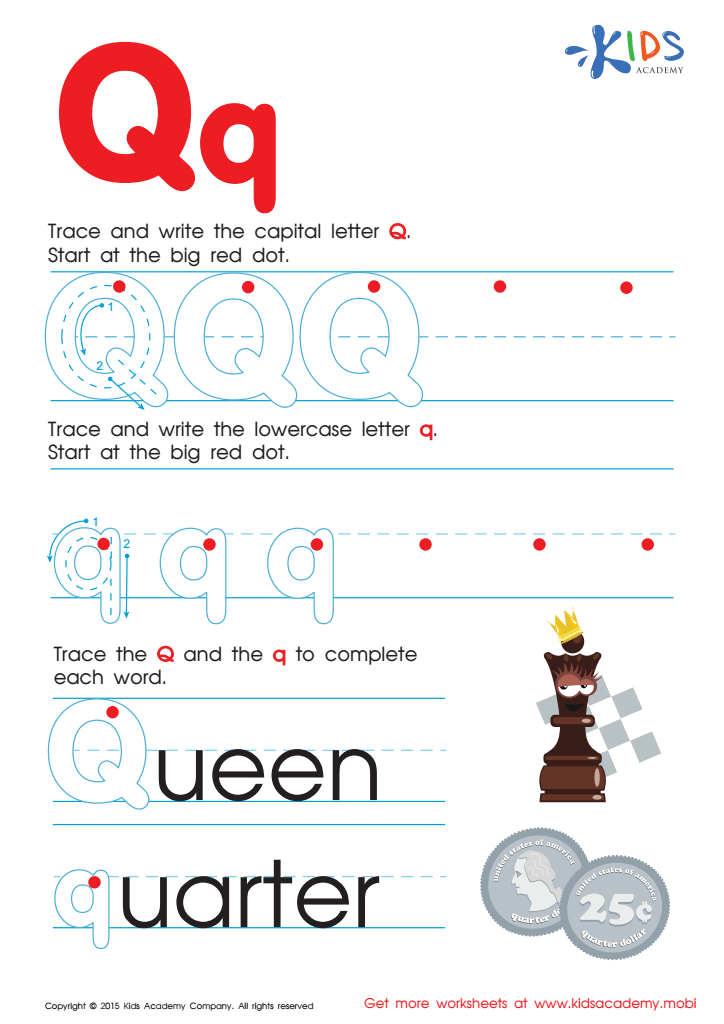
Letter Q Tracing Page
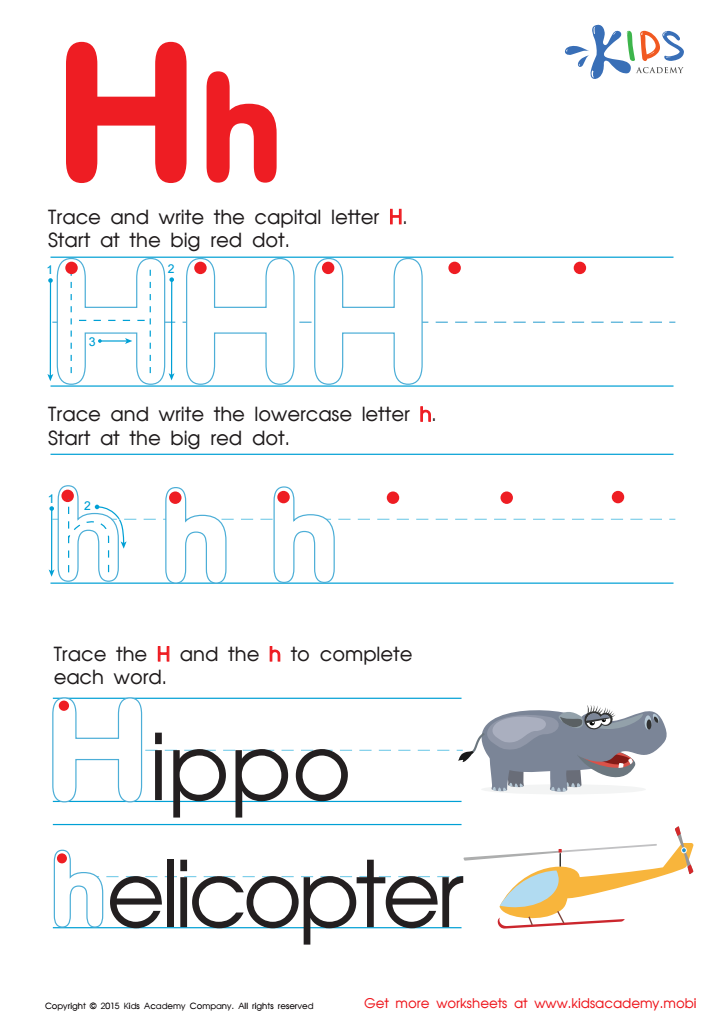
Letter H Tracing Page
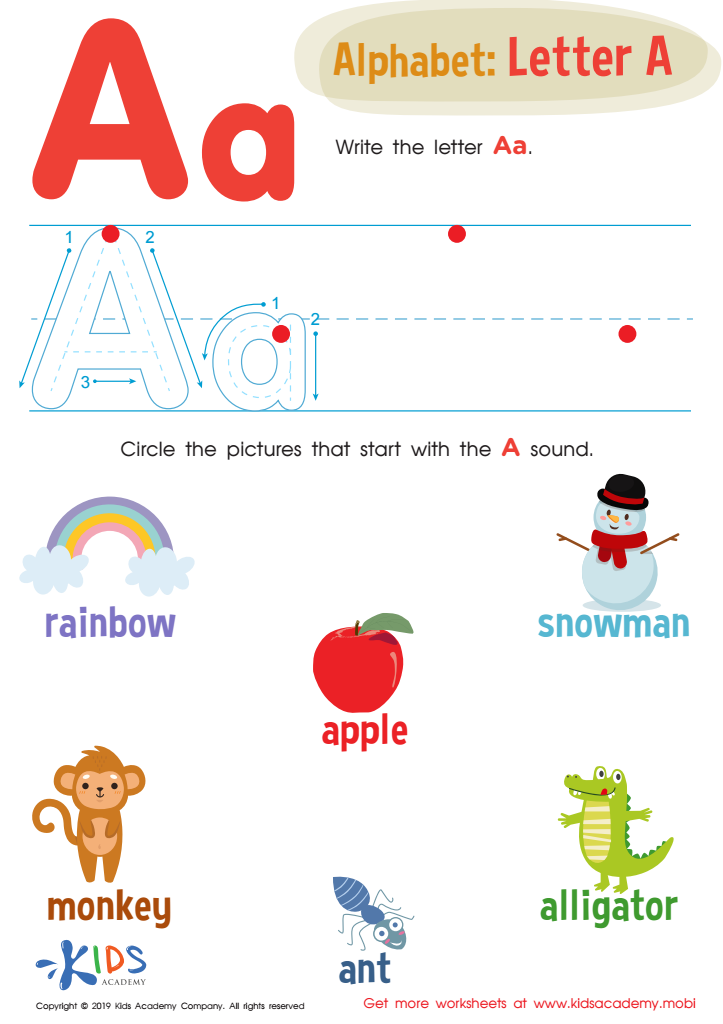
Letter A Tracing Worksheet
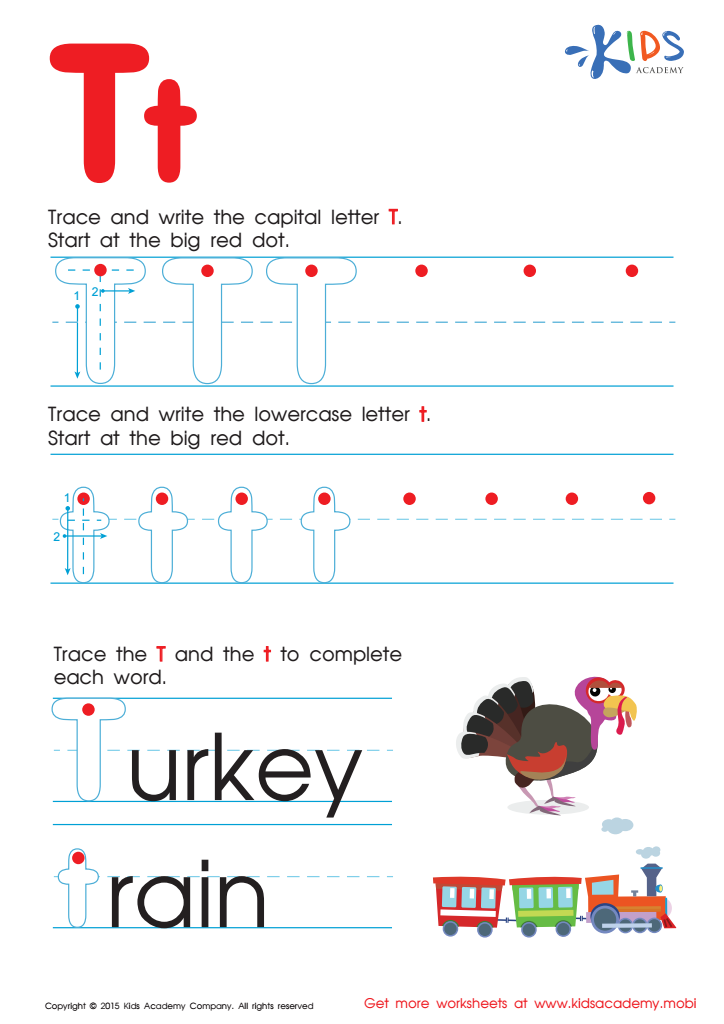
Letter T Tracing Page

Letter D Tracing Page








Parents and teachers play a critical role in early childhood education, and one of the foundational skills that need careful nurturing is alphabet tracing for children aged 3-8. This activity is crucial for several reasons:
Firstly, alphabet tracing helps in the development of fine motor skills. Young children need to practice controlling their hand movements, and tracing letters provides an excellent opportunity for this practice. The repetitive motion helps strengthen the small muscles in their hands, preparing them for tasks like writing, cutting, and buttoning.
Secondly, it enhances letter recognition and phonemic awareness. Through tracing, children begin to recognize the shapes of the letters and understand that each one represents a different sound. This foundational understanding is critical for reading development, as it enables children to start connecting spoken sounds with written symbols.
Additionally, it encourages attention to detail and precision. When a child traces a letter, they have to focus on following the lines carefully, helping them develop concentration and attention span. Both are essential skills for more complex learning tasks in the future.
Lastly, alphabet tracing builds confidence. As children become more proficient, they gain a sense of accomplishment, encouraging a positive attitude toward learning. When parents and teachers emphasize the importance of this activity, they ensure children are equipped with the foundational skills needed for future academic success.








