Handwriting practice Tracing Letters Worksheets for Ages 3-8 - Page 2
28 filtered results
-
From - To
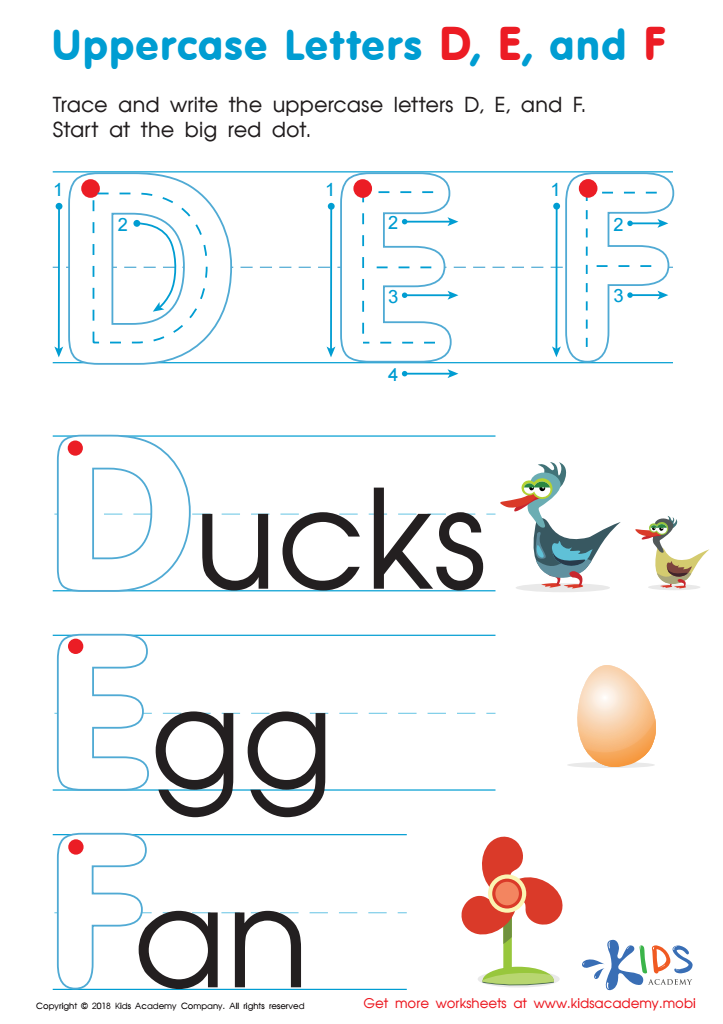
Uppercase Letters D, E, and F Worksheet
 Assign to My Students

Uppercase Letters Y Z Worksheet
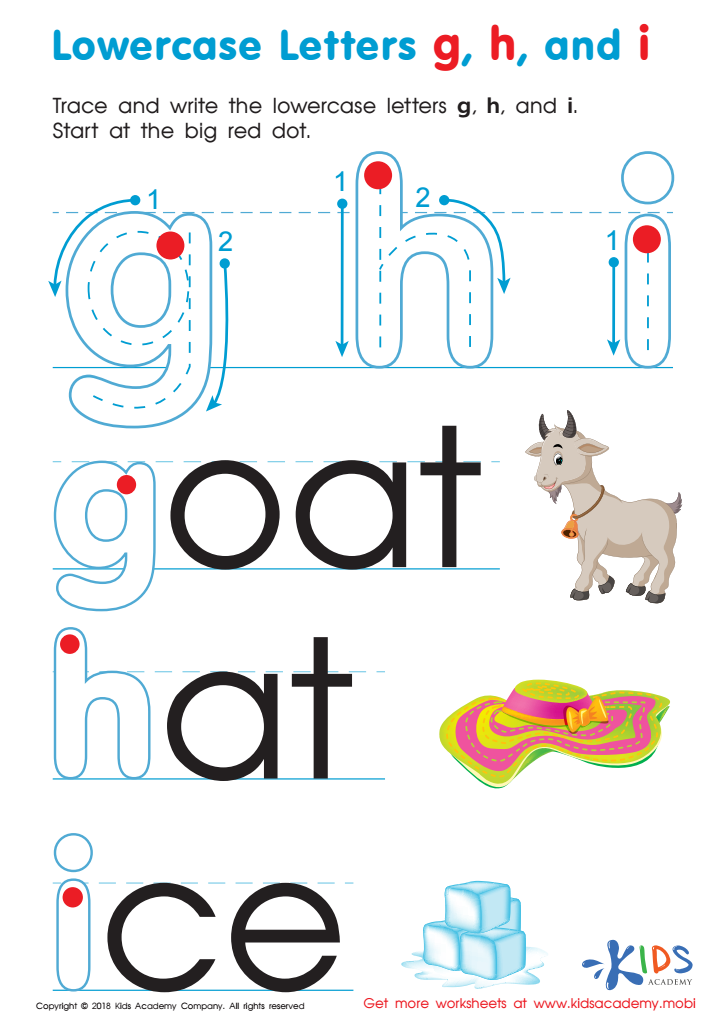
Lowercase Letters g h i Worksheet
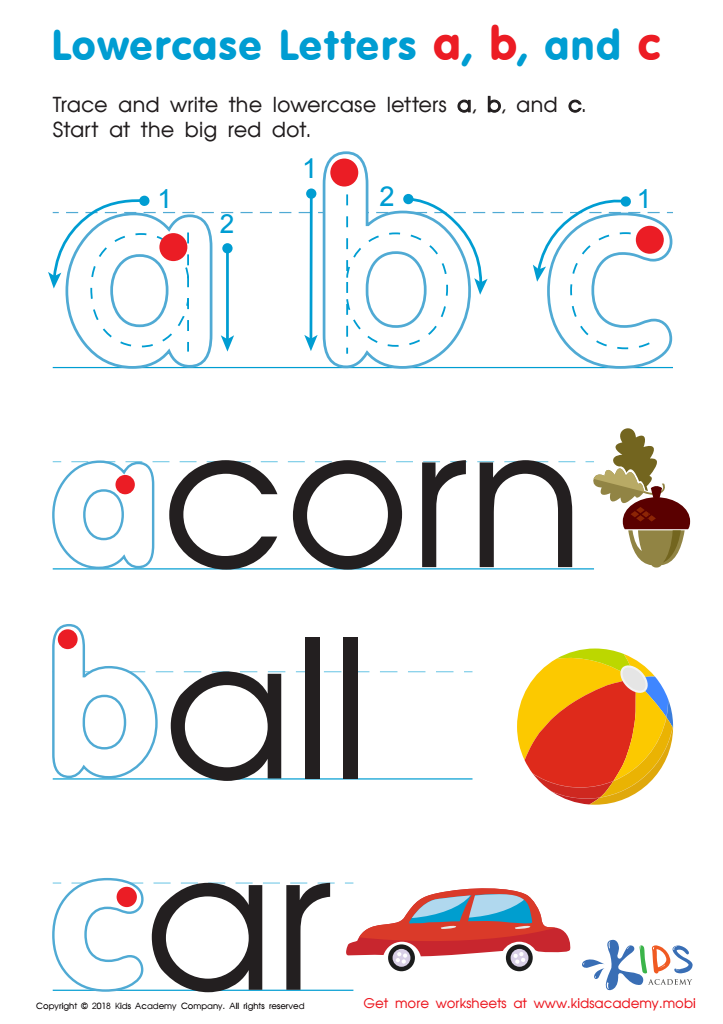
Lowercase Letters a b c Worksheet








Handwriting practice, particularly tracing letters, is essential for children aged 3-8 as it plays a critical role in their cognitive, motor, and literacy development. Firstly, tracing letters helps enhance fine motor skills, which are vital for various everyday tasks, from holding utensils to using tools effectively. These skills foster hand-eye coordination and dexterity, laying a foundation for future writing tasks.
Moreover, letter tracing introduces children to the shapes and movements of letters, allowing them to recognize and familiarize themselves with the alphabet early on. This hands-on approach turns abstract concepts into tangible experiences, making learning more engaging and effective. As they trace, children develop muscle memory, making it easier for them to write independently later on.
Additionally, handwriting practice can positively influence a child’s confidence in their writing abilities. Feeling competent in forming letters encourages reluctant writers to engage more willingly in literacy activities.
Finally, involving parents and teachers in this process allows for nurturing relationships and shared learning experiences in which children thrive. Handwriting practice through letter tracing is an invaluable tool in ensuring children build strong foundational skills that will serve them well throughout their educational journey.








