Vowel Diphthongs Worksheets for Ages 3-8 - Page 2
27 filtered results
-
From - To
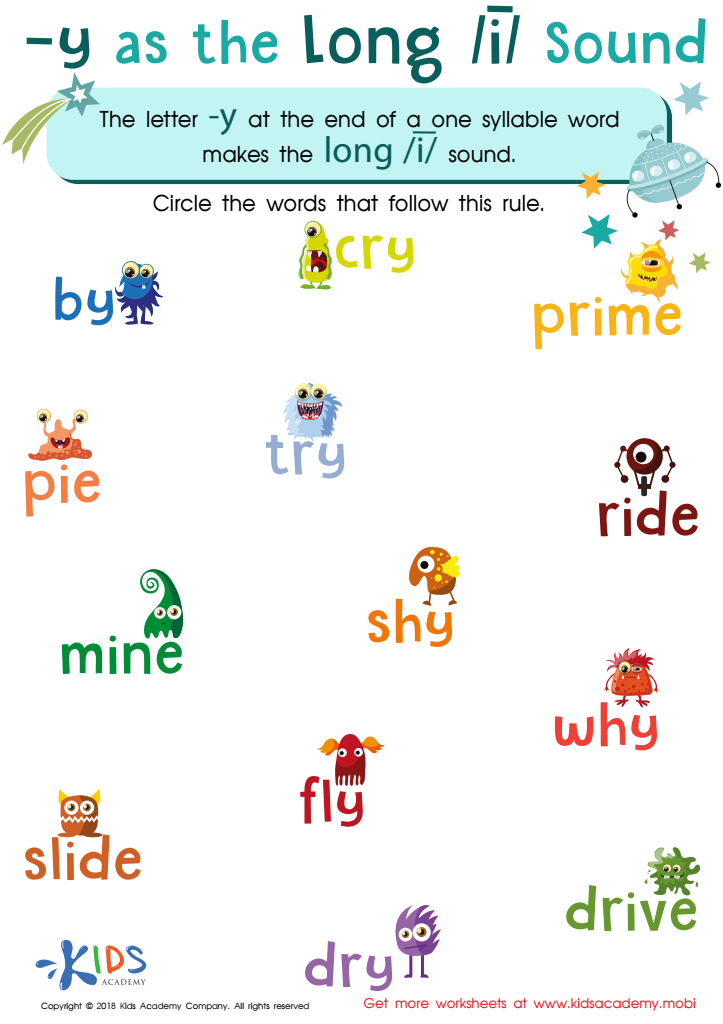
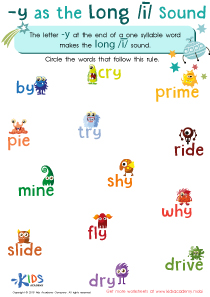
Reading: Y as Long I Worksheet
 Assign to My Students
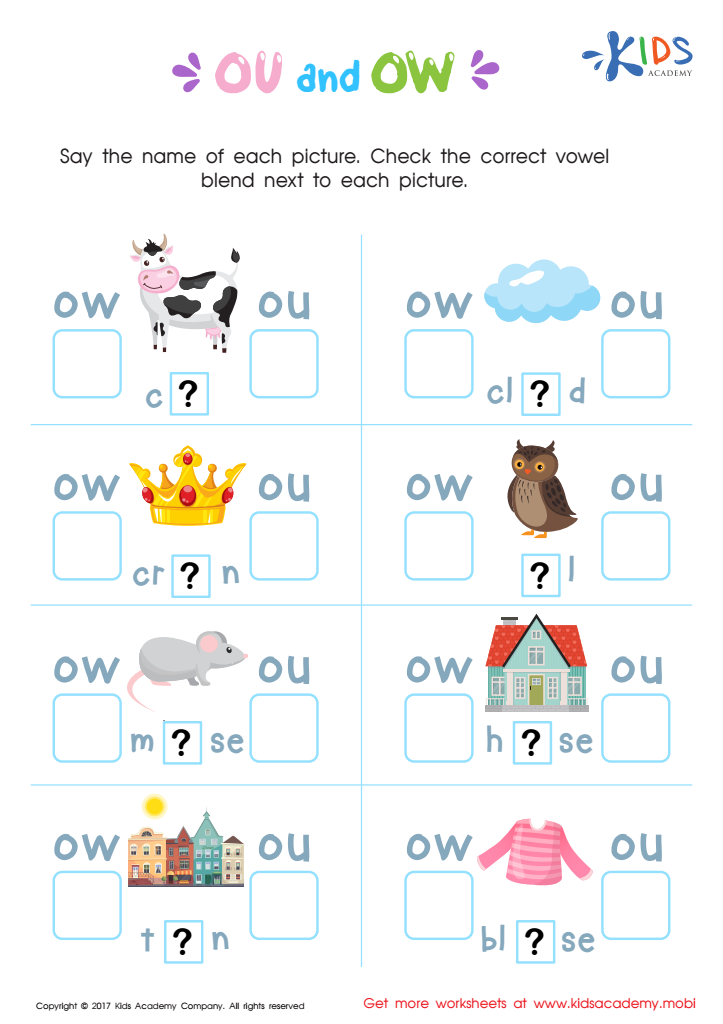
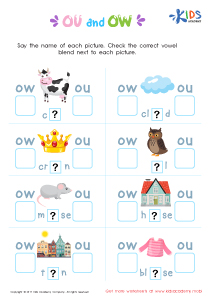
OU and OW Words Worksheet
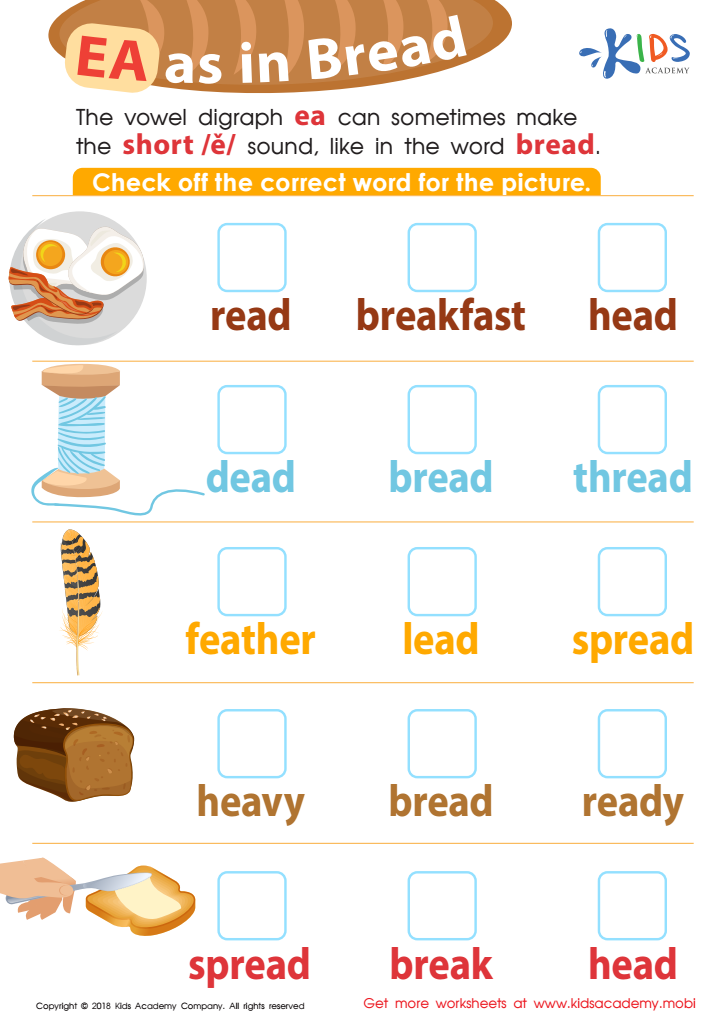
Reading: EA as in Bread Worksheet


Vowel diphthongs, which are complex vowel sounds formed by the combination of two separate vowels in a single syllable, play a critical role in early language development for children ages 3-8. For parents and teachers, understanding and emphasizing these sounds can enhance reading and pronunciation skills, laying a solid foundation for literacy.
Children in this age group are developing phonemic awareness, which is essential for effective reading and writing. Vowel diphthongs, such as the sounds found in words like "boy" or "tail," contribute to a richer understanding of how sounds work together in the English language. By teaching these sounds early on, educators and parents equip children to decode words more effectively, which is essential for reading fluency.
Additionally, mastering vowel diphthongs can improve children's speaking and listening skills, fostering better communication abilities. It also supports their confidence in using language, as they become familiar with various phonetic structures.
Overall, focusing on vowel diphthongs helps prepare children for successful literacy experiences, ensuring they are better equipped to tackle more complex language tasks as they grow. By prioritizing these sounds, adults contribute positively to children's overall educational journey and their ability to express themselves.