Vowels and Consonants Worksheets for Ages 3-8 - Page 2
29 filtered results
-
From - To
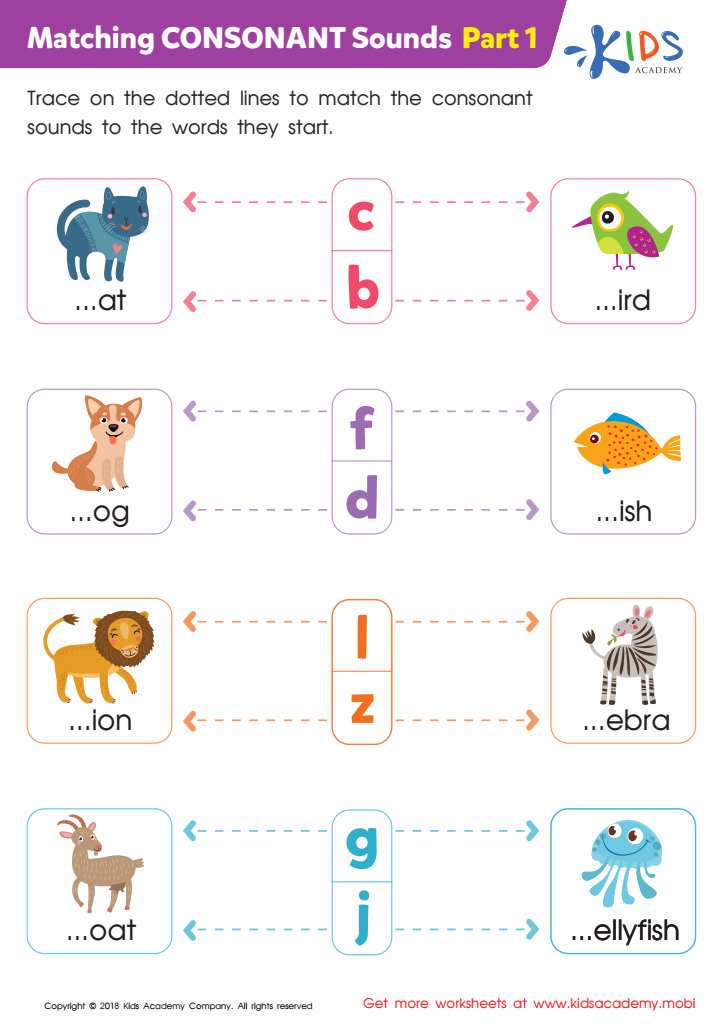
Matching Consonant Sounds: Part 1 Worksheet
 Assign to My Students
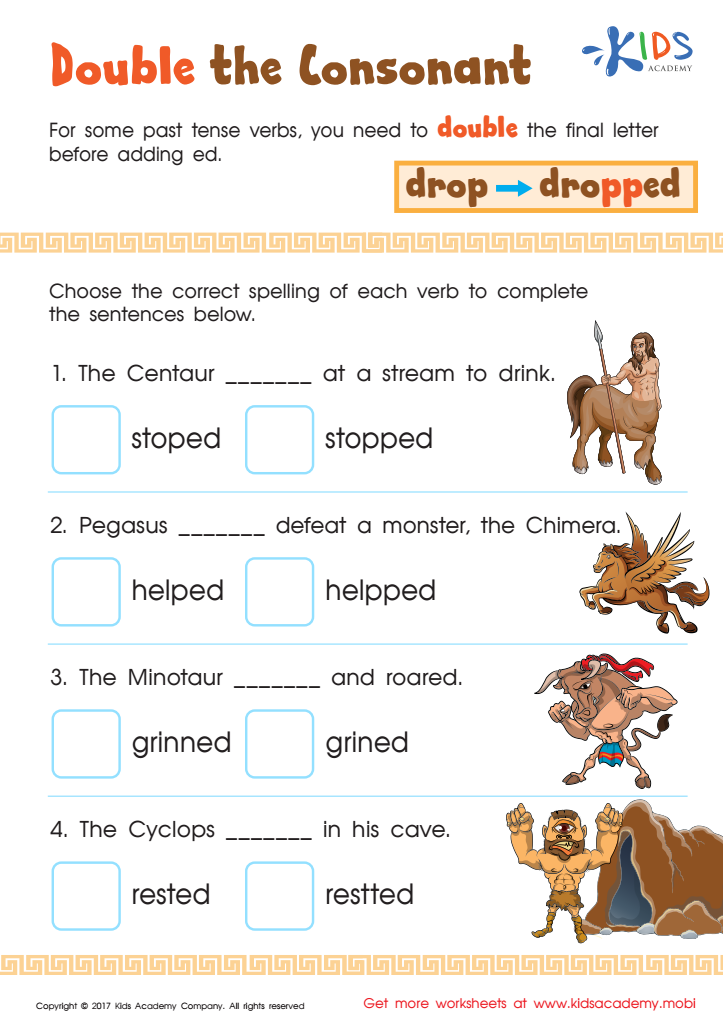
Double Consonant Spelling Worksheet
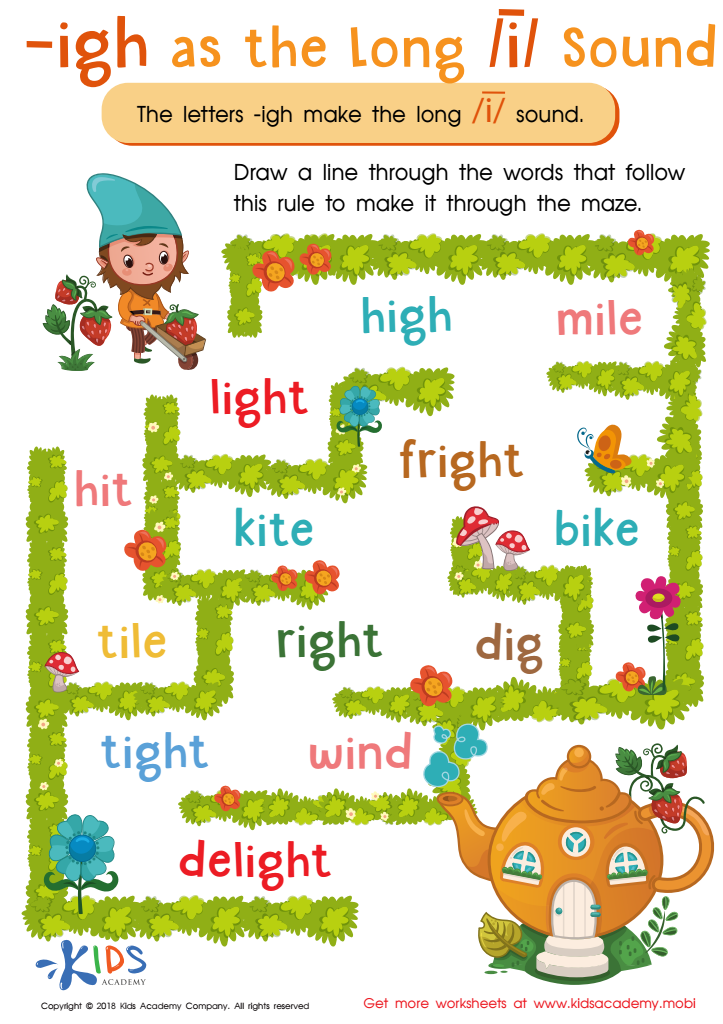
Reading: IGH as Long I Worksheet
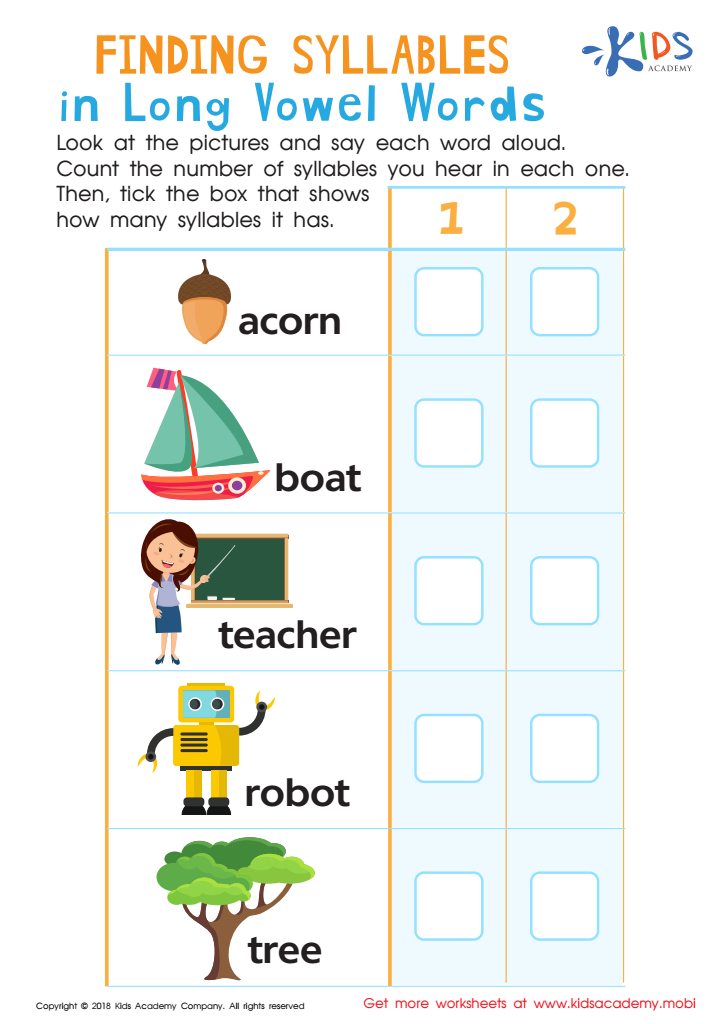
Finding Syllables in Long Vowel Words Worksheet
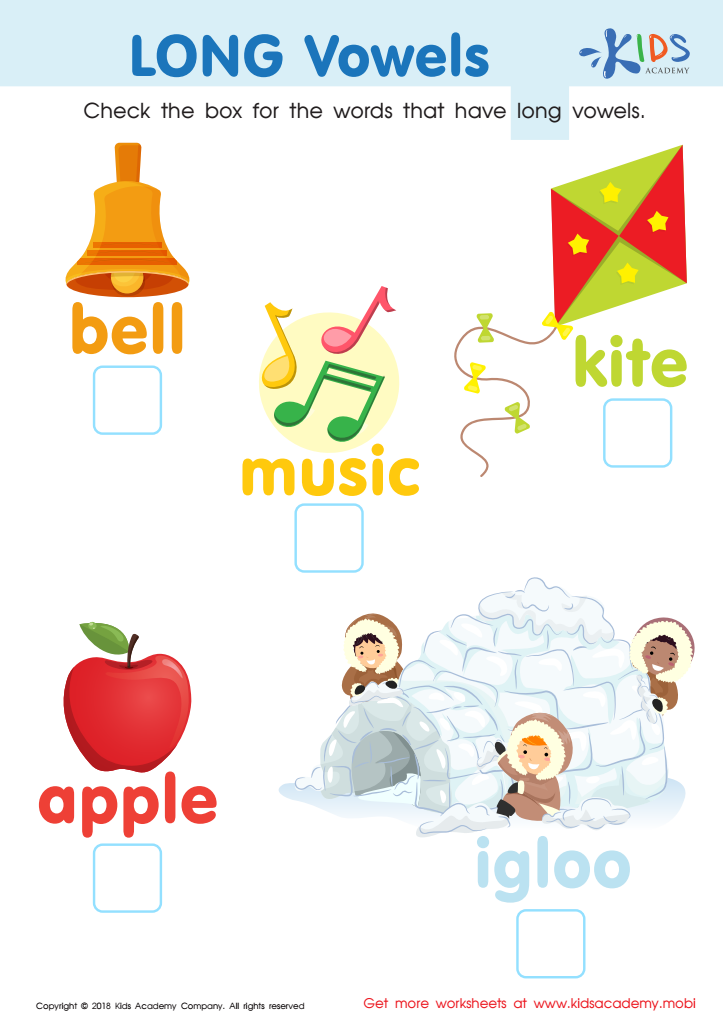
long vowels Worksheet



Parents and teachers should place a strong emphasis on vowels and consonants for children aged 3-8 because understanding these fundamental components forms the bedrock of literacy. At this age, children experience a critical period of language development where their brains are exceptionally receptive to learning new sounds and words. Mastering vowels and consonants helps kids decipher the sounds of language, which is pivotal for developing reading and writing skills.
Knowing vowels and consonants allows children to begin recognizing phonics—how letters correspond to sounds—which is essential for word formation. This, in turn, supports early spelling abilities. By learning these sounds, children can break down words into manageable parts and start blending them to read.
In addition, familiarity with these sounds enhances listening skills, making it easier for children to follow verbal instructions and participate in conversations. Phonemic awareness activities, such as rhyming games or alphabet songs, make this learning process enjoyable and set a positive foundation for lifelong literacy skills.
In essence, investing time in teaching vowels and consonants equips children with the tools necessary for academic success, promotes confidence in their reading abilities, and fosters a love for learning by making the process engaging and accessible.







