Flora and Fauna Worksheets for Ages 3-8 - Page 2
32 filtered results
-
From - To
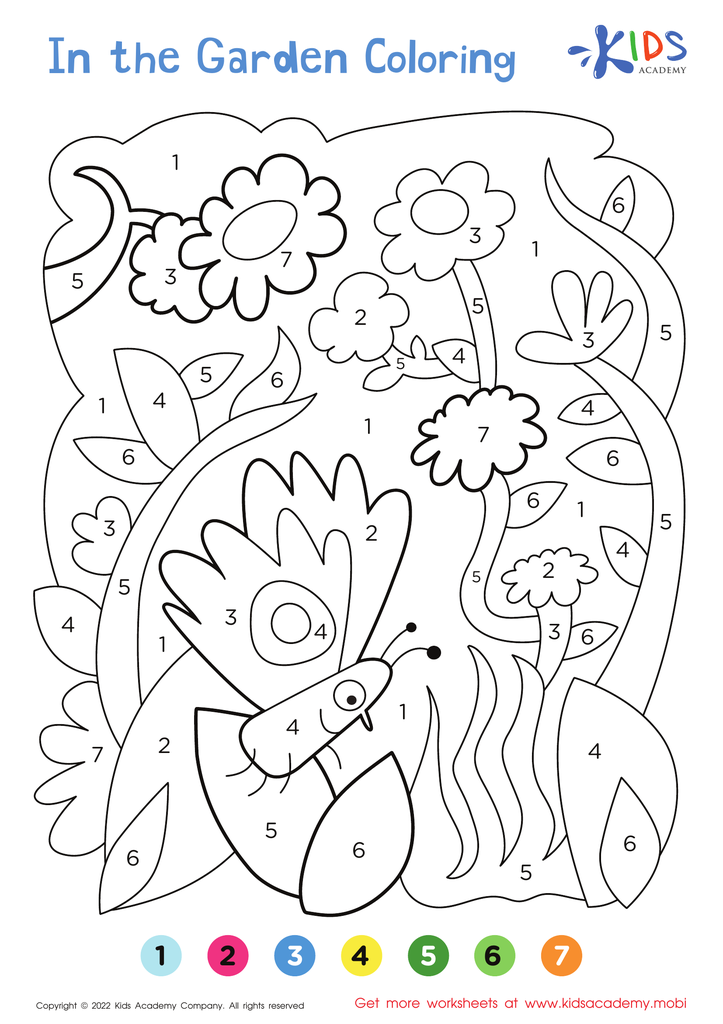
In the Garden – Coloring by Numbers


Understanding flora and fauna is crucial for children aged 3-8, as it nurtures a sense of curiosity and respect for the natural world. Parents and teachers play a vital role in fostering this connection, which contributes to children's holistic development. Engaging with plants and animals helps children develop observation skills, sparking their innate curiosity. They learn about ecosystems, where every element plays a part, fostering a foundational understanding of biology and environmental stewardship.
Furthermore, exposure to flora and fauna can enhance cognitive development. Activities such as nature walks, gardening, or visiting zoos promote experiential learning. Children gain firsthand knowledge about different species, their habitats, and their roles in the ecosystem. This engagement can also inspire creativity and imagination through storytelling and art projects related to nature.
In addition, discussing flora and fauna raises awareness about conservation and biodiversity, instilling values of environmental responsibility and empathy early on. As children learn to appreciate the beauty and complexity of nature, they build an emotional connection that can lead to lifelong environmental advocacy. By prioritizing education on flora and fauna, parents and teachers empower children to become informed, responsible citizens who care for the planet and all its inhabitants.