Vocabulary development Coloring Pages Worksheets for Ages 3-8
5 filtered results
-
From - To
Enhance your child's vocabulary development with our engaging Coloring Pages Worksheets, specifically designed for ages 3-8! These interactive worksheets combine fun coloring activities with essential word-building skills, making learning enjoyable and impactful. Children can explore a variety of topics while enhancing their language skills, all in a creative, hands-on format. Our visually appealing designs stimulate imagination and promote word association, helping young learners expand their vocabulary effortlessly. Each page provides a unique opportunity for kids to express themselves artistically while reinforcing their understanding of new words. Perfect for home or classroom use, our worksheets ensure that learning is both effective and enjoyable!
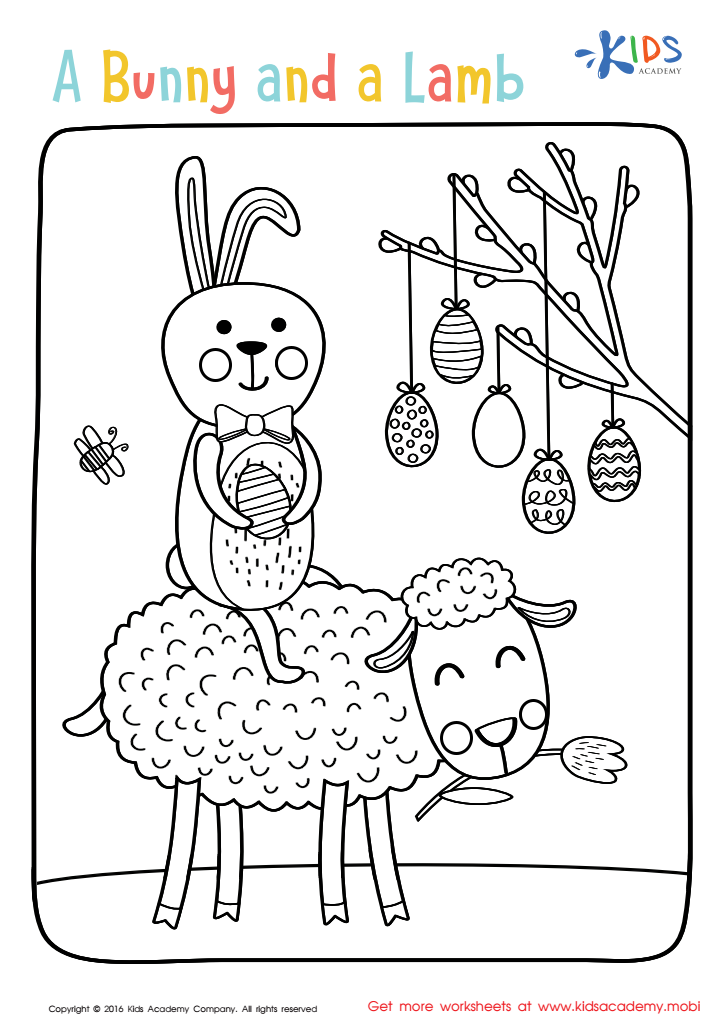
Easter: a Bunny and a Lamb Worksheet
 Assign to My Students
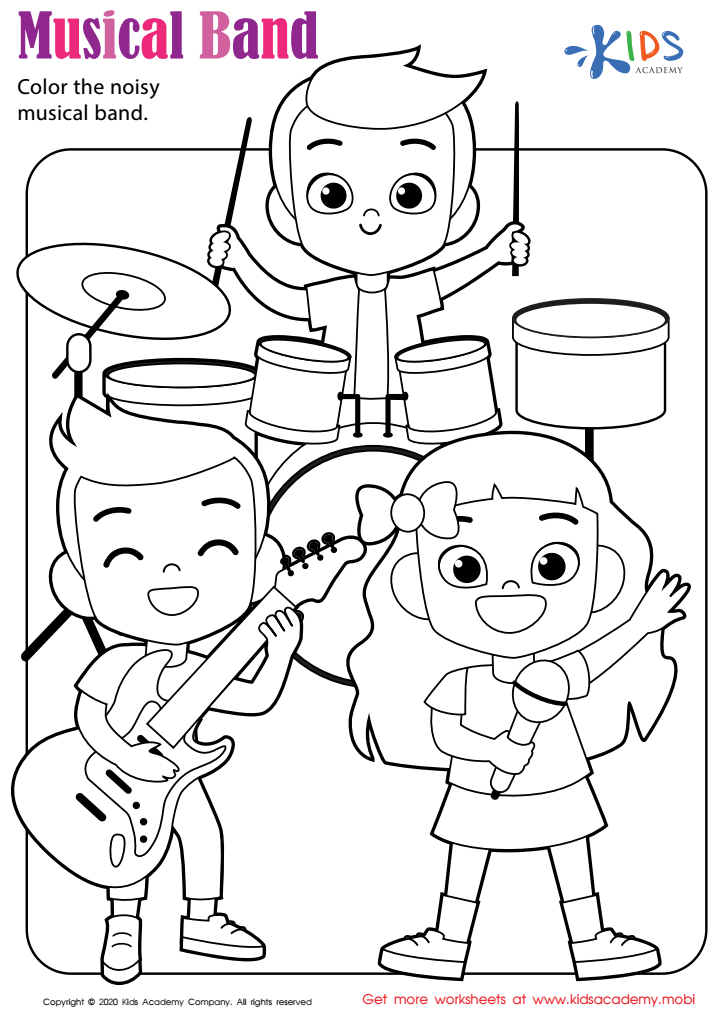
Musical Band Worksheet
Assign to My Students

Turkey Thanksgiving Day Worksheet
Assign to My Students
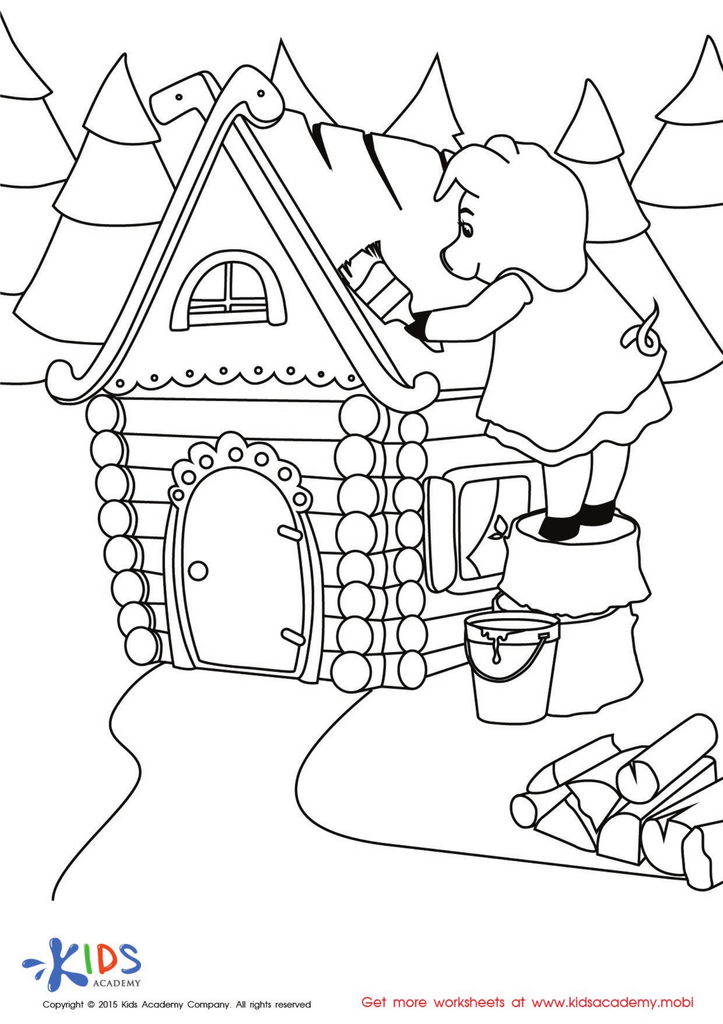
The Three Little Pigs Worksheet







Vocabulary development is crucial for early childhood education, and incorporating coloring pages specifically designed for ages 3-8 serves as an engaging tool to enhance this learning process. At this developmental stage, children are like sponges, absorbing new words and concepts. Coloring pages featuring various themes—animals, emotions, everyday items—introduce new vocabulary in a fun and interactive way, making learning less intimidating and more enjoyable.
For parents and teachers, these coloring pages provide a dual opportunity: as children color, they can discuss the words associated with images. This not only builds vocabulary but also reinforces comprehension and verbal skills. Moreover, coloring stimulates fine motor skills and promotes concentration, supporting overall cognitive growth while facilitating vocabulary acquisition.
Additionally, the collaborative aspect of coloring encourages communication and bonding between parents and children or teachers and students. This interaction not only enhances language skills through conversation but also fosters a love for learning. Understanding the importance of vocabulary development through activities like coloring sets the foundation for future literacy skills, contributing to children's overall academic success. Therefore, parents and teachers should prioritize these resources to cultivate a rich language environment that nurtures young learners' growth.