Handwriting Skills English for Beginners Worksheets for Ages 3-8
11 filtered results
-
From - To
Welcome to our Handwriting Skills English for Beginners Worksheets, specifically designed for ages 3-8. These engaging worksheets help young learners develop essential handwriting skills while enhancing their English language abilities. Our thoughtfully crafted activities promote fine motor skills and encourage proper letter formation through fun tracing exercises and interactive games. Aimed at early learners, these user-friendly resources ensure a positive learning experience, making handwriting enjoyable and effective! With vibrant visuals and step-by-step guidance, children will build confidence as they master both print and cursive writing. Start your child’s handwriting journey today with our comprehensive, themed worksheets—perfect for home or classroom use!
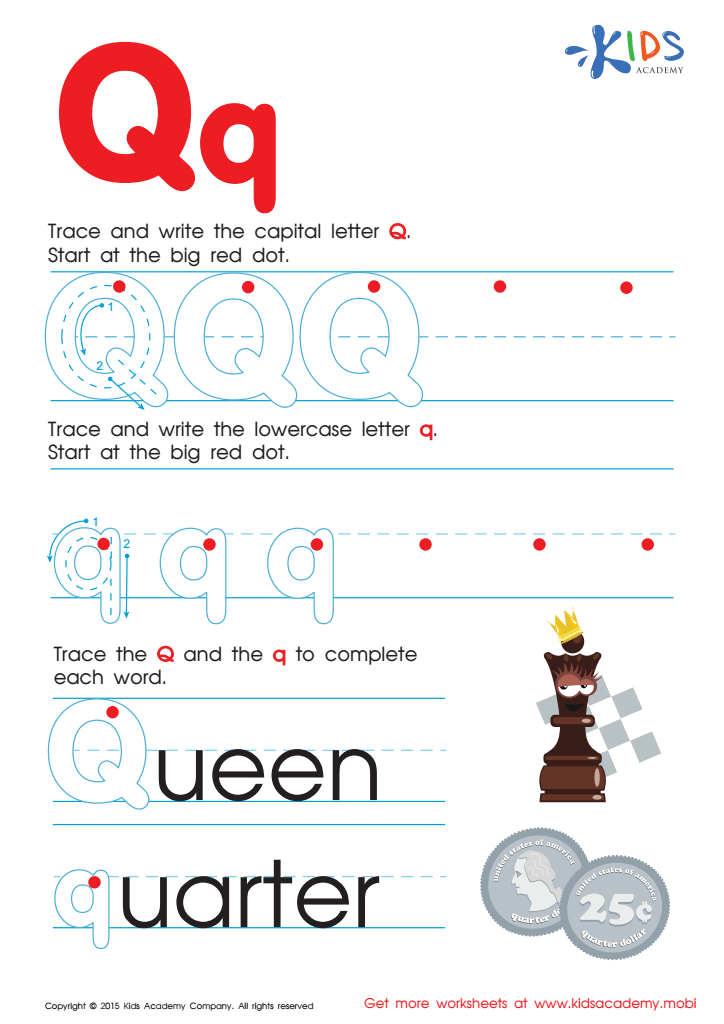
Letter Q Tracing Page
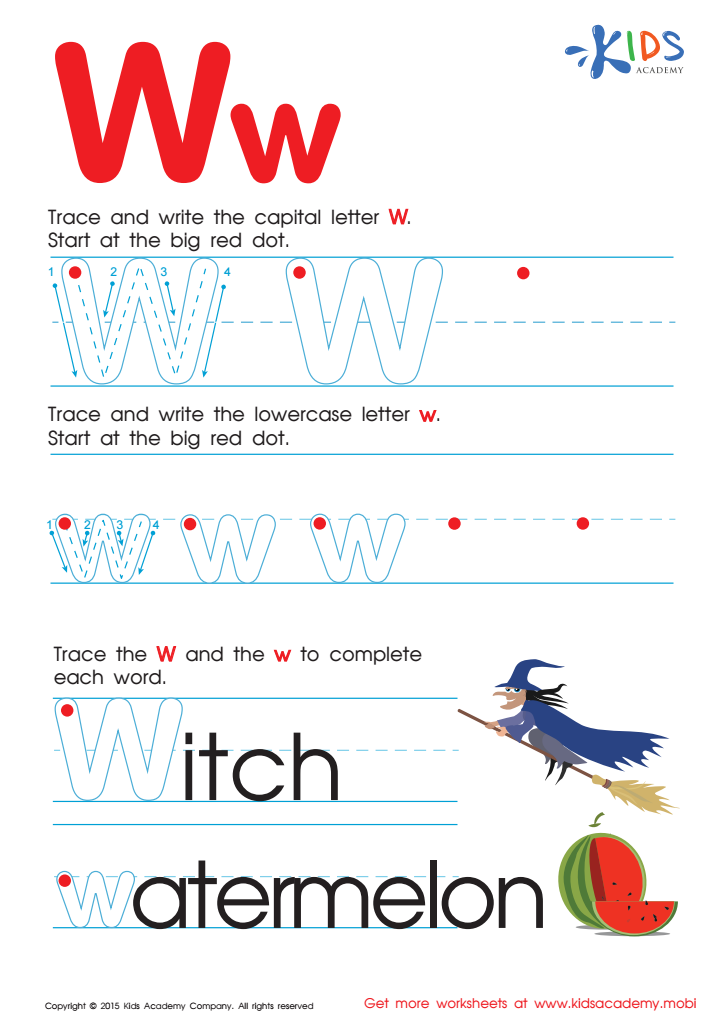
Letter W Tracing Page
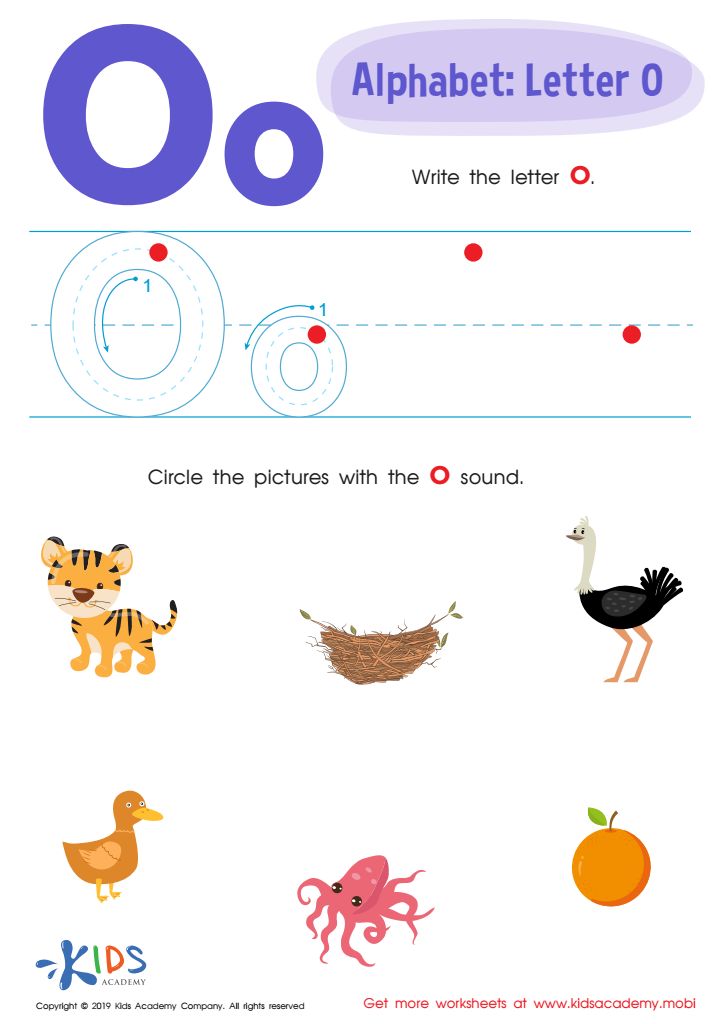
Letter O Tracing Worksheet
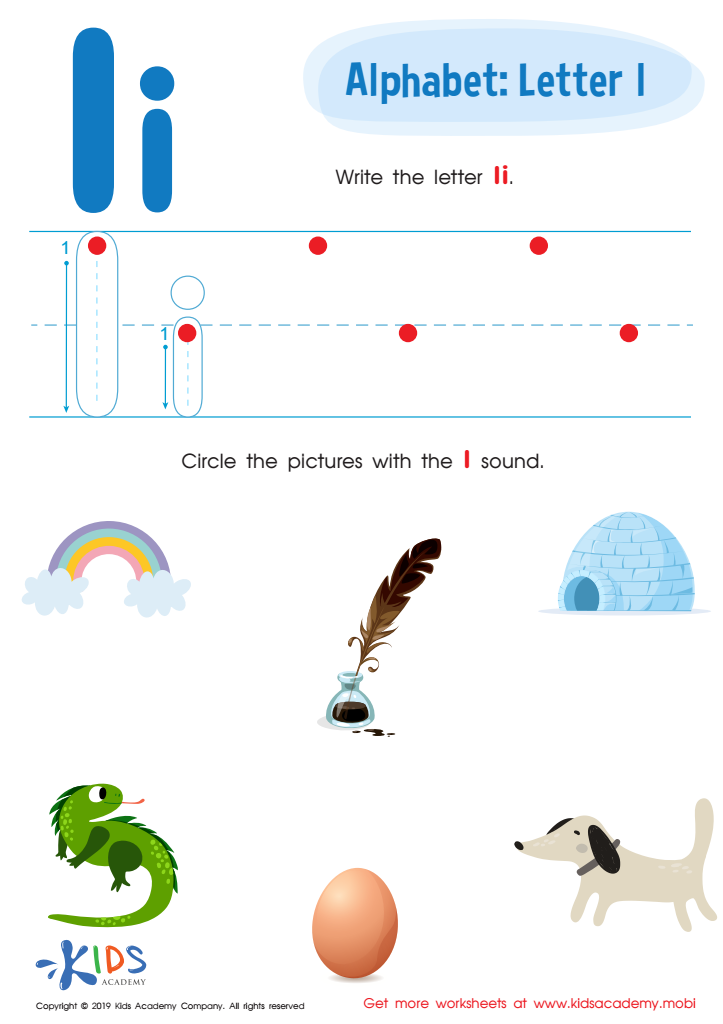
Letter I Tracing Worksheet
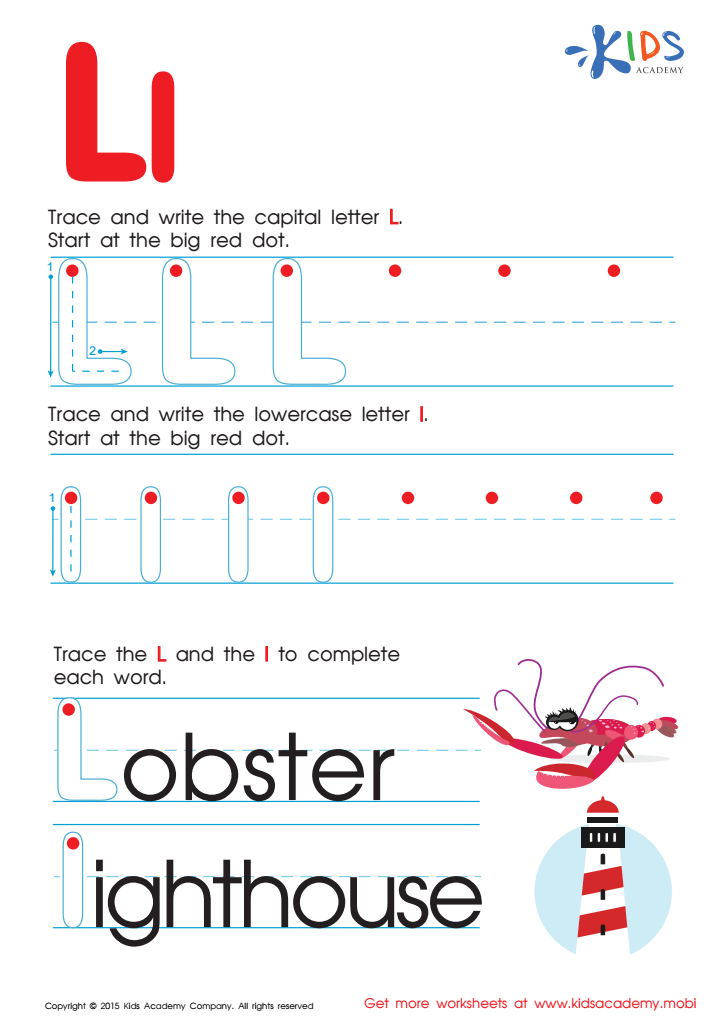
Letter L Tracing Page
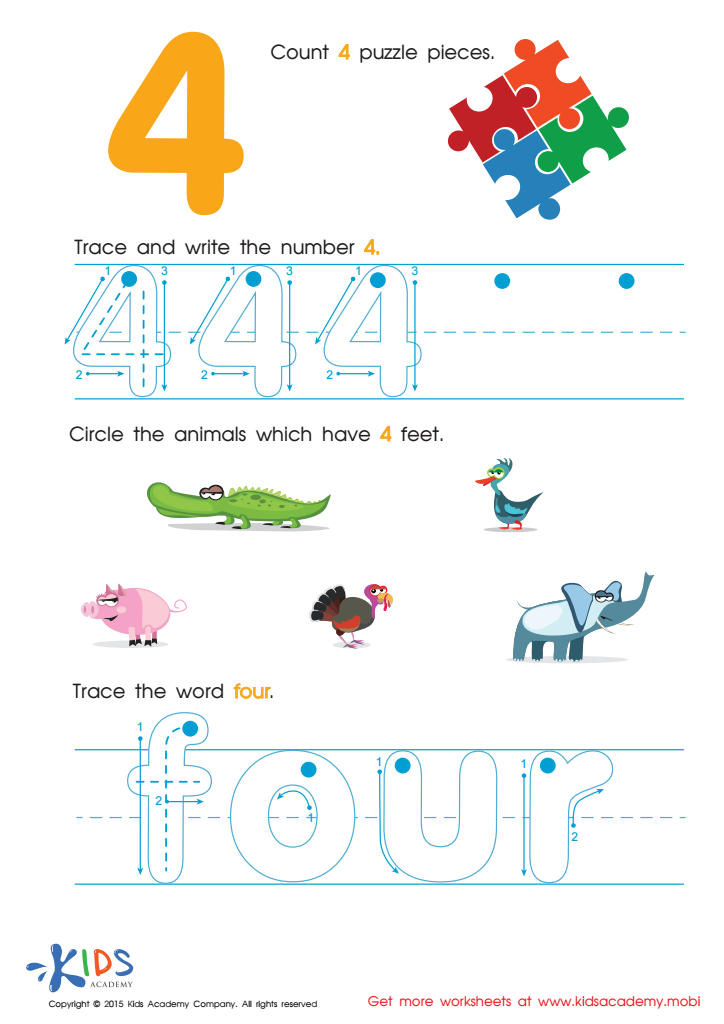
Teaching Children to Write Number 4 Worksheet
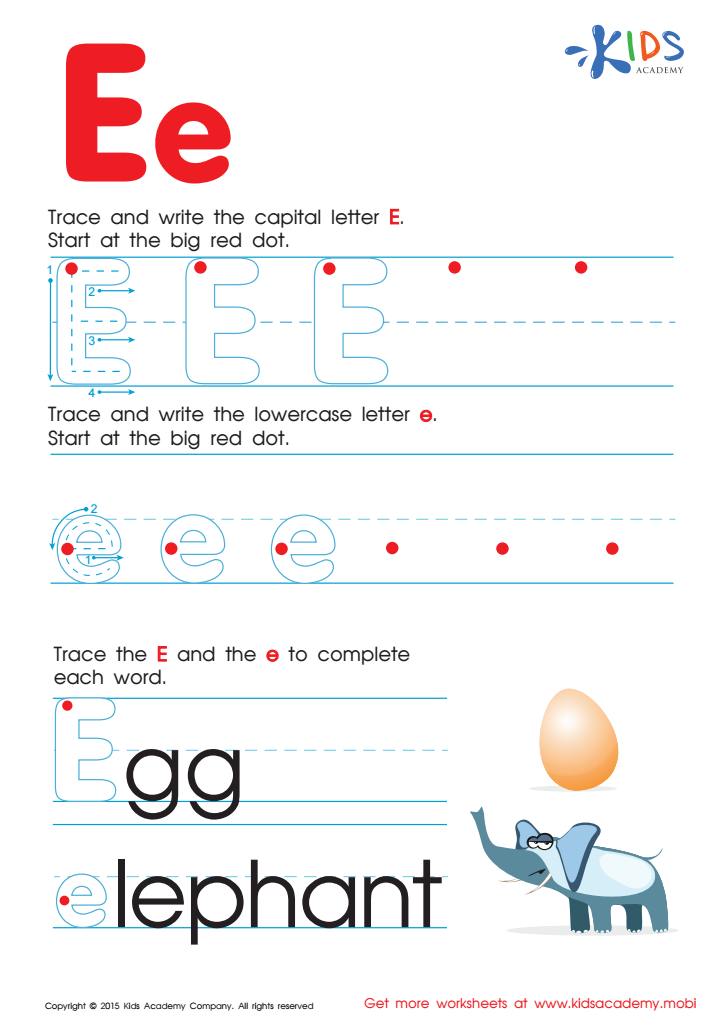
Letter E Tracing Page
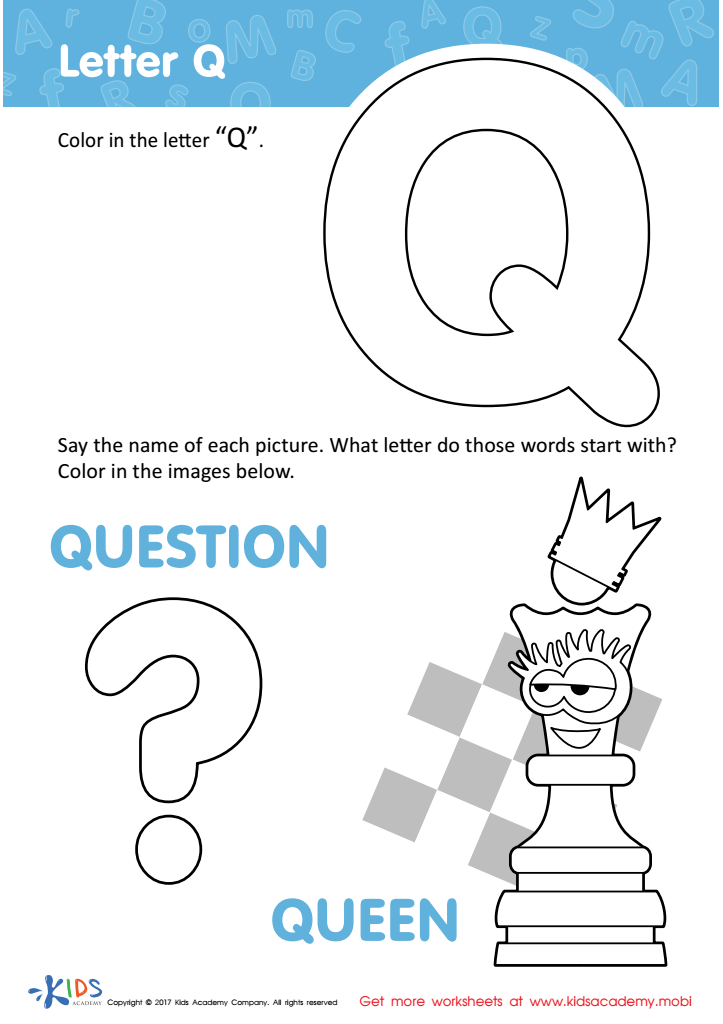
Letter Q Coloring Sheet
 Assign to My Students
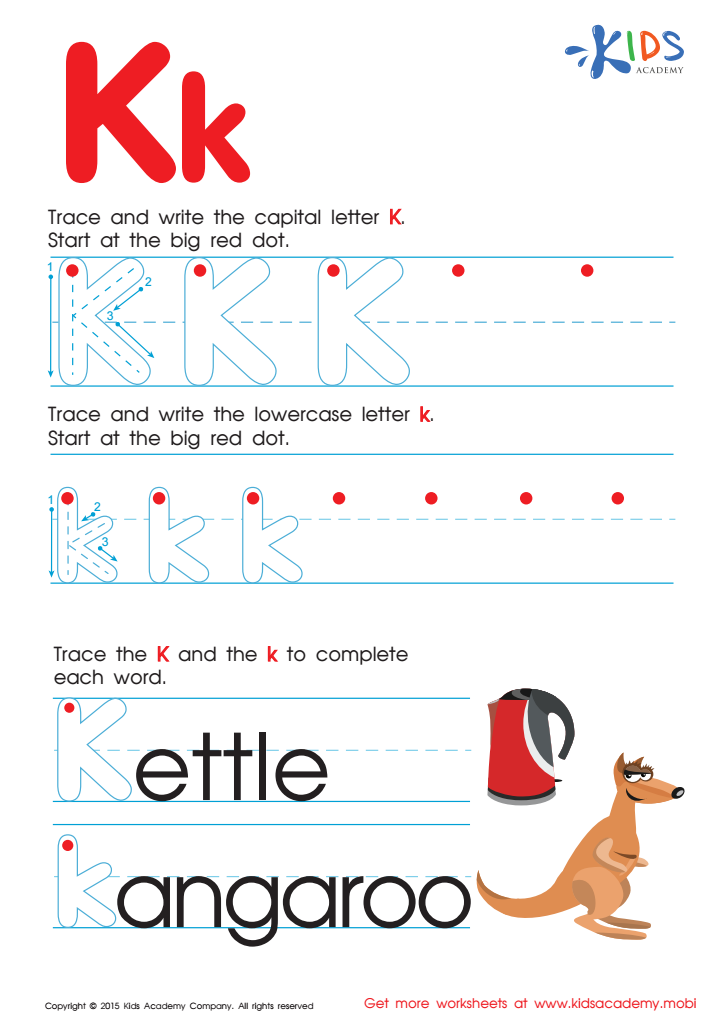
Letter K Tracing Page
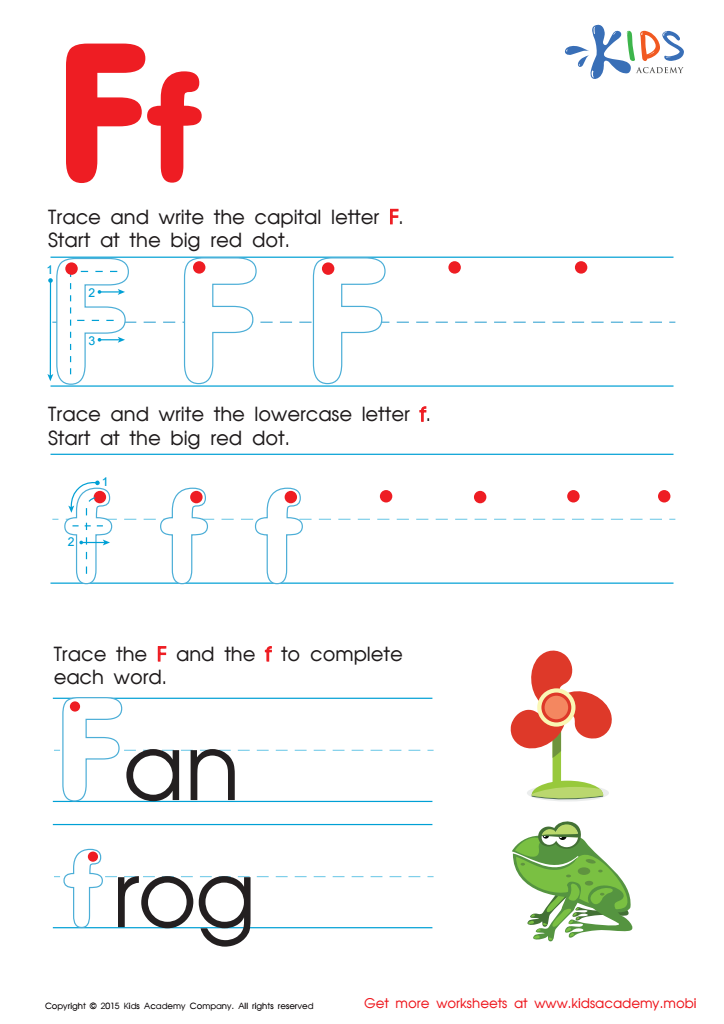
Letter F Tracing Page
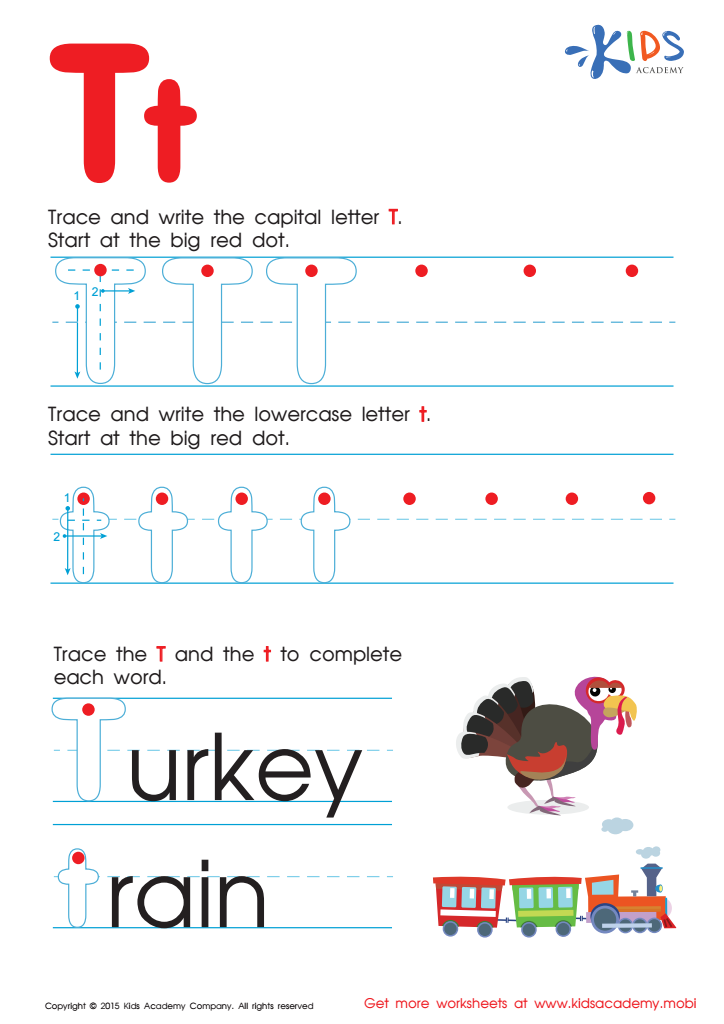
Letter T Tracing Page





Handwriting skills are crucial for children aged 3-8 as they lay the foundation for effective communication, cognitive development, and motor skills. For young learners, the ability to form letters and words contributes to their literacy journey, enabling them to express thoughts and feelings. As children practice writing, they enhance their fine motor skills, which are essential for various daily tasks beyond writing, such as using scissors and tying shoelaces.
From a developmental perspective, handwriting engages children's cognitive processes—transforming thoughts into symbols and aiding memory retention. Moreover, learning to write establishes discipline and focus, fostering a sense of accomplishment and boosting self-esteem when children see their progress.
Teachers and parents play an instrumental role in nurturing these skills. By providing guidance, encouragement, and structured activities like tracing and repetitive writing exercises, they can ensure that children develop proper writing techniques. Additionally, strong handwriting eventually aids academic performance; students with neat, legible writing often receive higher marks in assessments.
Ultimately, prioritizing handwriting skills in early education empowers children to become effective communicators and sets the stage for lifelong learning, making it vital for teachers and parents to invest time and resources in nurturing these essential abilities.