Alphabet Learning Worksheets for Ages 3-8
7 filtered results
-
From - To
Discover a fun and engaging way for children aged 3-8 to master the alphabet with our versatile Alphabet Learning Worksheets! Designed to foster early literacy skills, these printable resources include a variety of activities such as tracing letters, matching words, and identifying letter sounds. Each worksheet promotes handwriting practice while enhancing recognition and phonemic awareness through colorful illustrations and interactive tasks. Ideal for parents and educators alike, our worksheets support different learning styles and make alphabet learning enjoyable. Whether for classroom use or at-home practice, these engaging resources set the foundation for reading success! Start exploring the joy of letters today!
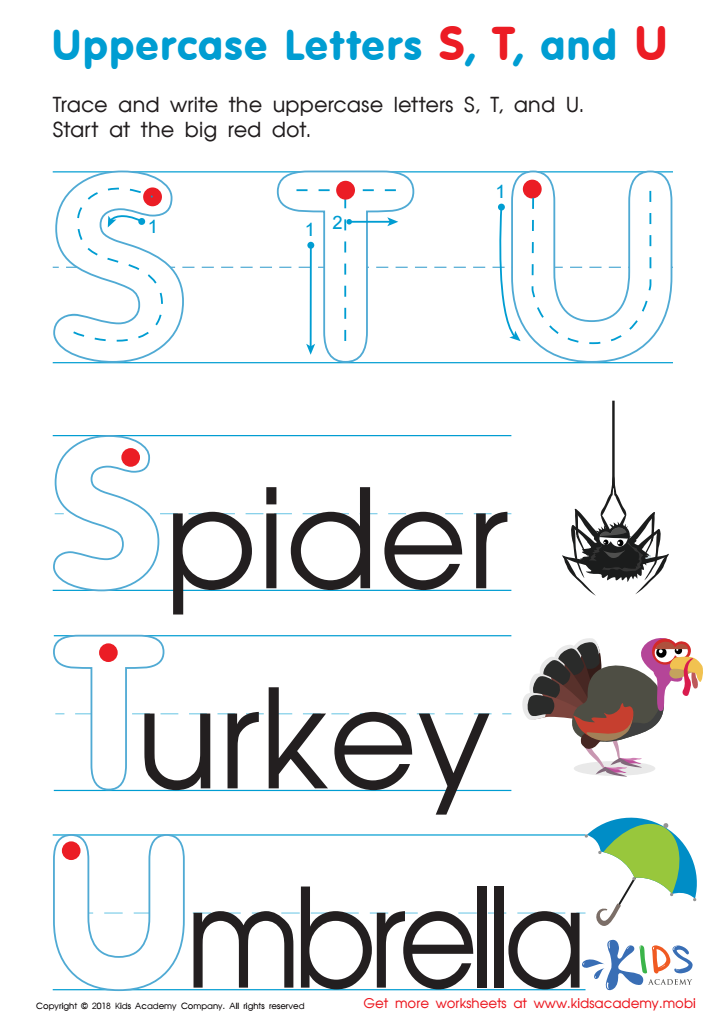
Uppercase Letters S, T, and U Worksheet
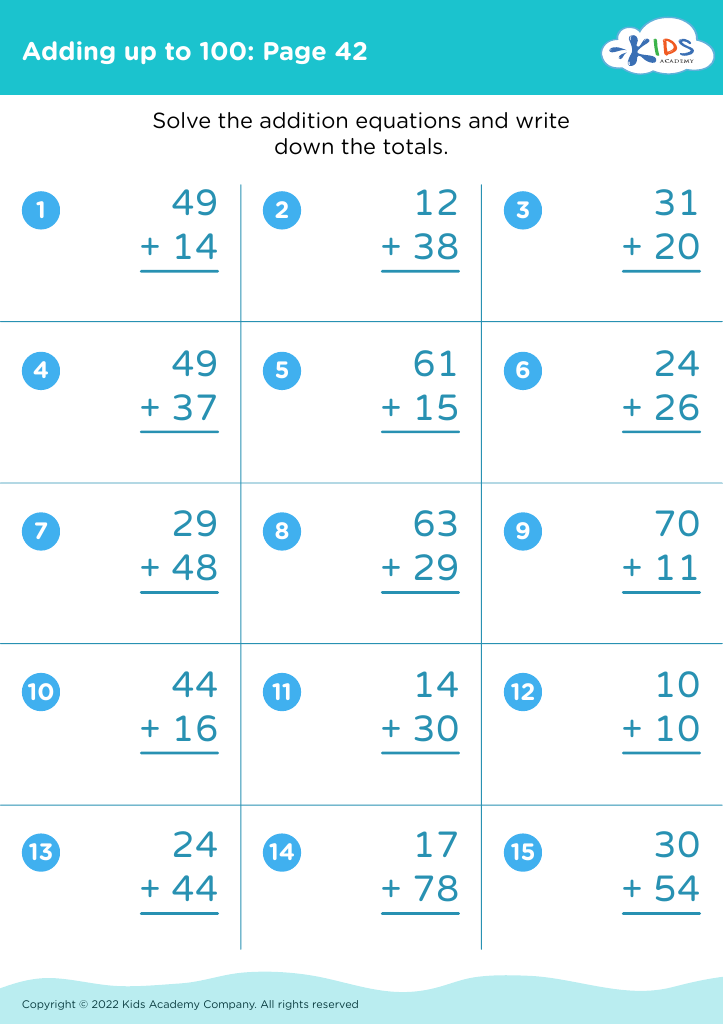
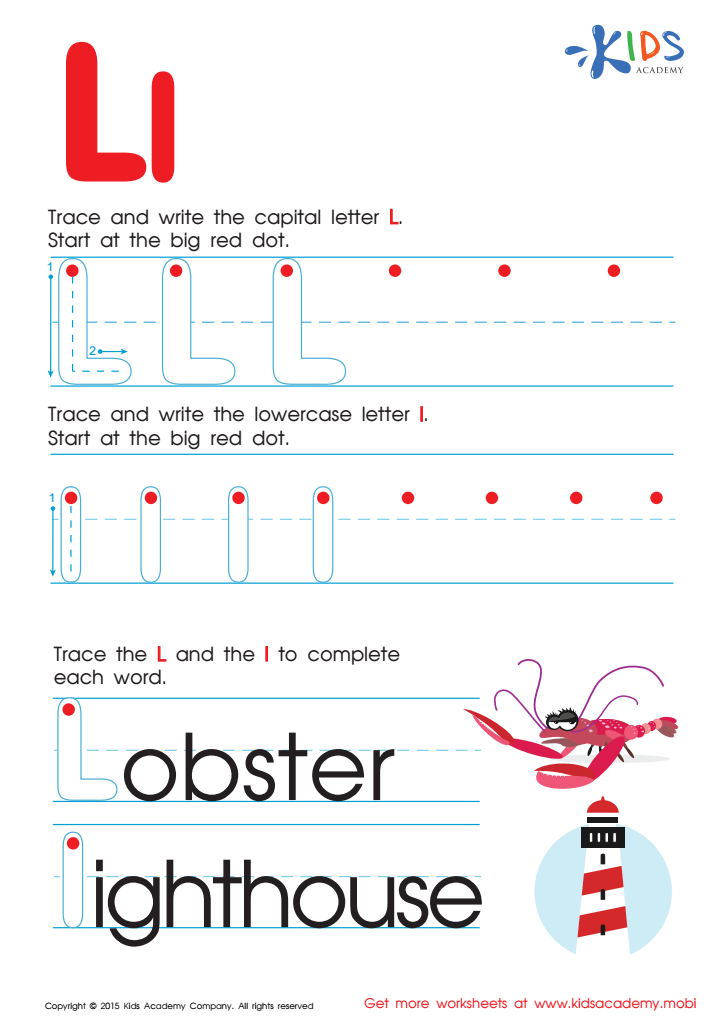
Letter L Tracing Page
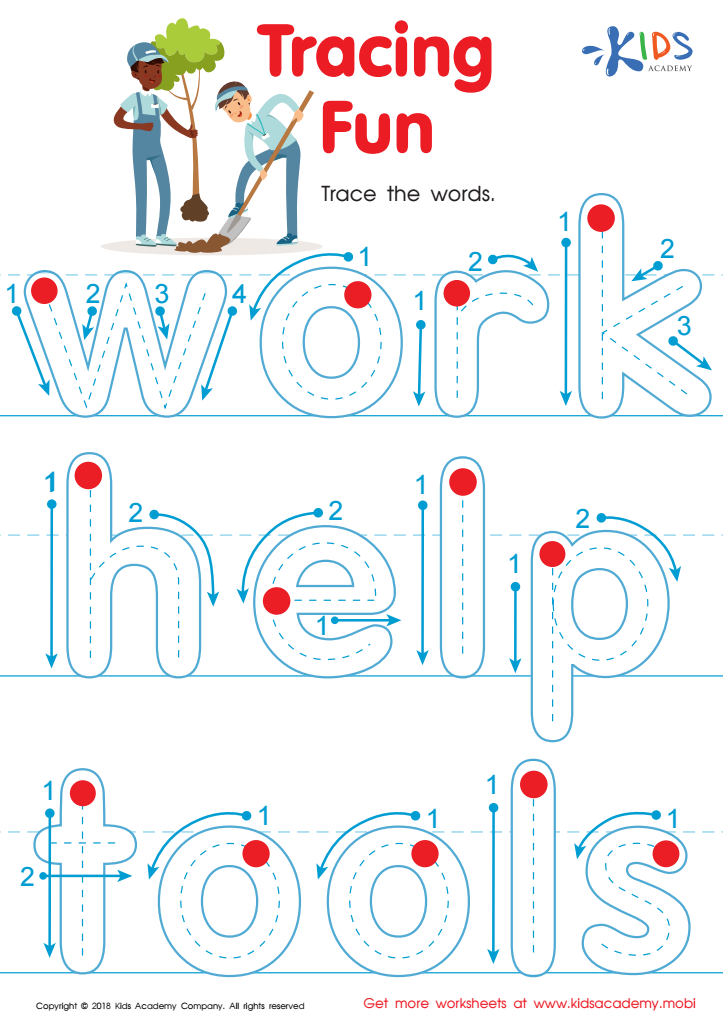
Tracing Fun Worksheet
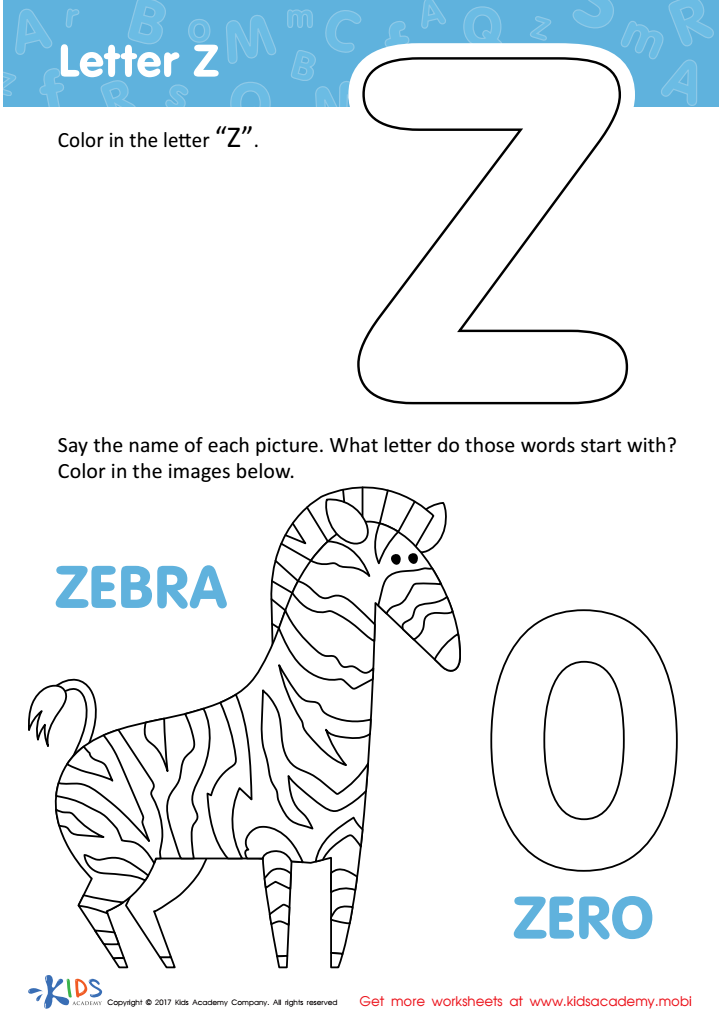
Letter Z Coloring Sheet
 Assign to My Students
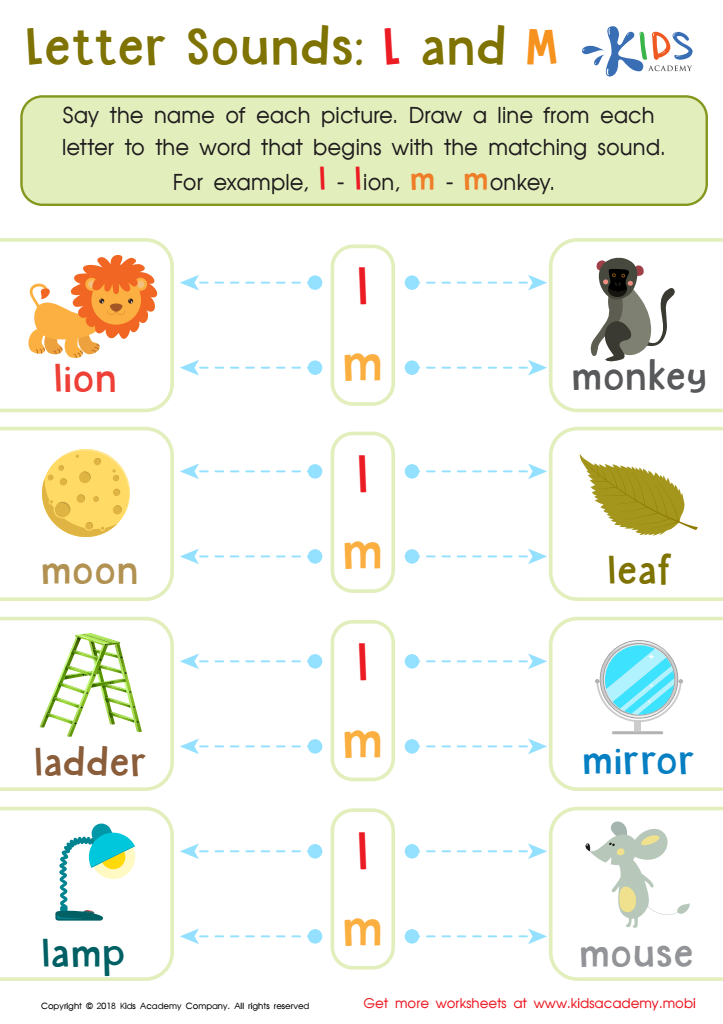
Letter l and M Sounds Worksheet

Letter F Tracing Page





.jpg)

Alphabet learning is fundamental for children aged 3-8 as it lays the groundwork for early literacy skills. During these formative years, children's brains are remarkably receptive, making it the ideal time to introduce the alphabet. Mastery of letter recognition, sounds, and formation helps children develop phonemic awareness, a critical building block for reading and writing.
When parents and teachers prioritize alphabet learning, they enhance children’s vocabulary and comprehension skills. Recognizing letters also aids in fostering fine motor skills through activities such as writing and coloring, which simultaneously boosts hand-eye coordination.
Moreover, early exposure to the alphabet can promote self-confidence and enthusiasm for learning. Children who are comfortable with letters and words are more likely to engage positively with reading, creating a cycle of motivation that encourages independent learning and exploration.
Parents and teachers should also consider that alphabet familiarity correlates with academic success in later years. Understanding language is crucial not only for literacy but also for their overall ability to communicate thoughts and feelings effectively. Thus, prioritizing alphabet learning during ages 3-8 is essential for holistic childhood development, ensuring that children are equipped with the tools they need to succeed in school and beyond.








