Alphabet Recognition Worksheets for Ages 3-8
79 filtered results
-
From - To
Boost early literacy skills with our Alphabet Recognition Worksheets designed for ages 3-8! Ideal for preschool to early elementary students, these printable worksheets make learning letters fun and engaging. Each worksheet offers colorful illustrations and interactive activities to help young learners identify and practice uppercase and lowercase letters. From tracing and matching to identifying beginning sounds, our resources promote fine motor skills and phonemic awareness. Created by educational experts, these worksheets align with early learning standards and are perfect for use at home or in the classroom. Encourage a love for reading with these essential alphabet resources!
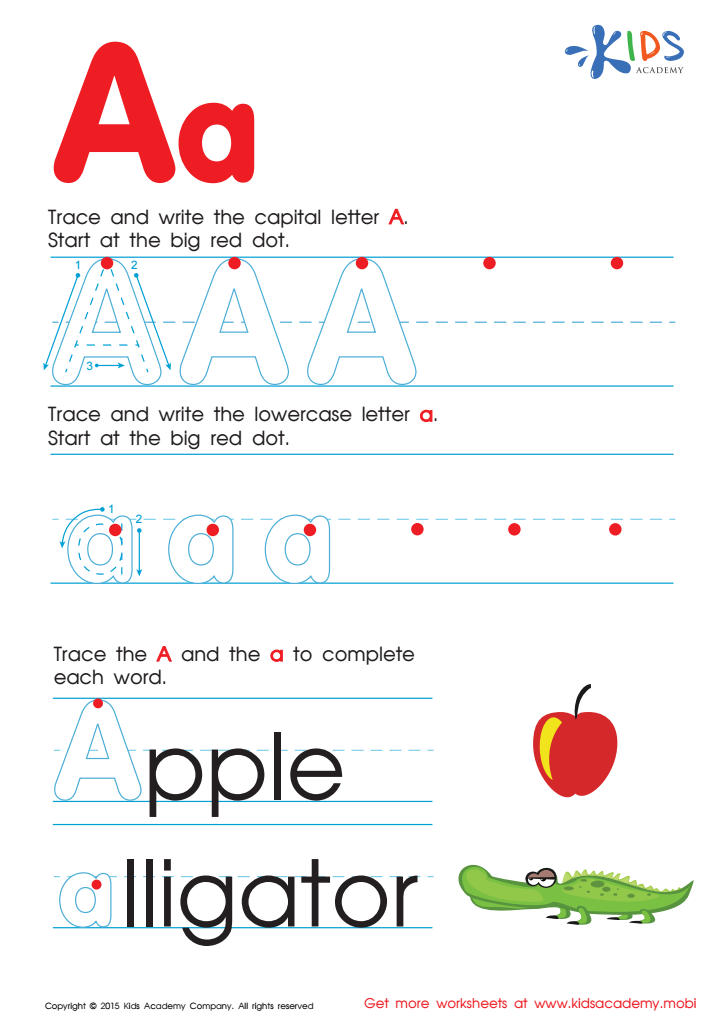
Letter A Tracing Page
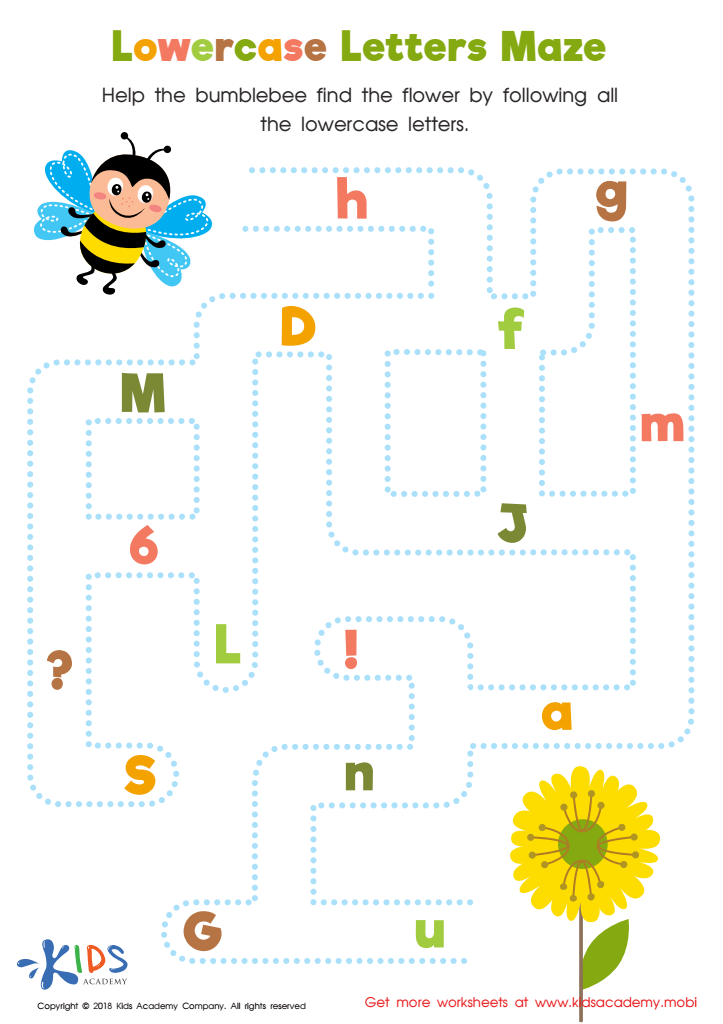
Lowercase Letters Maze Worksheet
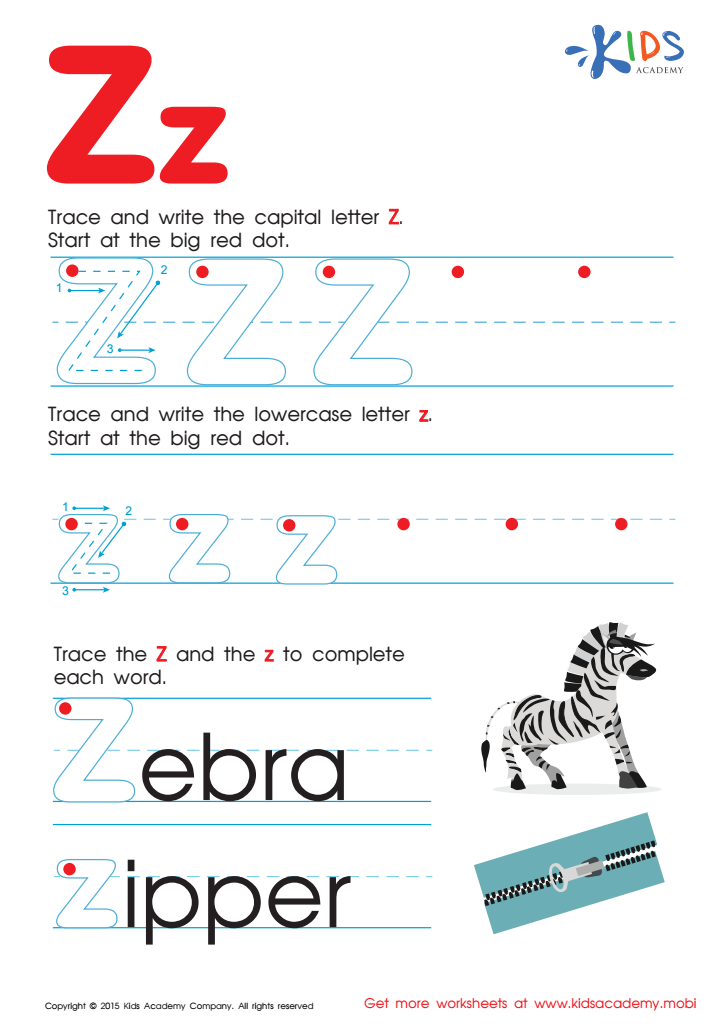
Letter Z Tracing Page
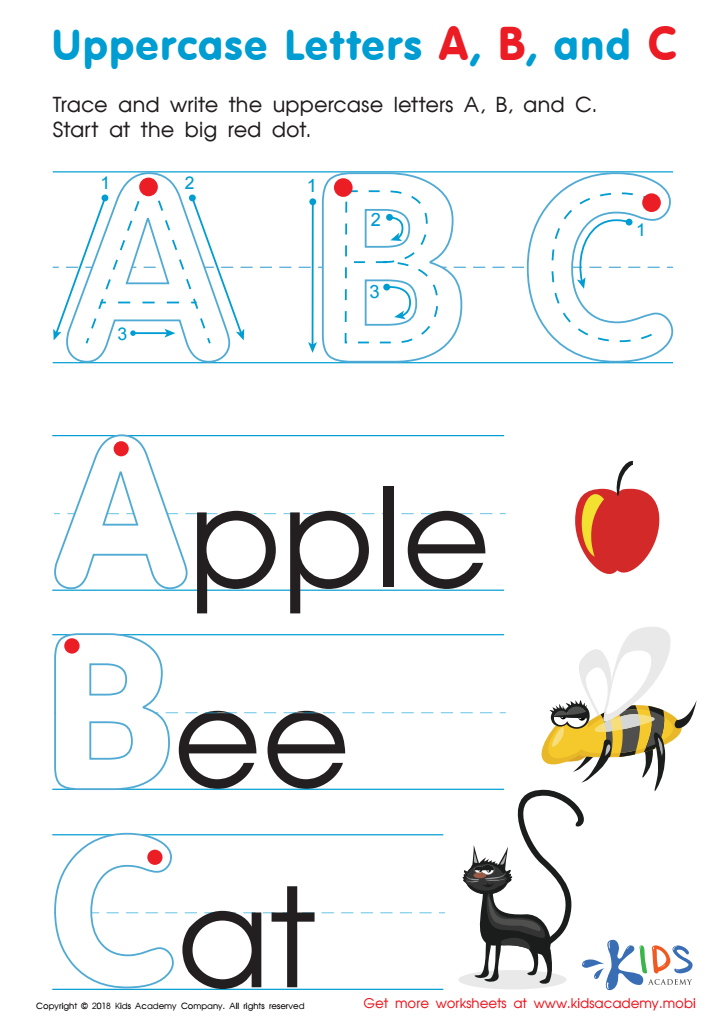
Uppercase Letters A, B, and C Worksheet
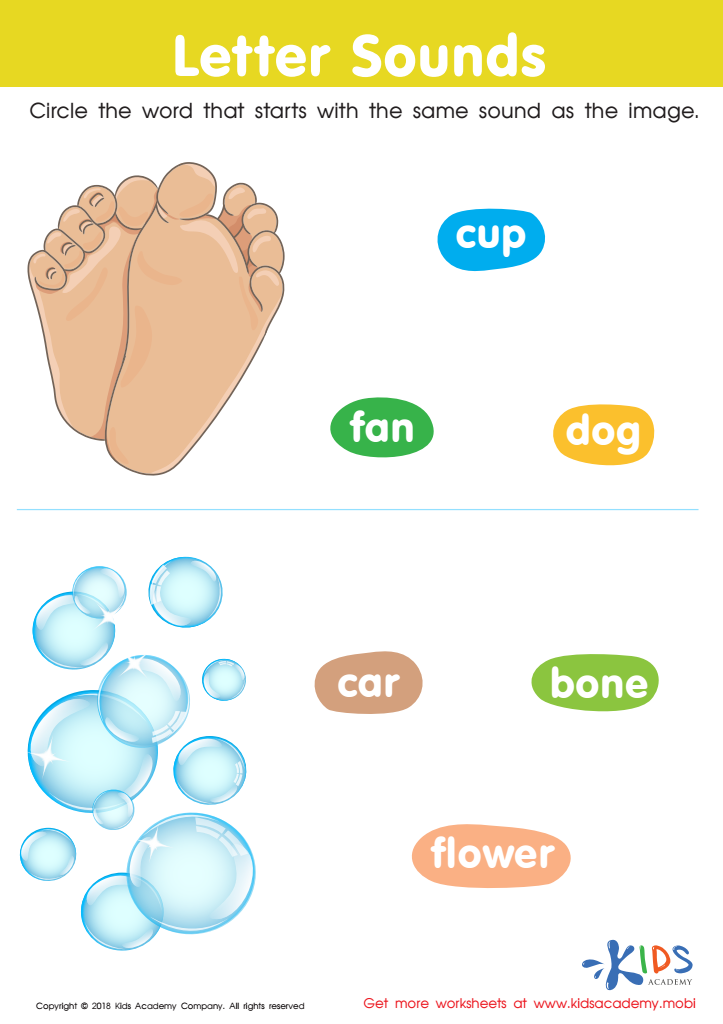
letter sounds Worksheet
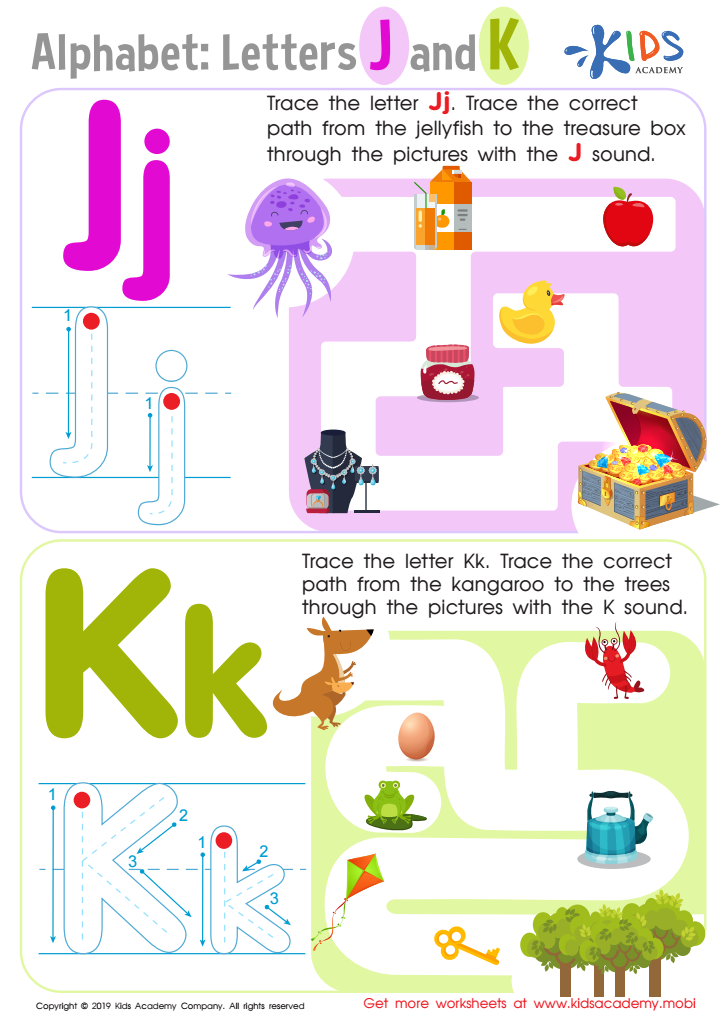
Letters J and K Tracing Worksheet
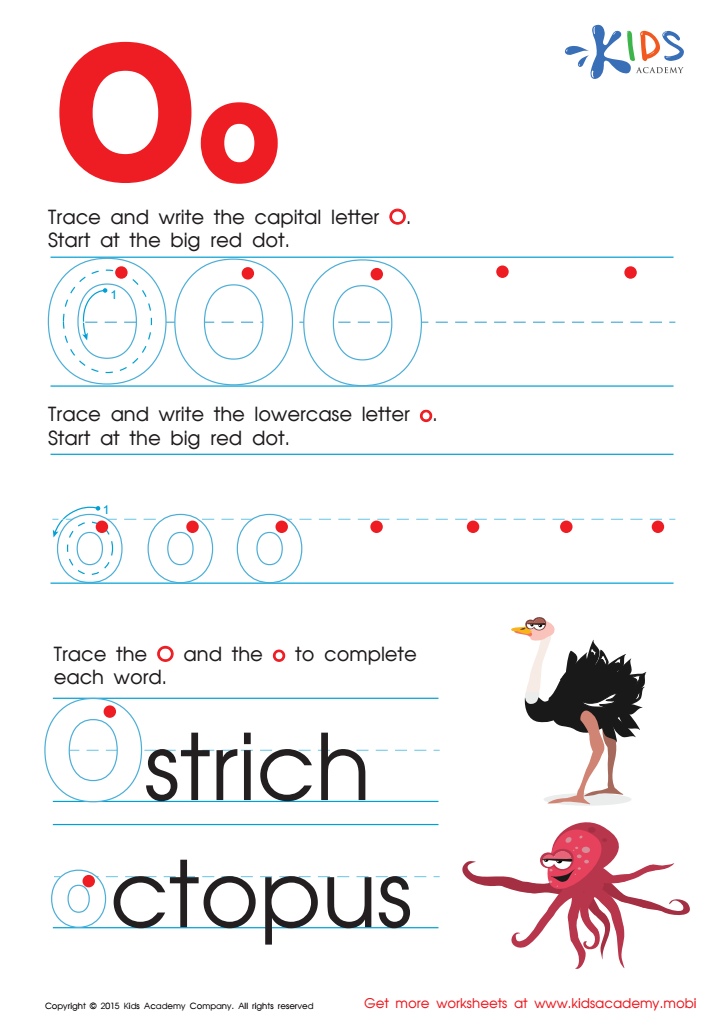
Letter O Tracing Page
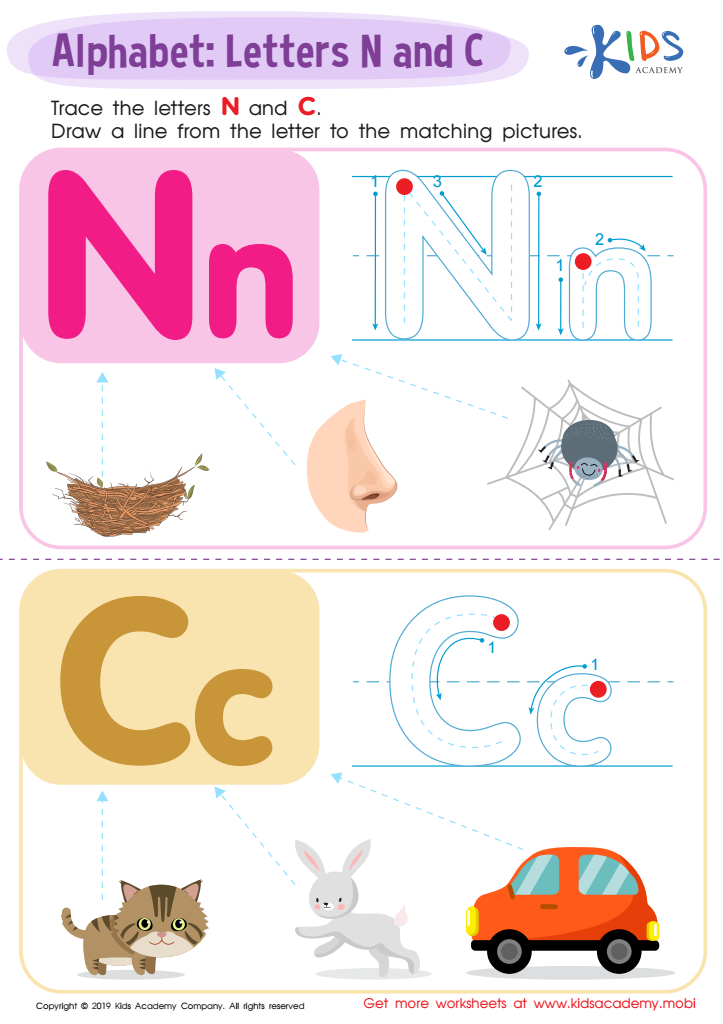
Letter N and C Tracing Worksheet
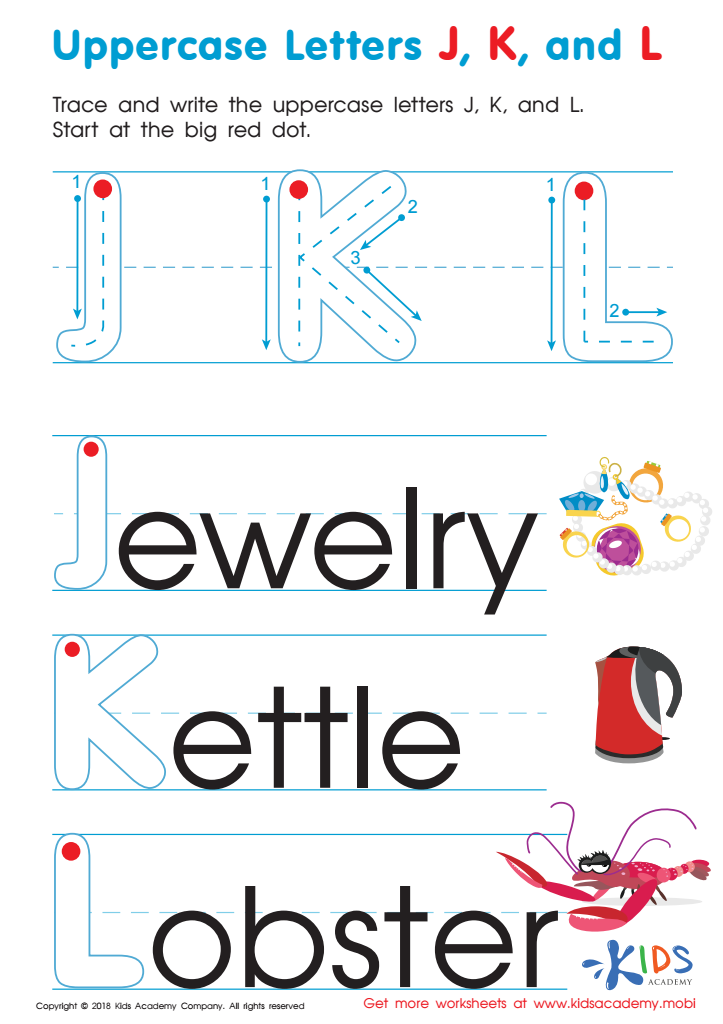
Uppercase Letters J, K, and L Worksheet
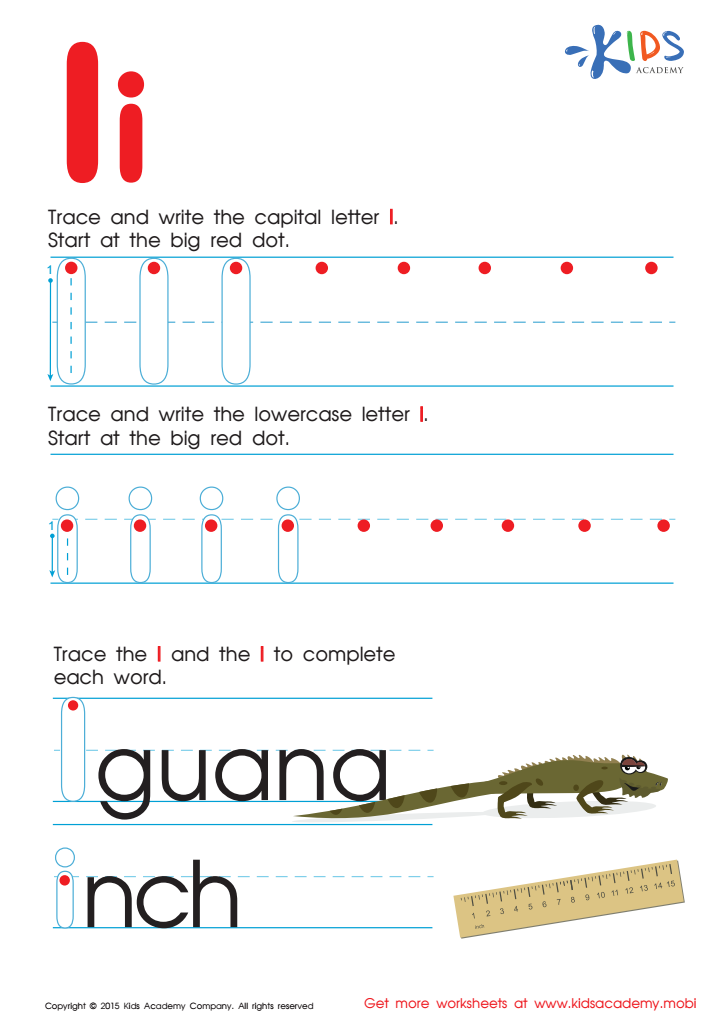
Letter I Tracing Page
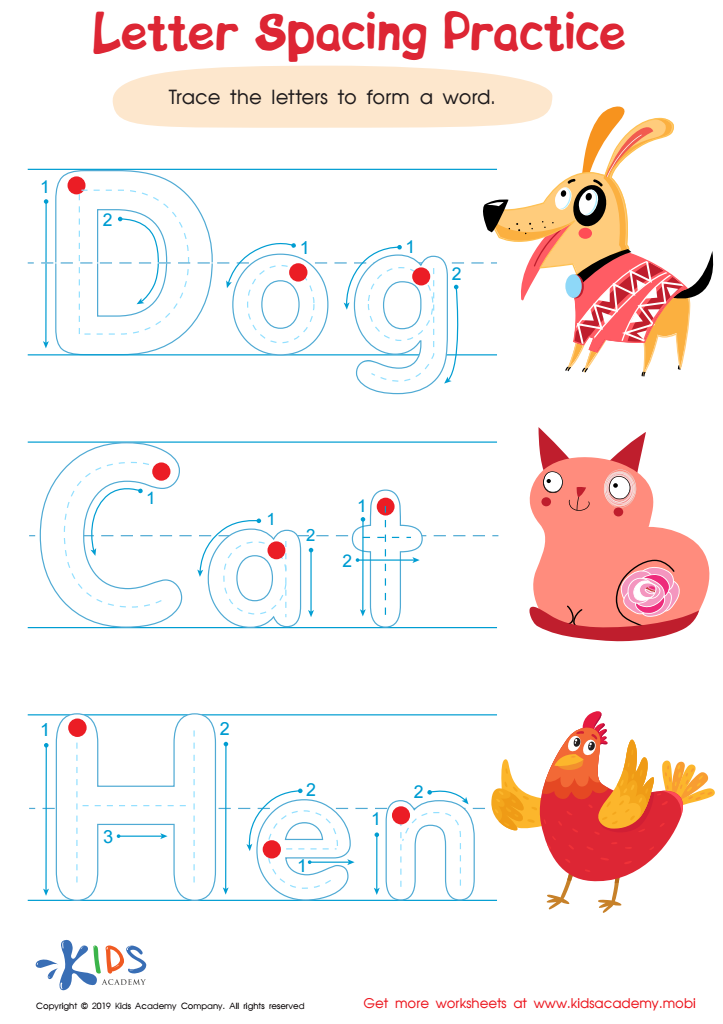
Letter Spacing Practice Worksheet
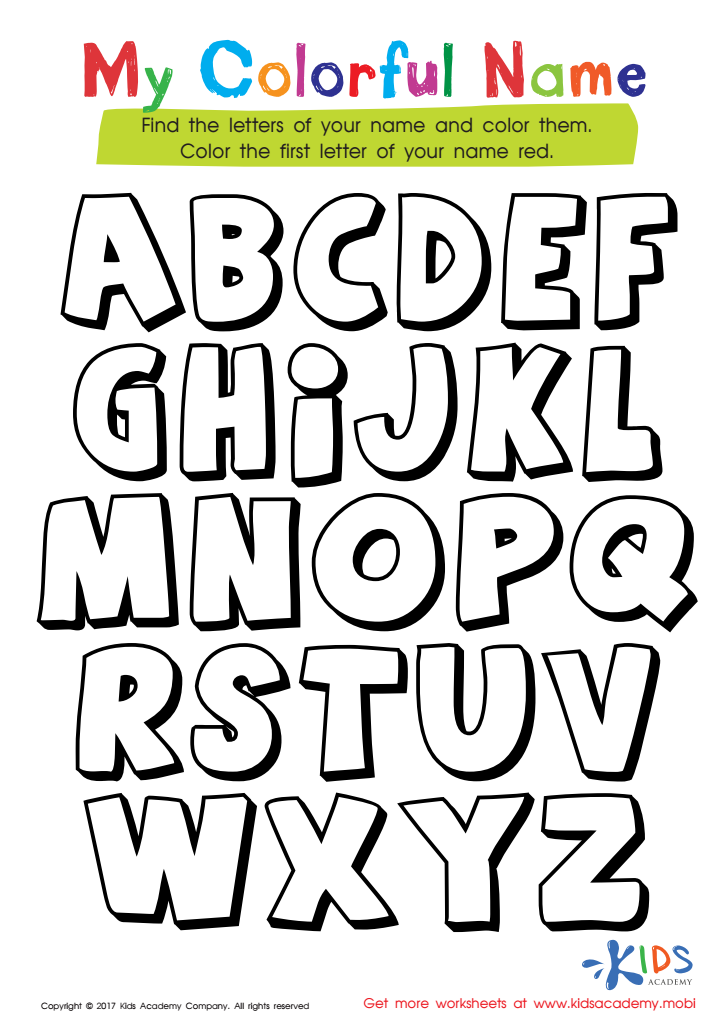
My Colorful Name Worksheet
 Assign to My Students
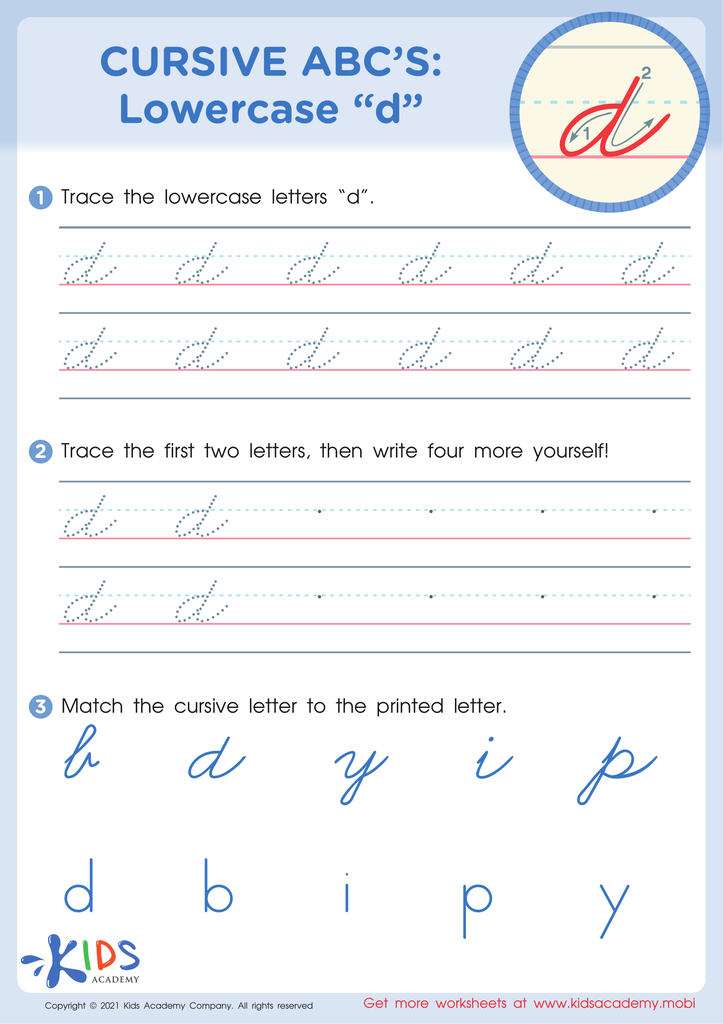
Cursive ABCs: Lowercase d
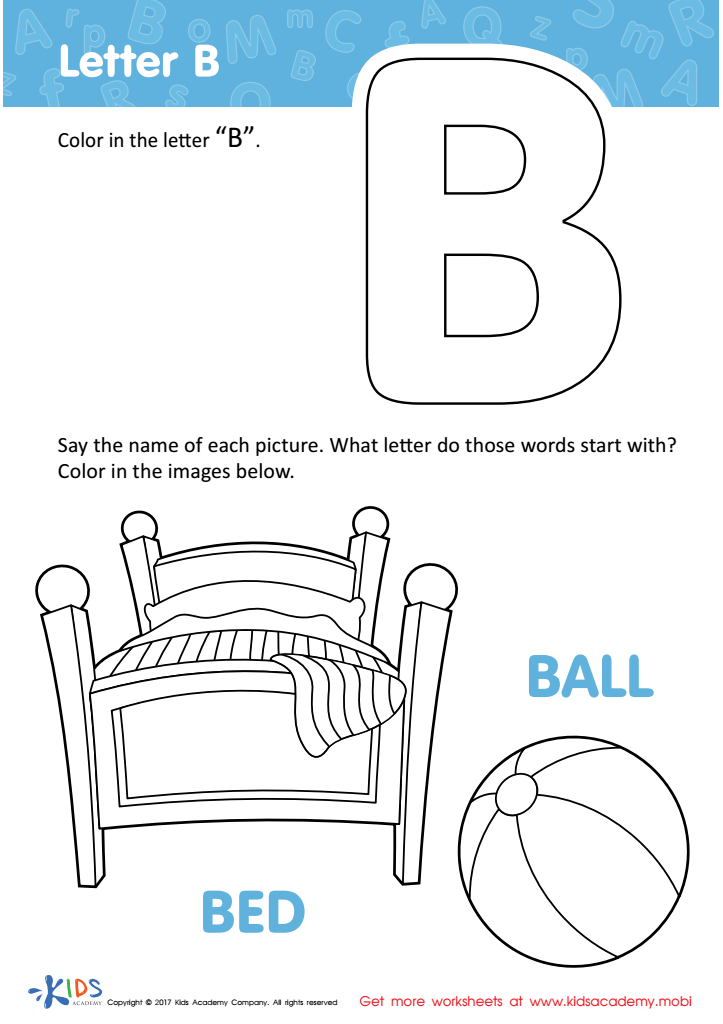
Letter B Coloring Sheet
Assign to My Students
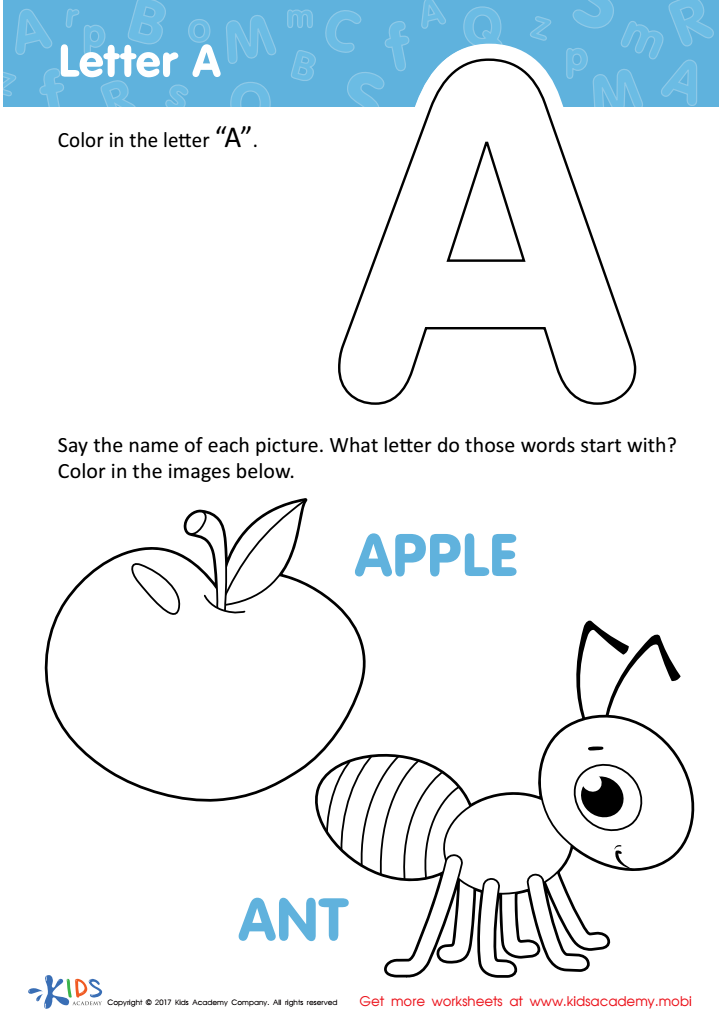
Letter A Coloring Sheet
Assign to My Students
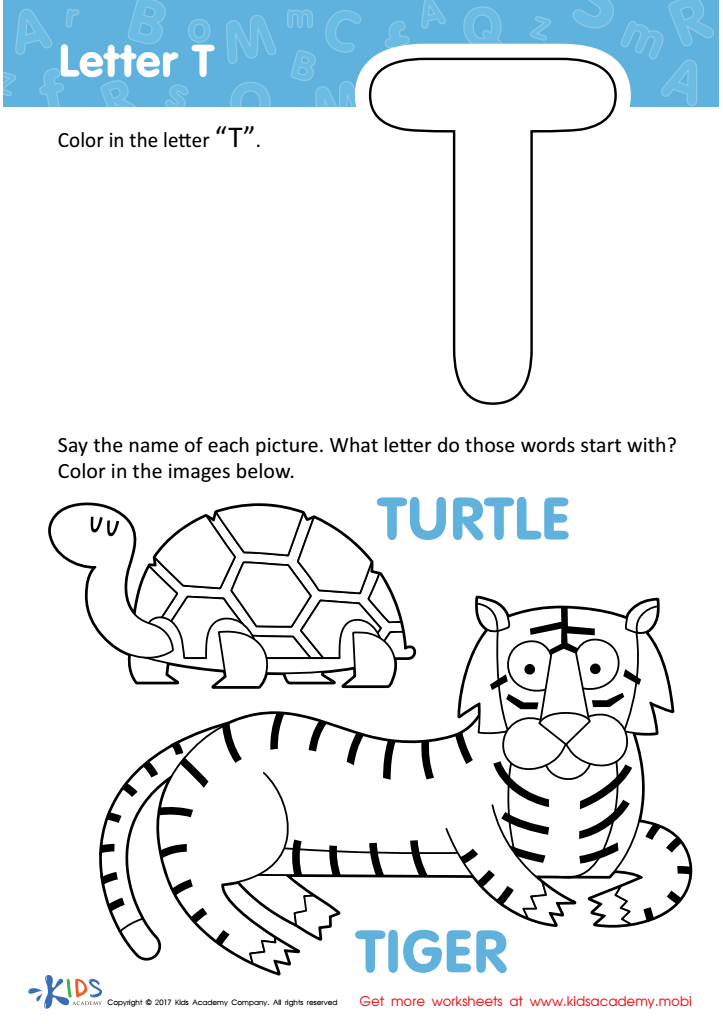
Letter T Coloring Sheet
Assign to My Students
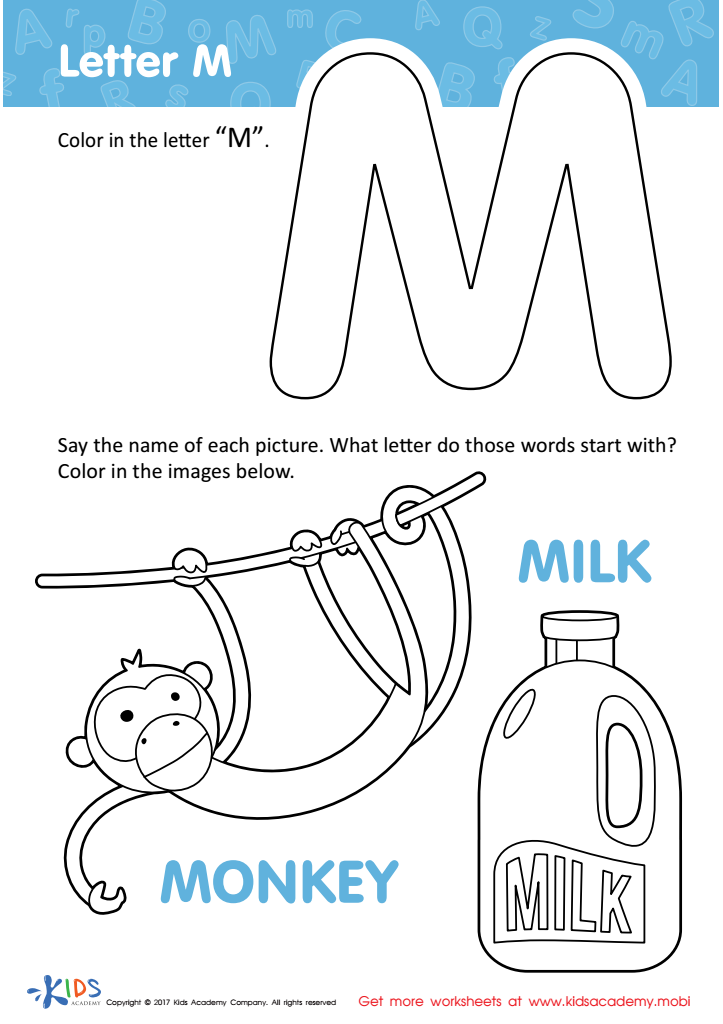
Letter M Coloring Sheet
Assign to My Students
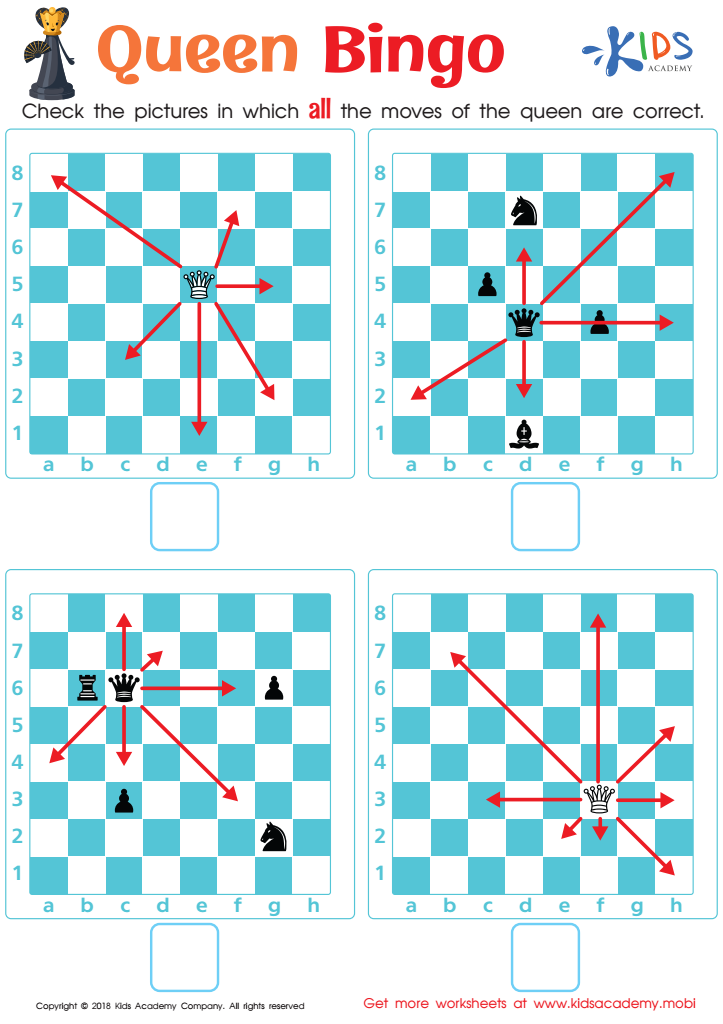
Queen Bingo Worksheet
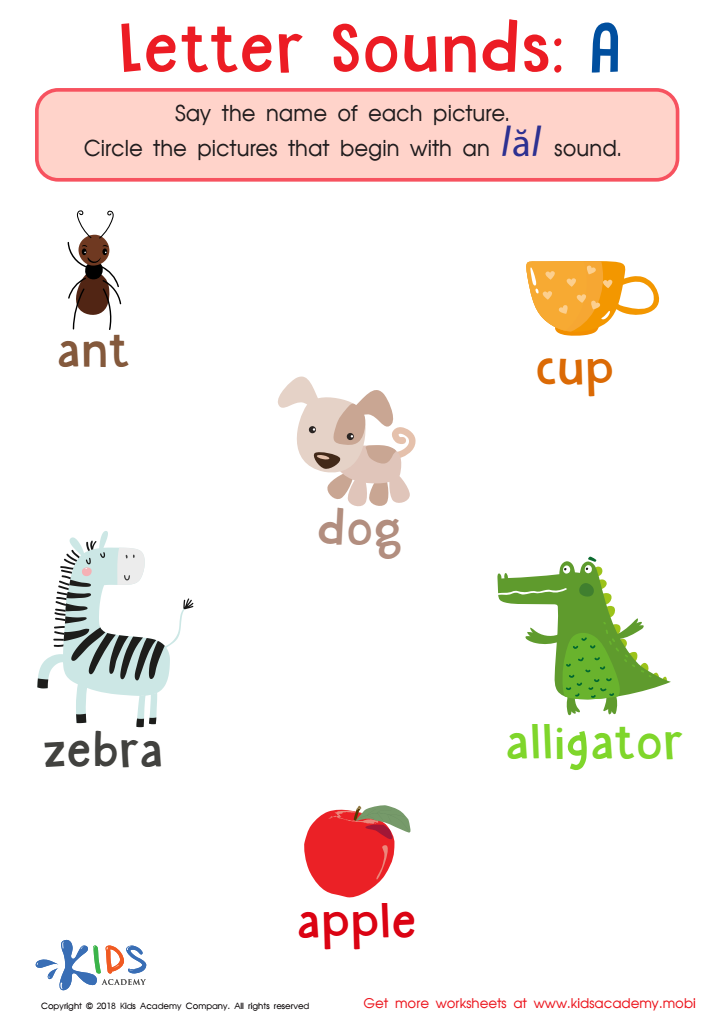
Letter A Sounds Worksheet
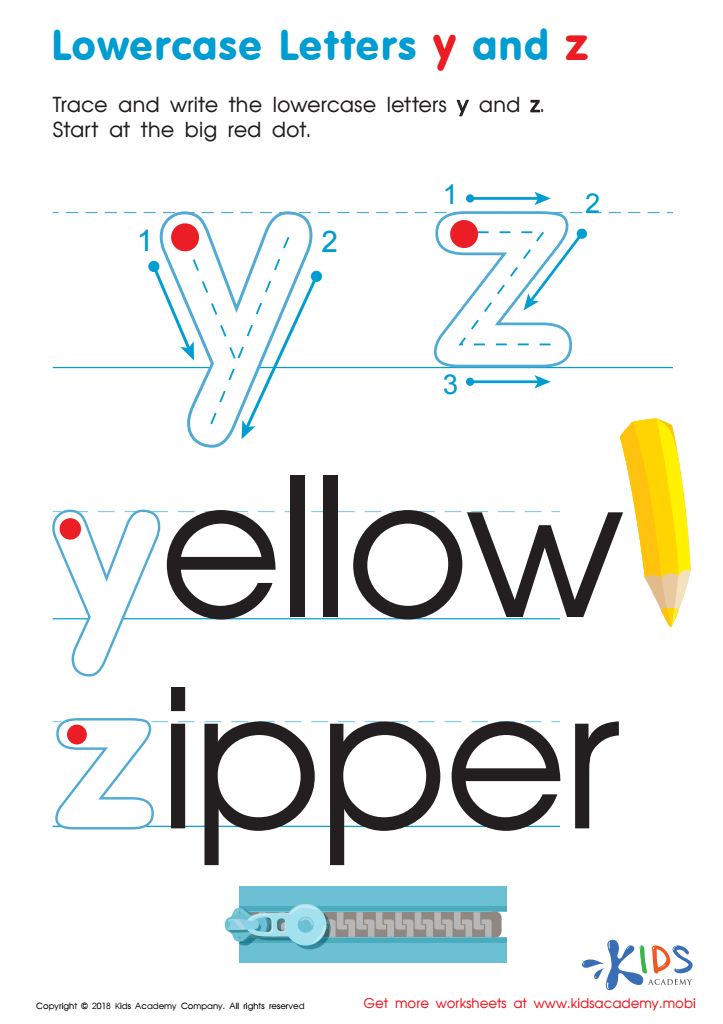
Lowercase Letters y z Worksheet
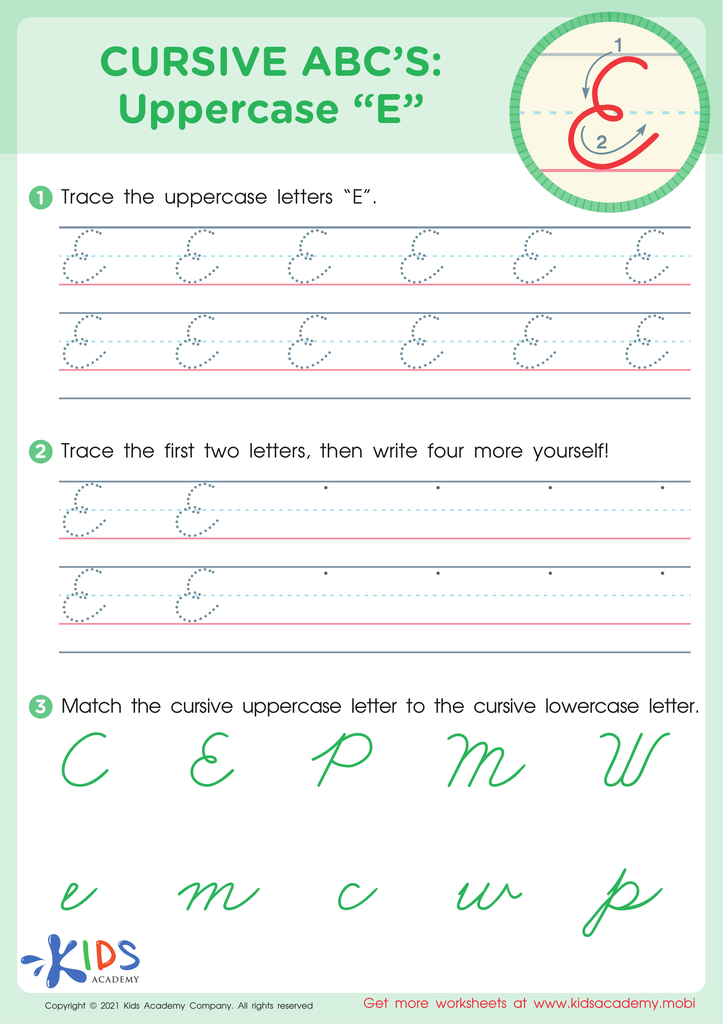
Cursive ABCs: Uppercase E








Alphabet recognition is a crucial stepping stone for children aged 3-8 as it forms the foundation of their literacy development. Recognizing letters and associating them with their corresponding sounds is essential for learning to read and write. Early alphabet recognition fosters phonemic awareness, which is the understanding that words are made up of individual sounds, and this awareness is vital for decoding new words when reading.
Parents and teachers should prioritize alphabet recognition because it boosts children's confidence and motivation to learn. When children can identify letters and their sounds, they feel more capable and eager to explore books and other written materials. This enthusiasm further promotes a love for reading, which is critical for academic success and lifelong learning.
Moreover, early alphabet recognition supports vocabulary growth. As children grasp the building blocks of language, they can better understand and acquire new words, enhancing their communication skills. It also aids in developing fine motor skills necessary for writing, as children practice forming letters and making connections between print and spoken language.
Ultimately, nurturing alphabet recognition in early childhood sets a solid groundwork for educational achievement. Recognizing this importance compels parents and teachers to integrate engaging and interactive methods to help children master the alphabet, paving the way for their future linguistic and cognitive development.








