Applying math skills Worksheets for Ages 3-8
3 filtered results
-
From - To
Discover an engaging collection of applying math skills worksheets designed specifically for children aged 3-8. These interactive and fun activities encourage young learners to practice essential math concepts, such as counting, addition, subtraction, and more. Each worksheet features colorful illustrations and age-appropriate challenges that promote critical thinking and problem-solving skills while enhancing numerical comprehension. Perfect for classroom use or at-home learning, our worksheets aim to make math enjoyable and accessible. Help your child build a strong foundation in mathematics with these thoughtfully crafted resources, ensuring they develop confidence and competence in their math abilities as they grow. Explore now!
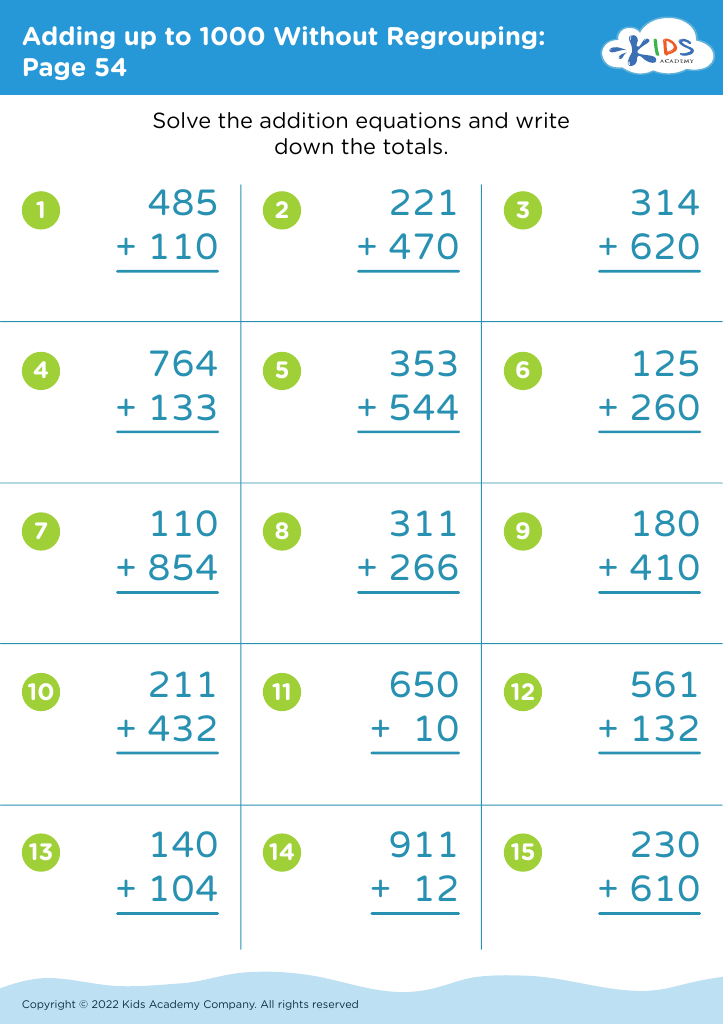
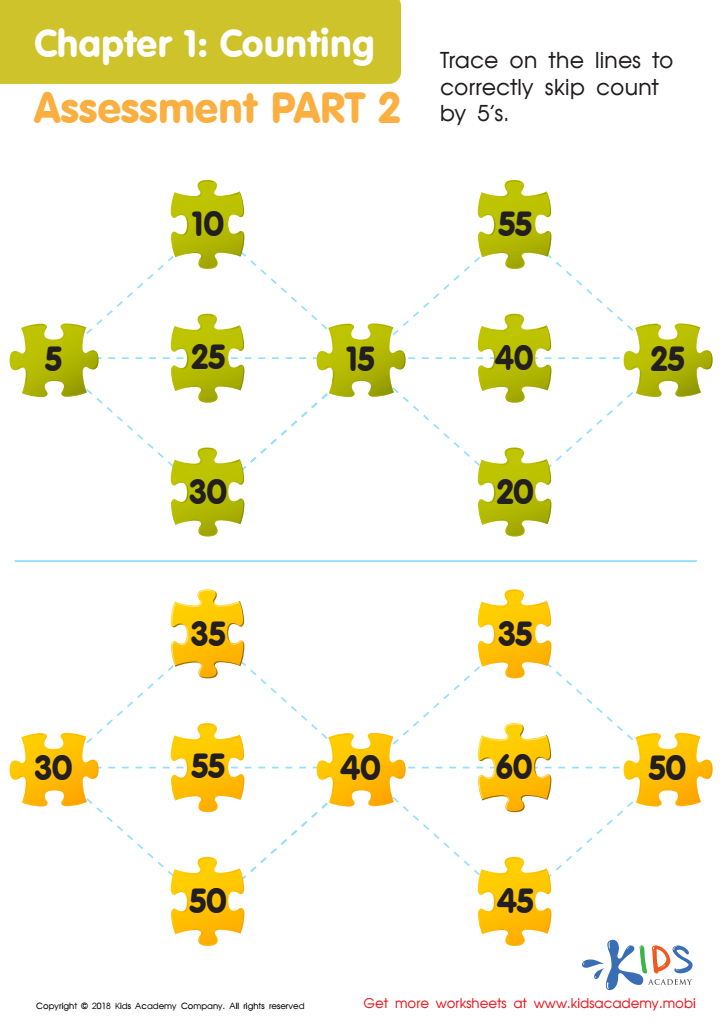
Counting: Assessment 2 Worksheet
 Assign to My Students
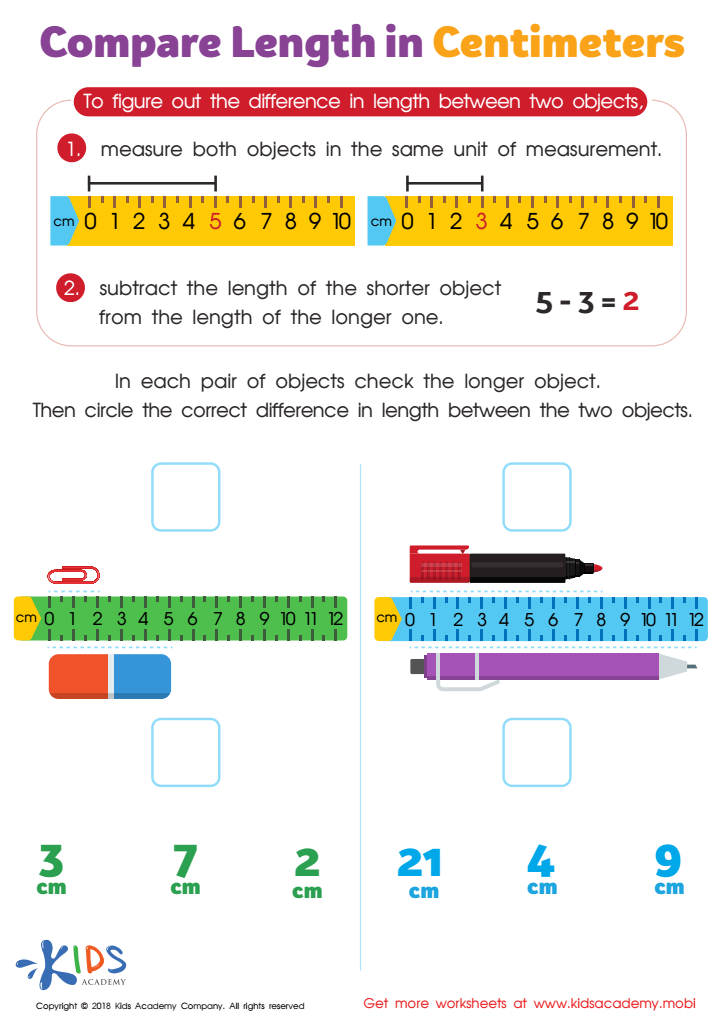
Compare Length in Centimeters Worksheet







Parents and teachers should prioritize applying math skills for children aged 3-8 because this foundational stage is crucial for cognitive development. At this age, children are naturally curious and eager to learn, making it an excellent opportunity to introduce essential math concepts through engaging activities. Applying math skills enhances critical thinking and problem-solving abilities, helping children understand the world around them.
Incorporating math into everyday activities, such as cooking, shopping, or playing games, makes learning relevant and fun. It encourages children to explore concepts like counting, patterns, and measurement in a practical context. Early exposure to math helps them develop numerical fluency, which is vital for later academic success, as many higher-level math topics build on these initial skills.
Moreover, fostering a positive attitude toward math during these formative years can help reduce anxiety or aversion to the subject as they progress into older grades. Supportive learning environments created by parents and teachers can instill confidence and enthusiasm for math, promoting lifelong skills. In summary, investing in math skill application for young children lays a strong foundation for their future learning and development, enhancing both academic performance and everyday life skills.








