Associative learning Worksheets for Ages 3-8
7 filtered results
-
From - To
Discover an engaging collection of associative learning worksheets designed specifically for children ages 3 to 8 on our site! These fun and interactive activities help young learners develop crucial cognitive skills by encouraging them to make connections between various concepts, objects, and images. Each worksheet is crafted to reinforce important learning milestones, fostering creativity and critical thinking. Perfect for classrooms or home schooling, our user-friendly resources make learning enjoyable and effective. Explore a variety of themes and topics, and watch your child thrive as they master associative learning in a playful, supportive environment! Start your learning journey today!
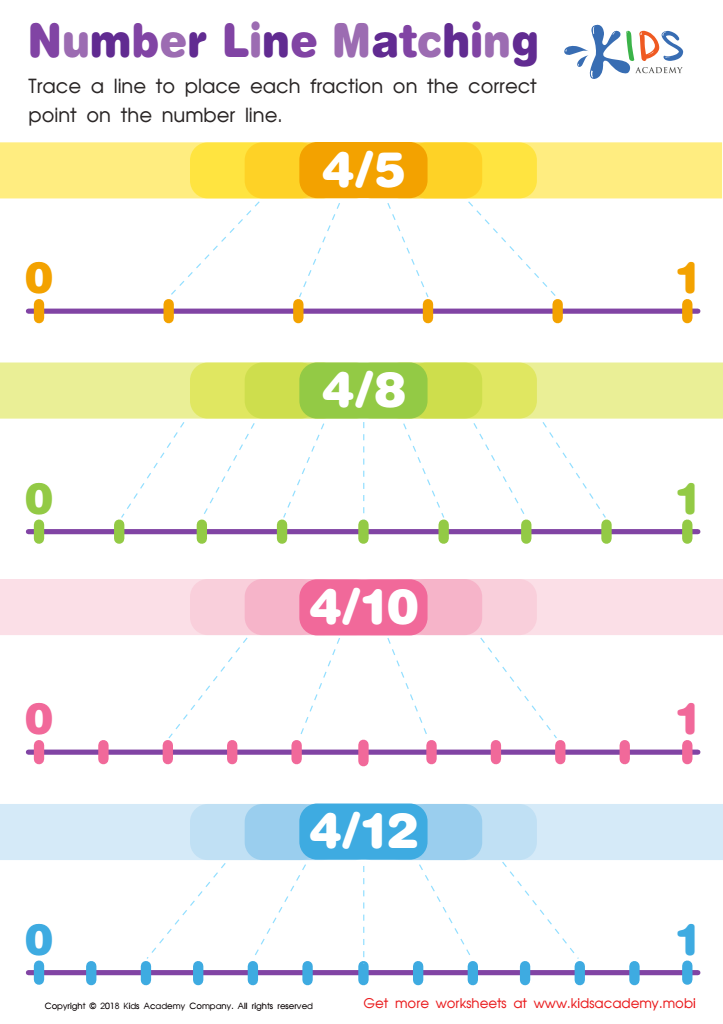
Number Line Matching Worksheet
 Assign to My Students
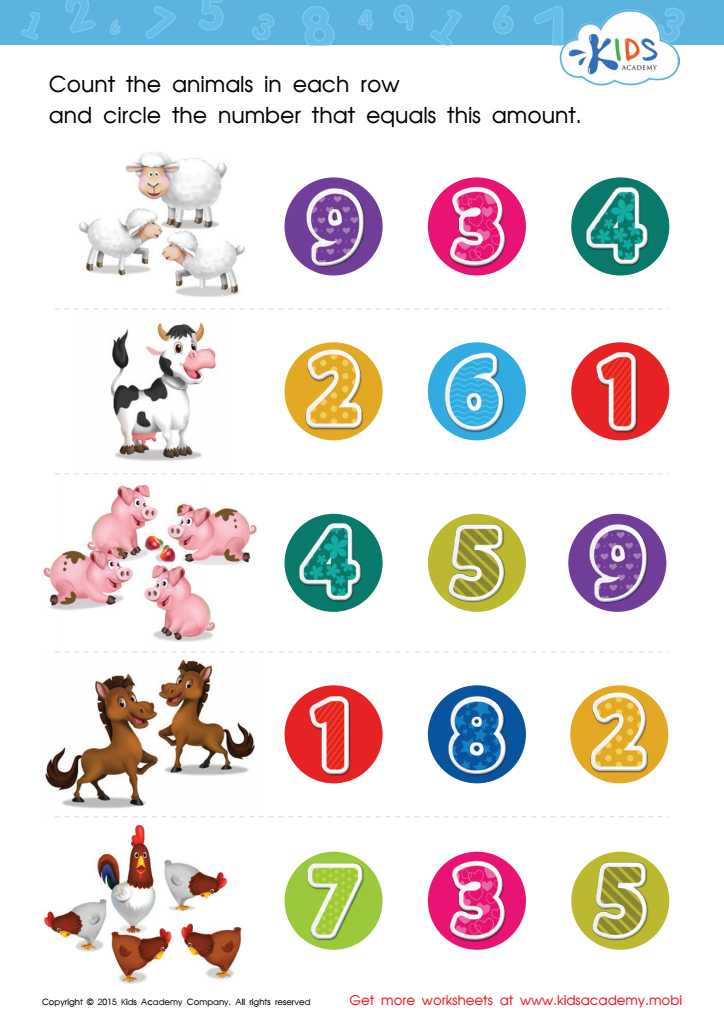
Count and Match 1 – 5 Math Worksheet
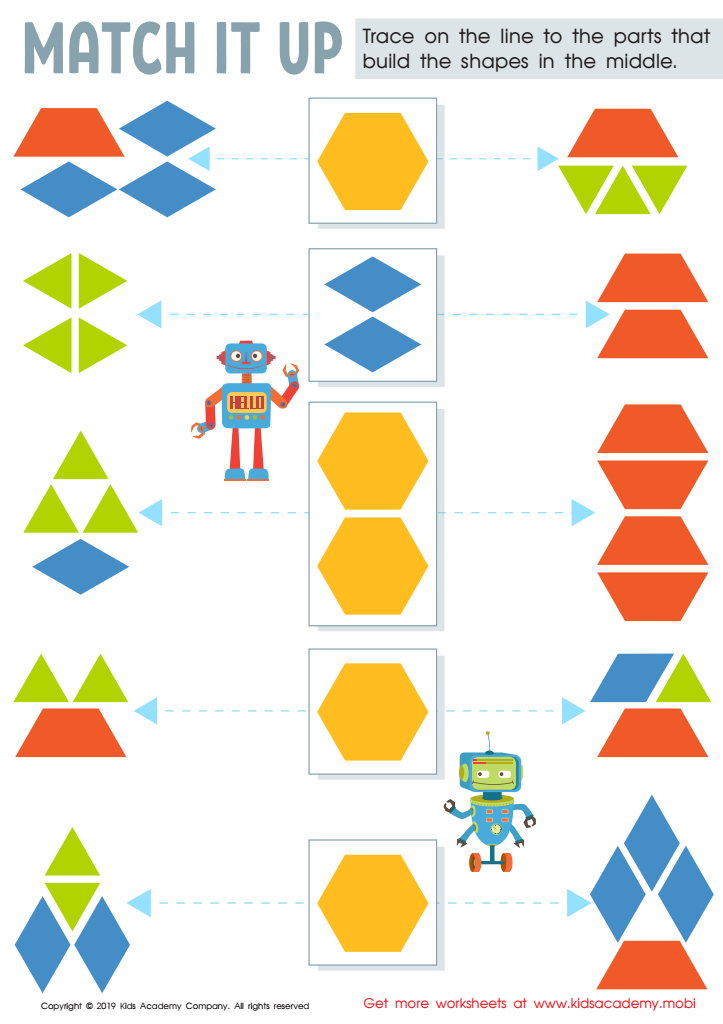
Match It up Worksheet
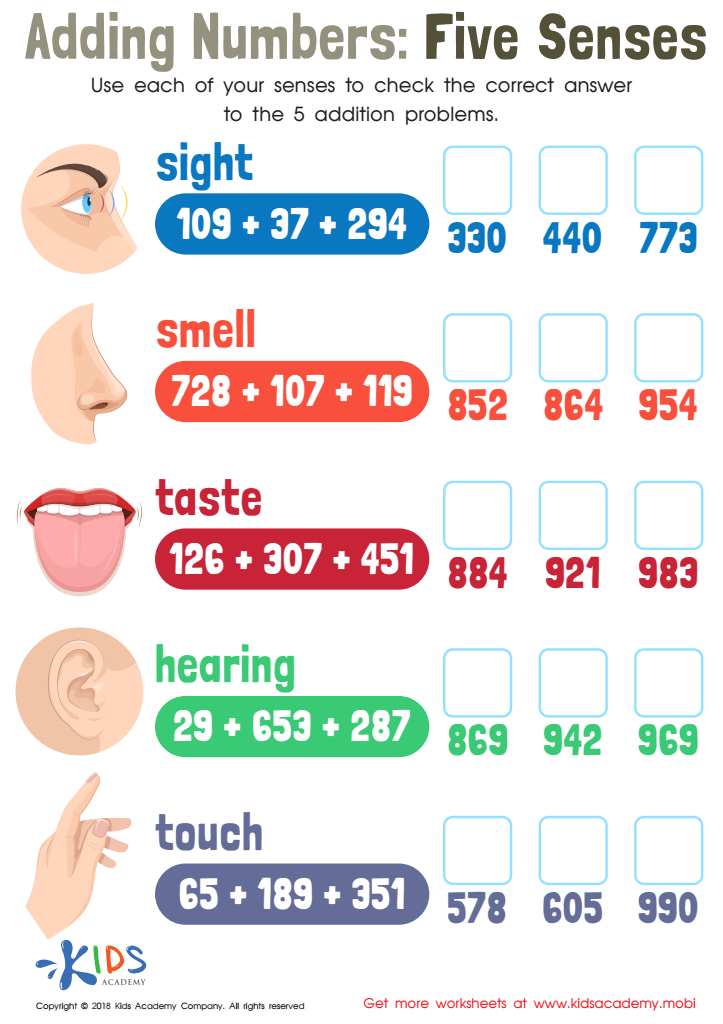
Adding Numbers: Five Senses Worksheet
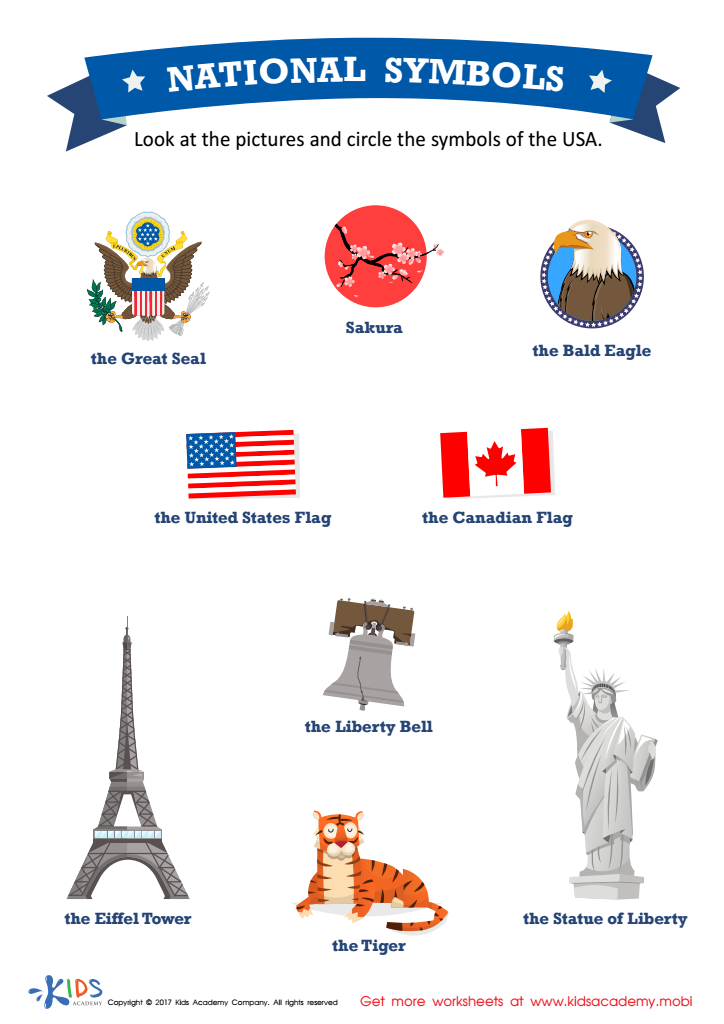
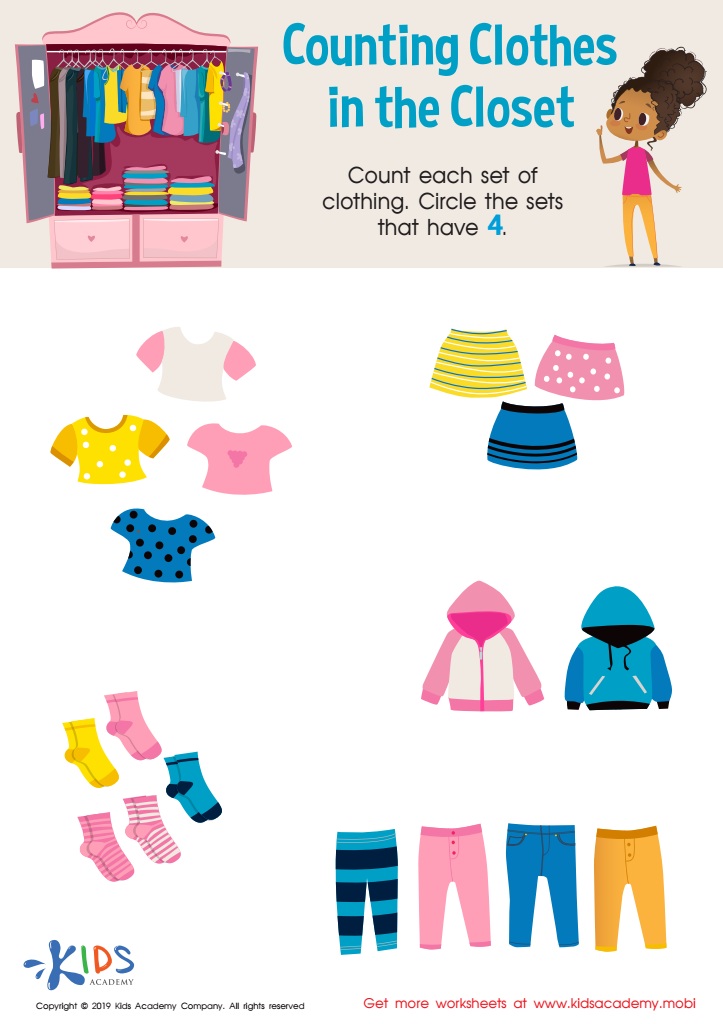
Counting Clothes Worksheet





.jpg)

Associative learning is a crucial cognitive process for children aged 3-8, serving as a foundation for their overall development. This type of learning helps young children to make connections between different concepts, fostering critical thinking, problem-solving skills, and memory retention. When teachers and parents understand and promote associative learning, they can create a more enriching learning environment.
At this age, children's brains are highly receptive to forming connections through experiences, stories, and play. By engaging in associative learning, children start to link new information with existing knowledge. For instance, when a child learns that the sound “b” corresponds to the letter “B” and links it to words like “bat” or “ball,” they are building important language skills.
Teachers can incorporate games, storytelling, and hands-on activities that encourage children to associate different ideas and concepts. Parents can reinforce these associations at home through everyday conversations and activities. By nurturing associative learning, parents and teachers enhance children's ability to understand and relate to the world around them, setting the stage for lifelong learning and success. Furthermore, recognizing the importance of this learning phase ensures that children develop strong cognitive skills, emotional intelligence, and social interaction capabilities during critical early years.








