Attention to Detail Worksheets for Ages 3-8 - Page 2
29 filtered results
-
From - To
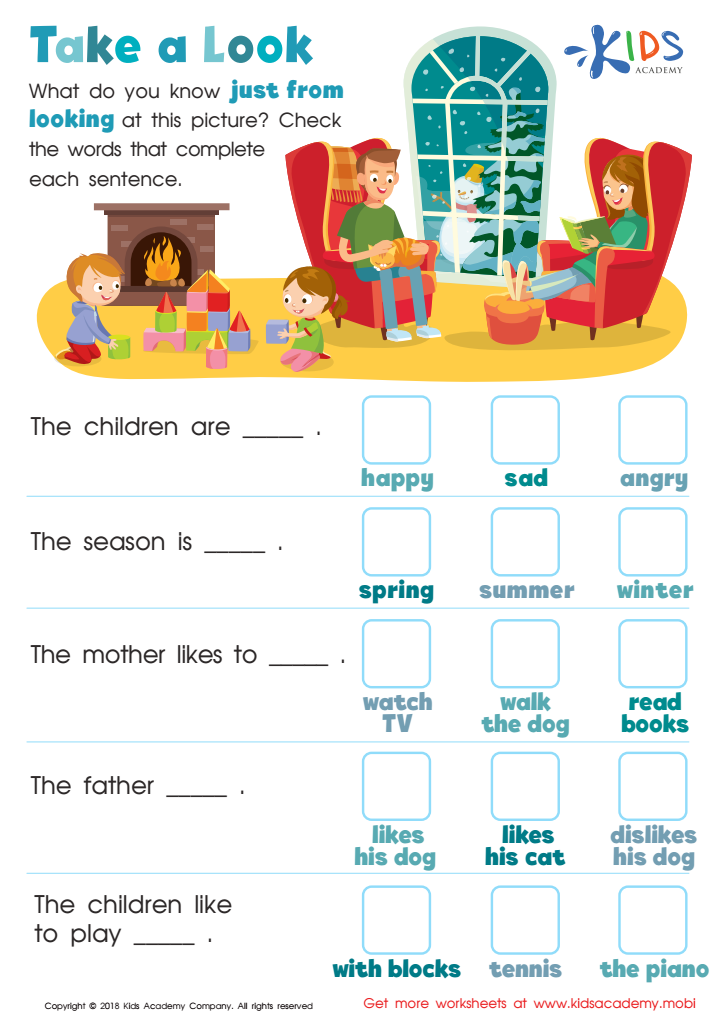
Take a Look - Part 1 Worksheet
 Assign to My Students
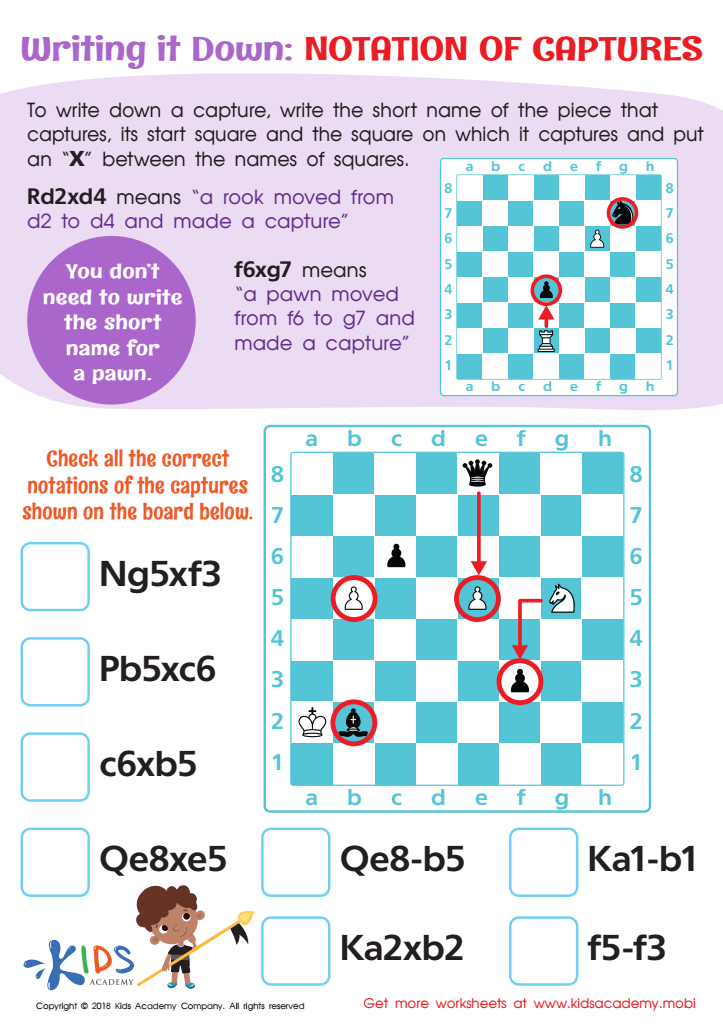
Notation of Captures Writing it Down Worksheet
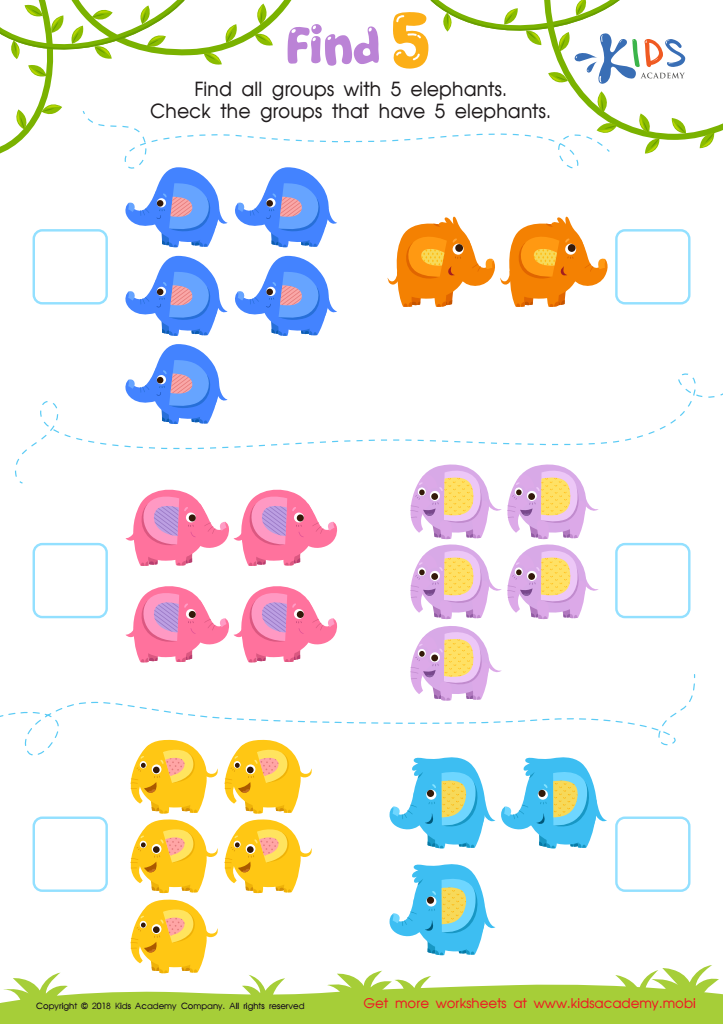
Find 5 Worksheet








Attention to detail is crucial for children ages 3-8, as it serves as a foundation for various cognitive, social, and emotional skills. During this formative stage, children are naturally curious and eager to explore their environments. When parents and teachers emphasize attention to detail, they cultivate critical thinking and observational skills. For instance, noticing small differences in shapes, colors, or patterns enhances children's ability to solve problems and develop logical reasoning.
Moreover, honing attention to detail fosters concentration and discipline. In an increasingly fast-paced world, the ability to focus on tasks and follow through on instructions is invaluable. It promotes self-regulation, helping children manage distractions and prioritize tasks, which are essential life skills.
In social situations, an acute awareness of detail aids in understanding non-verbal cues, a fundamental aspect of effective communication and relationship-building. Children who can discern small changes in tone, facial expressions, or body language are better equipped to empathize and connect with others.
Ultimately, by nurturing attention to detail, parents and teachers provide children with essential tools for academic success and overall emotional well-being, laying the groundwork for a lifetime of effective learning, personal development, and interpersonal relationships.








