Basic Addition Worksheets for Ages 3-8 - Page 2
79 filtered results
-
From - To
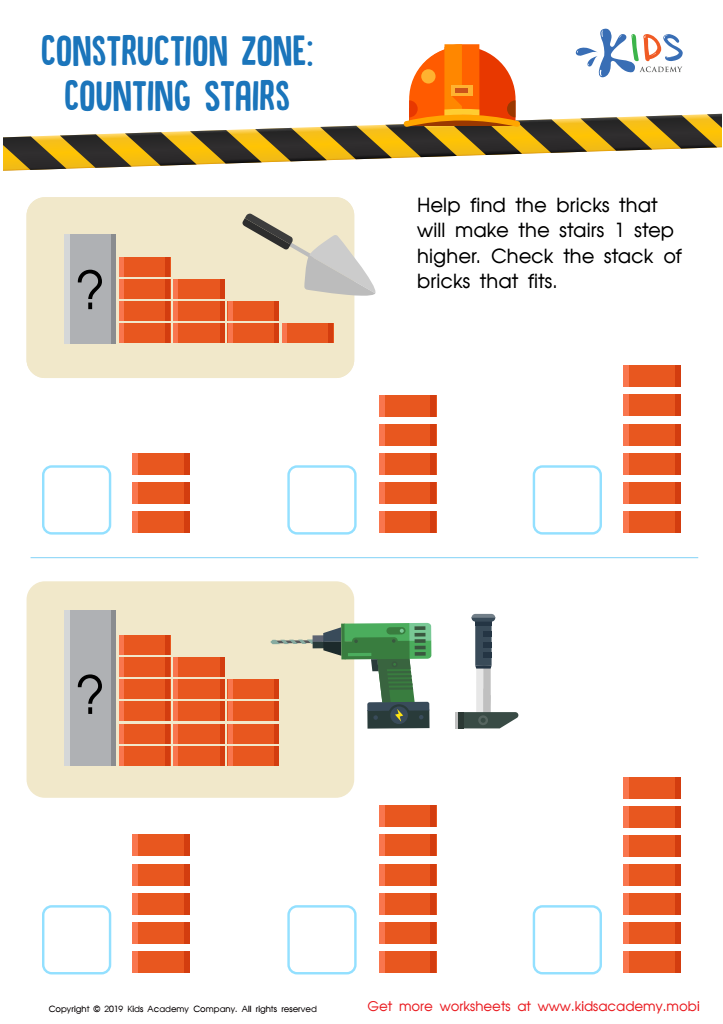
Construction Zone: Counting Stairs Worksheet
 Assign to My Students
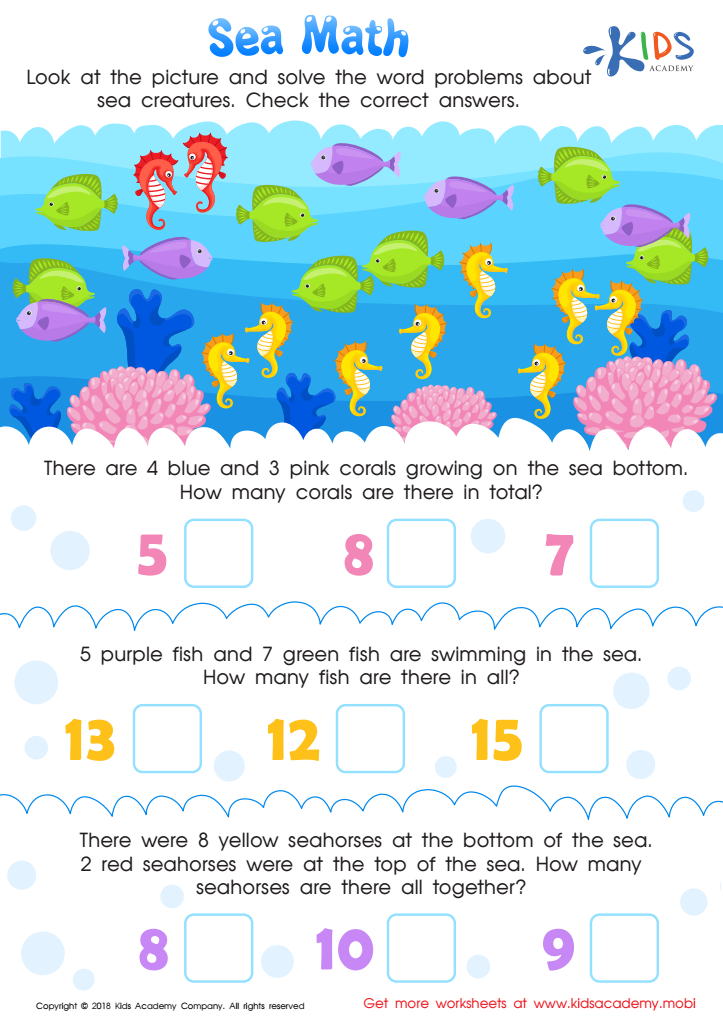
Sea Math Worksheet
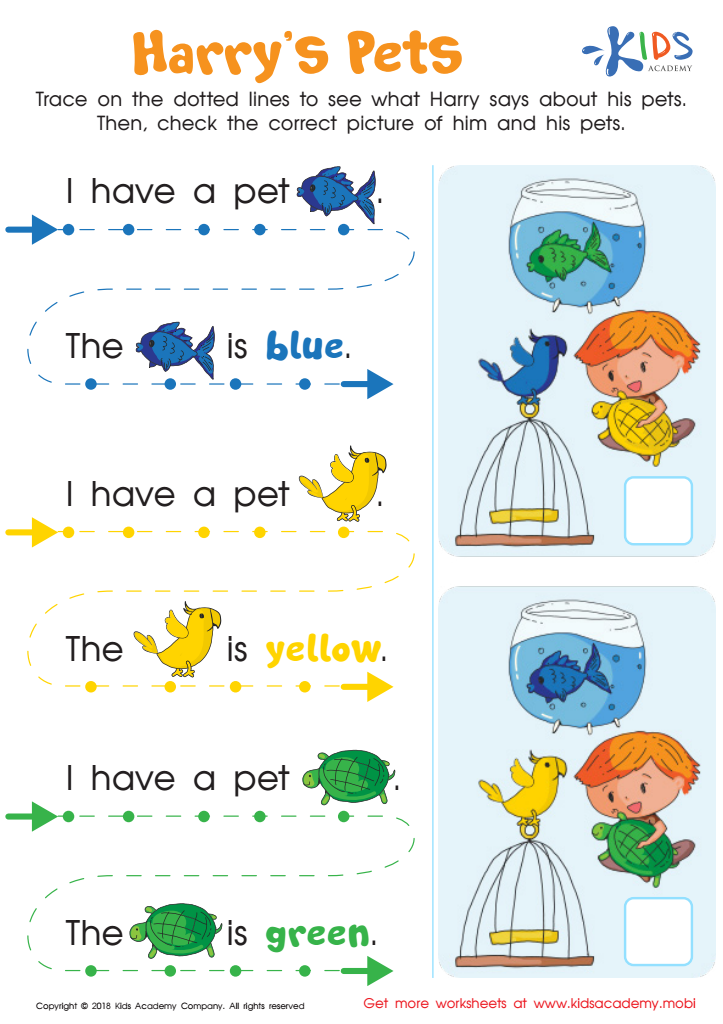
Read from Left to Right: Harry's Pets Worksheet
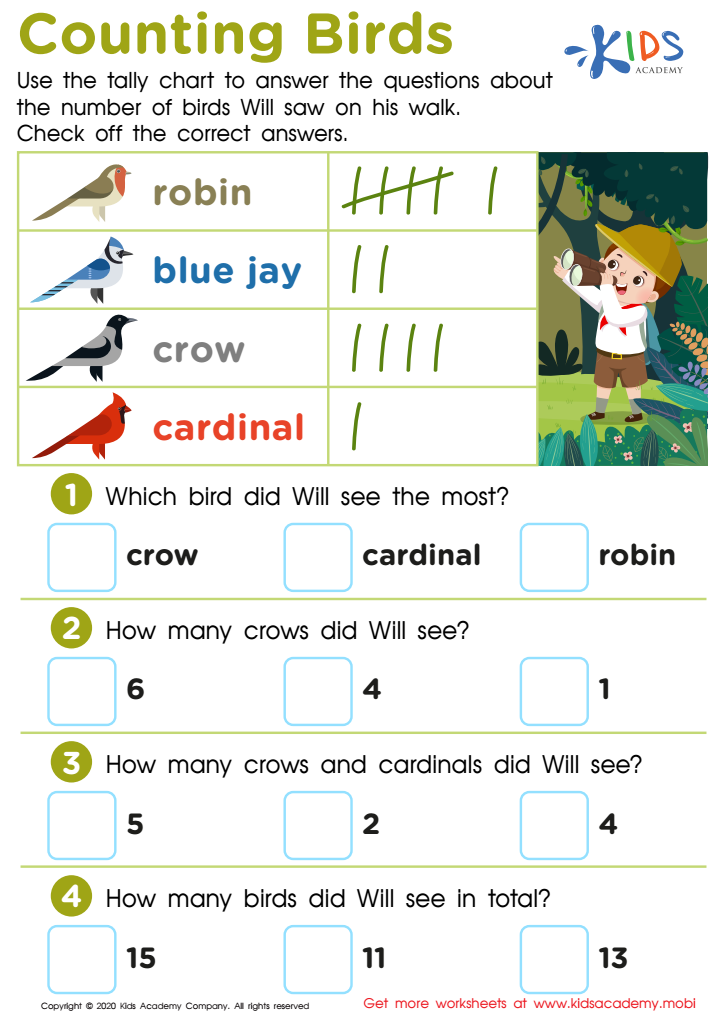
Counting Birds Worksheet
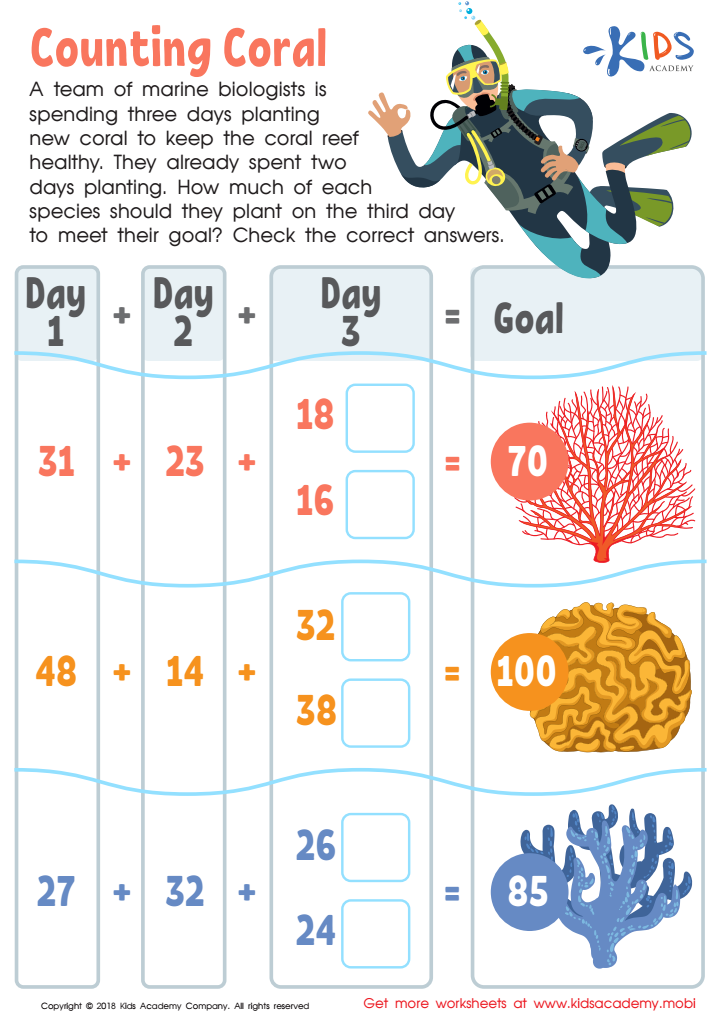
Counting Coral Worksheet
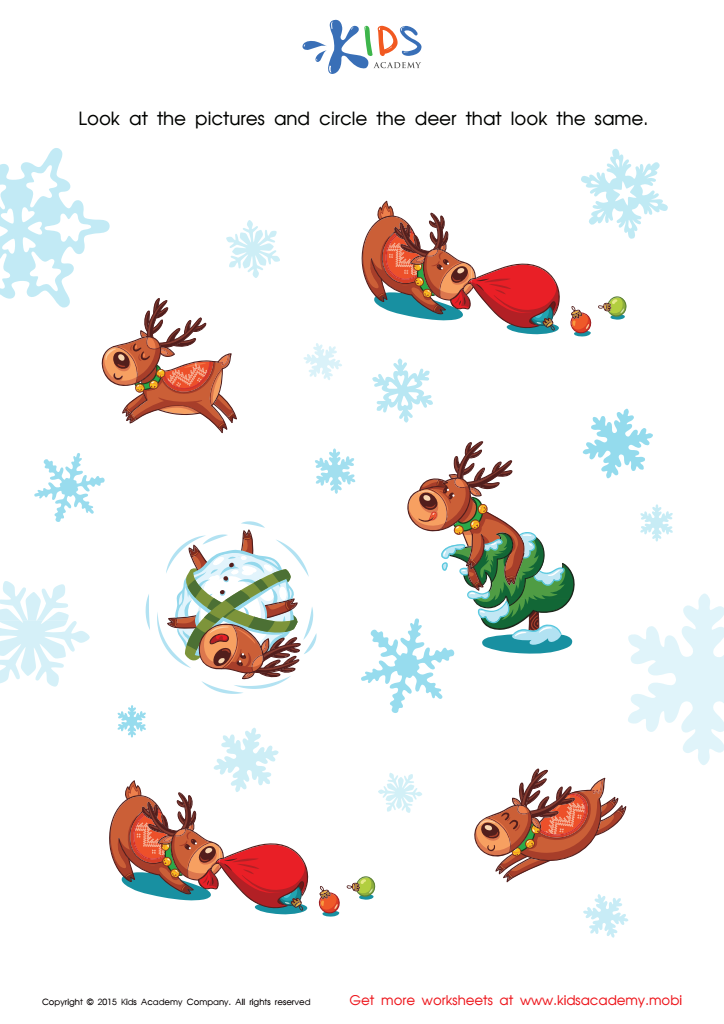
Count the Deer Worksheet
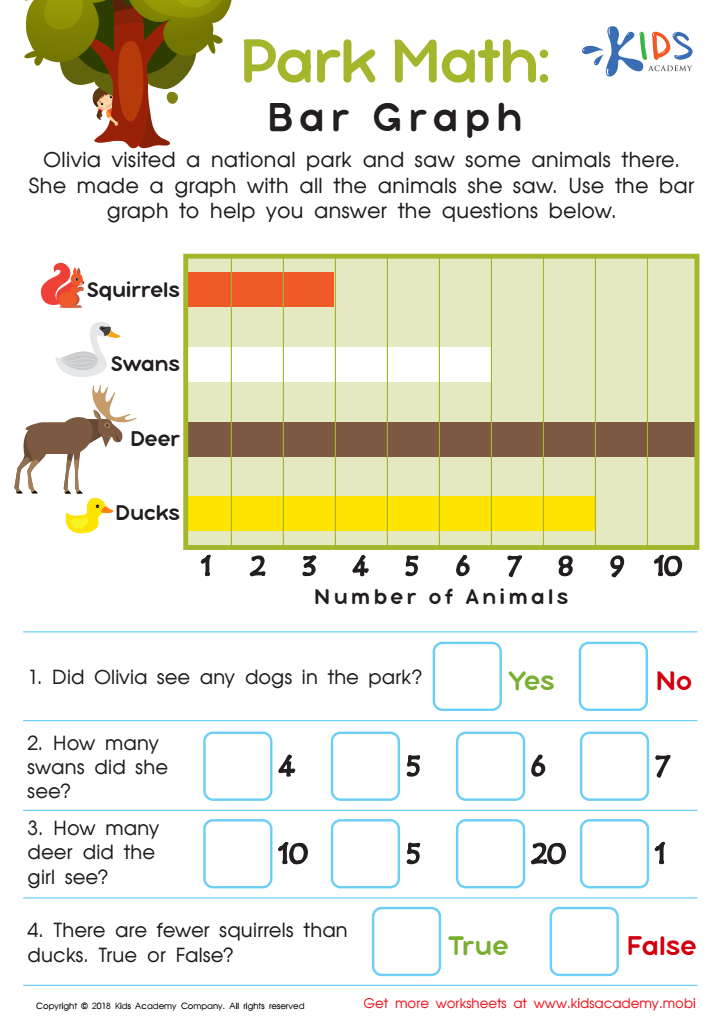
Park Math: Bar Graph Worksheet
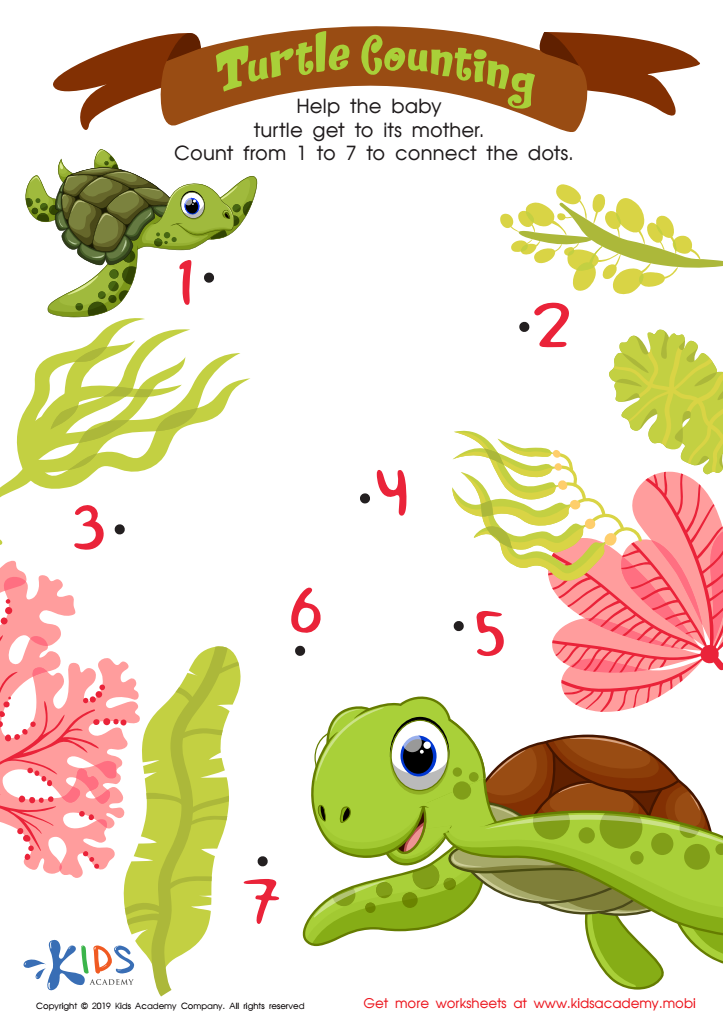
Turtle Counting Worksheet
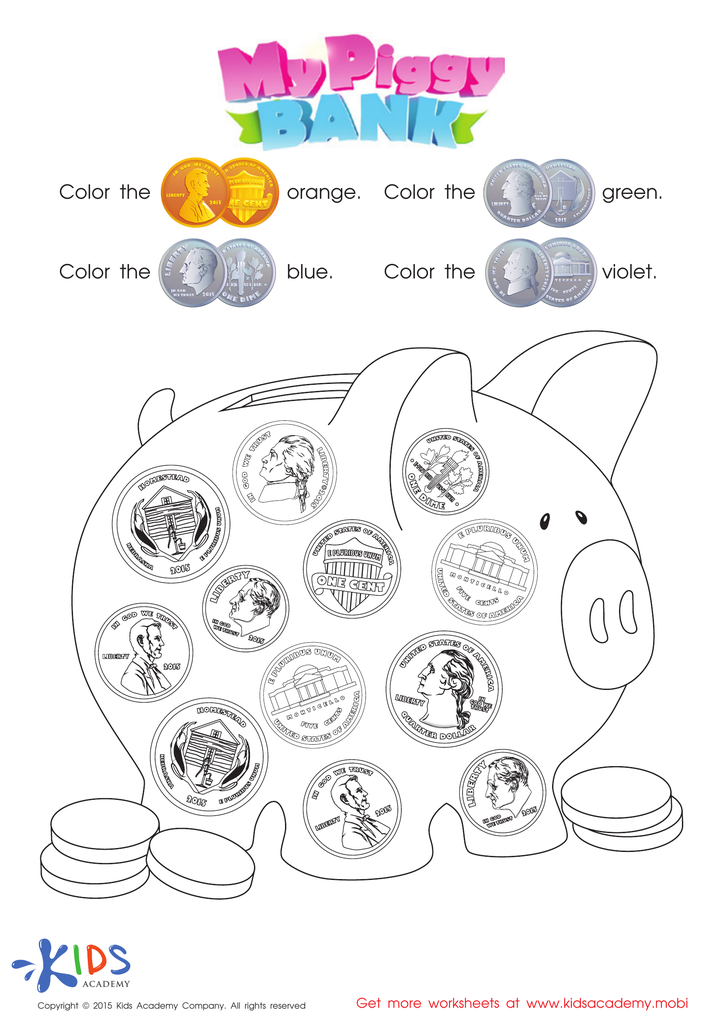
Recognizing Money Money Worksheet
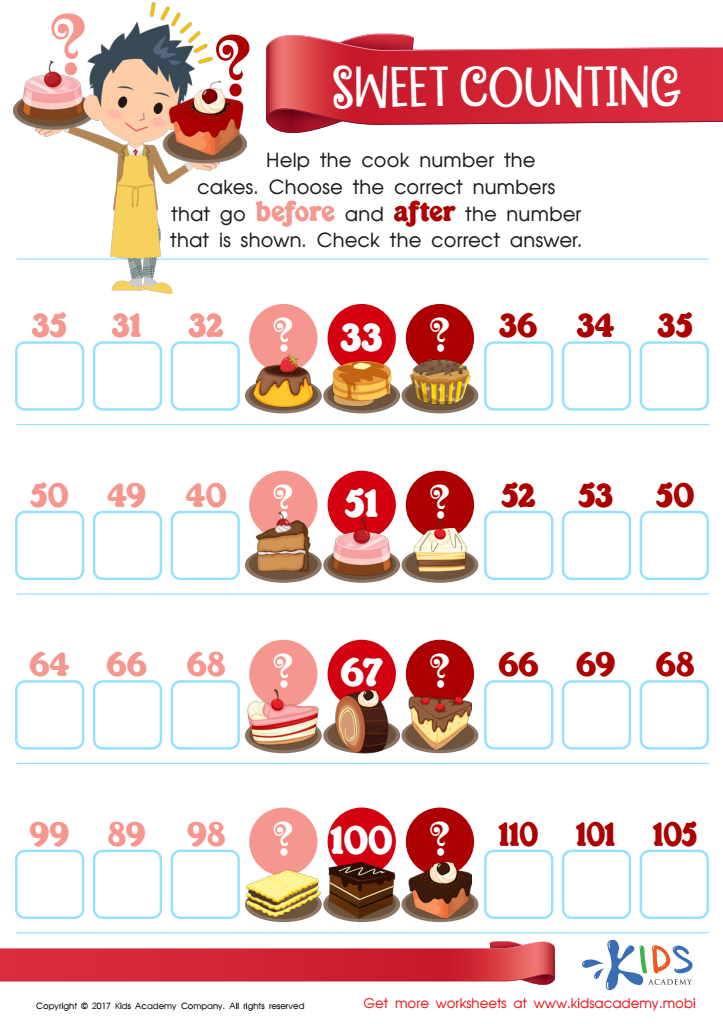
Sweet Counting - Part 1 Worksheet
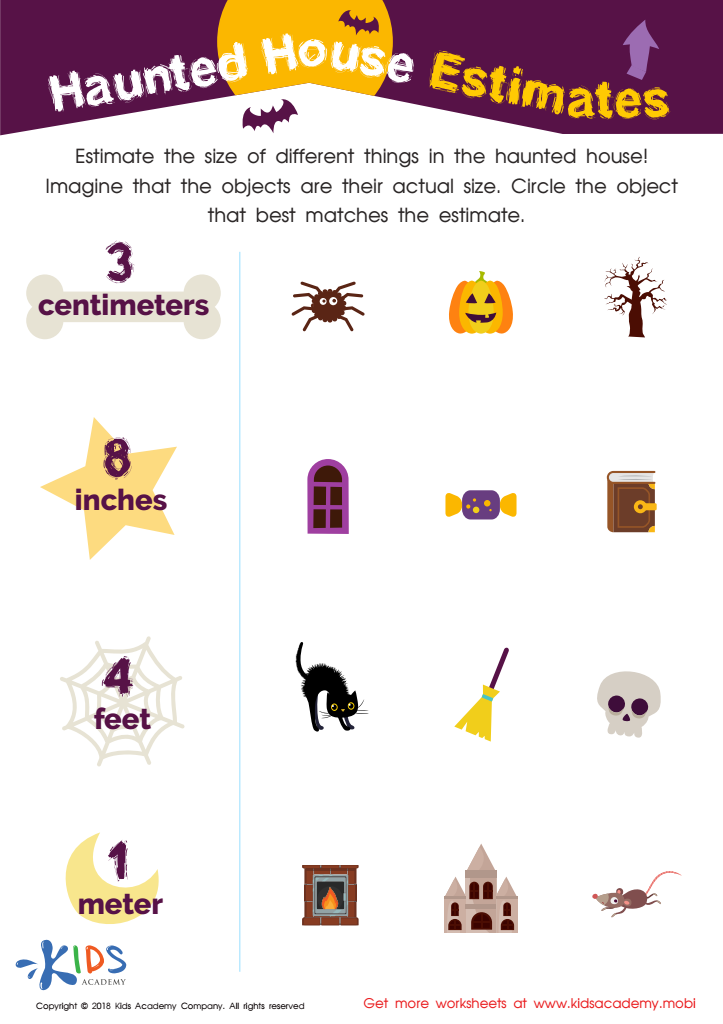
Haunted House Estimates Worksheet
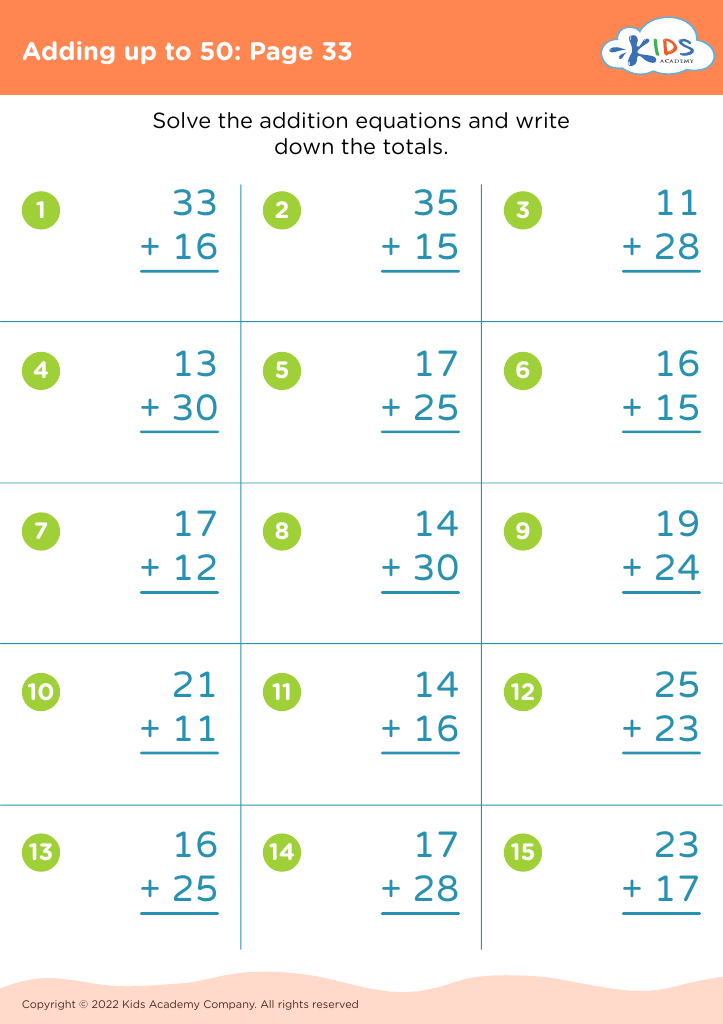
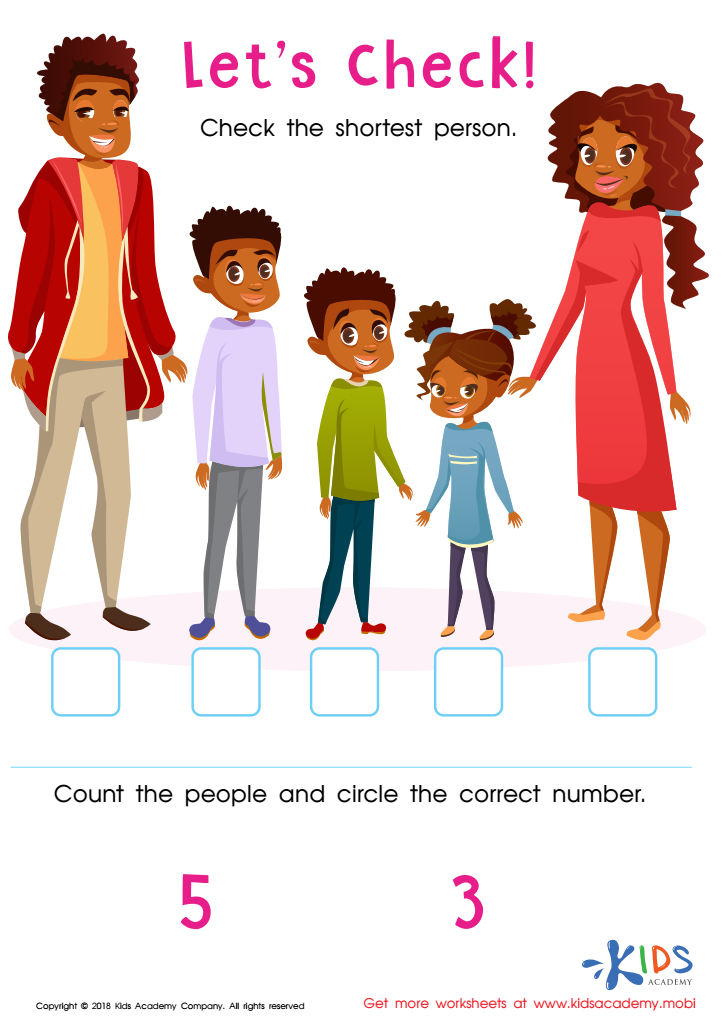
Let's Check! Assessment Worksheet
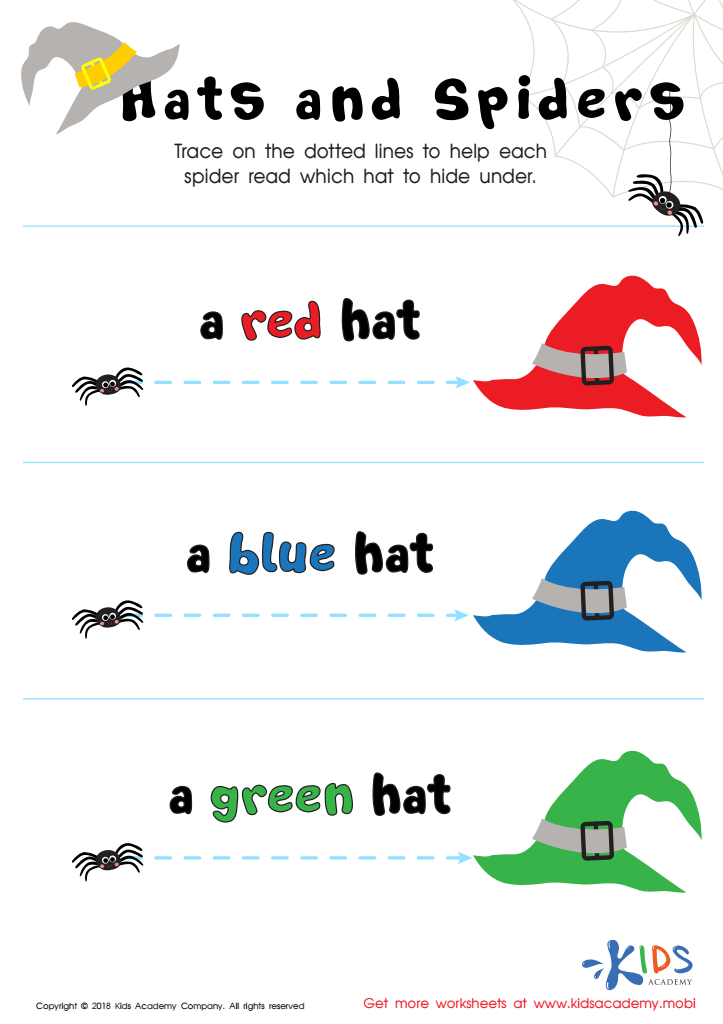
Read from Left to Right: Hats and Spiders Worksheet
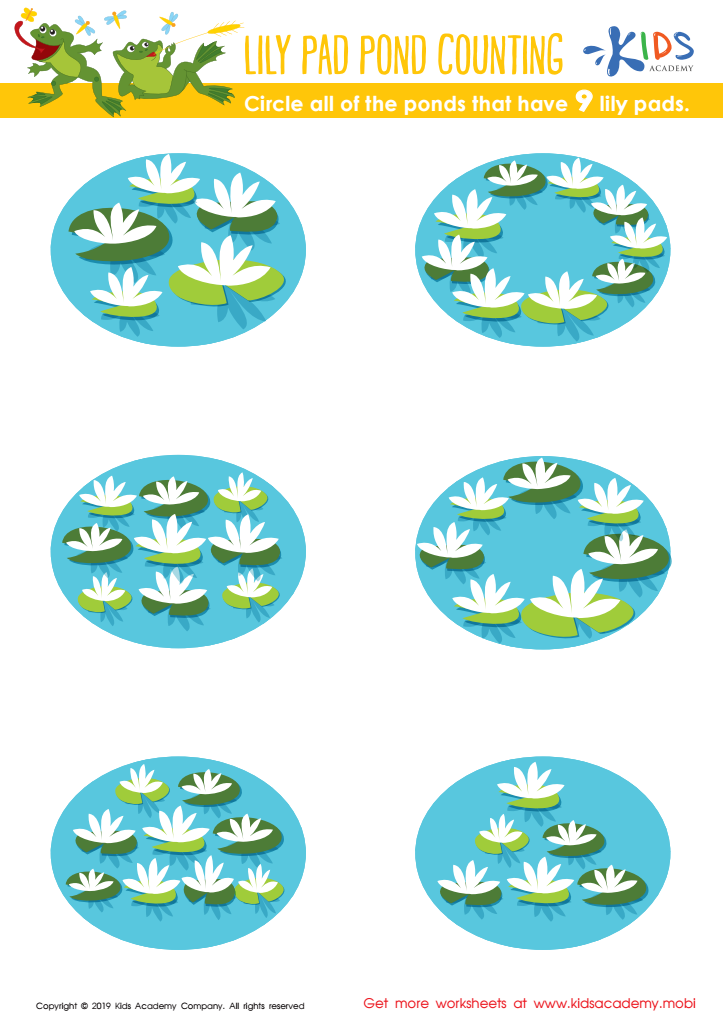
Lily Pad Pond Counting Worksheet
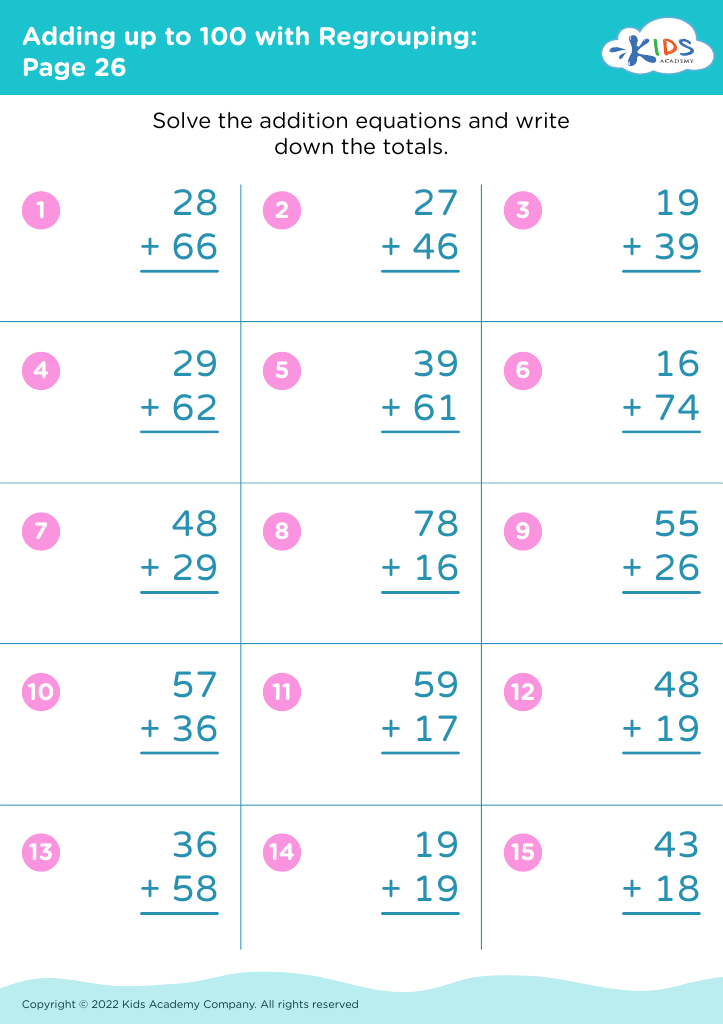
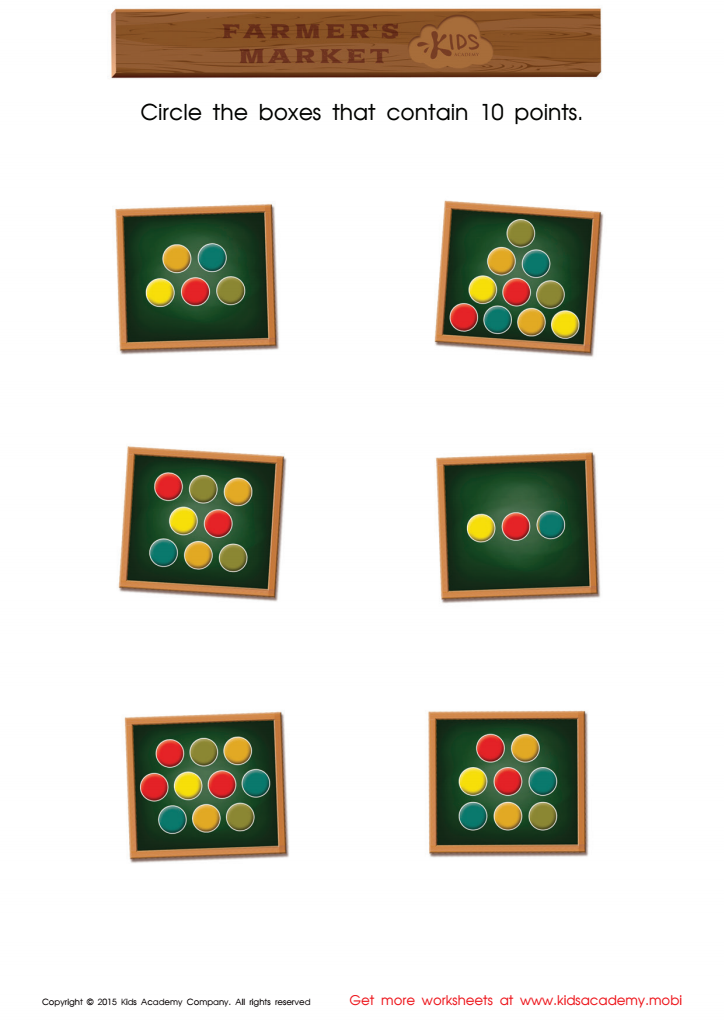
Count and Match Points 10 Math Worksheet
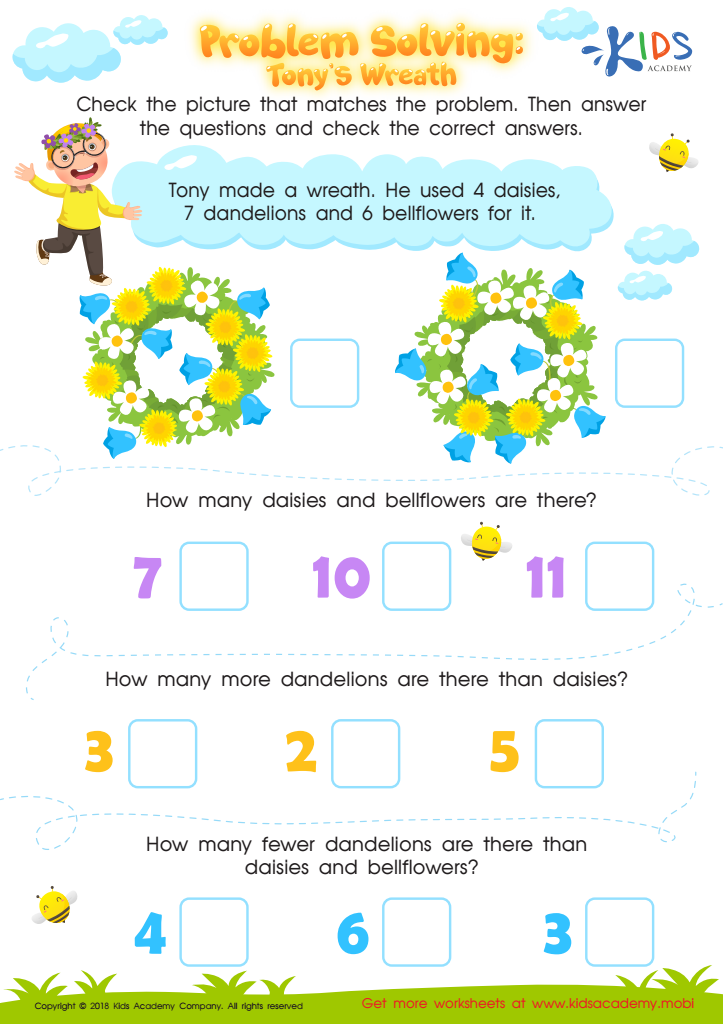
Problem Solving: Tony's Wreath Worksheet
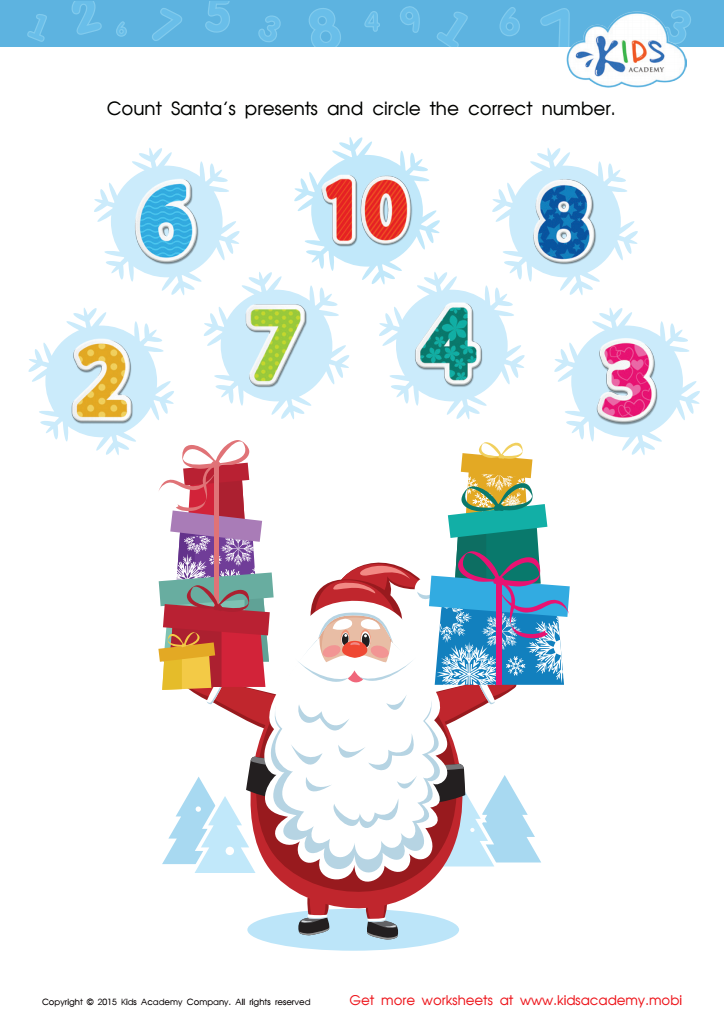
Count Santa's Presents Worksheet
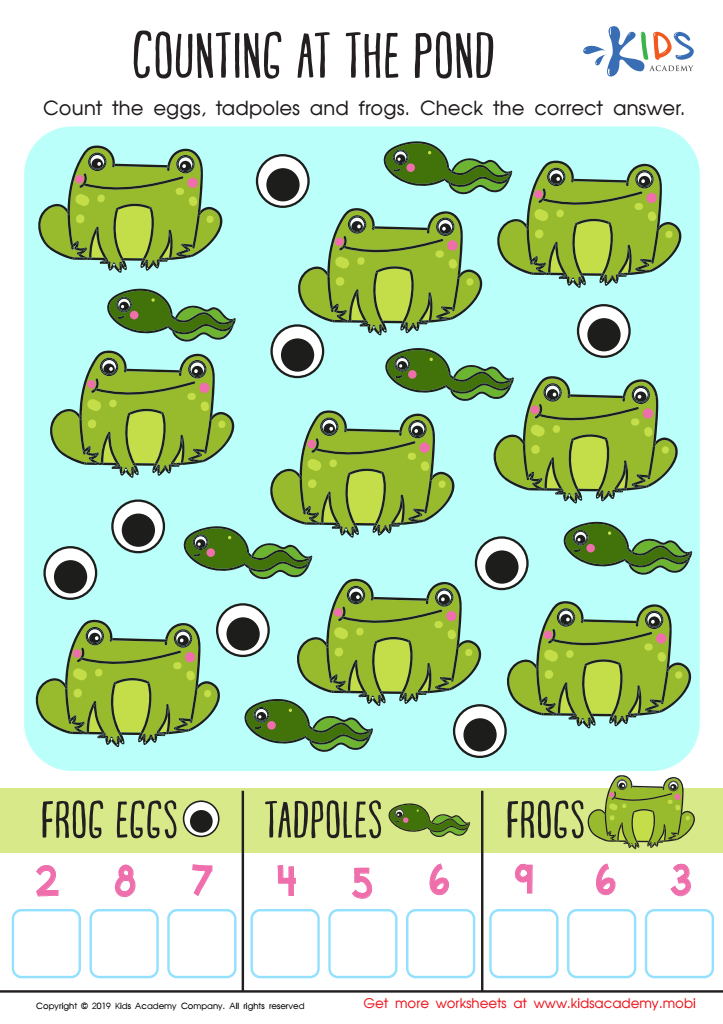
Counting at the Pond Worksheet
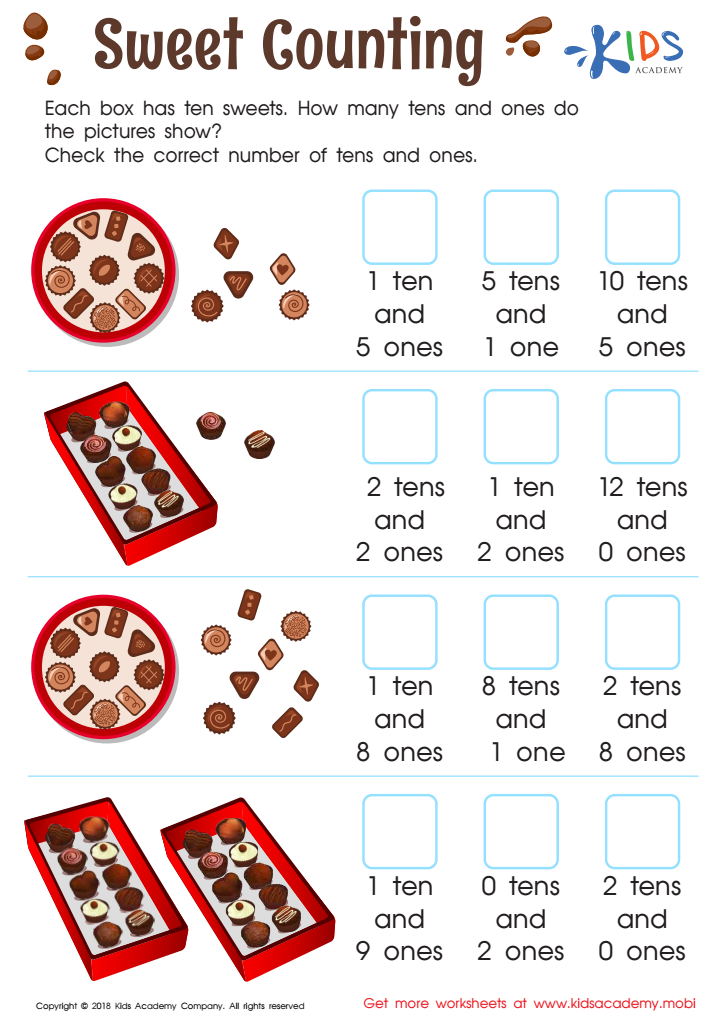
Sweet Counting - Part 2 Worksheet
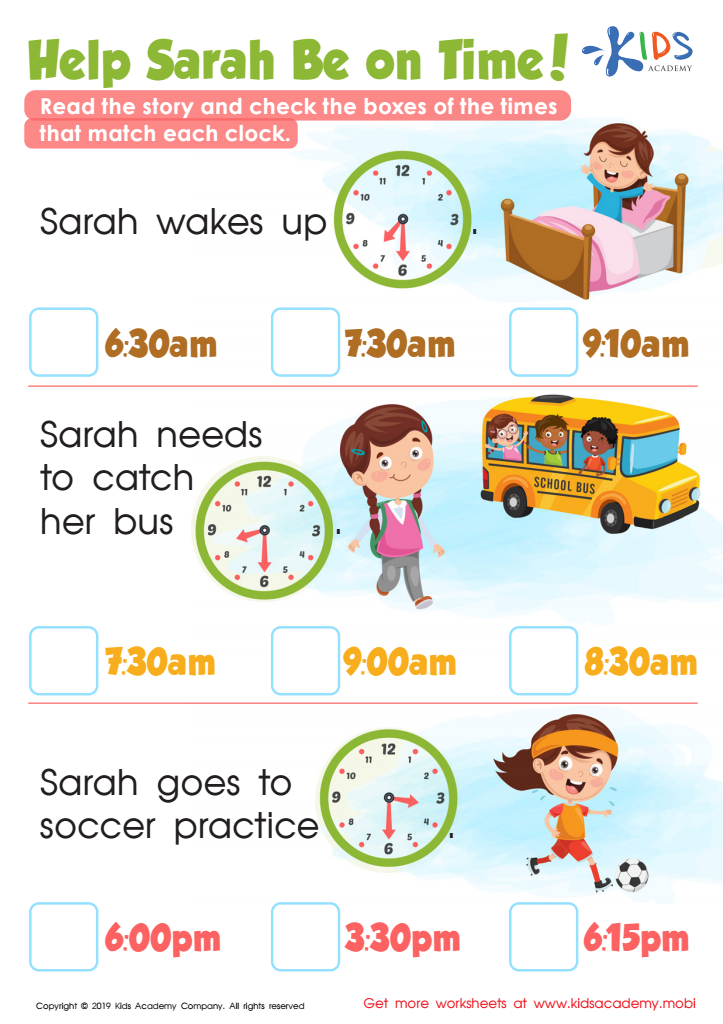
Help Sarah Be on Time! Worksheet


.jpg)
.jpg)

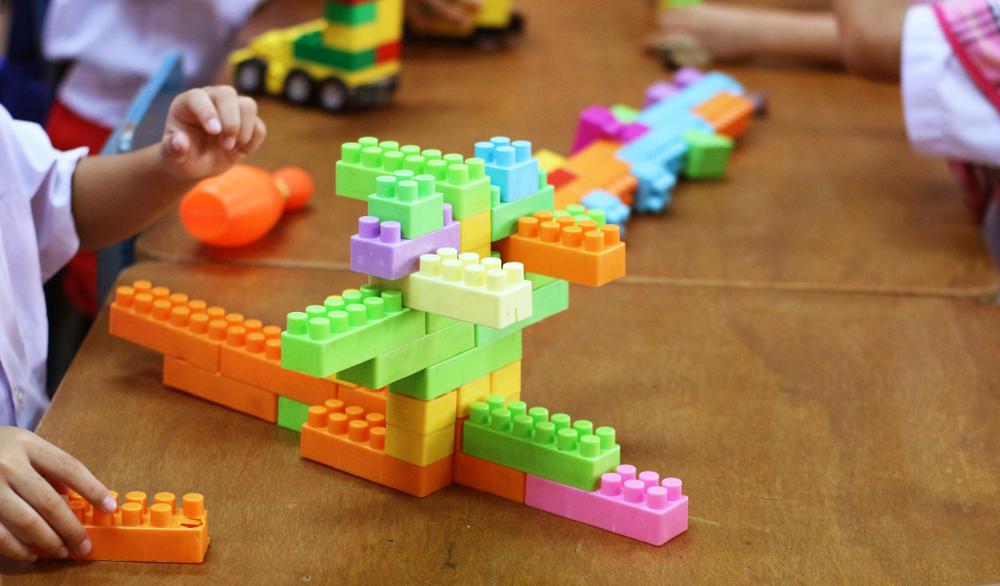


Basic addition is a foundational skill that serves as the building block for mathematical understanding in young children aged 3-8. Parents and teachers should prioritize teaching this concept because it fosters critical thinking and problem-solving abilities. Early mastery of addition helps children develop confidence in their mathematical skills, which can influence their attitude toward learning throughout their educational journeys.
Moreover, a grasp of basic addition aids in enhancing cognitive development and promotes numeracy, both of which are vital in everyday life. Understanding simple mathematical operations allows children to engage better with their environment, whether it’s through counting toys, sharing snacks, or understanding the concept of time.
Furthermore, when basic addition is integrated into fun activities—like games, songs, and stories—it makes learning enjoyable and engaging, supporting social-emotional growth as well. Parents and teachers play a crucial role in creating these enriching experiences, ensuring that children are not only learning but are also excited about learning. Ultimately, a strong foundation in addition during these formative years can set the stage for success in more complex math concepts in later stages of their education, making it essential to nurture early numeracy.








