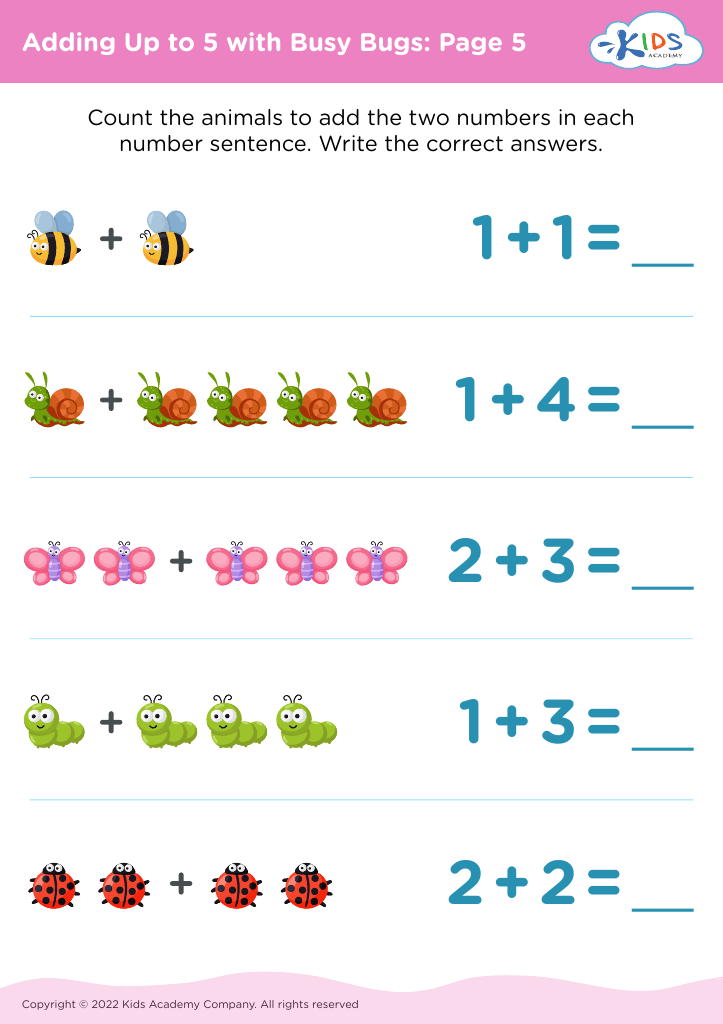
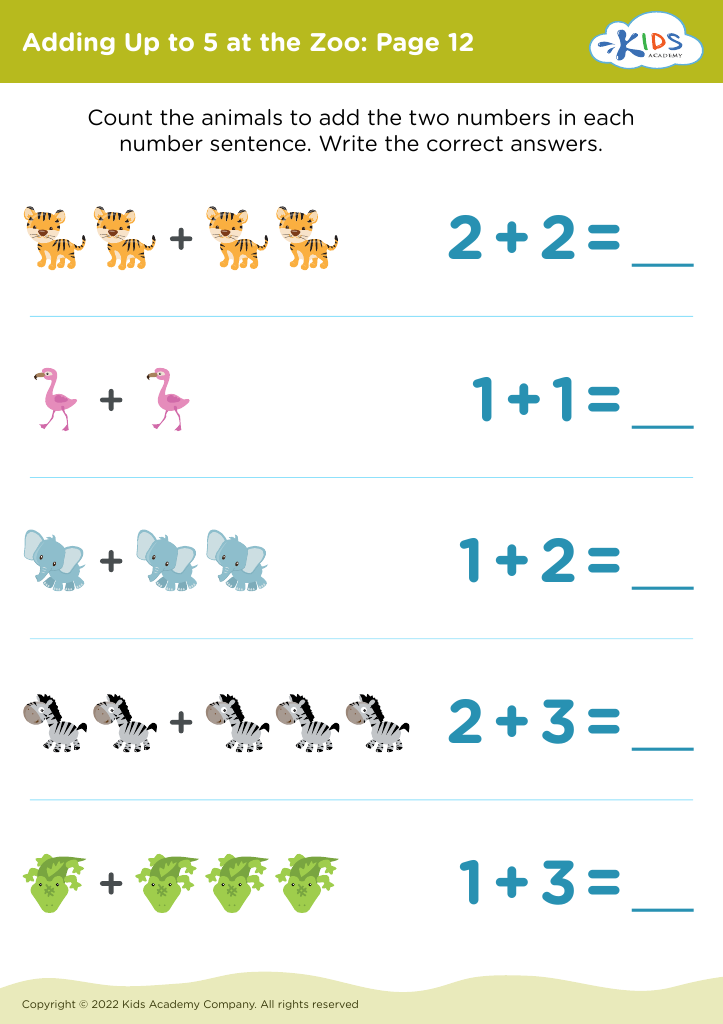
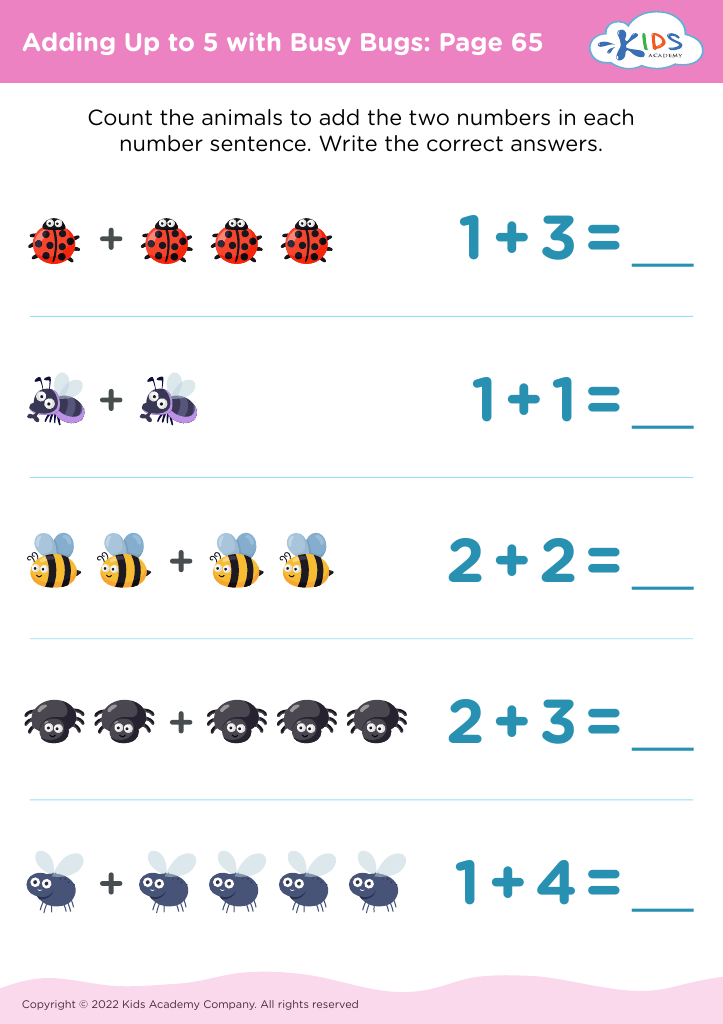
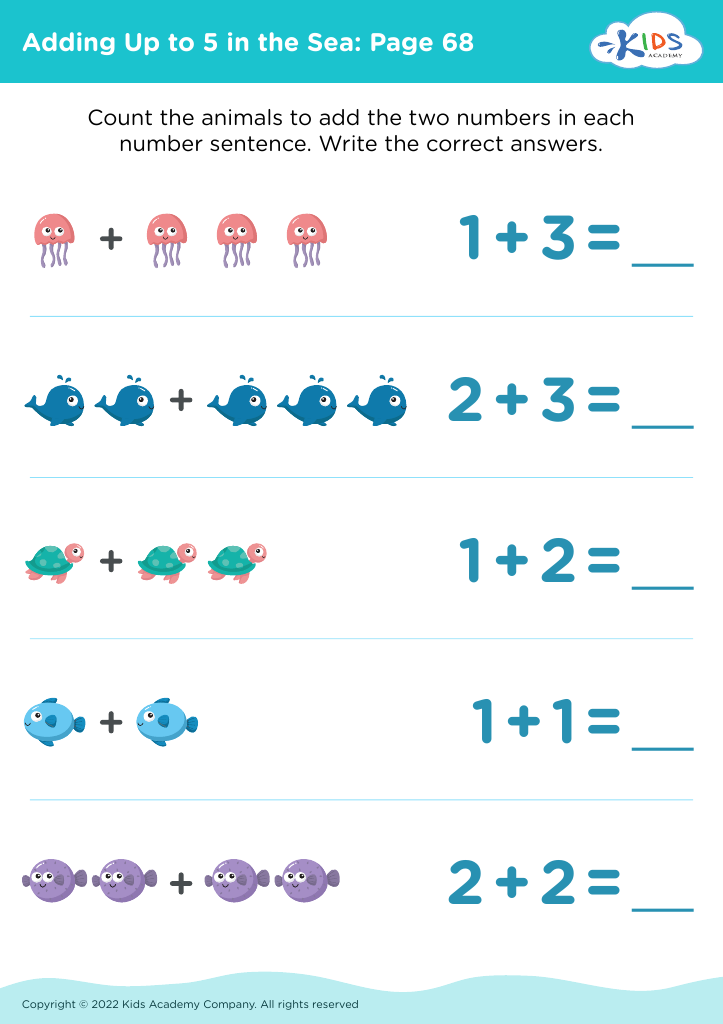







Basic arithmetic for ages 3-8 is crucial because it lays the groundwork for all future math learning and everyday problem-solving skills. At this age, children’s brains are uniquely primed to absorb foundational concepts like counting, addition, and subtraction. By introducing basic arithmetic early, parents and teachers foster a child's confidence and enthusiasm for math, which can diminish math anxiety and build a positive attitude towards the subject.
Moreover, early arithmetic skills are interconnected with cognitive development areas such as memory, attention, and logical thinking. When children practice counting objects or identifying patterns, they also improve their observational and analytical skills, benefiting overall cognitive growth.
Basic arithmetic is integral to everyday life; understanding these concepts allows children to navigate daily tasks more independently, from recognizing numbers in a classroom setting to sharing cookies fairly with friends. Additionally, mastery of early math skills is a strong predictor of later academic success, not just in mathematics but across disciplines. Students proficient in basic arithmetic are better prepared to grasp complex mathematical concepts, leading to improved performance in school.
Encouraging arithmetic skills means providing children with the lifelong tools they need for academic achievement and practical decision-making, building a robust foundation for their educational journey.








