Counting practice Worksheets for Ages 3-8 - Page 17
389 filtered results
-
From - To
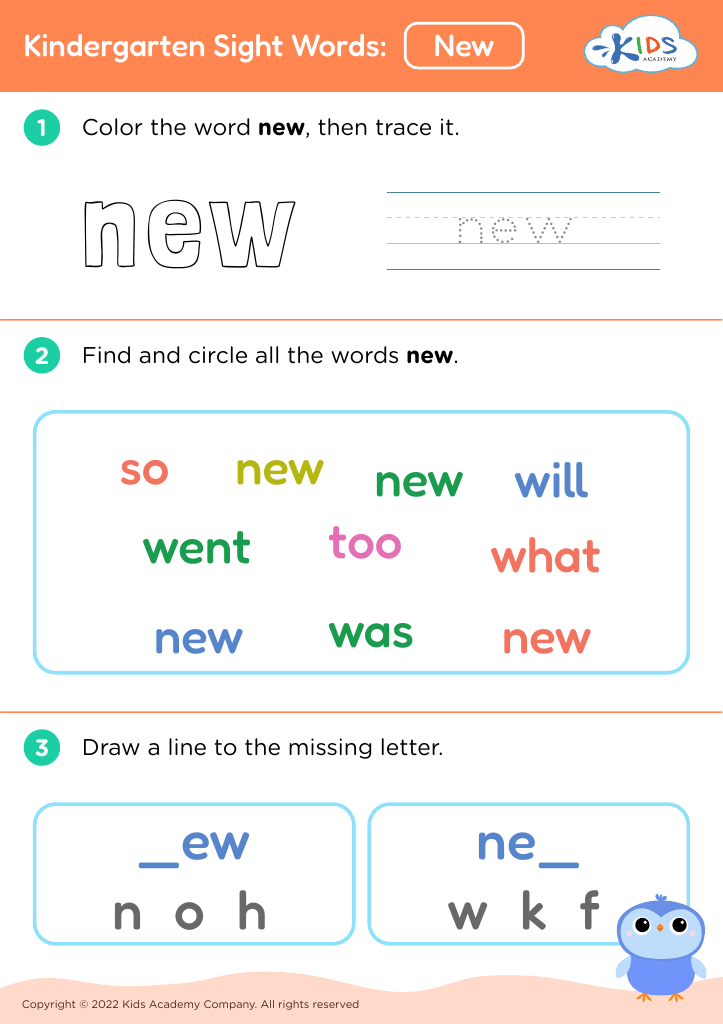







Counting practice is fundamental for children aged 3 to 8 as it lays the groundwork for essential math skills. During these formative years, children begin to develop a sense of numbers and quantity, which is critical for their cognitive development. Engaging in counting activities strengthens not only numerical understanding but also enhances memory, attention, and problem-solving skills.
For parents and teachers, fostering counting practice can ignite a love for learning and create a strong foundation in mathematics. The ability to count prepares children for more complex math concepts, ensuring they progress confidently into higher levels of education. Early counting experiences also help develop perseverance and analytical thinking, traits that are valuable beyond academics.
Additionally, counting can be seamlessly integrated into daily activities, making learning fun and relatable. Whether through games, songs, or everyday tasks, counting can transform mundane routines into educational opportunities, encouraging communication skills, teamwork, and social interactions.
Moreover, individuals who grasp counting early can develop better financial literacy skills later in life, impacting their ability to manage money effectively. Ultimately, an emphasis on counting practice nurtures well-rounded cognitive development, setting the stage for lifelong learning and success in a rapidly evolving world.








