Handwriting improvement Worksheets for Ages 3-8
25 filtered results
-
From - To
Enhance your child’s handwriting with our engaging Handwriting Improvement Worksheets designed for children aged 3-8. Our expertly crafted worksheets combine fun activities with essential writing practice to support the development of fine motor skills and letter formation. Perfect for young learners, these printable exercises include tracing, writing uppercase and lowercase letters, and crafting sentences. With colorful designs and interactive tasks, kids stay motivated while developing crucial writing abilities. Ideal for educators and parents alike, our resources provide a strong foundation for academic success. Begin your child’s handwriting journey today with Kids Academy’s top-tier worksheets.
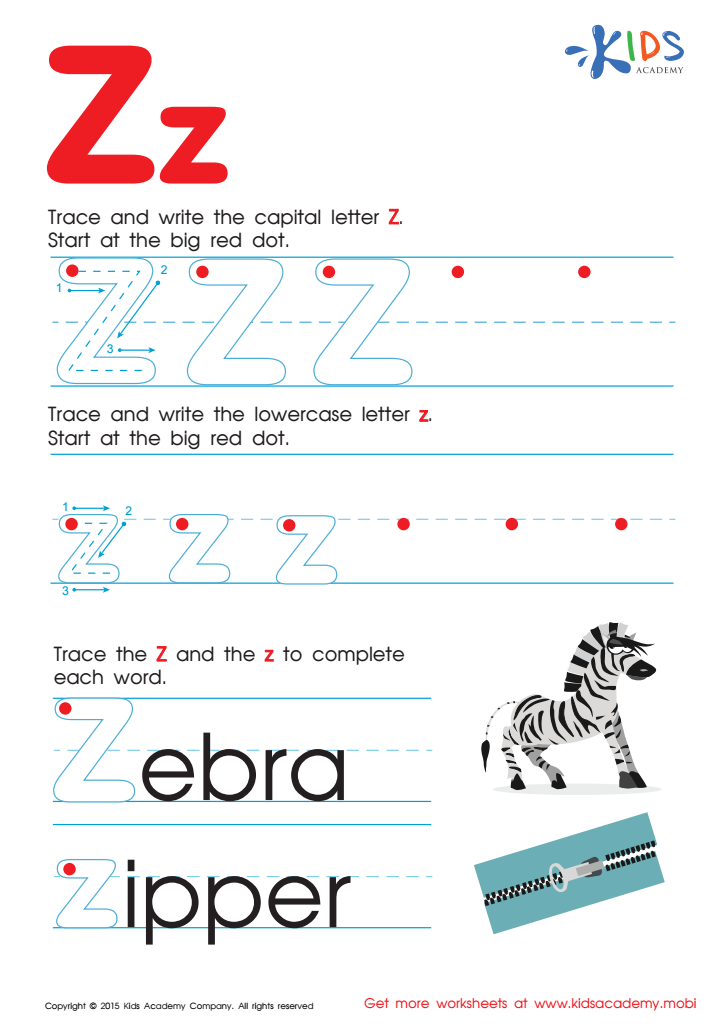
Letter Z Tracing Page
 Assign to My Students
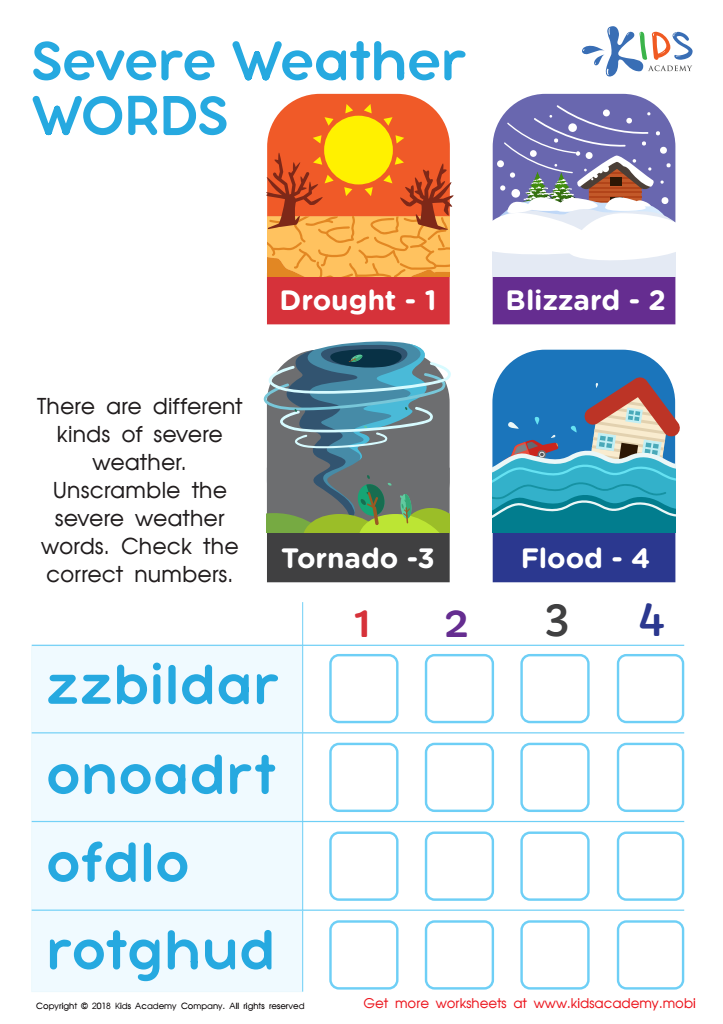
Severe Weather Words Worksheet
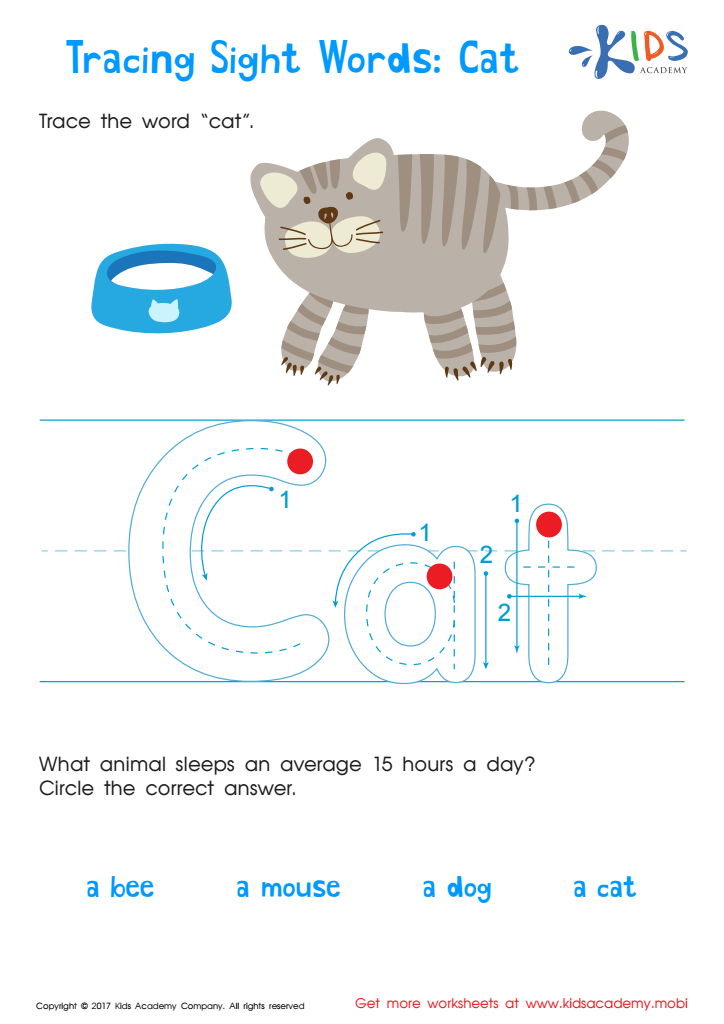
Cat Printable Sight Words Worksheet
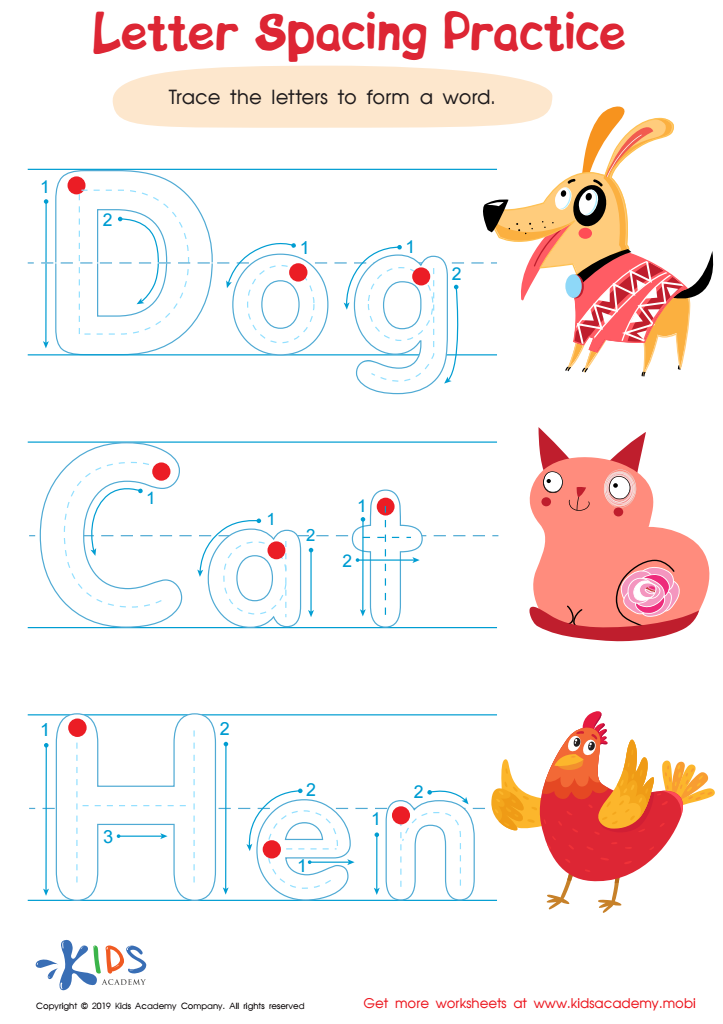
Letter Spacing Practice Worksheet
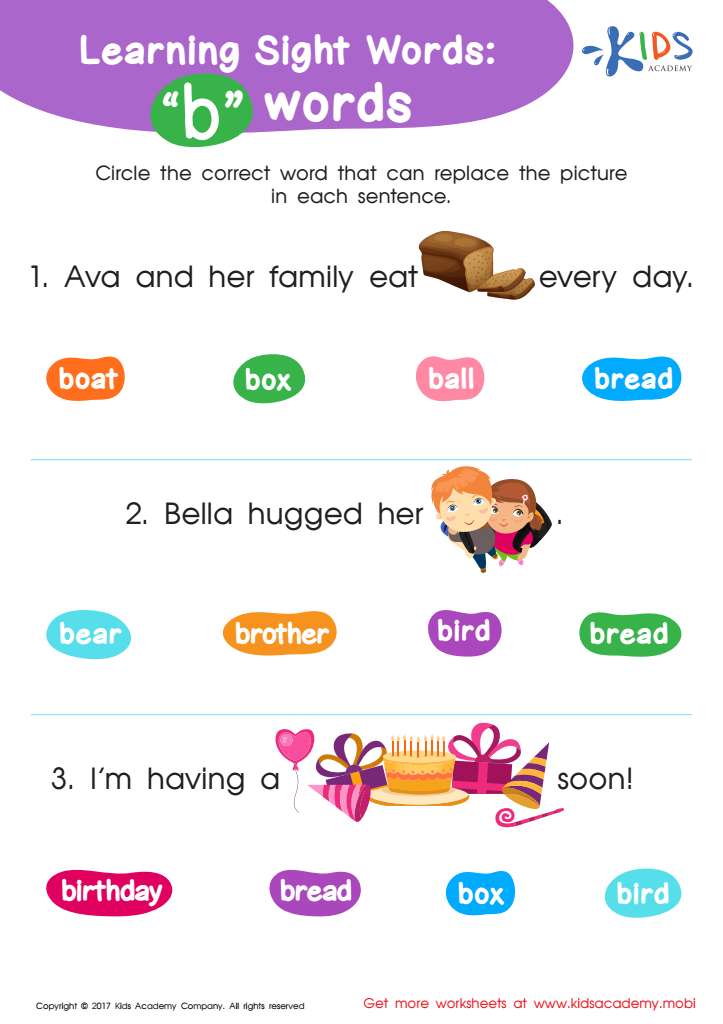
Sight Words Free Worksheet – B Words
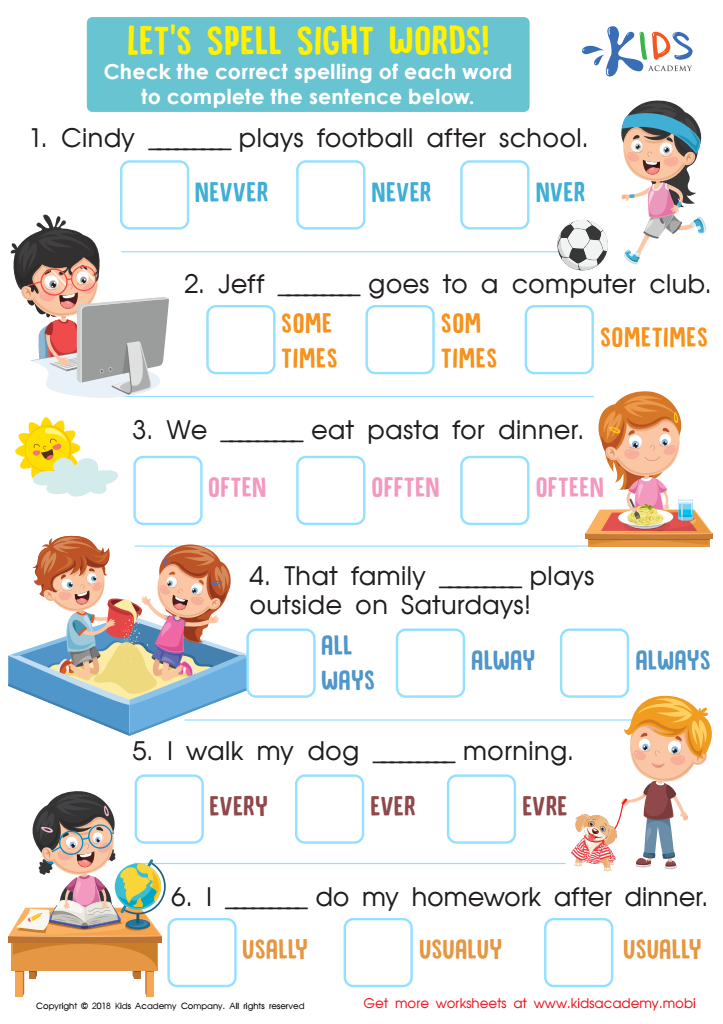
Let's Spell Sight Words Worksheet
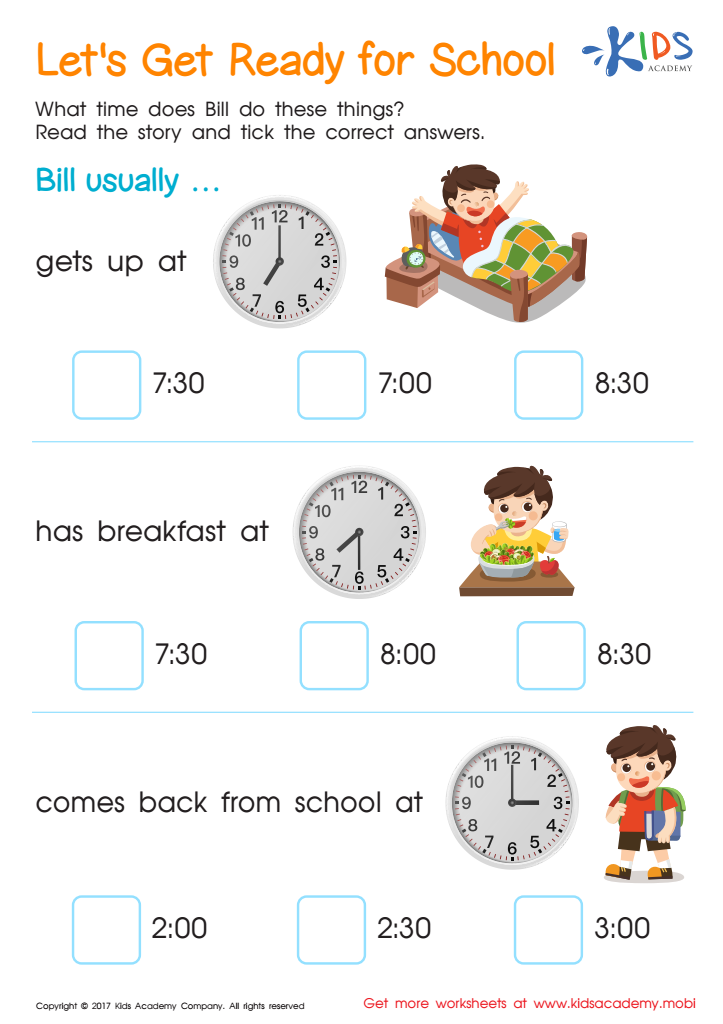
Lets Get Ready For School Time Printable
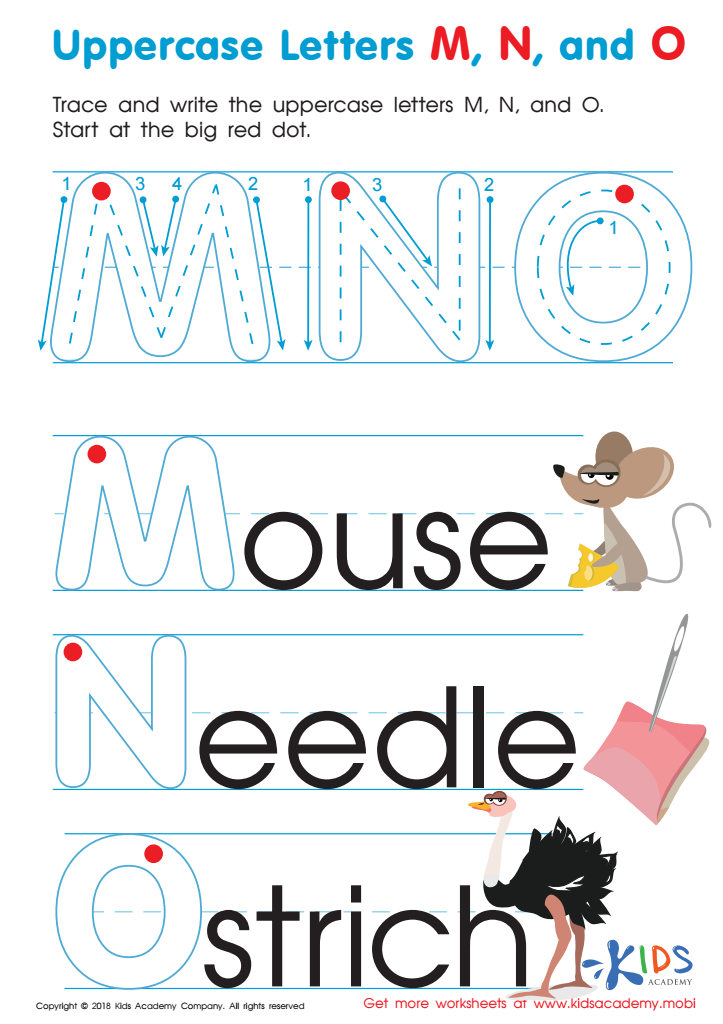
Uppercase Letters M, N, and O Worksheet
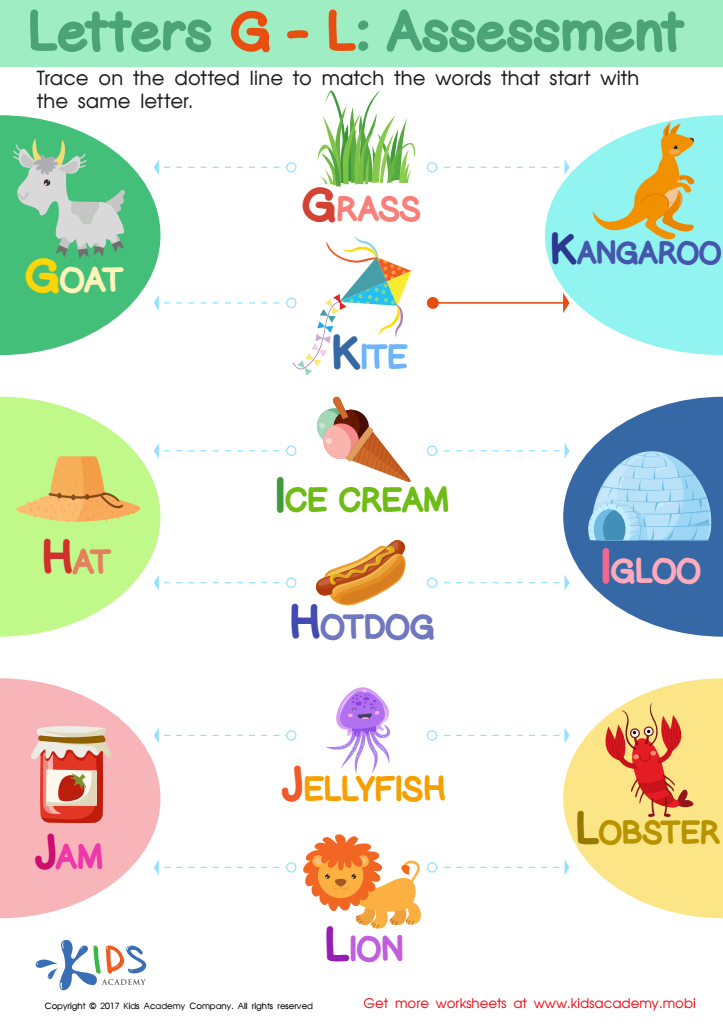
Letters G-L Worksheet
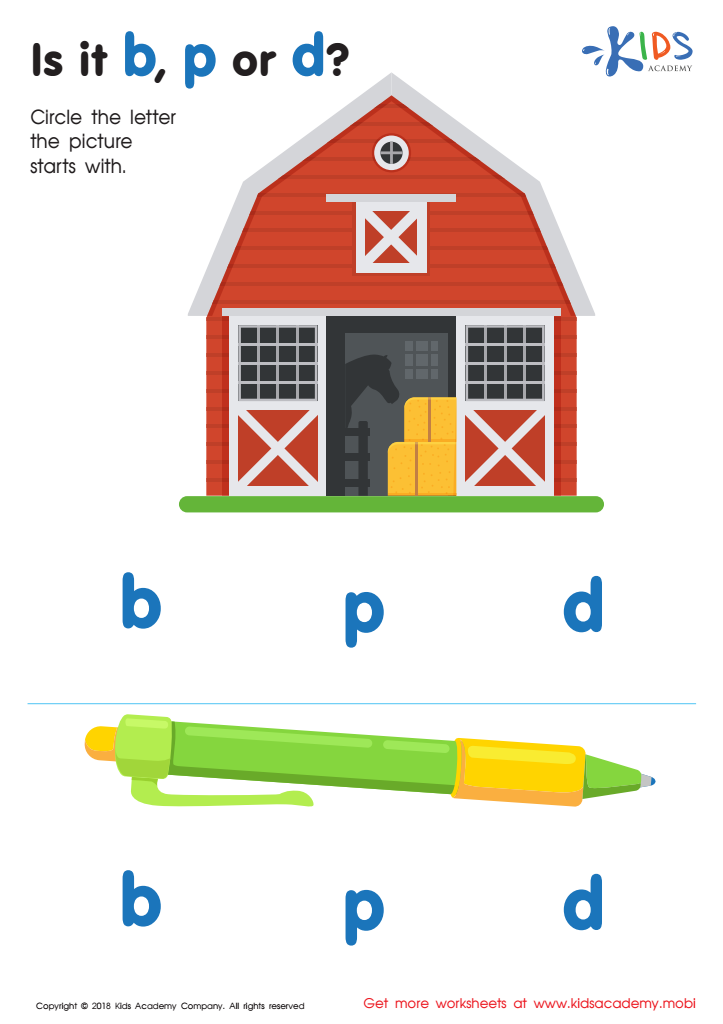
Is it b, p or d? Worksheet
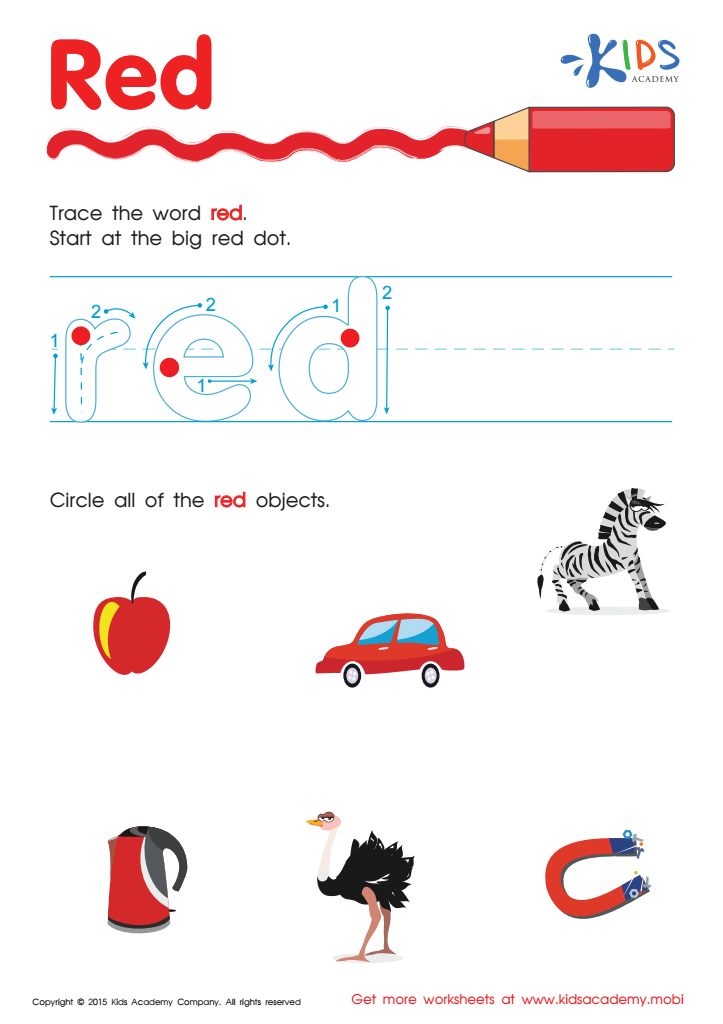
Red Tracing Color Words Printable
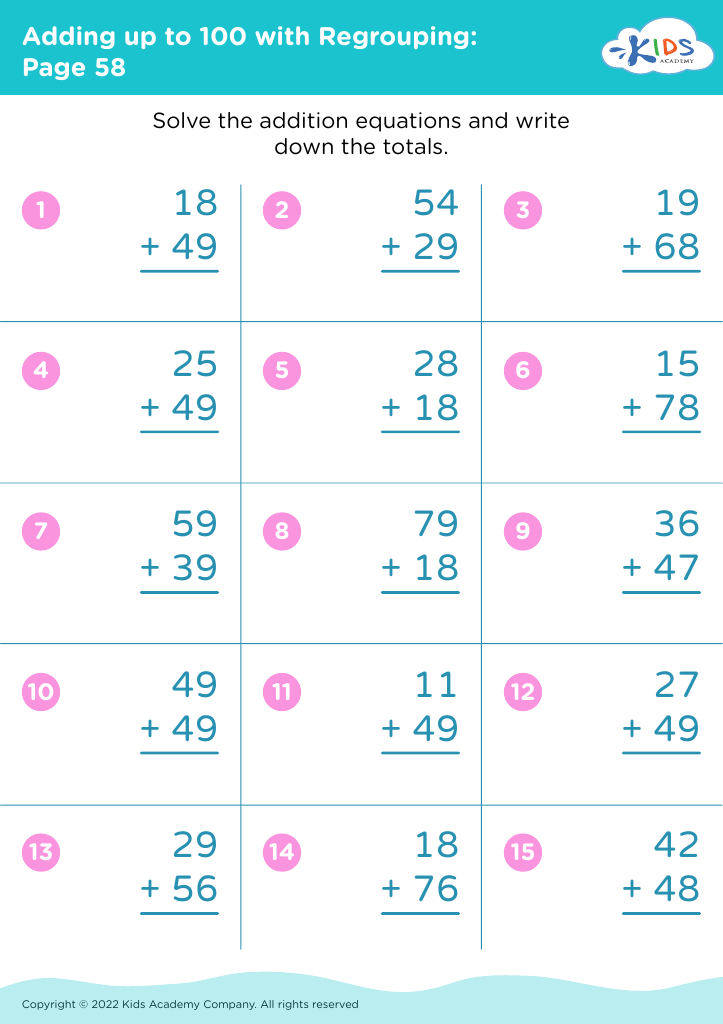
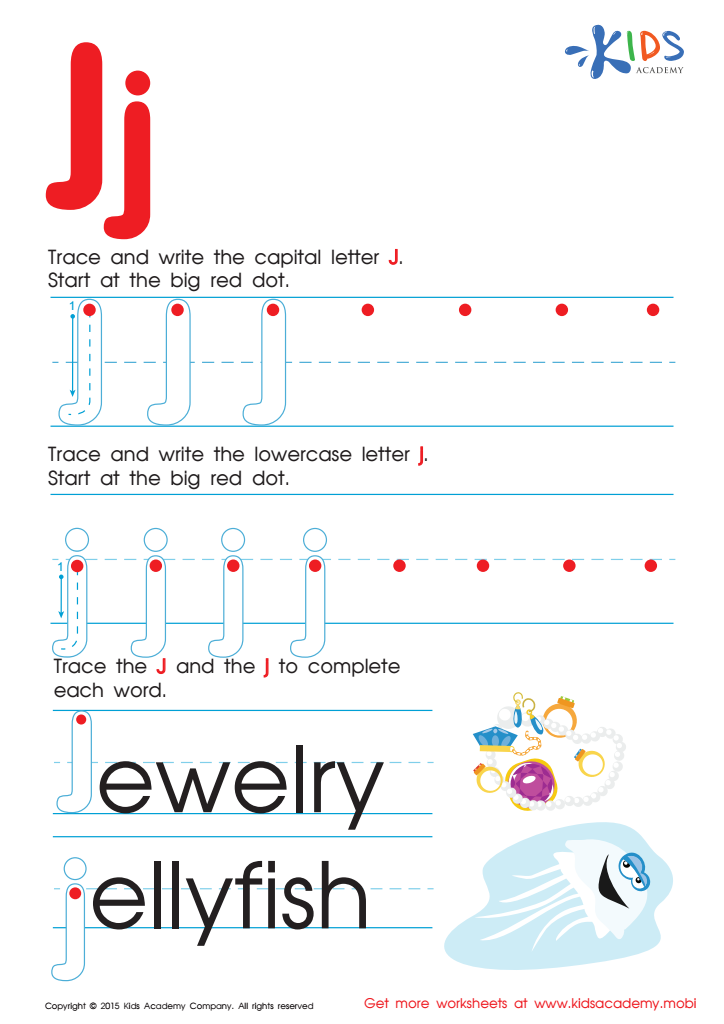
Letter J Tracing Page
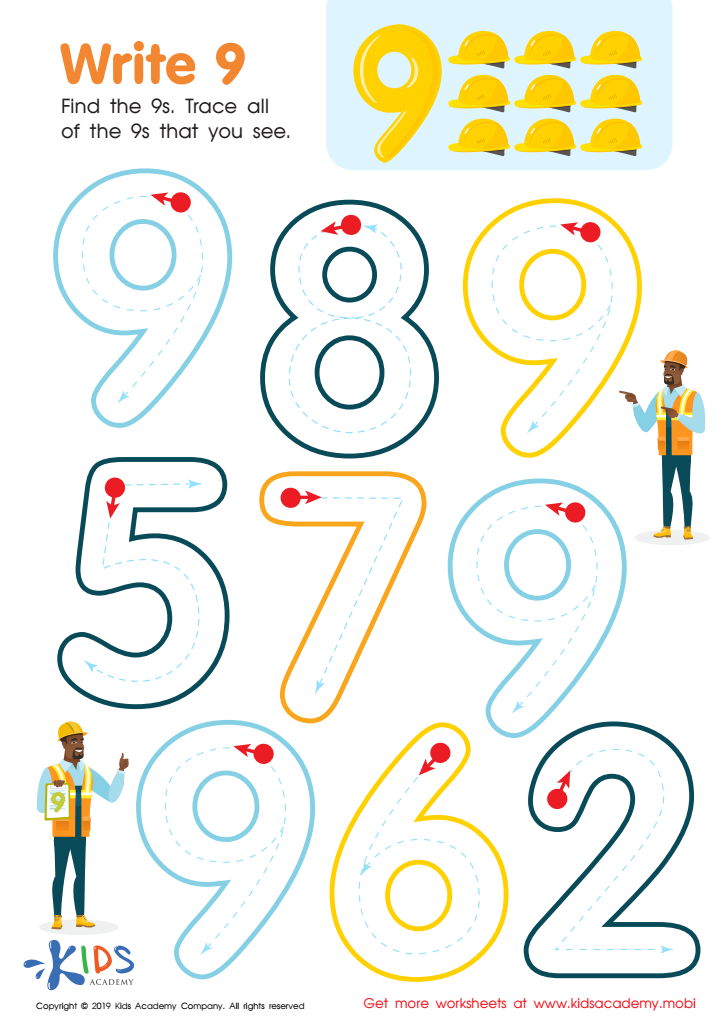
Write 9 Worksheet
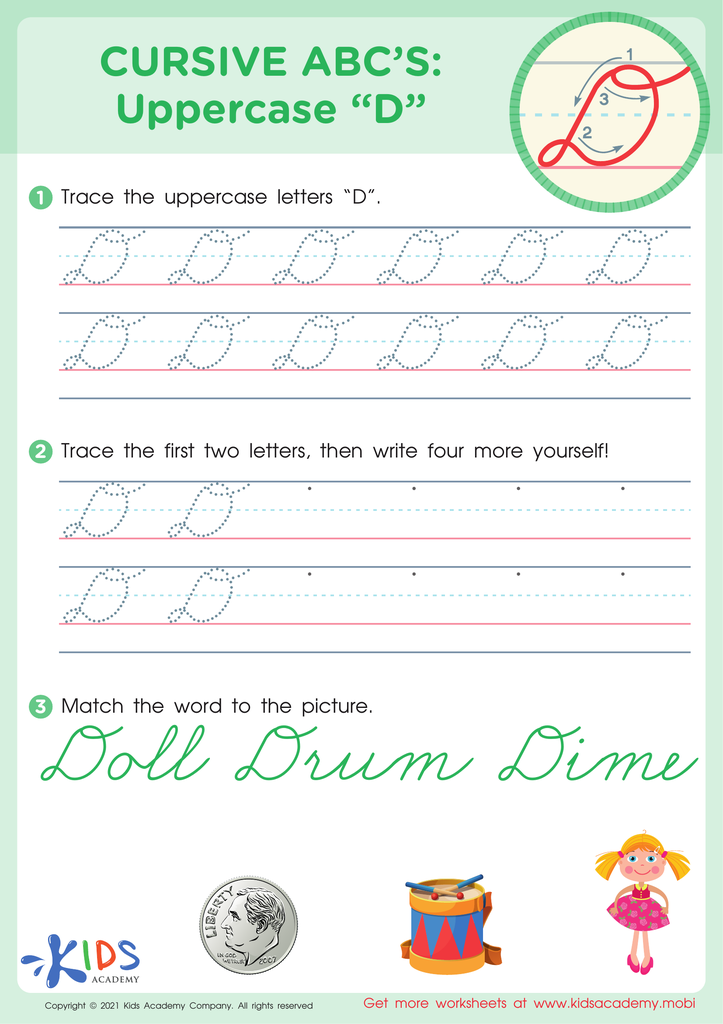
Cursive ABCs: Uppercase D
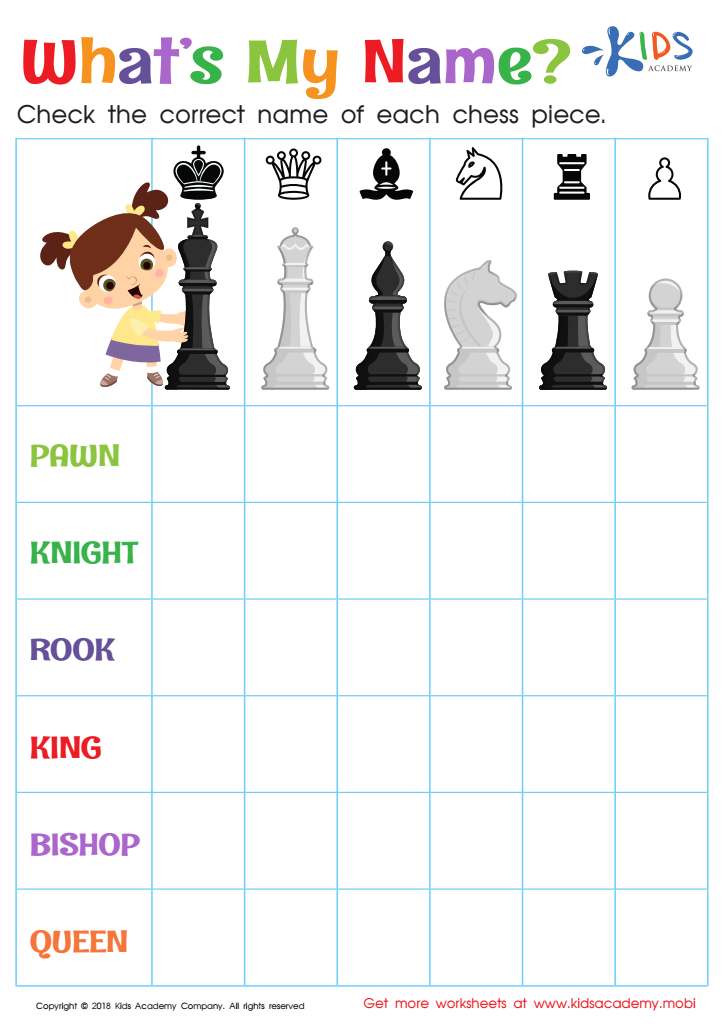
What's My Name? Worksheet
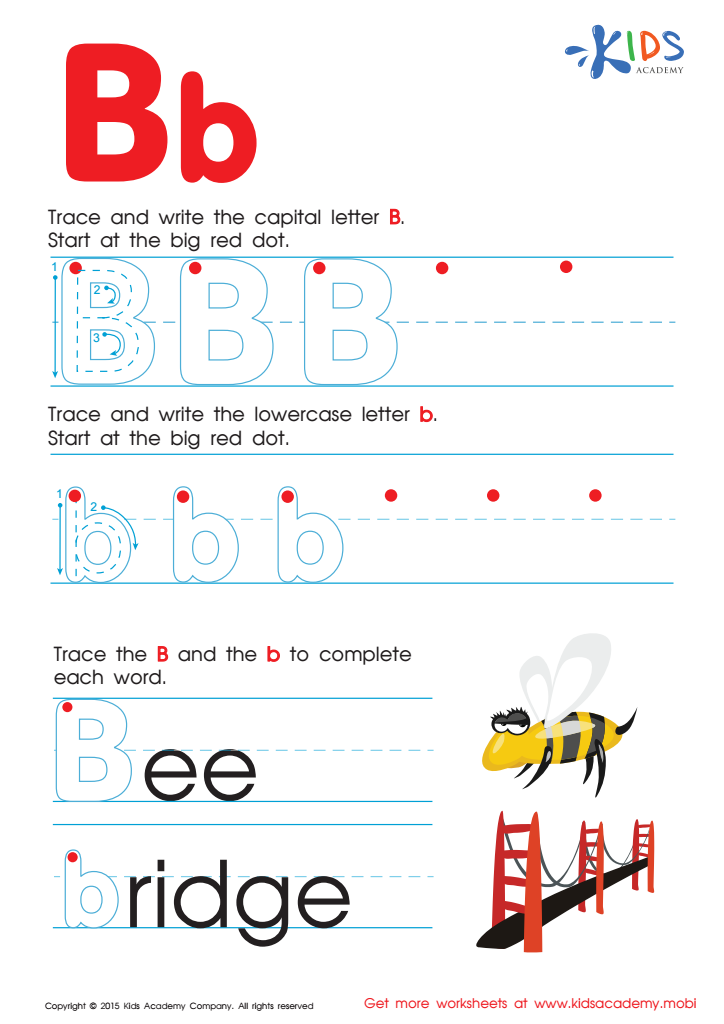
Letter B Tracing Page
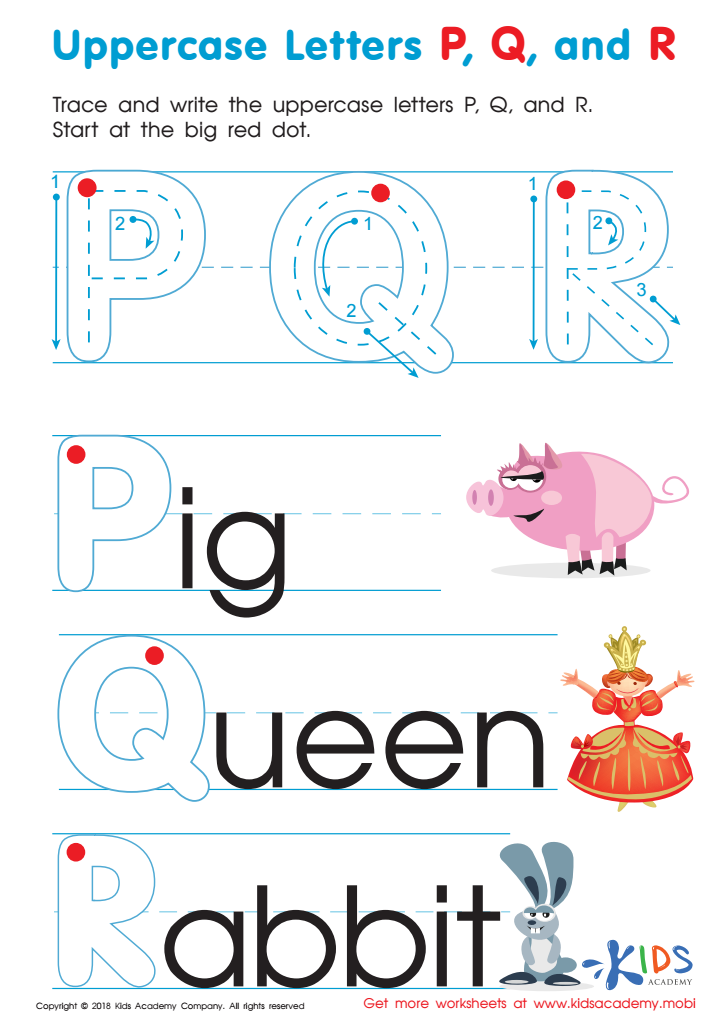
Uppercase Letters P, Q, and R Worksheet
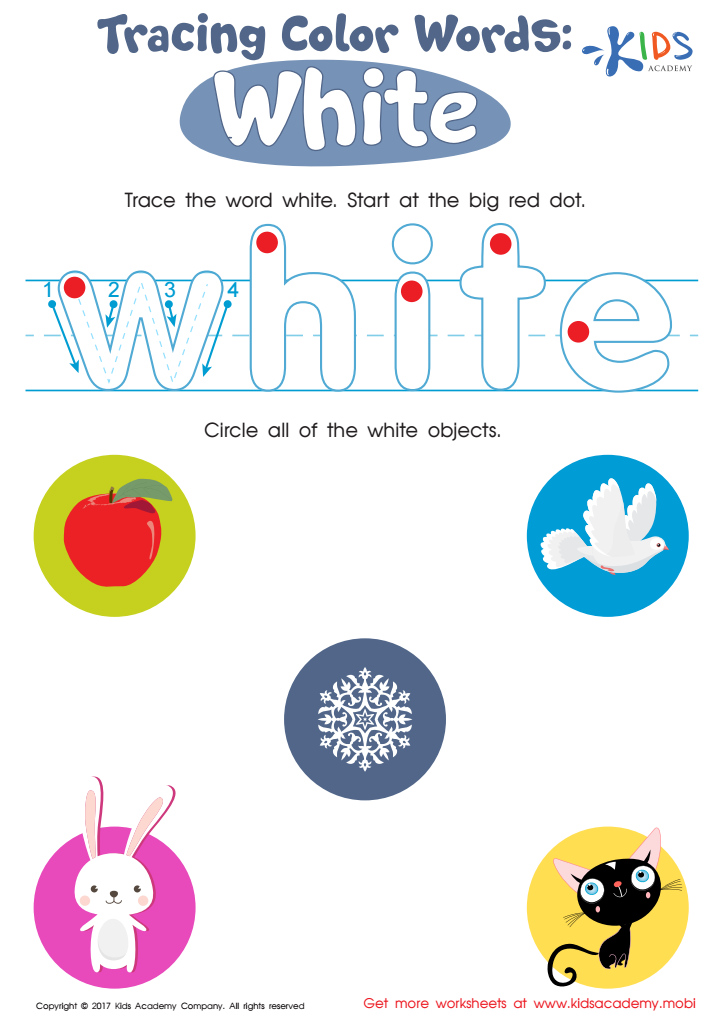
White Tracing Color Words Worksheet
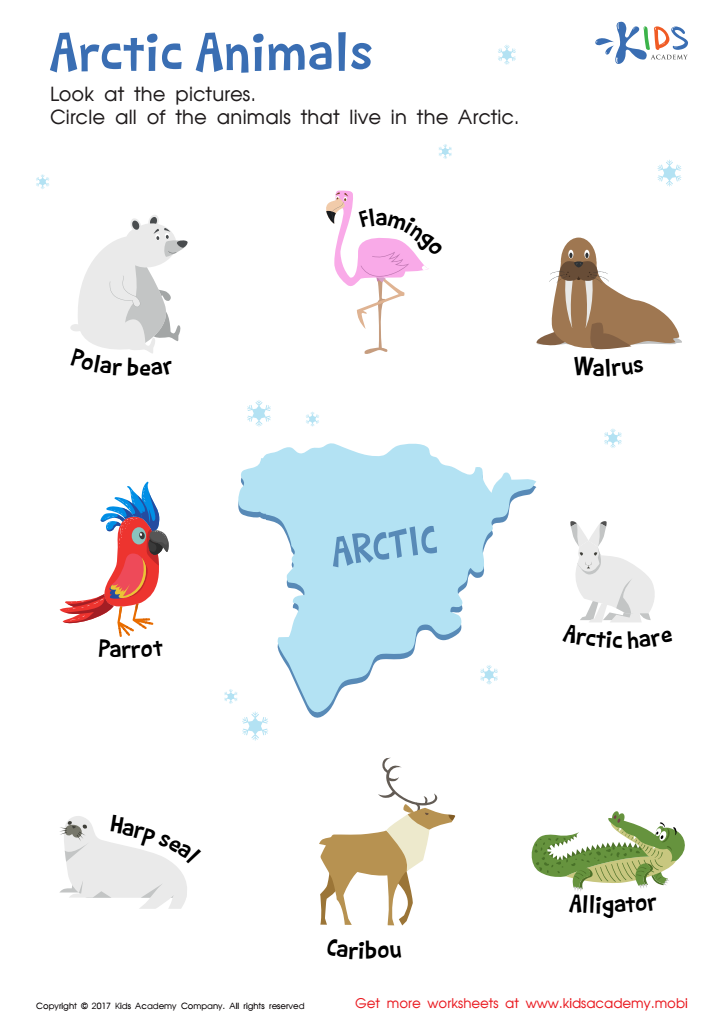
Arctic Animals Worksheet
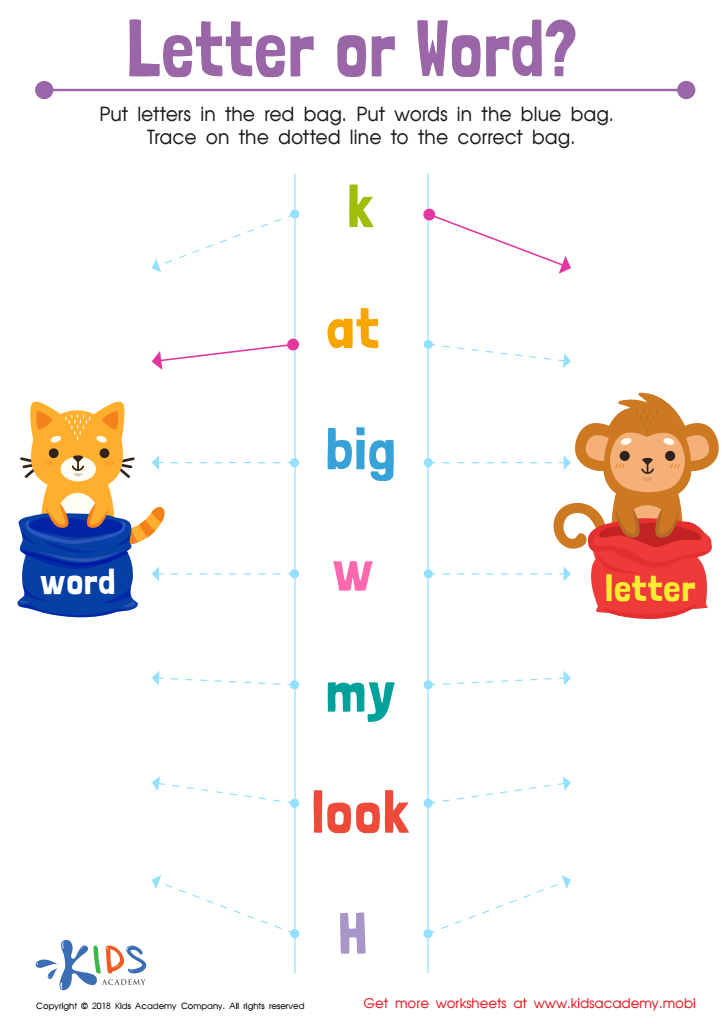
Letter or Word? Worksheet







Handwriting improvement is crucial for children aged 3-8 as it lays foundational skills essential for both academic and personal development. At this formative stage, developing good handwriting habits enhances fine motor skills, which are critical for tasks beyond writing, such as cutting with scissors or tying shoelaces. Moreover, the act of forming letters and words aids cognitive development, reinforcing the neural connections associated with literacy.
Legible handwriting not only improves communication but also boosts self-esteem. Children who struggle with poor handwriting may become frustrated and disengaged from learning, while those with clear, readable handwriting are often more willing to participate in written tasks and express their ideas.
In the classroom, neat handwriting contributes positively to overall academic performance. Teachers can more easily read and assess students’ work, leading to better feedback and instructional support. This, in turn, fosters a clearer understanding of subjects and smoother progression in learning.
In today’s digital age, while typing skills are also important, handwriting remains a vital skill. Activities that promote writing with a pen or pencil reinforce hand-eye coordination and concentration. Thus, parents and teachers should prioritize handwriting improvement in early childhood to support comprehensive developmental growth and lifelong learning skills.








