Historical Knowledge Worksheets for Ages 3-8 - Page 2
38 filtered results
-
From - To
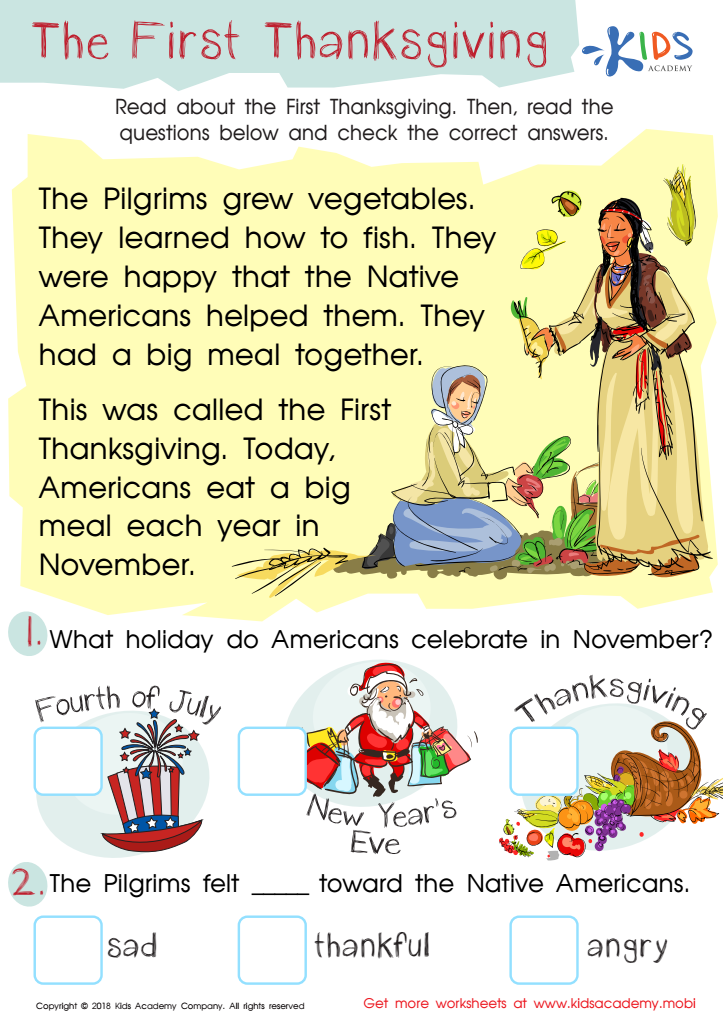
Assessment: First Thanksgiving Worksheet
 Assign to My Students
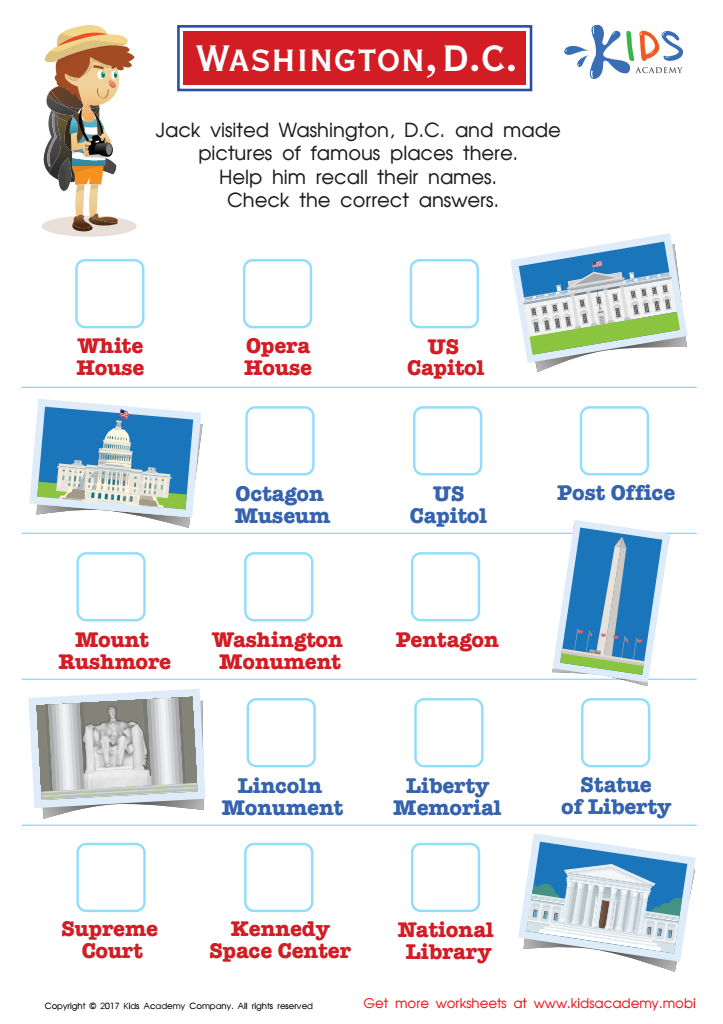
Washington D.C. Printable Worksheet
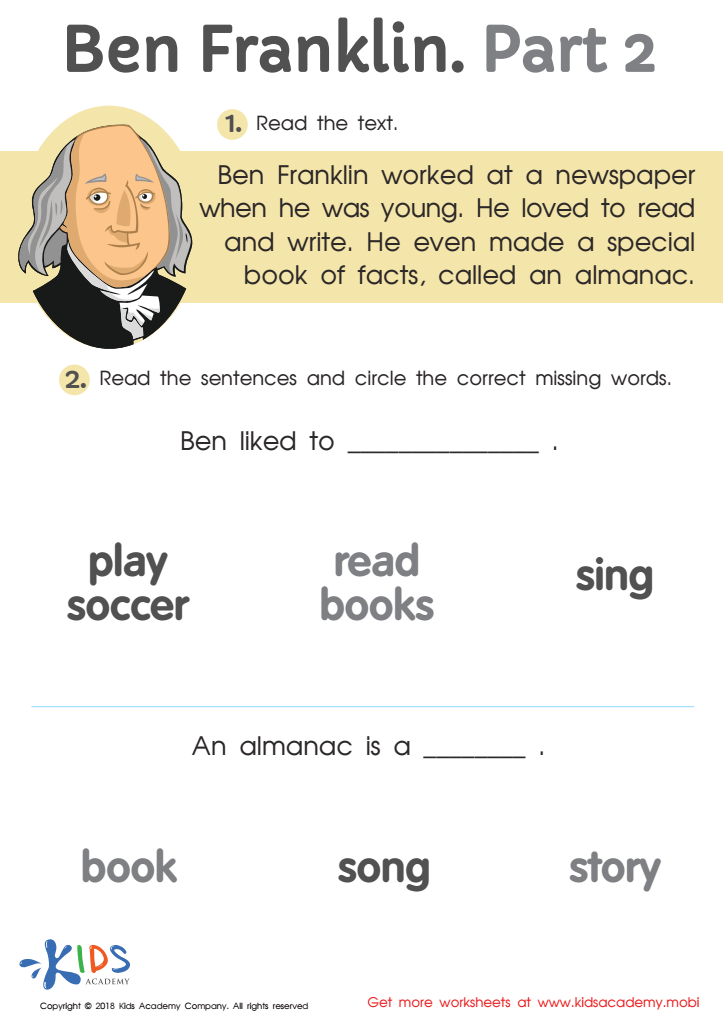
Ben Franklin Part 2 Worksheet
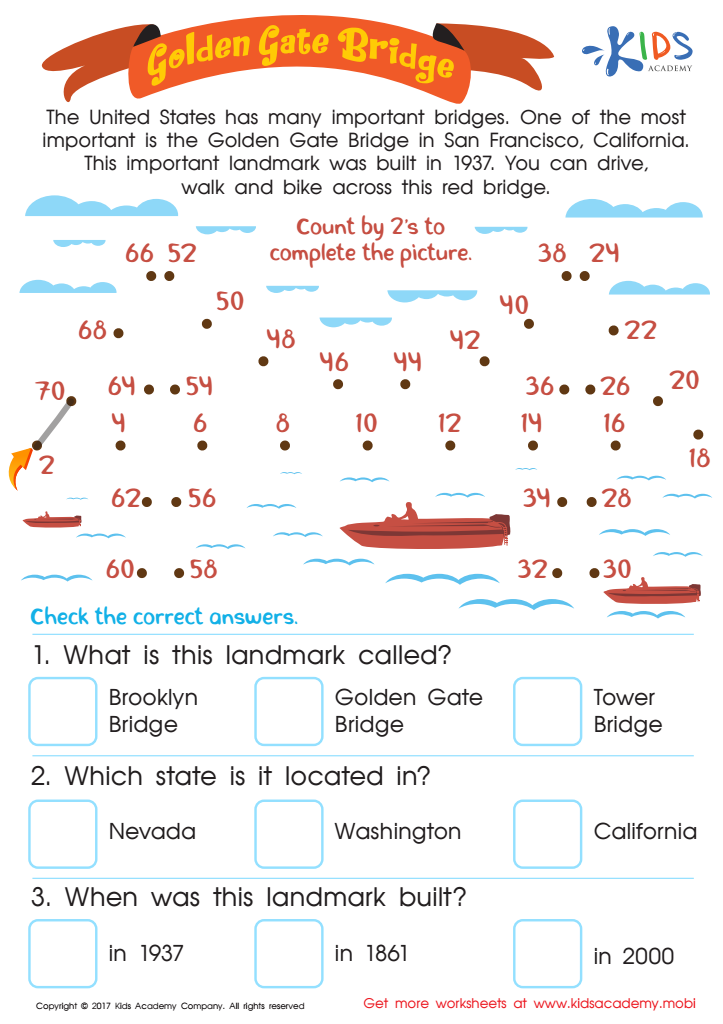
Golden Gate Bridge Worksheet
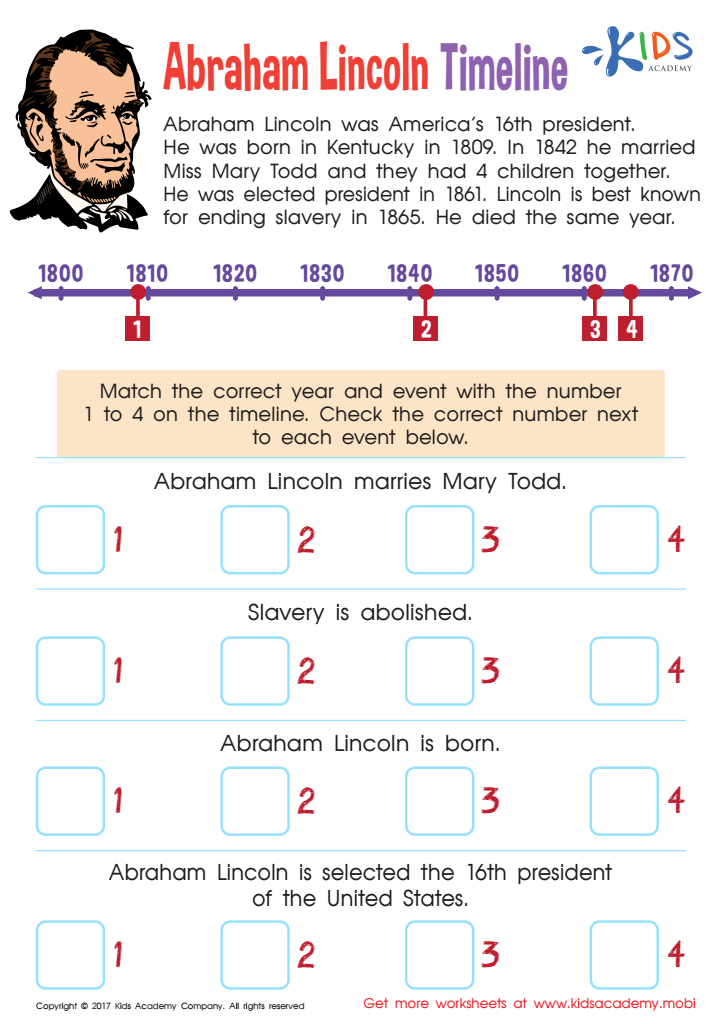
Abraham Lincoln Timeline Worksheet
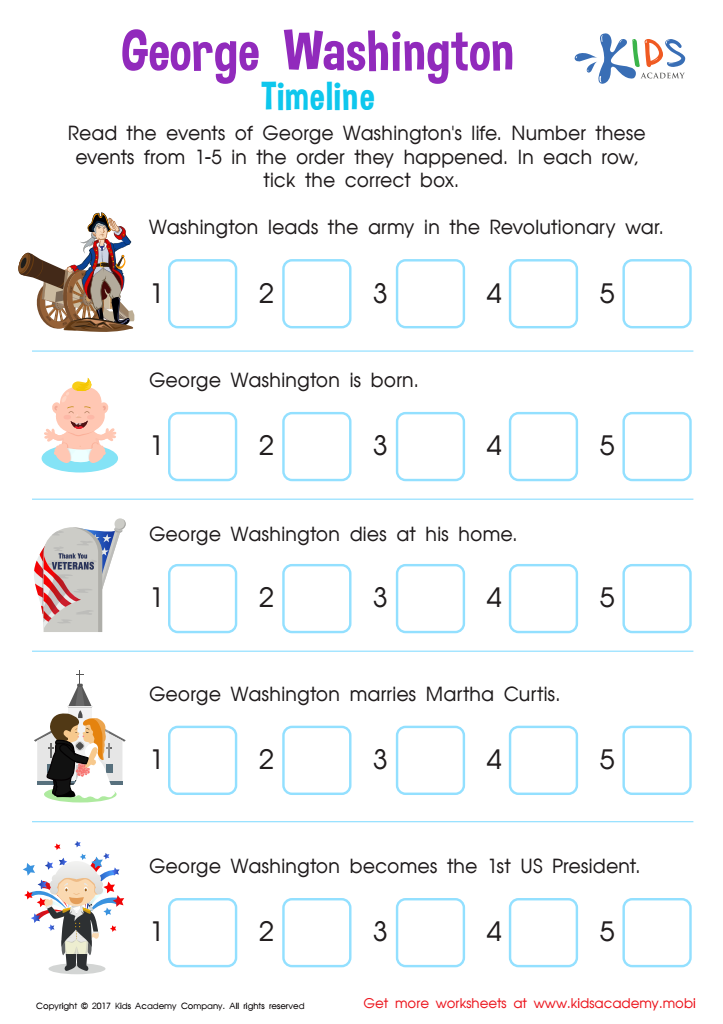
George Washington Timeline Worksheet
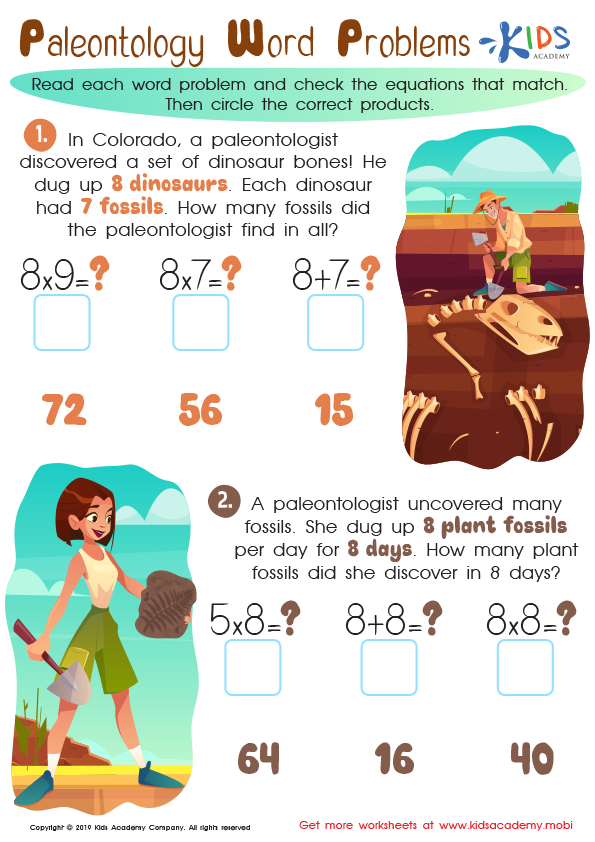
Archeology Word Problems Worksheet
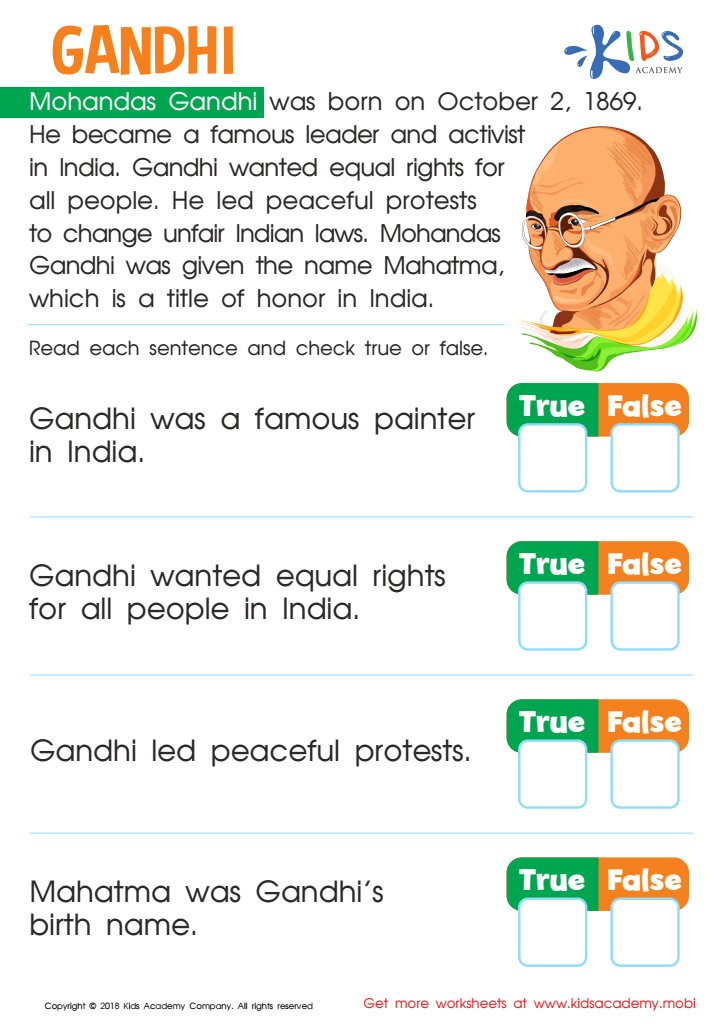
Gandhi Worksheet
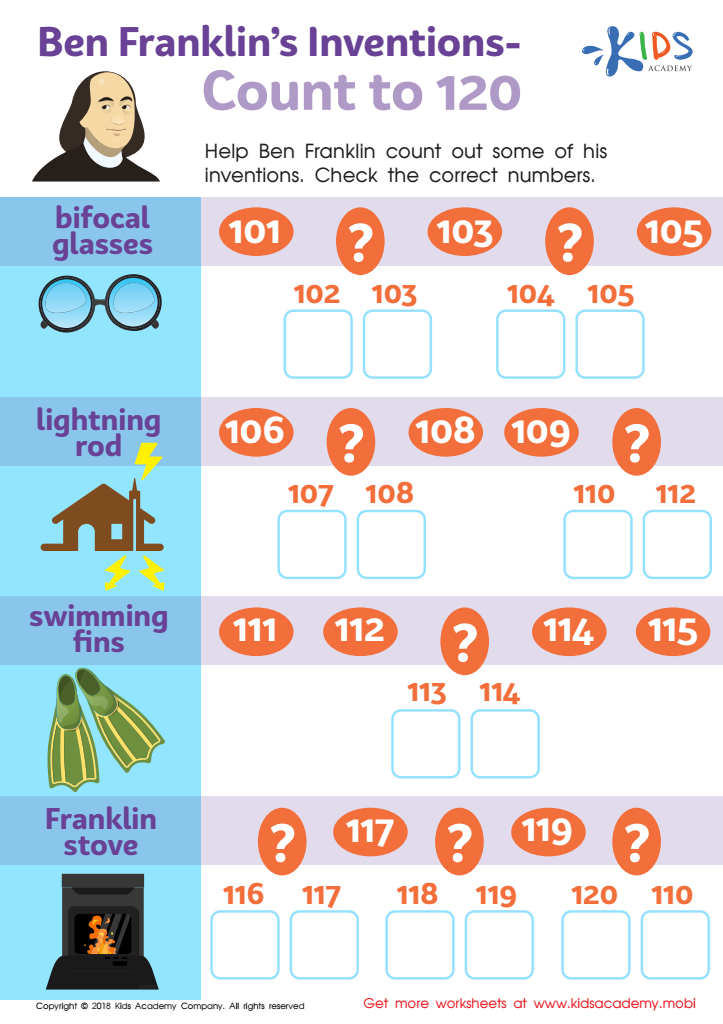
Ben Franklin’s Inventions – Count to 120 Worksheet
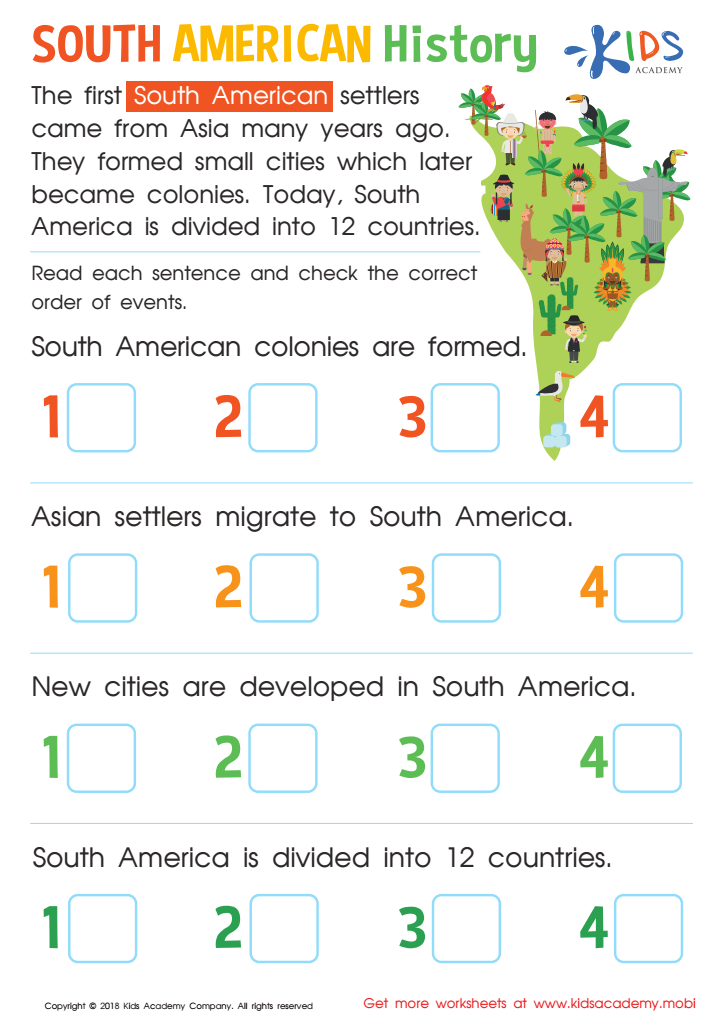
South American History Worksheet








Parents and teachers should prioritize historical knowledge for children ages 3-8 because it lays a strong foundation for understanding their identity and the world around them. At this age, children are naturally curious explorers, and introducing them to history nurtures that curiosity, fostering critical thinking and cognitive skills. By learning about diverse cultures, traditions, and historical events, children develop empathy and respect for others, recognizing the shared humanity that connects us all.
Additionally, historical knowledge helps children make sense of present-day societal structures and challenges. Understanding the past enhances their ability to contextualize current events, encouraging informed future citizens who can engage thoughtfully with the world.
Moreover, stories from history can captivate young imaginations, turning factual learning into enjoyable narratives, thereby improving literacy and comprehension skills. It can also inspire creativity through art, play, and discussions, embedding knowledge deeply.
Encouraging historical learning at this tender age nurtures informed, empathetic, and culturally-aware individuals ready to contribute positively to society. Teachers and parents play an integral role in guiding this educational journey, sparking interest and passion for history that can last a lifetime. Ultimately, appreciating history enriches a child's perspective and understanding of the world.








